Why Cats Reject Food at Room Temperature
1) Why this topic matters for cat health
When a cat turns up their nose at a bowl of food that seems perfectly fine to you, it can feel frustrating and wasteful. It can also become a health issue quickly. Cats are metabolically different from many other pets: even short periods of poor intake can contribute to dehydration, gastrointestinal upset, and, in higher-risk situations (especially overweight cats), hepatic lipidosis (fatty liver disease). Understanding why some cats reject food at room temperature helps you feed more reliably, reduce picky-eating battles, and spot when refusal is a normal preference versus a medical red flag.
Food temperature affects aroma, texture, fat perception, and even how safe a food feels to your cat’s instincts. Many “picky” cats are actually responding to biology, sensory factors, and past experiences. The goal is to work with feline preferences while still meeting complete-and-balanced nutrition needs.
2) Scientific background: feline nutrition and obligate carnivore biology
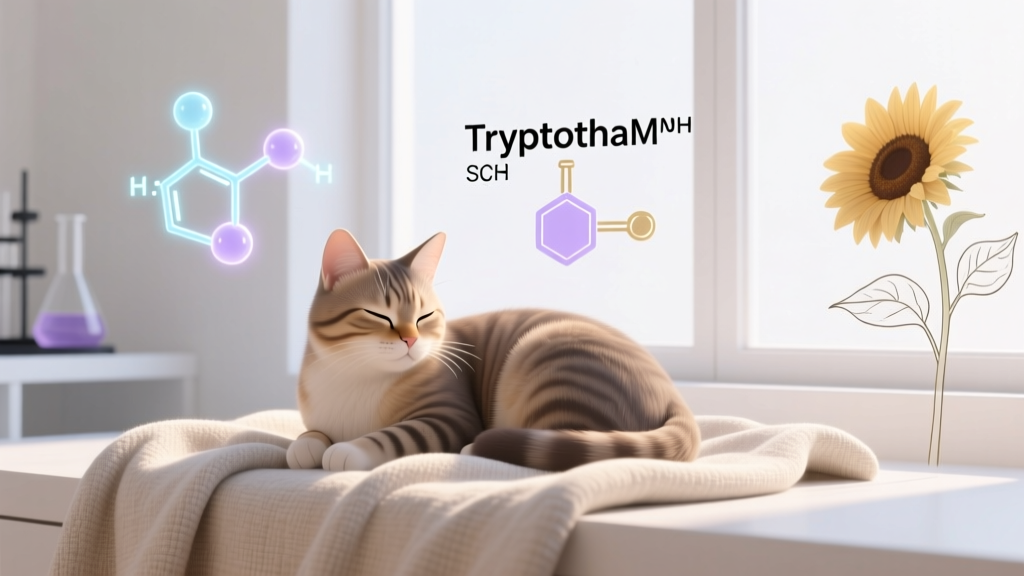
Cats are obligate carnivores, shaped by evolution to thrive on animal-based nutrients and to hunt small prey. This biology influences their food choices and feeding behaviors.
- High protein requirement: Cats rely heavily on dietary protein and have limited ability to downregulate protein metabolism. They tend to prefer animal-based proteins and fats.
- Essential nutrients found in animal tissues: Taurine, arachidonic acid, preformed vitamin A, and certain B vitamins are critical for cats and must be present in adequate amounts in a complete diet.
- Smell and taste drive intake: Cats have fewer taste buds than humans and are less sensitive to sweetness. Aroma (volatile compounds) and mouthfeel often matter more than “flavor” as we think of it.
- Hydration strategy: Many cats naturally have a low thirst drive. Wet food supports water intake, but its aroma and texture change significantly with temperature.
| Biological trait | How it affects feeding | Why temperature matters |
|---|---|---|
| Obligate carnivore metabolism | Strong preference for animal-based protein/fat | Warming increases fat aroma and palatability signals |
| Smell-dominant appetite | Aroma is a key trigger for eating | Warmer food releases more volatile odor compounds |
| Low thirst drive | May rely on food for hydration | Cold/room-temp wet food can smell “flat,” reducing intake |
| Neophobia (caution with new foods) | May reject unfamiliar changes | Temperature shifts can make a known food seem “different” |
3) Detailed analysis: why room-temperature food gets rejected
A) Aroma chemistry: warm food smells “more like food” to cats
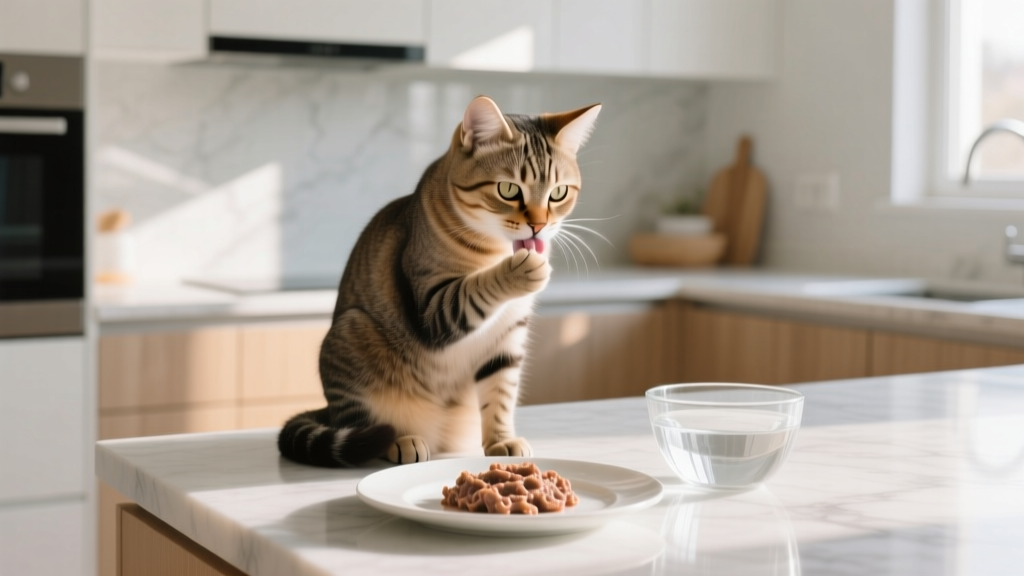
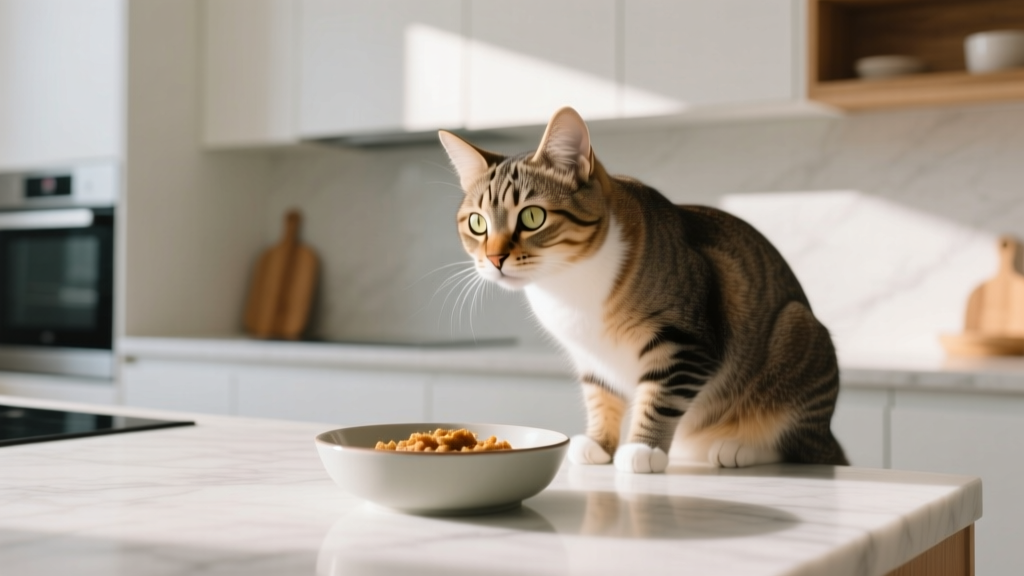
Many cats refuse room-temperature wet food because it has less aroma than warmed food. Temperature affects how readily odor molecules evaporate into the air. When food is gently warmed, more aromatic compounds reach your cat’s nose, boosting interest and initiating eating. This is especially relevant for:
- Wet foods served after refrigeration: Even if “room temp” to you, it may still be cool and less aromatic.
- Foods with higher fat content: Warming enhances fat-driven palatability signals.
- Senior cats: Reduced sense of smell can make them more dependent on stronger aromas.
B) Texture changes and fat behavior at different temperatures
Temperature alters texture. Many pate-style foods become firmer and less appealing when cool, and fats can feel waxy. At warmer temperatures, fats soften and coat the tongue differently, which can increase acceptance. Conversely, some cats dislike food that has been sitting out and has dried edges, a crust, or separated liquid.
C) “Stale” cues: oxidation and drying can signal “not fresh”
Room-temperature food can develop sensory changes that cats interpret as unsafe or unappetizing:
- Oxidation of fats: Once opened, fats begin to oxidize; odors can shift in ways cats notice quickly.
- Surface drying: Wet food forms a dry film that changes mouthfeel.
- Separation: Gravy foods can separate; some cats dislike the watery layer.
These changes can happen within a couple of hours, faster in warm rooms. If your cat tends to “graze,” the later bites may be less appealing.
D) Learned preferences and feeding history
Cats learn patterns. If you regularly warm food, add toppers, or offer fresh replacements when they refuse, your cat may hold out for the “better” version. This isn’t stubbornness; it’s normal learning. Cats are also sensitive to novelty—temperature can make a familiar food seem different enough to trigger rejection.
E) Stress, environment, and bowl factors that get blamed on temperature
Sometimes “room temperature” is a scapegoat for other issues:
- Bowl aversion: Smells trapped in plastic bowls, residue from detergents, or whisker stress from narrow bowls.
- Location stress: Food near litter boxes, noisy appliances, or high-traffic areas.
- Competition: Multi-cat households where a cat avoids eating due to another cat’s presence.
F) When temperature refusal is a medical clue
If a cat suddenly rejects food regardless of temperature or only eats warmed food because it’s easier to smell, investigate health causes. Problems that can reduce appetite or make eating uncomfortable include dental disease, nausea, constipation, kidney disease, pancreatitis, hyperthyroidism, and upper respiratory infections (smell blocked by congestion). If your cat’s intake drops, consult your veterinarian promptly.
4) Practical recommendations for cat owners
Safe ways to improve acceptance
- Warm gently: Aim for “mouse-body warm” (slightly warm, not hot). Stir thoroughly and test with your finger before serving.
- Use warm water to boost aroma and hydration: Mix 1–2 tablespoons of warm water into wet food to create a stew texture.
- Serve smaller, fresher portions: Offer half portions more often to reduce drying and oxidation.
- Upgrade the bowl: Use shallow, wide ceramic or stainless steel dishes; wash well and rinse thoroughly.
- Improve the feeding environment: Quiet location, away from litter, with consistent routine.
How to warm food correctly
| Method | How to do it | Pros | Cautions |
|---|---|---|---|
| Warm water bath | Put sealed container/pouch or a small dish in warm water for 3–8 minutes | Even warming, low burn risk | Don’t submerge open cans; keep water clean |
| Add warm water | Mix warm (not boiling) water into food | Boosts hydration, aroma | Some cats dislike thinner texture |
| Microwave (short bursts) | 5–10 seconds, stir, repeat if needed | Fast | Hot spots can burn mouth; always stir and test |
5) Comparison of options and approaches
| Approach | Best for | Advantages | Potential downsides |
|---|---|---|---|
| Serve gently warmed wet food | Cats who refuse cool/room-temp wet diets | Boosts aroma and palatability; can increase intake | Extra prep time; risk of overheating if rushed |
| Smaller, more frequent meals | Grazers; cats sensitive to “stale” food | Less drying/oxidation; can help weight management routines | More feeding events; may be harder with busy schedules |
| Use an automatic feeder (wet-compatible with ice pack) | Owners away during the day | Fresh portions; timing consistency | Requires cleaning; not all models keep food safe long |
| Switch texture (pate ↔ chunks/gravy) within complete diets | Texture-driven picky eaters | May solve refusal without changing nutrition goals | Rapid switching can cause GI upset; transition needed |
| Use veterinary therapeutic diets when indicated | Kidney disease, urinary issues, GI disease, food allergies | Targets medical needs with proven nutrient profiles | Must be vet-guided; palatability sometimes challenging |
6) Common mistakes and misconceptions to avoid
- Myth: “Cats reject room-temperature food because they’re being difficult.”
Reality: Temperature changes aroma and texture. Many cats are responding to sensory cues and freshness signals, not attitude. - Mistake: Heating food until hot.
Overheated food can burn the mouth and create negative associations. Warm gently and stir well. - Mistake: Leaving wet food out all day.
Aside from reduced palatability, longer exposure increases spoilage risk. Many households do best with timed meals or smaller portions. - Myth: “If my cat eats only warmed food, the food must be low quality.”
Even high-quality diets can smell “muted” when cool. Preference is not a reliable quality test. - Mistake: Constantly rotating foods without a plan.
Frequent sudden changes can cause diarrhea and may teach your cat to hold out for novelty. - Myth: “Toppers fix picky eating and are always harmless.”
Some toppers add unbalanced nutrients, excess sodium, or extra calories. Use sparingly and prioritize complete-and-balanced main diets.
7) How to implement changes safely (transition tips)
If you’re changing meal temperature, texture, brand, or feeding schedule, do it in a way that protects appetite and gut health.
- Change one variable at a time: First adjust temperature, then portion timing, then consider a diet change if needed.
- Use a gradual transition for new foods: Mix increasing amounts of the new food over 7–10 days (longer for sensitive cats).
- Prevent food aversions: If your cat is nauseated or ill, avoid introducing a brand-new food right then; cats can learn to dislike foods associated with feeling sick.
- Track intake: Note how much your cat eats daily and monitor water intake, stool quality, and energy.
Safety threshold: If your cat eats significantly less than normal for more than 24 hours, or refuses all food, contact your veterinarian. Cats can deteriorate quickly when not eating.
8) Special considerations (age, health conditions, activity level)
Kittens
- Need higher calorie density and frequent meals.
- Many accept slightly warmer food more readily, especially during weaning transitions.
- Avoid drastic diet restriction; seek vet guidance if a kitten’s appetite drops.
Adult cats
- Room-temperature refusal is often preference, routine, or bowl/environment related.
- Maintain consistent meal patterns to prevent “holding out” behavior.
Senior cats
- Reduced sense of smell and dental wear are common; warming can improve aroma and soften texture.
- Sudden pickiness in seniors warrants a vet check (kidney disease, hyperthyroidism, pain, dental disease).
Cats with kidney disease
- Appetite fluctuations are common; aroma enhancement (gentle warming, adding warm water) can help.
- Use vet-prescribed diets if recommended; do not substitute with high-phosphorus foods without guidance.
Cats with diabetes or obesity
- Meal timing and measured portions matter. Smaller, scheduled meals can reduce stale-food refusal and support calorie control.
- Warming can improve acceptance of higher-protein, lower-carbohydrate wet foods, but calorie totals still need management with your vet.
Cats with dental disease or oral pain
- They may prefer warmer, softer foods because they’re easier to eat.
- If chewing seems painful, drooling occurs, or one side is favored, schedule a dental exam.
Highly active cats vs. sedentary cats
- Active cats may tolerate more frequent meals and higher calorie intake.
- Sedentary cats can become overweight quickly; focus on portion control rather than unlimited access to food, even if warming improves intake.
9) FAQ: common questions cat owners ask
How warm should my cat’s food be?
Slightly warm—never hot. Think “just warmer than room temperature.” Stir thoroughly and test with your finger to ensure there are no hot spots. If using a microwave, heat in very short bursts.
Is it safe to leave wet food out so it reaches room temperature?
Wet food becomes less palatable as it dries and can spoil if left out too long, especially in warm environments. Many cats prefer freshly served food. When in doubt, offer smaller portions more often and refrigerate leftovers promptly. For individualized food safety guidance, ask your veterinarian.
My cat only eats refrigerated food cold—should I still warm it?
No need if your cat is eating well and maintaining a healthy body condition. Some cats prefer cooler textures. The main goal is consistent intake of a complete-and-balanced diet.
Does warming food destroy nutrients?
Gentle warming to slightly above room temperature is unlikely to meaningfully affect nutrient content. Avoid overheating, repeated high-heat microwaving, or cooking the food, which can alter texture and potentially affect some heat-sensitive nutrients over time.
Could my cat’s refusal be a sign of illness?
Yes. If your cat’s appetite changes suddenly, they eat much less than usual, hide, vomit, have diarrhea, lose weight, show drooling or bad breath, or seem congested, contact your veterinarian. Do not assume it’s only temperature preference.
Should I add broth or toppers to make room-temperature food more appealing?
Warm water is a safe first step. If using broth or toppers, choose options formulated for cats or approved by your veterinarian, and keep them minimal so the main diet remains complete and balanced. Avoid onion/garlic ingredients and excessive sodium.
Feeding a cat well is equal parts nutrition science and practical routine. If your cat rejects room-temperature food, gentle warming, freshness management, and a calm feeding setup often solve the problem while supporting hydration and consistent intake. For tailored advice—especially if your cat has medical conditions or appetite changes—work with your veterinarian.
For more practical, vet-aligned feeding tips and nutrition deep-dives, explore additional cat nutrition guides on catloversbase.com.