The Role of Magnesium in Feline Urinary Health
1. Why magnesium matters for your cat’s urinary health
Few things worry cat owners faster than a cat straining in the litter box. Lower urinary tract problems can range from mild discomfort to life-threatening blockage, especially in male cats. Nutrition is one of the most powerful tools you can use to reduce risk—and magnesium is one mineral that gets discussed a lot, sometimes with more fear than facts.
Magnesium is essential for normal body function, but it can also participate in urinary crystal formation under certain conditions. The key is balance: the right amount of magnesium, in the right dietary context (water intake, urine pH, and overall mineral profile), tailored to your cat’s life stage and health status.
2. Scientific background: how cats are built to eat (and what that means for urine)
Cats are obligate carnivores. Their metabolism and nutrient requirements evolved around prey-based diets that are:
- High in animal protein with specific amino acids (like taurine) that cats cannot make in adequate amounts
- Moderate in fat as a primary energy source
- Very low in carbohydrates compared with many modern pet foods
- High in moisture (prey is typically ~70–75% water)
That last point—moisture—is central to urinary health. Many cats on dry-only diets consume less total water than their bodies would naturally take in from prey. Lower water intake can lead to more concentrated urine, which increases the likelihood that minerals can precipitate into crystals.
Urinary tract health is influenced by a few interacting factors:
- Urine concentration (how dilute vs. concentrated it is)
- Urine pH (acidic vs. alkaline)
- Mineral load (magnesium, phosphorus, calcium, and others)
- Bladder environment (inflammation, stress, and idiopathic cystitis risk)
- Infection (less common in younger cats, more common in older cats)
Magnesium fits into this picture as a necessary nutrient that can also contribute to certain types of crystals when combined with specific urinary conditions.
3. Evidence-based analysis: magnesium, crystals, and what actually drives urinary risk
What magnesium does in the body
Magnesium is an essential macromineral. It supports:
- Muscle and nerve function
- Enzyme activity and energy metabolism
- Bone structure
- Electrolyte balance
Because it’s essential, the goal is not “as low as possible.” The goal is “appropriate for the cat’s needs and medical history.”
Magnesium and struvite crystals: the real connection
Struvite (magnesium ammonium phosphate) crystals and stones form when urine becomes supersaturated with the building blocks of struvite. Magnesium is one component, but it’s not the only driver. The most consistent risk factors for struvite formation include:
- Higher urine pH (more alkaline urine favors struvite)
- More concentrated urine (less water intake)
- Higher urinary levels of magnesium, ammonium, and phosphate
Modern veterinary diets designed for urinary health typically manage struvite risk by focusing on:
- Urine dilution (often through higher moisture and/or sodium strategies, depending on the formulation)
- Controlled mineral content (not just magnesium, but also phosphorus and calcium)
- Urine pH target (mildly acidic range, depending on the cat and diet)
What about calcium oxalate stones?
Many owners have heard “lower magnesium prevents urinary stones,” but urinary disease isn’t one-size-fits-all. Calcium oxalate stones have become more common over time. Unlike struvite, calcium oxalate stones are not typically dissolved by diet once formed, and they can be associated with:
- More acidic urine (though multiple factors contribute)
- Higher urine concentration
- Higher urinary calcium and oxalate
This matters because aggressively pushing urine pH too low to prevent struvite may inadvertently increase calcium oxalate risk in some cats. That’s one reason veterinary nutrition focuses on overall urinary saturation and individualized risk—not just magnesium.
FLUTD and FIC: when minerals aren’t the whole story
Not all urinary problems are primarily caused by crystals or stones. Feline Lower Urinary Tract Disease (FLUTD) is an umbrella term that includes:
- Feline idiopathic cystitis (FIC) (stress-associated bladder inflammation; very common)
- Urolithiasis (stones)
- Urethral plugs (often a mix of mucus, inflammatory material, and sometimes crystals)
- Urinary tract infections (more common in older cats)
In FIC, stress reduction, hydration, and environmental enrichment can be as important as mineral tweaks. A cat can have urinary signs without significant crystal issues.
Magnesium: too much vs. too little
| Magnesium situation | Potential concern | What to do |
|---|---|---|
| Excessive magnesium intake (especially with alkaline, concentrated urine) | May contribute to struvite supersaturation in susceptible cats | Use a complete-and-balanced diet; consider veterinary urinary diets if your cat has a history of struvite |
| Over-restricting magnesium | Not recommended; may create nutritional imbalance and doesn’t address hydration/pH drivers | Avoid “DIY low-magnesium” feeding and unsupervised supplementation strategies |
| Normal magnesium within a balanced diet | Supports health; typically not a problem in cats without urinary disease | Focus on moisture, appropriate diet type, and routine vet checks |
4. Practical recommendations for cat owners
For most cats, the highest-impact urinary steps are about hydration, diet quality, and matching the diet to the cat’s history.
Nutrition priorities that work with magnesium (not against it)
- Increase water intake to reduce urine concentration:
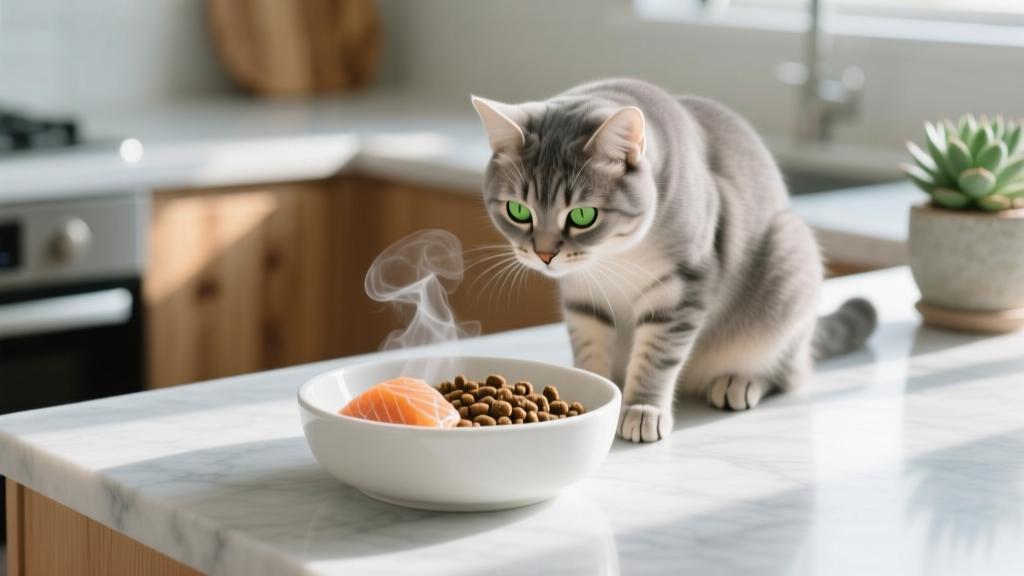
- Feed more wet food or add water to food if your cat accepts it
- Use a pet water fountain (many cats drink more from moving water)
- Provide multiple water stations in quiet locations
- Choose complete-and-balanced diets formulated to AAFCO/FEDIAF standards for your cat’s life stage.
- If your cat has a urinary history, ask your vet whether a therapeutic urinary diet is appropriate (struvite prevention/dissolution vs. broader urinary support).
- Avoid untested mineral supplements unless your veterinarian specifically prescribes them.
When magnesium deserves extra attention
Consider discussing magnesium and urinary nutrition with your veterinarian if your cat:
- Has had struvite crystals/stones or a urethral blockage
- Has recurrent urinary signs (frequent trips to the box, blood in urine, vocalizing)
- Is prone to dehydration or eats only dry food and drinks little water
- Has kidney disease (mineral balance becomes more clinically relevant)
5. Comparing approaches: what actually helps urinary health?
| Approach | Pros | Cons/limits | Best for |
|---|---|---|---|
| Wet-food-forward feeding | Improves hydration; dilutes urine; often helpful across urinary issues | Can be more expensive; some cats are picky; needs dental hygiene support | Most cats, especially those with concentrated urine or FLUTD history |
| Therapeutic urinary veterinary diets (wet or dry) | Evidence-based control of urine pH and mineral balance; some dissolve struvite | Not intended for every cat; needs vet guidance; may not address stress-related FIC alone | Cats with confirmed struvite issues, recurrent crystals, or blockage history |
| Over-the-counter “urinary care” diets | May modestly support urinary parameters vs. standard diets | Not equivalent to prescription diets; variable effectiveness; not for active stone disease | Cats with mild risk factors, under vet guidance |
| “Low magnesium” as the main goal | Addresses one struvite component | Oversimplified; ignores urine concentration and pH; may backfire if it leads to unbalanced diets | Rarely appropriate as a standalone strategy |
6. Common mistakes and misconceptions to avoid
- Myth: “Magnesium causes all urinary problems.”
Reality: Magnesium is only one part of struvite chemistry, and many urinary cases involve stress/inflammation (FIC) or different stone types. - Mistake: Picking a food based on a single mineral number.
Urinary diets work by managing multiple factors (water intake, urine pH targets, overall mineral profile). A “low magnesium” label doesn’t guarantee urinary protection. - Myth: “Ash content tells you whether a food will cause stones.”
Total ash is a crude measure and doesn’t predict urinary outcomes. The relevant piece is how specific minerals affect urinary saturation and pH in real cats. - Mistake: Trying to acidify urine at home.
Urine acidifiers and supplements can increase risk for calcium oxalate stones in susceptible cats. Use only under veterinary direction. - Mistake: Ignoring stress and litter box management.
Especially with FIC, diet helps, but environment often determines whether flare-ups keep happening.
7. How to implement changes safely (transition tips)
Sudden diet changes can cause vomiting, diarrhea, or food refusal—especially in cats. Transition slowly and watch litter box habits closely.
Gradual transition schedule
| Days | Old food | New food |
|---|---|---|
| 1–3 | 75% | 25% |
| 4–6 | 50% | 50% |
| 7–9 | 25% | 75% |
| 10+ | 0% | 100% |
Tips for cats transitioning to wetter diets
- Warm wet food slightly to enhance aroma (avoid hot temperatures).
- Add a teaspoon of warm water at first, then slowly increase.
- Offer smaller, more frequent meals to reduce waste and increase acceptance.
- Keep fresh water available even if feeding wet food.
Urgent safety note: If your cat is straining to urinate, producing little/no urine, crying in the litter box, or seems lethargic, treat it as an emergency and contact a veterinarian immediately. Dietary changes are not a substitute for urgent care.
8. Special considerations: age, health conditions, and lifestyle
Kittens
- Feed a growth-formulated diet. Avoid urinary prescription diets unless your vet specifically recommends them.
- Hydration habits formed early help long term—offer wet meals and multiple water sources.
Adult cats (especially indoor, lower-activity cats)
- Indoor lifestyles can raise FLUTD/FIC risk via stress and lower activity.
- Prioritize enrichment: play sessions, climbing areas, predictable routines, and sufficient litter boxes.
Senior cats
- Older cats have a higher risk of UTIs and chronic kidney disease; urinary signs deserve prompt veterinary testing (urinalysis and culture when indicated).
- Mineral targets may differ if kidney function is reduced—this is where individualized veterinary guidance is essential.
Cats with a history of urinary crystals or blockage
- Ask your vet what crystal type was identified (struvite vs. calcium oxalate vs. mixed).
- Follow through with recheck urinalysis as recommended; urine pH and concentration trends matter.
- Prescription urinary diets can be a cornerstone tool, often more effective than piecemeal supplement strategies.
Overweight cats
- Weight loss should be slow and supervised. Rapid weight loss increases risk of hepatic lipidosis (fatty liver disease).
- Use a vet-approved calorie plan that also supports urinary goals (often wet-food-forward for satiety and hydration).
9. FAQ: magnesium and feline urinary health
Does a “low magnesium” food prevent urinary blockage?
Not by itself. Blockages can involve mucus, inflammation, stress (FIC), and crystals. A true urinary-prevention plan usually focuses on higher moisture intake, urine dilution, and a diet formulated to manage urinary saturation and pH. If your cat has had a blockage, work with your veterinarian on a targeted plan.
Should I avoid fish-based foods because of minerals?
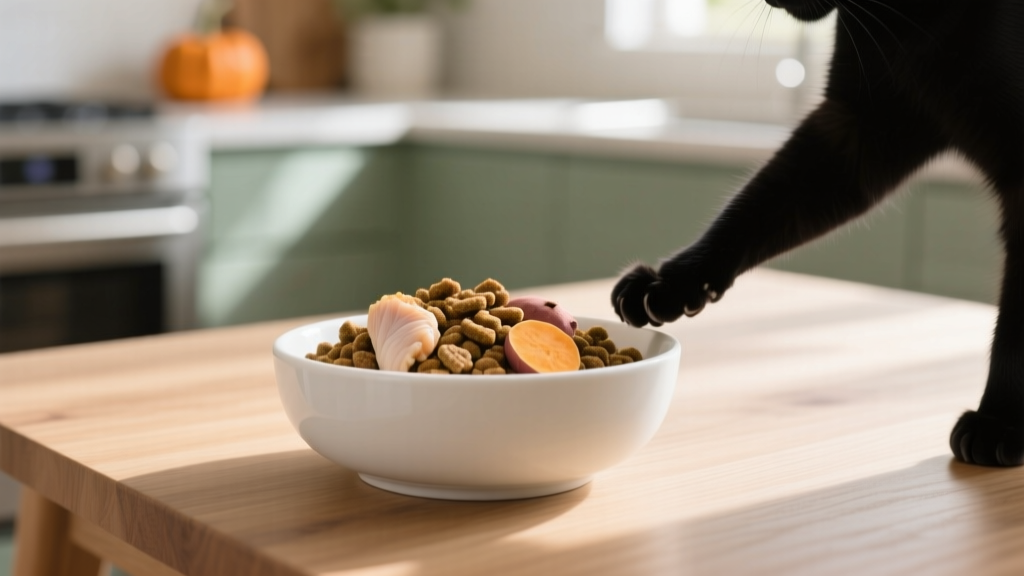
Fish isn’t automatically bad, but some fish-heavy diets can have different mineral profiles, and some cats do better with variety. If your cat has urinary issues, choose diets with a strong track record for urinary support (including veterinary diets when prescribed) rather than selecting protein sources based on fear alone. Your vet can help match the diet to the specific stone/crystal history.
Is dry food the reason cats get urinary crystals?
Dry food isn’t the only cause, but dry-only feeding can make it harder for many cats to take in enough water, leading to more concentrated urine. Many cats benefit from adding wet food or other hydration strategies. Some cats do well on dry urinary veterinary diets, but moisture is still worth prioritizing.
Can I give magnesium supplements for muscle cramps or anxiety?
Don’t supplement magnesium without veterinary direction. Excess supplementation can affect mineral balance and urinary chemistry, and it may be risky for cats with kidney disease. If you suspect pain, cramps, or anxiety, your vet should evaluate the underlying cause first.
How will I know if my cat’s urinary diet is working?
Signs like easier urination and fewer flare-ups are helpful, but objective monitoring matters. Your veterinarian may recommend follow-up urinalysis to assess urine specific gravity (concentration), pH, and crystal presence. For cats with stone history, imaging may be recommended as well.
What’s the single best thing I can do at home?
Increase water intake in a way your cat will actually maintain: more wet food, adding water to meals, fountains, and multiple water stations. Pair that with a complete-and-balanced diet appropriate for your cat’s medical history, and involve your veterinarian if urinary signs appear.
Magnesium plays a real role in urinary chemistry, but it’s rarely the lone villain—and “low magnesium” is not a complete urinary strategy. The most reliable path is a hydration-forward feeding plan, a well-formulated diet, and veterinary guidance tailored to your cat’s specific urinary history.
For more practical, vet-aligned feeding guidance, explore the nutrition library on catloversbase.com and build a plan that supports your cat from bowl to litter box.