Cat Food Steam Pelleting: Alternative to Extrusion
1) Why this topic matters for cat health
Dry cat food is convenient, shelf-stable, and widely available—but how it’s made can influence nutrient retention, digestibility, texture, and even how quickly your cat eats it. Most dry foods are produced by extrusion, a high-temperature, high-pressure process that creates the familiar puffed kibble shapes. A lesser-known alternative is steam pelleting, a process used commonly in livestock feeds and increasingly discussed for pet foods as brands look for different textures, processing profiles, and ingredient flexibility.
For cat owners trying to choose the best diet, understanding steam pelleting vs. extrusion helps you ask the right questions: How is the food cooked? How are nutrients protected? What does the finished kibble mean for hydration, dental health claims, and portion control? Processing method isn’t the only factor in quality, but it can affect how a formula performs in real cats—especially kittens, seniors, and cats with sensitive digestion.
2) Scientific background: feline nutritional needs
Cats are obligate carnivores, meaning their metabolism is adapted to a prey-based diet. This has practical implications for any processed food—pelleted or extruded.
- High protein requirement: Cats use amino acids for energy more continuously than many omnivores. They need adequate total protein and high-quality animal-based amino acid profiles.
- Essential amino acids: Taurine is critical for heart and eye health; arginine is essential for ammonia detoxification. Deficiencies can be severe.
- Fat and essential fatty acids: Cats need fats for energy and absorption of fat-soluble vitamins. Arachidonic acid is essential.
- Limited carbohydrate need: Cats can digest starch when cooked, but they don’t have a nutritional requirement for dietary carbohydrate.
- Water needs: Cats naturally have a lower thirst drive. Dry diets (typically ~6–10% moisture) can be associated with lower total water intake compared with wet diets, which matters for urinary health in some cats.
- Micronutrient precision: Calcium, phosphorus, vitamin D, iodine, and others must be tightly controlled—especially for kittens and cats with kidney or urinary issues.
Processing affects how nutrients behave. Heat, moisture, and pressure can change protein structure, gelatinize starch (improving digestibility), and reduce certain heat-sensitive vitamins unless manufacturers replace them with vitamin/mineral premixes and apply post-processing coatings.
3) Steam pelleting explained (and how it differs from extrusion)
What is steam pelleting?
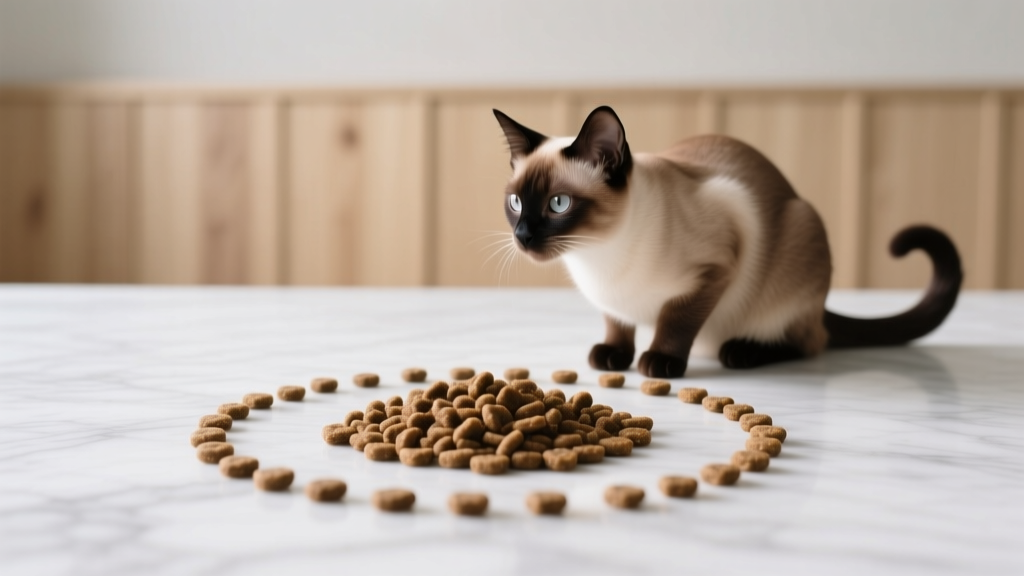
Steam pelleting generally involves mixing ground ingredients, conditioning them with steam (adding heat and moisture), and then forcing the mash through a die to form dense pellets. The pellets are then dried and cooled. In pet food, pellets may be shaped and sometimes coated with fats/palatants afterward, similar to many dry foods.
What is extrusion?
Extrusion mixes ingredients into a dough, applies high heat and pressure, and forces it through a die. When it exits, rapid pressure drop “puffs” the product. Extrusion can create many shapes and textures and often produces a more expanded kibble.
Why the processing difference matters
Steam pelleting typically produces a denser, less expanded piece than extrusion. That can change:
- Calorie density per cup (dense pieces may pack more calories into the same volume)
- Crunch and fracture pattern (relevant to palatability and dental claims)
- Surface area for coatings (which can influence aroma, palatability, and fat distribution)
- Starch gelatinization and digestibility (dependent on time, temperature, moisture, grind size)
Evidence-based perspective: processing is not automatically “good” or “bad”
Veterinary nutrition science supports evaluating a diet by its nutrient profile, digestibility, safety controls, and feeding outcomes rather than assuming one processing method is superior. Both extrusion and pelleting can produce complete-and-balanced foods when formulated properly and when quality control is strong.
Where steam pelleting can be attractive is in potentially using different ingredient mixes, creating a more compact kibble, and sometimes applying lower mechanical shear compared with extrusion. Where extrusion excels is consistent production of highly palatable shapes/textures, broad manufacturing experience in pet food, and reliable starch cooking when correctly executed.
4) Detailed analysis: benefits and tradeoffs for cats
| Factor | Steam Pelleting (general tendencies) | Extrusion (general tendencies) |
|---|---|---|
| Texture & density | Denser, less expanded pellets; can be harder | More expanded “puffed” kibble; wide texture options |
| Calorie per cup | May be higher due to density (varies by formula) | Often lower per cup if more expanded (varies) |
| Starch cooking | Depends on steam conditioning time/temperature; may require careful formulation | Typically strong starch gelatinization due to heat/pressure |
| Nutrient losses from heat | Can still occur; depends on temperatures and drying | Can occur; high heat/pressure may increase risk for sensitive nutrients |
| Palatability | Often relies heavily on coatings and recipe; can be excellent | Often very palatable due to texture + coatings |
| Dental claims | Hardness alone doesn’t mean dental benefit; needs tested kibble design | Some kibbles are engineered for dental effect; look for VOHC seal |
| Manufacturing familiarity in pet food | Less common in mainstream cat kibble; varies by producer | Most common for dry pet foods; widespread expertise |
Digestibility and stool quality
Cats generally digest animal proteins and fats well. For dry foods, starch must be cooked to be digestible; both extrusion and pelleting can accomplish this when done correctly. If a pelleted food is poorly conditioned (insufficient cooking), some cats may show:
- looser stools
- more gas
- increased stool volume
Those signs can also occur from ingredient intolerance, fiber levels, sudden diet changes, or overfeeding—so it’s not a “pellet vs. extruded” diagnosis by itself.
Palatability and picky eaters
Many cats choose food based on smell and mouthfeel. A denser pellet may feel different to chew than expanded kibble. Some cats love it; others reject it. Manufacturers often apply palatants/fats after drying. If a pelleted diet seems less appealing, warming it slightly or adding measured moisture may help (while keeping food safety in mind).
Weight management implications
The most practical difference many owners notice is portioning. If a pelleted kibble is denser, a “cup” can deliver more calories than expected. That matters because many cats are overweight, and calorie creep happens fast. Whatever the processing method:
- Use the kcal/cup (or kcal/kg) from the label or manufacturer.
- Weigh food with a kitchen scale for accuracy.
Urinary and hydration considerations
Steam pelleting does not change the fundamental issue that dry foods are low in moisture. Cats prone to urinary crystals, idiopathic cystitis, or constipation often do better with strategies that increase water intake. That can include more wet food, adding water to meals, and encouraging drinking—always guided by your veterinarian, especially if your cat has had urinary obstruction.
5) Practical recommendations for cat owners
- Prioritize “complete and balanced” nutrition that meets AAFCO (or FEDIAF) for your cat’s life stage.
- Ask the manufacturer questions:
- Do you employ a qualified nutritionist (DACVIM Nutrition / ECVCN or PhD animal nutritionist)?
- Do you conduct feeding trials or only formulate to meet profiles?
- What quality-control testing is done (mycotoxins, pathogens, nutrient verification)?
- What is the calorie content (kcal/cup or kcal/kg)?
- Evaluate your cat’s response: coat quality, stool quality, stable energy, healthy weight, and enthusiasm for meals.
- Use pellets strategically: if your cat tends to bolt food, a different piece density/shape may slow eating slightly, but puzzle feeders are usually more reliable.
- Hydration plan: if feeding any dry diet (pelleted or extruded), build in water support via fountains, multiple bowls, and optional water added to meals if your cat accepts it.
For diet changes related to health conditions (kidney disease, urinary disease, diabetes, GI disorders, food allergies), consult your veterinarian before switching foods.
6) Common mistakes and misconceptions to avoid
- Myth: “Pelleted food is automatically less processed and therefore healthier.”
Fact: Pelleting still involves grinding, heat, moisture, drying, and often coatings. Healthfulness depends on formulation, digestibility, and quality control. - Myth: “Harder kibble cleans teeth.”
Fact: Most kibble shatters and provides limited dental benefit. Look for products with a VOHC (Veterinary Oral Health Council) seal if dental support is the goal, and rely on brushing/approved dental treats where appropriate. - Mistake: Measuring by volume only.
Denser pellets can deliver more calories per scoop. Use kcal information and consider weighing portions. - Mistake: Switching foods abruptly.
Sudden changes commonly cause vomiting, diarrhea, or food refusal—regardless of processing method. - Myth: “Cats need grain-free, and pelleting makes grain-free safer.”
Fact: Grain-free is not inherently better for cats; what matters is overall nutrient balance, protein quality, and digestibility. Safety depends on sourcing and testing, not whether it was pelleted or extruded.
7) How to implement changes safely (transition tips)
If you’re moving from an extruded kibble to a steam-pelleted diet (or vice versa), use a gradual transition over 7–14 days. Slower is better for sensitive cats.
| Day | Old Food | New Food |
|---|---|---|
| 1–3 | 75% | 25% |
| 4–6 | 50% | 50% |
| 7–9 | 25% | 75% |
| 10+ | 0% | 100% |
- Monitor stool: mild softening can happen; persistent diarrhea, blood, repeated vomiting, or lethargy warrants a vet call.
- Track calories: look up kcal/cup (or kcal/kg) and adjust portions to maintain ideal body condition.
- Keep treats consistent during the transition so you can interpret any GI changes accurately.
- For multi-cat homes: feed separately if one cat needs a controlled transition or calorie restriction.
8) Special considerations (age, health conditions, activity level)
- Kittens: Need growth formulas with appropriate energy density, DHA (often from fish oil/algal sources), and correct calcium/phosphorus balance. Choose diets labeled for growth or all life stages. Ask your vet before using boutique or unconventional processing claims as the main reason to choose a kitten food.
- Adult indoor cats: Many benefit from portion control and higher protein with moderate fat. If choosing a dense pelleted kibble, pay extra attention to calories per cup and consider puzzle feeders.
- Seniors: Older cats may have dental disease, reduced smell, or kidney concerns. Texture matters—some seniors dislike hard pellets. For chronic kidney disease, use a veterinary therapeutic diet if recommended; processing method is secondary to controlled phosphorus and tailored protein.
- Overweight cats: Weight loss requires calorie control and a plan. A denser pellet can unintentionally increase calorie intake if measured by volume. Work with your veterinarian on a target weight and safe weekly weight-loss rate.
- Diabetes: Many diabetic cats do well with low-carbohydrate wet diets, but individual plans vary. Don’t switch foods without veterinary guidance because insulin needs can change quickly.
- Food sensitivities / IBD: Novel protein or hydrolyzed veterinary diets are often used. Switching to a new processing method won’t reliably solve an allergy; ingredient control and veterinary oversight matter most.
- Urinary tract issues: For recurrent crystals or cystitis, therapeutic urinary diets can be life-changing. Moisture intake is key. Ask your vet before selecting any dry diet based on processing alone.
9) FAQ
Is steam-pelleted cat food healthier than extruded kibble?
Not automatically. Either method can produce a nutritionally complete food or a poor one. Evaluate the formula (protein/fat/carbohydrate balance, minerals), life-stage suitability, quality-control practices, and how your cat does on it. Your veterinarian can help interpret these factors for your cat’s needs.
Does steam pelleting preserve more nutrients?
It can, depending on temperatures, moisture, and time—yet both pelleted and extruded foods typically rely on premixes and post-processing additions to meet vitamin requirements. The best indicator is manufacturer nutrient verification and feeding performance, not the processing label alone.
Will pelleted kibble help clean my cat’s teeth?
Most dry foods, pelleted or extruded, don’t clean teeth meaningfully unless specifically designed and tested for dental benefit. Look for the VOHC seal, and talk with your vet about brushing, dental diets, and professional cleanings.
Can I mix steam-pelleted and extruded foods?
Yes, if both are complete-and-balanced and your cat tolerates them. Mixing can complicate calorie tracking and may increase picky behavior in some cats. If your cat has a medical condition requiring a therapeutic diet, ask your vet before mixing foods.
Why does my cat eat pelleted food faster (or slower)?
Piece density, size, and crunch can change eating speed. If fast eating causes vomiting, use a puzzle feeder, spread food on a lick mat designed for cats, offer smaller meals, and discuss recurrent vomiting with your veterinarian.
Should I switch my cat to a pelleted diet if I feed dry food?
Switch if the new diet is complete-and-balanced, fits your cat’s life stage and health needs, and your cat maintains a healthy weight with good stools and coat quality. If you’re switching to address a health issue (urinary signs, weight gain, GI problems), involve your veterinarian first.
Bottom line for cat owners: Steam pelleting is a legitimate alternative way to make dry cat food, but it’s not a shortcut to better nutrition. Focus on species-appropriate nutrient targets, proven quality control, and your cat’s individual response—and consult your veterinarian for any significant diet change, especially for kittens and cats with medical conditions.
If you want more practical, science-based feeding guidance, explore the nutrition guides and cat food explainers on catloversbase.com.