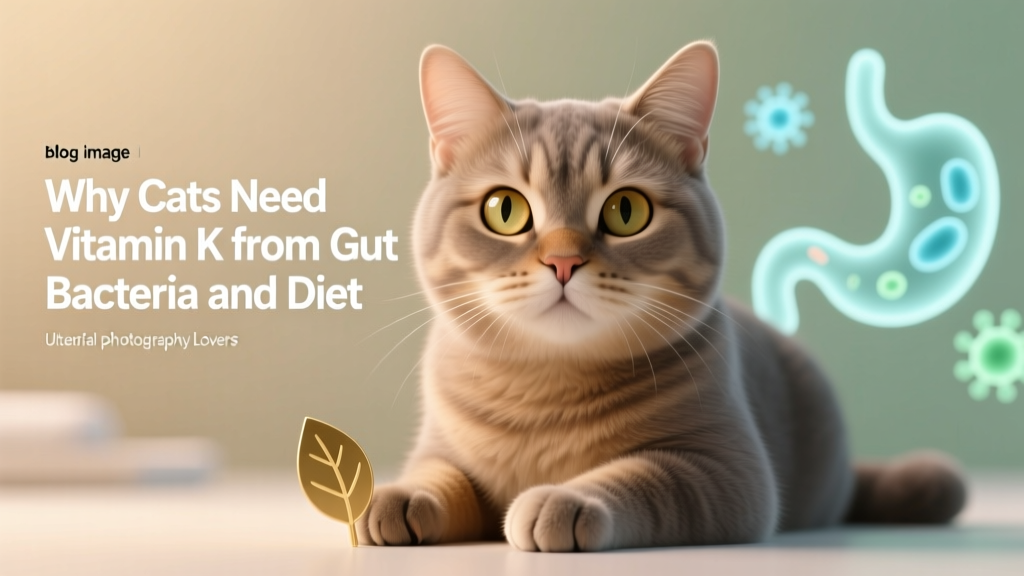
Why Cats Need Vitamin K From Gut Bacteria and Diet
1) Why this nutrition topic matters for cat health
Vitamin K is best known for its role in normal blood clotting, but in cats it also supports bone metabolism and healthy tissue function. A true vitamin K deficiency is not common in healthy, adult cats eating a complete and balanced diet, yet when it happens it can be life-threatening because it increases the risk of uncontrolled bleeding. What makes vitamin K tricky for cat owners is that it comes from two places: the diet and the intestinal bacteria that produce certain forms of vitamin K. Cats can’t always rely on gut production alone, especially if something disrupts the microbiome or reduces absorption of fat-soluble vitamins.
Understanding where vitamin K comes from, what can interfere with it, and how to feed for adequate intake helps owners make safer diet choices—particularly when using raw or homemade diets, managing gastrointestinal disease, or when a cat is on medications that affect the gut.
2) Scientific background on feline nutritional needs (obligate carnivore biology)
Cats are obligate carnivores with metabolic adaptations that make them dependent on animal-based nutrients. Compared with omnivores, cats have:
- High protein requirements and limited ability to downregulate protein metabolism.
- Specific micronutrient needs that are naturally met in prey (taurine, preformed vitamin A, arachidonic acid).
- Digestive physiology built for animal fat and protein, though fat digestion still depends on bile flow and pancreatic enzymes—key for absorbing fat-soluble vitamins like A, D, E, and K.
Vitamin K is fat-soluble. That means adequate dietary fat, normal bile secretion, and healthy intestinal absorption are required for the body to use it. Problems affecting the liver, gallbladder, pancreas, or small intestine can lower absorption—even if the diet contains enough vitamin K.
3) Detailed analysis: vitamin K, gut bacteria, and diet (evidence-based)
What vitamin K does in cats
Vitamin K enables the activation of several proteins involved in normal coagulation (clotting). Without sufficient vitamin K, the body may produce clotting factors that are present but not functional. Clinically, this can show up as:
- Bruising, petechiae (tiny red/purple spots)
- Nosebleeds or bleeding gums
- Blood in urine or stool
- Weakness, pale gums (from blood loss)
- Internal bleeding (potentially sudden and severe)
Vitamin K also participates in activating proteins involved in bone mineralization. Research across species links vitamin K-dependent proteins (like osteocalcin) with bone health; cats with chronic malabsorption or liver disease may be at higher risk for multi-nutrient deficiencies that include vitamin K.
Vitamin K forms: K1, K2, K3—what matters for cats
| Form | Common name | Main source | Notes for cat owners |
|---|---|---|---|
| K1 | Phylloquinone | Diet (plants; also present in animal tissues depending on diet) | Often used in veterinary treatment for anticoagulant rodenticide exposure. In pet foods, adequate vitamin K activity is typically supplied by formulation. |
| K2 | Menaquinones (MKs) | Gut bacteria; some animal/fermented foods | Gut production may contribute, but cannot be assumed to meet needs if the microbiome is disrupted or absorption is impaired. |
| K3 | Menadione | Synthetic | Historically used in some feeds; safety and appropriateness depend on formulation and regulatory guidance. Don’t supplement without veterinary direction. |
How cats get vitamin K from gut bacteria
Many mammals host intestinal bacteria capable of producing menaquinones (vitamin K2 forms). In theory, this microbial contribution can help support vitamin K status. In practice, several factors limit how much a cat can rely on this:
- Site of production vs. site of absorption: Vitamin K absorption is most efficient in the small intestine along with dietary fat. Some bacterial vitamin K is produced more distally, where absorption may be less efficient.
- Microbiome variability: The composition of gut bacteria differs by individual cat, diet type, stress, illness, and medications.
- Antibiotics and dysbiosis: Broad-spectrum antibiotics can reduce bacterial populations that produce menaquinones, potentially lowering vitamin K contribution.
- Malabsorption states: Even if bacteria produce vitamin K, fat malabsorption or bile flow issues can reduce uptake.
Dietary vitamin K: what provides it for cats
Cats don’t eat salads. While vitamin K1 is abundant in leafy greens, cats typically receive vitamin K activity through:
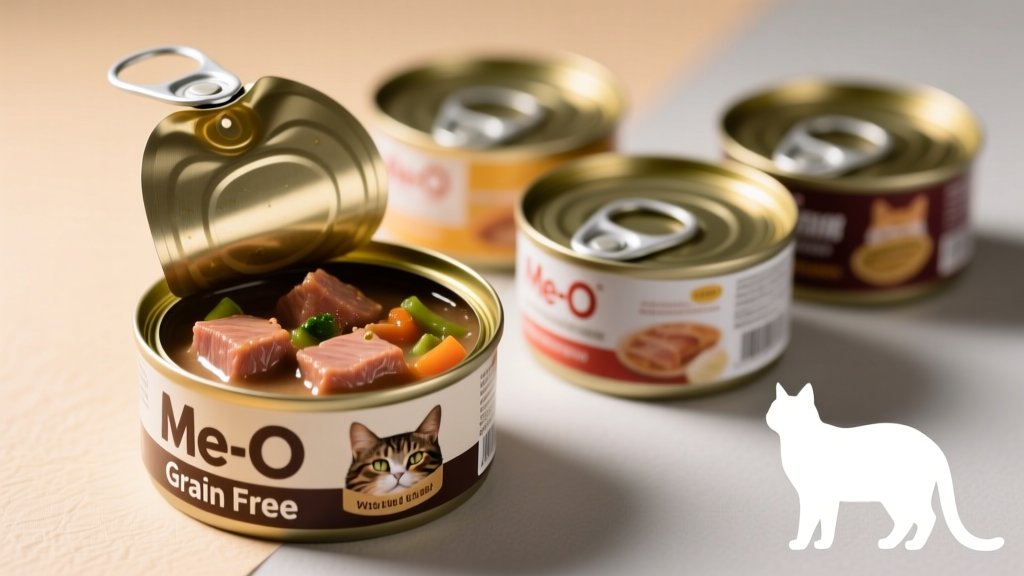
- Complete and balanced commercial cat foods (formulated to meet recognized nutrient standards and stability needs)
- Animal ingredients that contain vitamin K (levels vary)
- Supplementation within the food as part of a properly designed recipe
For owners feeding homemade or raw diets, vitamin K becomes a “quiet” nutrient: easy to overlook because deficiency is uncommon—until a cat is sick, on medication, or the recipe is imbalanced.
When vitamin K deficiency happens: the big three causes
| Cause | Why it affects vitamin K | Common examples | What owners might notice |
|---|---|---|---|
| Anticoagulant rodenticide exposure | These toxins block vitamin K recycling in the body | Second-generation rat poisons (very potent); ingestion of bait or poisoned rodents | Bleeding/bruising, lethargy, pale gums, breathing difficulty from bleeding into chest |
| Fat malabsorption / reduced bile flow | Vitamin K is fat-soluble; needs bile and healthy intestine | Cholestasis, liver disease, pancreatitis, inflammatory bowel disease, chronic diarrhea | Weight loss, greasy stool, chronic GI signs plus possible bruising/bleeding |
| Microbiome disruption | Less bacterial production of menaquinones | Long courses of antibiotics, severe GI illness, abrupt diet changes | GI upset; rarely bleeding unless combined with low intake/poor absorption |
What “adequate” looks like
For the average healthy adult cat, the simplest way to ensure adequate vitamin K activity is feeding a commercial diet labeled complete and balanced for the cat’s life stage, or a home-prepared diet formulated by a veterinary nutritionist. Vitamin K requirements are typically met within balanced formulations; deficiencies are more likely when owners:
- Feed unbalanced homemade diets (meat-only, “frankenprey” without a complete recipe)
- Use raw diets without professional formulation and quality control
- Rely heavily on treats or toppers that displace balanced food
- Have cats with GI/liver/pancreatic disease that reduces absorption
4) Practical recommendations for cat owners
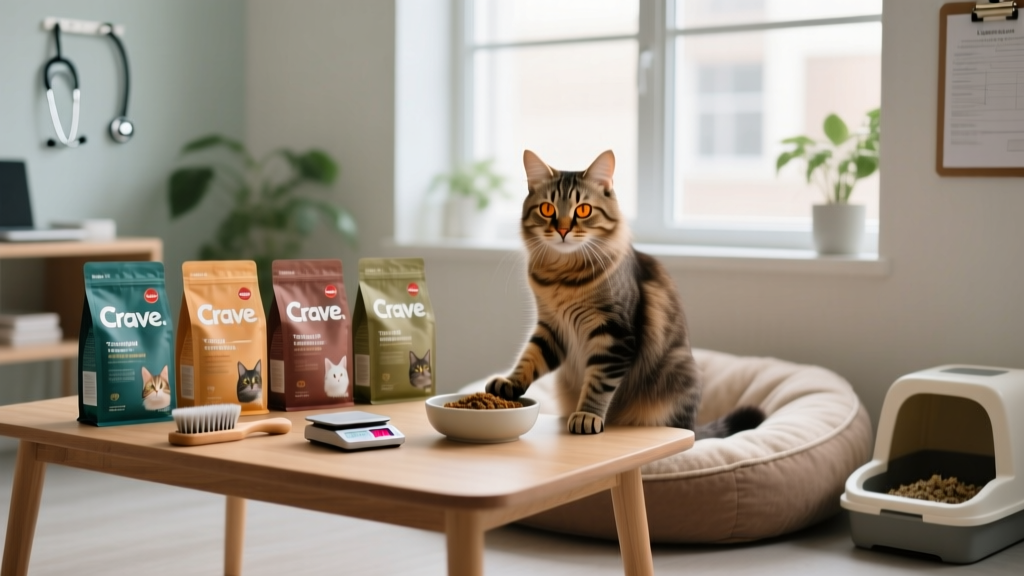
- Choose “complete and balanced” as the baseline. Look for a statement that the food is complete and balanced for your cat’s life stage (kitten/growth, adult maintenance, or all life stages).
- Be cautious with homemade and raw. If you want to feed homemade, work with your veterinarian and ideally a board-certified veterinary nutritionist to create a recipe that covers all micronutrients, including vitamin K activity.
- Limit treat calories. Keep treats to about 10% or less of daily calories so you don’t dilute vitamin and mineral intake.
- Support gut health with consistency. Avoid frequent abrupt diet switches. Sudden changes can cause diarrhea and microbiome disruption that may reduce nutrient absorption.
- Act fast for bleeding signs. Any unexplained bruising, bleeding, pale gums, or sudden weakness is an emergency—contact a veterinarian immediately.
Do not give over-the-counter vitamin K supplements unless your veterinarian directs you. The correct form, dose, and duration depend on the cause (for example, rodenticide exposure often requires prolonged prescription vitamin K1 therapy and monitoring).
5) Comparison of options/products/approaches
| Approach | Pros | Cons/Risks | Best fit |
|---|---|---|---|
| Commercial complete & balanced (wet or dry) | Reliable micronutrient coverage; convenient; quality control | Individual tolerance varies; some cats need therapeutic diets | Most healthy cats; owners wanting simplicity and consistency |
| Veterinary therapeutic diets (GI/liver/pancreatic support) | Designed for specific medical needs; may improve absorption and stool quality | Cost; requires veterinary guidance | Cats with chronic diarrhea, liver disease, pancreatitis, IBD (as advised by vet) |
| Home-cooked diet formulated by a veterinary nutritionist | Customization; ingredient control; can be designed around disease needs | Requires precise recipe, supplements, and compliance | Owners committed to weighing ingredients and following a validated recipe |
| Unformulated homemade/raw (internet recipes, meat-only, “prey model” without analysis) | Perceived “natural” appeal | High risk of nutrient imbalance; food safety concerns; unpredictable vitamin K adequacy | Not recommended without professional formulation and safety protocols |
6) Common mistakes and misconceptions to avoid
- Myth: “Cats don’t need vitamins if they eat meat.”
Reality: Cats need specific vitamins and minerals in defined ranges. Meat-only diets can be unbalanced (not just for vitamin K, but also calcium, vitamin A, iodine, and more). - Myth: “Gut bacteria will supply all the vitamin K a cat needs.”
Reality: Microbial vitamin K contribution is variable and can be reduced by antibiotics, GI disease, and malabsorption. Diet still matters. - Myth: “If a little vitamin K is good, more is better.”
Reality: Supplementing without medical oversight can create unintended interactions, mask disease, or cause dosing errors. Treat the cause, not just the nutrient. - Mistake: Overusing antibiotics without follow-up.
Antibiotics can be lifesaving, but unnecessary or prolonged use can disrupt the microbiome. Always use them exactly as prescribed and report ongoing diarrhea to your vet. - Mistake: Letting treats/toppers displace balanced food.
A cat living on mostly treats, tuna, or table scraps can end up with micronutrient gaps over time.
7) How to implement changes safely (transition tips)
Any diet change should be gradual to protect your cat’s digestive tract and reduce refusal. A practical transition schedule:
| Days | Old Food | New Food |
|---|---|---|
| 1–2 | 75% | 25% |
| 3–4 | 50% | 50% |
| 5–6 | 25% | 75% |
| 7+ | 0% | 100% |
- Go slower if your cat has a sensitive stomach or a history of diarrhea—stretch transitions to 10–14 days.
- Track stool quality (frequency, consistency, blood/mucus). Contact your veterinarian if diarrhea lasts more than 24–48 hours, if there’s blood, or if your cat is lethargic.
- Avoid sudden “detox” switches (especially to raw). The gut microbiome adapts over time.
If your cat is being treated for suspected vitamin K deficiency or rodenticide exposure, do not change foods or add supplements without your veterinarian’s approval—treatment protocols and monitoring matter.
8) Special considerations (age, health conditions, activity level)
- Kittens: Rapid growth increases nutrient sensitivity. Feed a kitten/growth-labeled complete and balanced diet. Avoid homemade diets unless formulated specifically for growth by a veterinary nutrition professional.
- Seniors: Older cats more commonly develop chronic disease (kidney, GI, liver) that can alter absorption and appetite. Regular veterinary checkups help catch issues before nutrient deficiencies develop.
- Cats with GI disease (IBD/chronic enteropathy): Malabsorption can reduce fat-soluble vitamin uptake. Your vet may recommend diagnostics, a novel protein or hydrolyzed diet, and targeted supplementation only if indicated.
- Liver/gallbladder disease or cholestasis: Reduced bile flow can impair absorption of vitamins A, D, E, and K. These cats should be managed closely by a veterinarian, often with a therapeutic diet.
- Pancreatitis or exocrine pancreatic insufficiency (rare in cats but possible): Fat digestion issues can interfere with absorption. Veterinary management is essential.
- Indoor vs. active cats: Activity level affects calorie needs more than vitamin K needs, but if calories are restricted for weight loss, it becomes even more important that the diet is nutrient-dense and complete and balanced.
9) FAQ
Can I give my cat vitamin K supplements “just in case”?
Not recommended. Vitamin K supplementation should be guided by a veterinarian because the form (often vitamin K1 for toxin exposure), dose, and duration vary by cause. Unnecessary supplementation can complicate diagnosis and may not address the underlying problem.
Do antibiotics cause vitamin K deficiency in cats?
They can contribute by disrupting gut bacteria that produce menaquinones (vitamin K2 forms), but deficiency is still uncommon in otherwise healthy cats eating a balanced diet. Risk rises if the cat also has poor intake, chronic diarrhea, liver disease, or fat malabsorption. If your cat develops bruising or bleeding, seek urgent veterinary care.
Is vitamin K found in cat food, even though cats don’t eat plants?
Yes. Complete and balanced cat foods are formulated to provide necessary vitamins and minerals. Vitamin K activity can come from ingredients and/or added vitamin sources as part of the recipe design.
What are the warning signs of vitamin K problems?
Unexplained bruising, bleeding from gums or nose, blood in stool or urine, pale gums, weakness, coughing or breathing difficulty (possible internal bleeding), or sudden collapse are emergencies. Contact a veterinarian or emergency clinic immediately.
Is raw feeding better for vitamin K because it’s “natural”?
Not automatically. Raw diets vary widely in formulation and quality control, and unbalanced raw diets can be deficient in multiple nutrients. If you want to feed raw or homemade, consult a veterinarian and ideally a veterinary nutritionist to ensure complete nutrient coverage and safe food-handling practices.
If my cat eats prey (mice), does that cover vitamin K?
Occasional hunting doesn’t guarantee nutritional completeness and carries risks (parasites, toxins, secondary poisoning). It’s safer to rely on a complete and balanced diet and treat prey ingestion as an exposure risk to discuss with your veterinarian.
For the best results, pair smart nutrition choices with regular veterinary checkups—especially if your cat has GI signs, is on antibiotics, or you’re considering a homemade diet. Explore more cat nutrition guides and practical feeding tips on catloversbase.com.