Why Cats Prefer Food With Sardinia Oil Drizzle
1) Why this nutrition topic matters for cat health
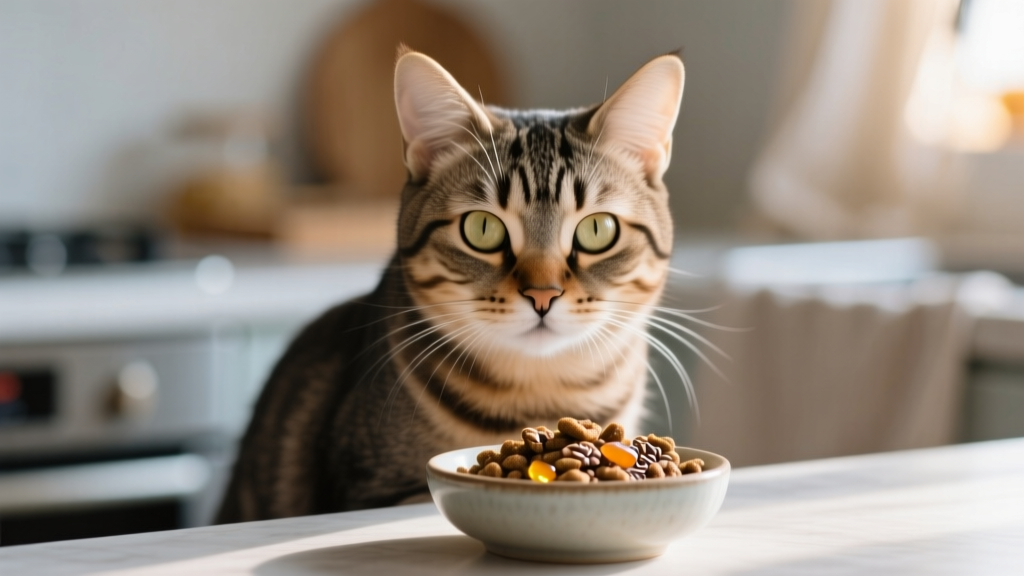
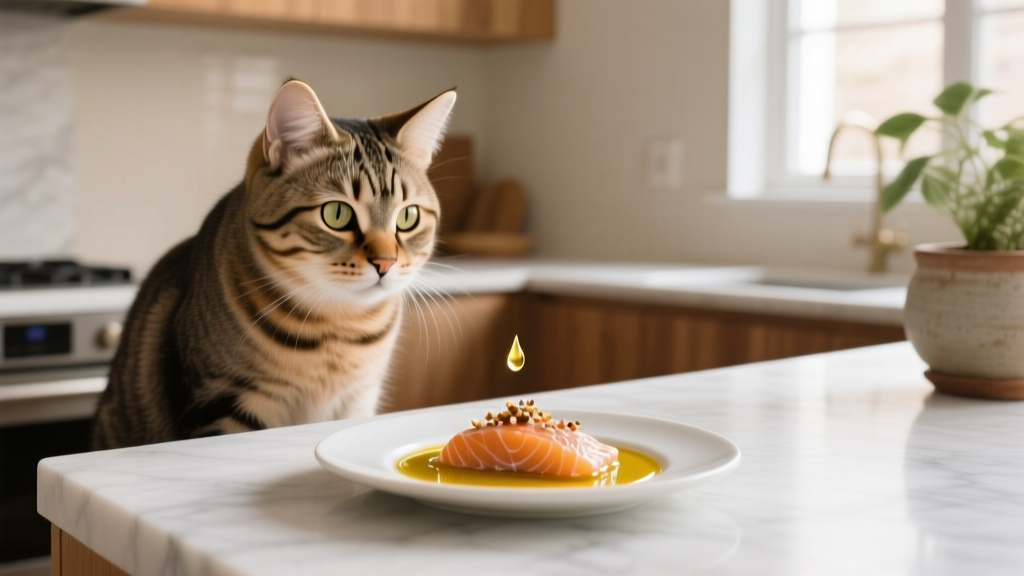
Many cat owners notice the same pattern: a picky cat suddenly becomes enthusiastic when a meal has a glossy, fishy “drizzle” on top. Sardinia oil (oil derived from sardines) is commonly used as a topper because it can boost aroma, flavor, and mouthfeel—three factors that strongly influence feline food acceptance. Appetite, though, is only part of the story.
When used thoughtfully, sardinia oil can support overall nutrition by adding marine omega-3 fatty acids that may benefit skin, coat, and inflammatory balance. When used carelessly, extra oil can add unnecessary calories, unbalance the diet, worsen digestive issues, or even contribute to nutrient excesses if the product isn’t appropriate for cats.
This guide explains why cats often prefer foods with sardinia oil drizzle, how it fits into feline nutritional science, and how to use it safely as part of a complete, veterinarian-informed feeding plan.
2) Scientific background: feline nutritional needs and obligate carnivore biology
Cats are obligate carnivores. Their metabolism, digestive physiology, and nutrient requirements are adapted for a diet based on animal tissues rather than plants. Several key points help explain why strong-smelling animal fats and oils are so compelling to cats:
- High protein requirement: Cats need higher dietary protein than dogs because they continuously use amino acids for energy and have limited ability to downregulate protein catabolism.
- Specific essential nutrients from animal sources: Cats require taurine, preformed vitamin A (retinol), arachidonic acid, and certain B vitamins in forms and amounts best supplied by animal ingredients.
- Fat is a major driver of palatability: Fats carry aroma compounds and improve texture. Cats commonly prefer higher-fat foods (within healthy limits).
- Smell matters more than taste: Cats have fewer taste buds than humans. Aroma and temperature often determine acceptance more than “flavor” as we think of it.
Marine oils also contribute omega-3 fatty acids (notably EPA and DHA). These are not “required” in the same way as taurine, but they are widely used in veterinary nutrition because they can support skin and coat quality and help modulate inflammatory pathways.
3) Detailed analysis: why sardinia oil makes food more appealing (and when it helps nutrition)
3.1 Palatability: aroma, taste cues, and texture
Sardinia oil is intensely aromatic. Cats often prefer foods that smell like fresh animal fat or fish because these odors align with prey-based feeding cues. A small amount of fish oil can:
- Increase odor intensity: Especially helpful for cats with reduced smell (common in upper respiratory infections or older cats).
- Improve mouthfeel: Oil can make food feel richer and smoother, increasing acceptance of pates or dry kibble.
- Enhance novelty: A drizzle changes the sensory profile without changing the base diet.
3.2 Nutrition: omega-3s (EPA/DHA) and potential benefits
Sardines are a marine source of long-chain omega-3 fatty acids, mainly EPA (eicosapentaenoic acid) and DHA (docosahexaenoic acid). In cats, EPA/DHA are commonly used to support:
- Skin and coat: Dry skin, excessive shedding, and dandruff can sometimes improve with omega-3 support when the overall diet is complete and balanced.
- Inflammatory balance: Omega-3s can influence eicosanoid production and inflammatory signaling. They may be used as part of veterinary plans for certain inflammatory conditions.
- Joint comfort and mobility support: Often included in senior diets or therapeutic diets, though results vary by individual and underlying condition.
That said, omega-3s are not a substitute for a balanced diet, proper hydration, appropriate calorie intake, or veterinary care. They are a “supportive” nutrient strategy.
3.3 Why sardinia oil (specifically) is often chosen
Fish oils vary. Sardine-based oils are popular because sardines are generally smaller fish, which often correlates with lower heavy metal accumulation compared with some larger predatory fish. Quality still depends on sourcing and testing.
| Reason cats respond well | What it means in the bowl | Health implication |
|---|---|---|
| Strong fish aroma | Cat approaches food, eats more readily | Helpful for picky cats; monitor for “topper dependency” |
| High palatability fat | Improved mouthfeel, less “dry” texture | Extra calories can add up quickly |
| EPA/DHA content | Nutritional “boost” vs. plain oils | May support skin/coat; must be dosed appropriately |
| Often well-tolerated in small amounts | Easy to add gradually | Too much can cause diarrhea or vomiting |
3.4 Downsides and risks: calories, GI upset, oxidation, and nutrient imbalance
“More” is not better with oils. The most common problems seen when owners add fish oil toppers freely include:
- Calorie creep: Oils are calorie-dense. Even small pours can meaningfully increase daily energy intake and contribute to weight gain.
- Digestive upset: Loose stool, vomiting, or pancreatitis risk in susceptible cats may be worsened by high-fat additions.
- Oxidation (rancidity): Fish oils oxidize easily, especially with heat, light, and air exposure. Rancid oils can smell “extra fishy” but are not healthier.
- Unbalanced diet: If a topper displaces too much complete-and-balanced food, vitamin/mineral intake can drop below requirements.
- Potential contaminants: Quality matters. Choose products that are purified and tested for heavy metals and PCBs.
For cats with chronic disease or those on therapeutic diets, adding oil should be discussed with a veterinarian because even small changes can interfere with a carefully designed nutrition plan.
4) Practical recommendations for cat owners
If your goal is to improve appetite or add omega-3 support, the safest approach is to treat sardinia oil as a controlled supplement, not a free-pour flavor enhancer.
- Prioritize a complete-and-balanced base diet: Choose diets that meet AAFCO (or FEDIAF) standards for your cat’s life stage.
- Use a measured amount: Start with a very small amount and increase only if needed and tolerated. Your veterinarian can help set an appropriate EPA/DHA dose based on body weight and health status.
- Choose quality: Look for products that state purification/testing standards and provide EPA/DHA amounts per serving (not just “fish oil”).
- Store correctly: Keep tightly sealed, refrigerated if directed, and discard if smell changes significantly or the product is past its best-by date.
- Watch stool and appetite: Any vomiting, diarrhea, or reduced appetite after adding oil is a sign to stop and consult your vet.
5) Comparison of options: sardinia oil drizzle vs. other toppers
| Option | Best for | Pros | Cons/Cautions |
|---|---|---|---|
| Sardinia oil (measured drizzle) | Picky eaters; omega-3 support | Highly palatable; EPA/DHA source | Easy to overfeed; GI upset; quality varies |
| Veterinary omega-3 supplement (capsule/liquid) | Targeted dosing for health plans | Clear EPA/DHA labeling; often tested/purified | More expensive; still adds calories |
| Water from sardines (no salt added) | Hydration + aroma boost | Lower fat than oil; adds smell | Must avoid sodium/seasonings; not a complete nutrient source |
| Freeze-dried meat toppers | Protein-forward palatability | Usually low carb; strong meat aroma | Can unbalance diet if used heavily; varies by brand |
| Warm water or gentle warming of wet food | Boosting aroma without extra calories | Calorie-neutral; improves smell | May not work for very picky cats; avoid overheating |
6) Common mistakes and misconceptions to avoid
- Myth: “If my cat loves it, it must be healthy.”
Palatability is not a health indicator. Cats also love foods that are too salty, too fatty, or unbalanced. - Mistake: Free-pouring oil on every meal.
This can quickly increase calories and fat intake, increasing risk of weight gain and digestive upset. - Myth: “Fish oil prevents all skin and coat problems.”
Many coat issues are driven by parasites (fleas/mites), allergies, infection, grooming limitations, or underlying disease. Omega-3s can help some cases, but they’re not a cure-all. - Mistake: Using human flavored sardine products.
Sardines packed with salt, spices, garlic, onion, or sauces are not appropriate for cats. Onion/garlic can be toxic; excess sodium can be dangerous, especially in cats with heart or kidney concerns. - Myth: “Cats need fish every day.”
Cats need animal-based nutrition, but not necessarily fish daily. Many cats thrive on poultry- or beef-based complete diets without routine fish toppers.
7) How to implement changes safely (transition tips)
Cats can be sensitive to diet changes. If you want to add sardinia oil drizzle or switch to a food that contains it, aim for a slow, measured approach:
- Start small: Begin with a tiny amount mixed thoroughly into the food rather than poured on top. This reduces the risk of refusal when the topper isn’t present.
- Use a schedule: Offer the topper intermittently (for example, a few meals per week) unless your veterinarian recommends a specific daily omega-3 plan.
- Monitor stool and vomiting: Any change in stool quality, appetite, or energy should prompt you to pause and reassess.
- Maintain routine: Feed at consistent times and avoid offering multiple competing foods at once (a common cause of “picky eating” reinforcement).
- Keep base diet consistent: If you’re changing the main food, do a gradual transition over 7–10 days (or longer for sensitive cats), mixing increasing amounts of the new food into the old.
Safety note: Sudden appetite loss in cats can become serious quickly. If your cat stops eating, consult a veterinarian promptly to reduce risk of hepatic lipidosis (fatty liver disease), especially in overweight cats.
8) Special considerations: age, health conditions, and activity level
| Cat type | How sardinia oil may help | What to watch for |
|---|---|---|
| Kittens | May improve palatability during weaning/transition to wet food | Do not dilute a growth diet; keep toppers minimal; consult vet for dosing |
| Healthy adults | Occasional topper for picky phases; coat support | Weight gain from extra calories; avoid creating topper dependence |
| Seniors | Smell enhancement; possible joint/skin support | More likely to have kidney, GI, or metabolic disease—vet guidance is key |
| Overweight/obesity-prone cats | Better to use aroma tricks (warming food) than adding oil | Oils add concentrated calories; measure carefully or avoid |
| History of pancreatitis or chronic GI disease | Sometimes tolerated only in very small amounts, if at all | High-fat additions can trigger flare-ups; consult vet before use |
| On therapeutic diets (kidney, urinary, allergy, GI) | May or may not fit the plan | Toppers can undermine the diet’s nutrient profile—get veterinary approval |
If your cat has kidney disease, heart disease, clotting disorders, diabetes, chronic diarrhea, or is taking medications, consult your veterinarian before adding fish oil. Omega-3s can interact with certain conditions and treatment goals, and dosing matters.
9) FAQ
Is sardinia oil the same as fish oil?
Sardinia oil is a type of fish oil sourced from sardines. The key difference between products is not just the fish species but the EPA/DHA content, purity testing, and freshness. Choose products with clear labeling and quality controls, and ask your veterinarian for guidance.
How much sardinia oil should I drizzle on my cat’s food?
There is no one-size-fits-all amount because safe dosing depends on body weight, total diet, and health conditions. Start with a very small measured amount and discuss an appropriate EPA/DHA target with your veterinarian, especially if you’re using it for skin, joint, or inflammatory support.
My cat refuses food unless I add the drizzle. What should I do?
This is common “topper dependency.” Try mixing the oil into the food instead of topping, then gradually reduce the amount over time. You can also rotate calorie-neutral appetite boosters like warming wet food or adding a small amount of warm water for aroma.
Can I use canned sardines from my pantry?
Only with extreme caution. Many canned sardines are packed in salt or seasoned with ingredients that are unsafe for cats (like onion or garlic). If you use sardine products at all, choose plain, no-salt-added options with no flavorings, and keep amounts small. When in doubt, skip pantry fish and use a cat-specific supplement.
Does sardinia oil help with shedding and dandruff?
It can help some cats when shedding or dandruff is related to suboptimal fatty acid intake or skin inflammation. If the cause is fleas, allergies, infection, obesity limiting grooming, or an underlying medical issue, omega-3s alone won’t solve it. A veterinary exam is the fastest way to identify the real cause.
Can sardinia oil cause diarrhea or vomiting?
Yes. Rapid introduction or excessive amounts commonly cause GI upset. Stop the oil and contact your veterinarian if symptoms persist, are severe, or your cat becomes lethargic or stops eating.
Veterinary reminder: Any meaningful diet change or supplement plan should be reviewed with your veterinarian, particularly for kittens, seniors, and cats with medical conditions or on prescription diets.
If you want more practical, science-based feeding guidance, explore the nutrition guides and cat food strategies on catloversbase.com.