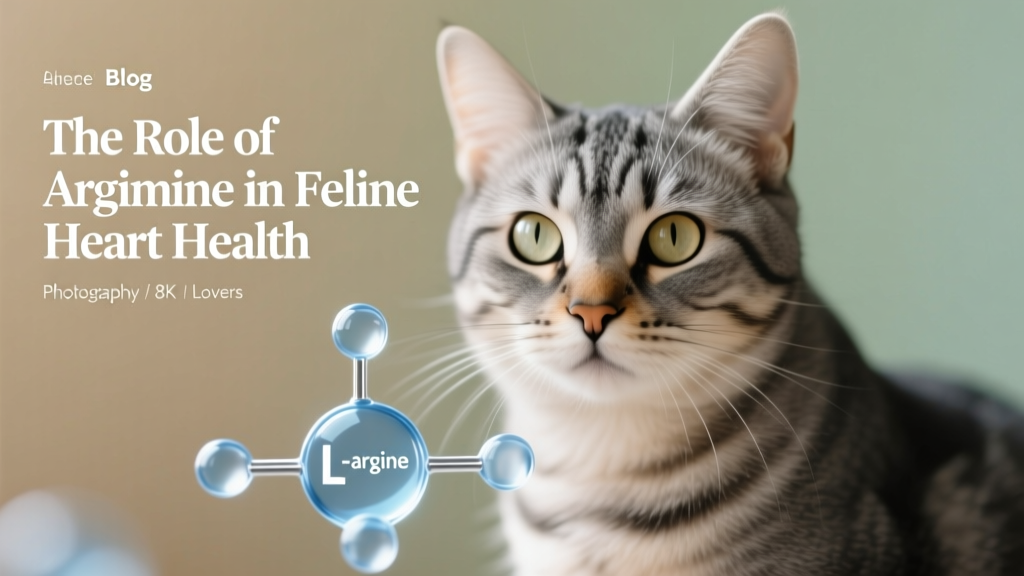
The Role of Arginine in Feline Heart Health
1) Why this nutrition topic matters for cat health
Arginine is one of the most critical amino acids in a cat’s diet, and it deserves special attention when you’re thinking about heart health, circulation, and overall vitality. Unlike many omnivores, cats have a very limited ability to adapt their amino acid metabolism to low-protein diets. That means missing key amino acids isn’t just “suboptimal”—it can become dangerous quickly.
For cat owners, arginine matters for two big reasons:
- Immediate metabolic safety: Cats need arginine to detoxify ammonia through the urea cycle. A meal lacking arginine can cause rapid ammonia buildup, which is a medical emergency.
- Cardiovascular support: Arginine is a precursor to nitric oxide (NO), a signaling molecule that supports healthy blood vessel function and circulation. While feline heart disease is complex and not “fixed” by a single nutrient, arginine plays a supporting role in cardiovascular physiology.
If you feed a complete and balanced commercial cat food, arginine deficiency is unlikely. The risk rises with unbalanced homemade diets, “boutique” formulations without proper testing, severe food restriction, or certain medical conditions. Understanding arginine helps you choose safer foods and avoid common diet pitfalls.
2) Scientific background: obligate carnivore biology and feline nutritional needs
Cats are obligate carnivores. Their evolutionary diet—small prey—shaped a metabolism that relies heavily on animal protein and specific amino acids. Several features of feline biology affect arginine needs:
- High protein requirement: Cats use amino acids for energy more than many species and have limited ability to downregulate protein breakdown when dietary protein drops.
- Essential amino acids from animal tissues: Cats require dietary taurine, arginine, methionine, cystine, and others in specific amounts. Plant proteins can be less bioavailable and may have different amino acid profiles.
- Urea cycle dependence: The urea cycle converts toxic ammonia (from protein metabolism) into urea for excretion. Arginine is a key component of this cycle in cats.
“Heart health nutrients” for cats often highlight taurine because taurine deficiency is a well-known cause of dilated cardiomyopathy (DCM) in cats. Arginine is different: deficiency primarily causes hyperammonemia (ammonia toxicity), but arginine also supports pathways that influence vascular function, immune response, and tissue repair. Heart health isn’t just the heart muscle—it’s also circulation, oxygen delivery, and the metabolic balance that keeps the body stable.
3) Detailed analysis: how arginine supports feline heart health (evidence-based)
What arginine does in a cat’s body
Arginine is an essential amino acid for cats. Its major roles include:
- Urea cycle function: Helps convert ammonia to urea. Without enough arginine, ammonia can rise quickly after a meal.
- Nitric oxide (NO) production: Arginine is the primary substrate for nitric oxide synthase enzymes that produce NO, which helps regulate blood vessel tone and blood flow.
- Creatine synthesis: Supports energy metabolism in muscle tissues (including cardiac muscle), though many factors influence cardiac energy balance.
- Immune and healing support: Plays roles in immune signaling and tissue repair, which can matter in chronic disease states.
Arginine and nitric oxide: why circulation matters to heart health
Nitric oxide helps blood vessels relax (vasodilation), which can support healthy circulation and normal blood pressure regulation. In humans and some other species, arginine and related pathways are studied for endothelial (blood vessel lining) function. In cats, the clinical evidence for arginine supplementation specifically treating heart disease is limited, but the physiology is consistent: arginine availability influences NO production.
Practical takeaway: arginine is a foundational nutrient that supports normal cardiovascular physiology, but it is not a stand-alone therapy for heart disease. If a cat has cardiomyopathy, hypertension, or congestive heart failure, diet should be guided by a veterinarian (often with a board-certified veterinary nutritionist), and medications are typically central to management.
The real “argonine emergency”: hyperammonemia
One reason veterinarians take arginine so seriously is how rapidly deficiency can cause problems in cats. When arginine is missing from a meal, ammonia from protein metabolism can’t be processed efficiently. This may lead to:
- Drooling, vomiting
- Weakness, ataxia (wobbly gait)
- Hyperesthesia (sensitivity), vocalizing
- Rapid breathing
- Seizures, coma
This scenario is most likely with unbalanced homemade diets or feeding patterns that inadvertently remove key amino acids (for example, feeding only certain muscle meats without a complete formulation). If you ever suspect ammonia toxicity, treat it as an emergency and seek veterinary care immediately.
Arginine vs. taurine for feline heart health
Taurine has a direct, well-established link to feline dilated cardiomyopathy when deficient. Arginine’s heart relationship is more supportive and systemic (circulation, metabolism). Both matter, but in different ways.
| Nutrient | Primary heart-related relevance in cats | What deficiency most commonly causes | Where it’s found |
|---|---|---|---|
| Arginine | Supports nitric oxide pathways and overall metabolic stability; critical for ammonia detoxification | Acute hyperammonemia (can be life-threatening) | Animal proteins (meat, organs); complete commercial foods |
| Taurine | Essential for normal cardiac muscle function; deficiency linked to DCM | Dilated cardiomyopathy, retinal degeneration | Animal tissues; complete commercial foods (often supplemented) |
Do cats with heart disease need extra arginine?
For most cats eating a complete and balanced diet, arginine intake is adequate without supplementation. There isn’t strong evidence that routine arginine supplements improve outcomes for typical feline cardiomyopathies. What is evidence-based:
- Feed a complete and balanced diet appropriate for life stage and health status.
- Avoid unbalanced homemade diets unless formulated by a veterinary nutritionist.
- Address comorbidities (kidney disease, hypertension, hyperthyroidism) that can influence cardiovascular strain.
If your veterinarian recommends a therapeutic diet or specific supplements, follow that plan and avoid stacking supplements without guidance.
4) Practical recommendations for cat owners
Most owners can support arginine status and overall heart health by focusing on diet quality and consistency.
- Choose foods labeled “complete and balanced” (AAFCO or equivalent feeding trial/formulation statement) for your cat’s life stage.
- Prioritize animal-based protein sources in the ingredient profile—cats are built to use them efficiently.
- Avoid “recipe-only” feeding (plain chicken, tuna-only, meat-only) as a long-term plan. These are commonly incomplete.
- Keep treats under control (generally <10% of daily calories). Too many treats can displace a balanced diet and create nutrient gaps.
- Ask your vet about heart screening if your cat is a breed at higher risk (for example, Maine Coon, Ragdoll) or has a murmur, rapid breathing, or exercise intolerance.
5) Comparison of options and approaches
| Approach | Arginine reliability | Pros | Cons / cautions | Best for |
|---|---|---|---|---|
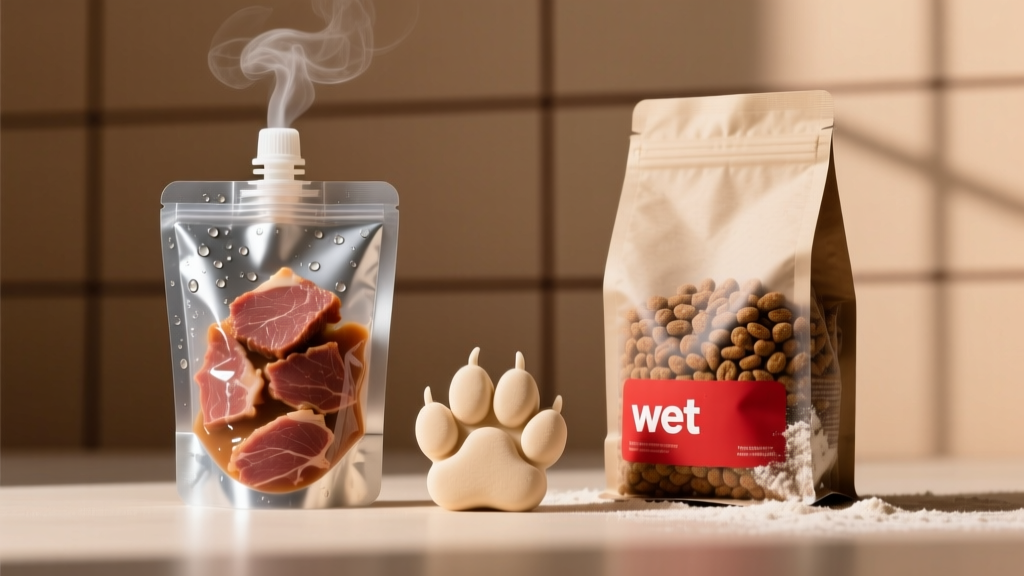
| Complete & balanced commercial wet/dry food | High (meets minimum amino acid requirements when reputable and properly formulated) | Convenient; consistent nutrition; easier to manage overall nutrient balance | Quality varies by brand; calories can creep up if free-fed | Most households; baseline heart-supportive nutrition |
| Therapeutic veterinary diets | High (designed for medical needs) | Targets comorbidities (kidney disease, weight, GI issues); strong quality control | Should be used under veterinary supervision; may cost more | Cats with diagnosed conditions or special requirements |
| Home-cooked diet formulated by a veterinary nutritionist | High if properly formulated and followed precisely | Can tailor ingredients for allergies, preferences, medical needs | Time-consuming; requires supplements; mistakes can be dangerous | Owners committed to precision and vet oversight |
| DIY homemade (internet recipes, “meat-only,” “tuna-only”) | Unreliable | Feels simple | High risk of amino acid and mineral imbalance; can trigger serious deficiencies | Not recommended as a long-term diet |
| Arginine supplements | Variable; depends on dose and product quality | May be used in specific medical contexts | Not a substitute for a balanced diet; risk of inappropriate dosing; may interact with conditions/meds | Only when your veterinarian recommends it |
6) Common mistakes and misconceptions to avoid
- Myth: “Cats can thrive on low-protein or mostly plant-based diets if you add a few supplements.”
Reality: Cats have a high requirement for specific amino acids and are adapted to animal-based nutrition. While it is theoretically possible to formulate alternative diets, it is difficult to do safely without expert formulation, and risks increase quickly with DIY methods. - Myth: “If it’s meat, it’s complete.”
Reality: Plain meat does not provide complete nutrition. Even if it contains arginine, it may lack taurine (depending on cut and processing), calcium, essential fatty acids, vitamins, and trace minerals in correct proportions. - Myth: “Arginine supplements prevent heart disease.”
Reality: There’s no solid evidence that routine arginine supplementation prevents feline cardiomyopathy. Heart disease in cats can be genetic, structural, or secondary to other illnesses. A balanced diet supports health, but it doesn’t replace screening, diagnosis, and appropriate medical care. - Mistake: Overusing fish-based foods or tuna as a ‘healthy’ staple.
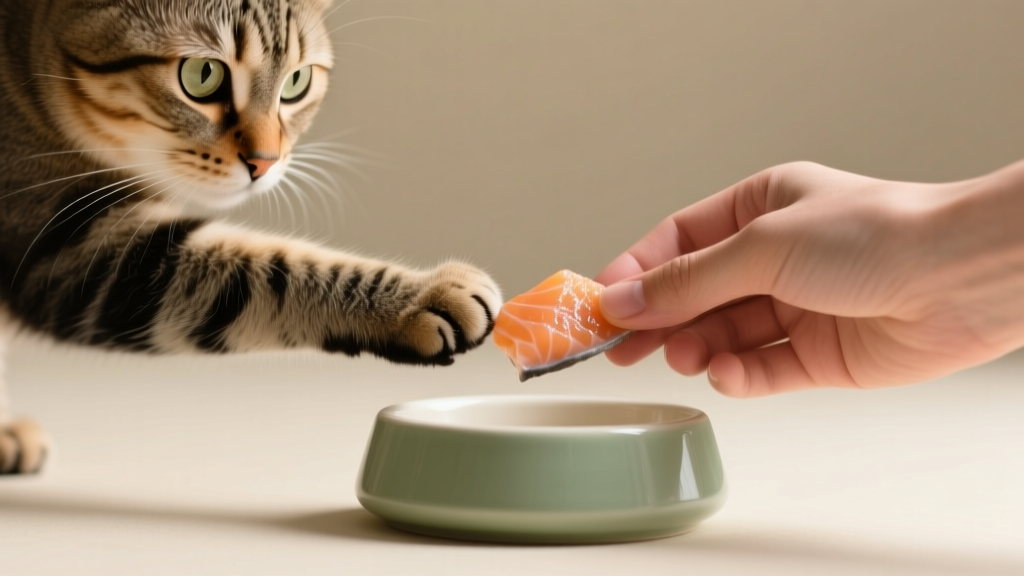
Reality: Fish-heavy feeding can create nutritional imbalance and may add unwanted factors (calorie density, palatability-driven overeating, or nutrient skew). Use fish flavors as part of a varied rotation of complete diets rather than the only option. - Mistake: Making rapid diet changes in a stressed or medically fragile cat.
Reality: Sudden food changes can reduce intake. Cats that stop eating are at risk for hepatic lipidosis. Any diet change should prioritize steady calorie intake and safety.
7) How to implement changes safely (transition tips)
If you’re upgrading your cat’s diet for better overall nutrition (and stronger heart support), do it in a way that protects appetite and digestion.
- Transition gradually over 7–10 days (longer for sensitive cats):
25% new food for 2–3 days → 50% for 2–3 days → 75% for 2–3 days → 100%. - Track intake and stool quality: appetite, vomiting, stool consistency, and energy. If your cat eats less than usual for more than 24 hours, contact your vet.
- Warm wet food slightly to boost aroma (especially for seniors). Avoid overheating.
- Keep feeding predictable: consistent mealtimes help cats accept change.
- For cats with medical conditions (heart disease, kidney disease, diabetes), transition only with veterinary guidance to avoid destabilizing the condition.
8) Special considerations: age, health conditions, activity level
| Cat type | What to focus on | Arginine-related takeaway |
|---|---|---|
| Kittens (growth) | High energy and protein needs; correct calcium/phosphorus; DHA and balanced amino acids | Feed a kitten-labeled complete diet; avoid homemade “meat-only” meals that can miss key amino acids and minerals |
| Healthy adults | Maintain lean body mass; prevent obesity; consistent complete nutrition | Most complete adult foods provide adequate arginine without supplements |
| Seniors | Preserve muscle; monitor kidney/thyroid status; support hydration | Arginine needs don’t vanish with age; don’t over-restrict protein unless your vet directs it for a specific condition |
| Cats with heart disease | Vet-directed therapy; sodium strategy individualized; manage comorbidities | Do not self-supplement arginine; focus on a consistent, complete diet and medical plan |
| Cats with kidney disease | Phosphorus control; adequate calories; tailored protein strategy; hydration | Do not DIY protein restriction; use a vet-recommended renal diet when indicated to maintain amino acid balance safely |
| Highly active or underweight cats | Higher calorie needs; nutrient density; frequent meals | Meeting calorie needs with balanced food helps ensure amino acids like arginine are sufficient |
Consult your veterinarian before making major diet changes, adding supplements, or switching to therapeutic foods—especially if your cat has a murmur, known cardiomyopathy, high blood pressure, kidney disease, or is on medications.
9) FAQ: common questions about arginine and feline heart health
1) Can a cat become arginine-deficient if they miss one meal?
Missing a meal does not typically cause arginine deficiency by itself, but it can be risky for other reasons (especially in overweight cats prone to hepatic lipidosis if they stop eating). The classic arginine emergency is eating a meal that lacks arginine (for example, an unbalanced homemade meal), which can trigger ammonia buildup. If your cat isn’t eating normally, contact your vet.
2) Is arginine added to commercial cat foods?
Many commercial diets provide arginine naturally through animal ingredients, and some may also supplement amino acids to meet nutrient profiles. The key is choosing a food labeled complete and balanced for your cat’s life stage from a reputable manufacturer.
3) Should I give my cat L-arginine supplements for heart health?
Do not supplement L-arginine without veterinary guidance. For most cats on balanced diets, supplementation is unnecessary. In cats with heart disease or other chronic illness, adding supplements can complicate the overall plan or affect appetite and nutrient balance. Your veterinarian can advise if any supplementation is appropriate for your specific cat.
4) What foods are naturally rich in arginine for cats?
Arginine is abundant in animal proteins such as poultry, beef, and organ meats. The safest way to deliver it is through a complete and balanced cat food that also covers taurine, minerals, and vitamins in correct proportions.
5) Does arginine prevent cardiomyopathy in cats?
No single nutrient reliably prevents cardiomyopathy. Genetics, underlying disease (such as hyperthyroidism), blood pressure, and other factors play major roles. Good nutrition supports overall cardiovascular function, but prevention and management of heart disease rely on veterinary screening, diagnosis, and a tailored treatment plan.
6) My cat has a heart murmur—should I change their diet right away?
A murmur can have many causes, and not all murmurs mean serious heart disease. Schedule a veterinary exam (and echocardiogram if recommended). Until you have a diagnosis, keep your cat on a consistent, complete and balanced diet and avoid abrupt changes or supplements unless your veterinarian directs them.
If you want to keep building a smarter, safer feeding plan for your cat, explore more feline nutrition guides on catloversbase.com.