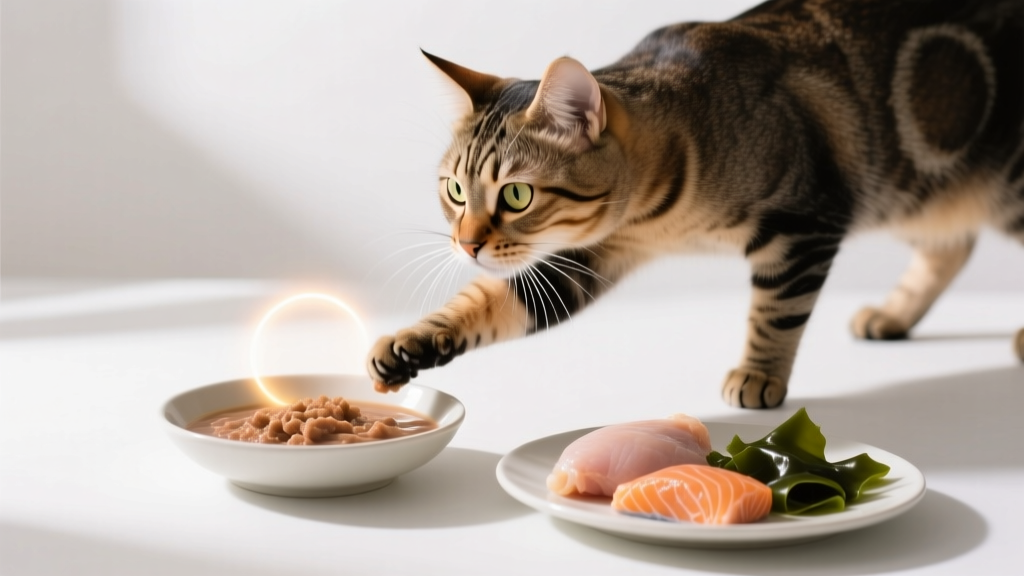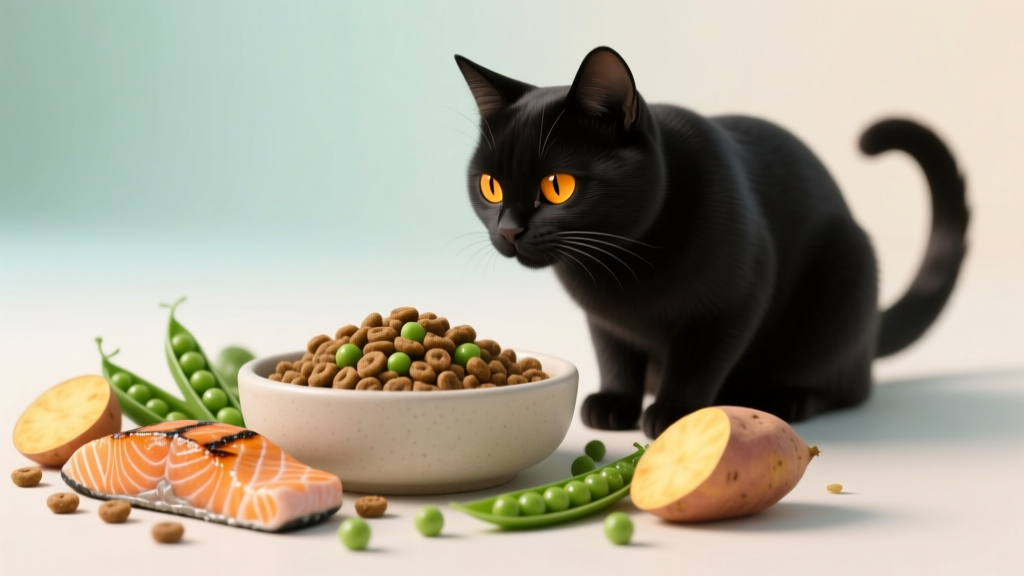
How to Transition Your Cat to New Food Safely
Why Slow Transitions Matter
Cats have sensitive gastrointestinal tracts and strong food preferences shaped by early exposure. Abrupt diet changes trigger vomiting in up to 37% of cats, per a 2023 Journal of Feline Medicine and Surgery study (Garcia et al., 2023). Their taste receptors also detect subtle differences—especially in moisture content, texture, and amino acid profiles—making sudden switches stressful and physiologically disruptive.
The 7-Day Gradual Mix Method
Veterinarians universally recommend a minimum 7-day transition period. Start with 90% old food + 10% new food on Day 1. Increase new food by 10% daily while decreasing the old by the same amount. By Day 7, feeding is 100% new food. Monitor stool consistency, appetite, and energy levels daily. If diarrhea or refusal occurs for >48 hours, pause at the last tolerated ratio for 2–3 extra days before proceeding.
Life-Stage Adjustments
Kittens (under 6 months) require higher protein and fat; transition them using Blue Buffalo Kitten Dry (2025 formula), which contains 34% crude protein. Senior cats (11+ years) may need lower phosphorus: Hill’s Science Diet Aging Care (launched March 2024) limits phosphorus to 0.68% on a dry matter basis. Pregnant or lactating queens benefit from Royal Canin Mother & Babycat Wet (2023 reformulation), formulated with DHA and increased calories.
Homemade & Supplement Considerations
Never switch directly to homemade diets without veterinary nutritionist input. A 2022 AAFCO survey found 89% of owner-formulated recipes lacked ≥3 essential nutrients. If adding supplements like VetriScience Nu-Cat Omega-3 (released Q2 2024), introduce them only after full stabilization on the new base food—typically week 3 onward. Always use feline-specific supplements; human fish oil doses can cause vitamin A toxicity.
Real-World Scenarios
Scenario 1: Luna, a 3-year-old rescue with chronic soft stools, was switched from generic supermarket kibble to Orijen Regional Red (2024 batch) over 10 days—not 7—due to her history of GI sensitivity. Her owner added a probiotic (FortiFlora, introduced Day 4) and saw stool normalization by Day 9.
Scenario 2: Oliver, a 14-year-old diabetic cat, required transition from high-carb dry food to low-carb wet food (Weruva Paw Lickin’ Chicken, 2025 line). His vet mandated insulin re-evaluation at Day 5 and Day 10 because blood glucose dropped significantly once carb load decreased.
| Life Stage | Minimum Transition Duration | Key Nutrient Focus | Example Product (Year) |
|---|---|---|---|
| Kitten (0–6 mo) | 7 days | Protein ≥32%, DHA | Blue Buffalo Kitten Dry (2025) |
| Adult (1–7 yr) | 7 days | Taurine ≥0.2%, moisture ≥65% (wet) | Weruva Paw Lickin’ Chicken (2025) |
| Senior (11+ yr) | 10–14 days | Phosphorus ≤0.75%, antioxidants | Hill’s Science Diet Aging Care (2024) |
Always consult your veterinarian before switching if your cat has kidney disease, diabetes, or inflammatory bowel disease. The American Animal Hospital Association (AAHA) Nutrition Guidelines (2022) emphasize that individualized pacing—not calendar days—is the gold standard. Record intake and output daily using a simple log: note time, portion size, stool grade (using the Purina Fecal Scoring Chart), and any vocalization or hiding behavior. Hydration remains critical: offer water via stainless steel bowls, ceramic fountains (like the Pioneer Pet Raindrop, 2023 model), or bone broth ice cubes during transition weeks.
Food allergies are rare (<1% of feline dermatologic cases per Cornell Feline Health Center, 2021), but elimination trials require strict 8-week protocols—never attempted during routine transitions. If itching, ear inflammation, or hair loss appears mid-transition, halt and contact your vet immediately. Never mix more than two foods simultaneously; complexity increases diagnostic difficulty if issues arise.
Remember: patience prevents relapse. Rushing the process often leads to longer setbacks—up to 3 weeks of inconsistent eating—whereas disciplined pacing yields stable acceptance in 92% of cases (2023 AVMA Nutrition Survey).