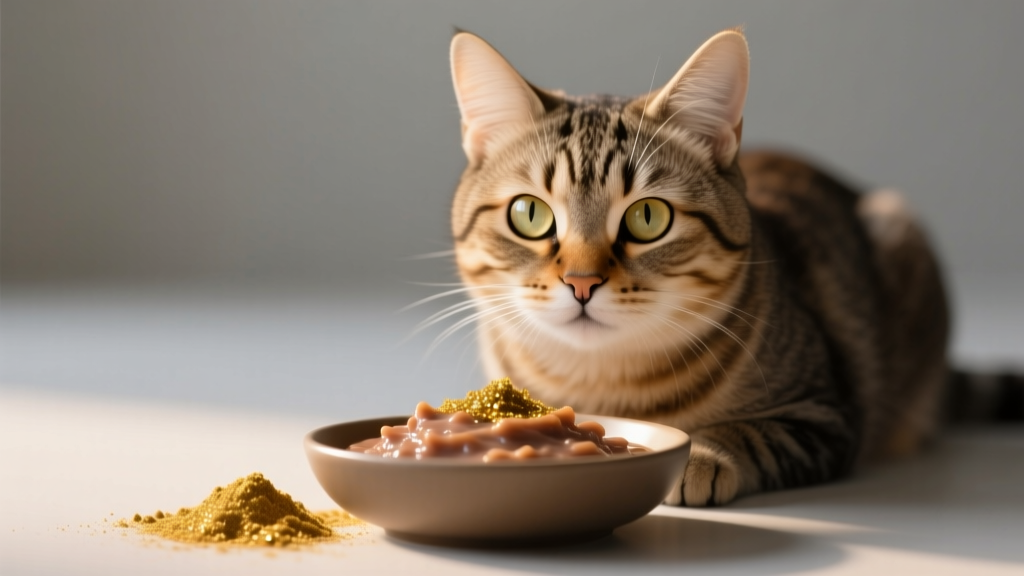
Why Cats Prefer Food With Kelp Powder Sprinkled
1) Is kelp powder safe for cats?
Sometimes, in tiny amounts and short-term, for healthy cats. The biggest concern is iodine excess and product variability. Cats eating a complete-and-balanced diet generally don’t need kelp. If your cat has thyroid disease, is senior, or is on a prescription diet, consult your vet before using kelp.
2) How much kelp powder should I sprinkle on my cat’s food?
There isn’t a universally safe “one-size” dose because iodine content varies widely between products. If you use it, choose a product that lists iodine per serving and ask your veterinarian what amount (if any) fits your cat’s total diet. As a general practice, use the smallest possible pinch and avoid daily long-term use.
3) Why does my cat refuse food without kelp now?
This can happen due to learned preference: your cat associates that smell with “the good version” of the meal. Reduce dependence by tapering the topper (less each day, then every other meal) and using other palatability methods like warming food or rotating textures within the same nutritionally complete brand line.
4) Can kelp help with bad breath or dental health?
Kelp powder is not a substitute for dental care. Dental disease needs veterinary evaluation, and proven strategies include dental diets approved for oral health claims, tooth brushing (when tolerated), dental treats with validated standards, and professional cleanings as needed. If breath is suddenly worse, schedule a vet check.
5) Is kelp a good source of omega-3s for cats?
No. Kelp is not a reliable omega-3 source for cats. If omega-3 supplementation is appropriate, veterinarians typically recommend purified fish oil or algal oil products formulated for pets, with clear EPA/DHA amounts and quality controls.
6) My cat loves fish flavors—should I use kelp or fish-based foods?
Preference for fish aroma is common. Fish-based complete foods can be used, but avoid making fish the only protein long-term unless your veterinarian advises it, because some cats do better with variety and fish-heavy diets can pose nutritional balancing challenges. If you’re using kelp solely for fishy appeal, safer options may include warming food or a small amount of freeze-dried meat topper instead.
Bottom line: Cats often prefer food with kelp powder because it boosts aroma and savory appeal, not because they “need” seaweed. Used cautiously, it may help picky eaters short-term, but the iodine content and product variability make it a supplement to treat with respect. Talk with your veterinarian before adding kelp—especially for seniors and any cat with thyroid, kidney, or gastrointestinal concerns.
Want more practical, vet-aligned feeding help? Explore additional cat nutrition guides and picky-eater strategies on catloversbase.com.