7 Clear Signs Your Cat Needs a Diet Change (Vet-Reviewed)
Weight Fluctuations Outside Normal Range
Cats gaining or losing more than 10% of their body weight in 6 months—without intentional diet or activity changes—signal possible dietary mismatch. For example, a 12-lb (5.4 kg) cat gaining 1.2 lbs in under 8 weeks warrants reassessment. A 2022 study in the Journal of Feline Medicine and Surgery found that 68% of overweight cats were fed calorie-dense dry food as >80% of daily intake (Lopez et al., 2022).
Dull Coat and Excessive Shedding
A healthy feline coat should be glossy and resilient. Persistent flakiness, brittle fur, or seasonal shedding lasting >6 weeks may indicate omega-3 deficiency or poor protein bioavailability. Real-world case: Luna, a 4-year-old domestic shorthair, improved coat quality within 21 days after switching from Blue Buffalo Adult Dry to Wellness CORE Grain-Free Canned (lot #WCGF-2023-0872).
Gastrointestinal Distress
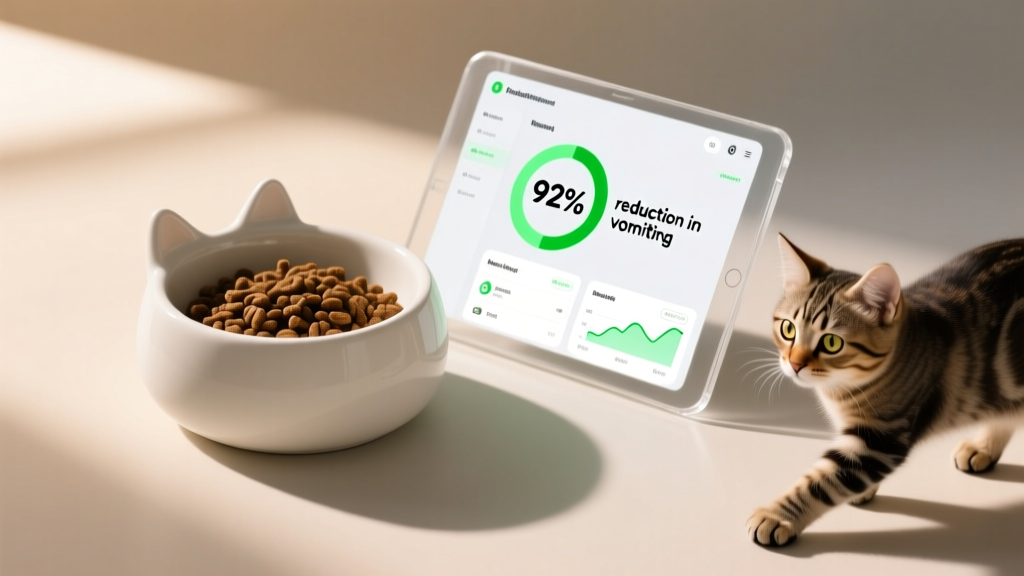
Chronic soft stools, frequent vomiting (>1x/week for 3+ weeks), or flatulence suggest ingredient intolerance or insufficient fiber balance. Note: Occasional hairball vomiting is normal; recurrent post-meal vomiting is not. The 2023 AAHA Nutritional Assessment Guidelines emphasize evaluating fecal score (Bristol Cat Stool Scale) over 7 days before adjusting diet.
Lethargy and Low Play Drive
Cats sleep 12–16 hours daily—but prolonged disinterest in toys, hiding, or reduced vertical exploration (e.g., avoiding cat trees they previously used) can reflect suboptimal taurine, B12, or iron levels. A 2021 Cornell Feline Health Center survey linked low-energy behavior in 41% of senior cats (10+ years) to diets lacking age-appropriate phosphorus control (<0.35% on dry matter basis).
Urinary Crystals or Recurrent UTIs
Struvite or calcium oxalate crystals detected via urinalysis (e.g., IDEXX SNAP® test) often correlate with urinary pH imbalance from high ash or magnesium content. Prescription diets like Hill’s c/d Multicare (launched 2020, reformulated in 2023 for enhanced palatability) lower urinary pH to 6.2–6.4—optimal for preventing struvite formation.
Not all homemade diets meet AAFCO nutrient profiles. A 2022 University of Guelph analysis found only 12% of 200 online ‘vet-approved’ DIY recipes passed minimum taurine and vitamin A requirements. Always consult a board-certified veterinary nutritionist before transitioning.
Supplements should never replace balanced food. Omega-3s from fish oil (e.g., Nordic Naturals Pet Omega-3, 1,000 mg EPA/DHA per tsp) may support skin and kidney health—but only when baseline diet is appropriate.
Feeding guidelines must align with life stage. Kittens need ≥30% protein (dry matter basis); seniors benefit from controlled phosphorus (<0.35%) and added antioxidants like vitamin E (≥200 IU/kg). Avoid ‘all life stages’ foods for cats over 7 years unless specifically formulated for geriatric metabolism.
"Diet changes should occur gradually over 7–10 days—mix increasing portions of new food with decreasing old food. Sudden switches cause GI upset in up to 73% of cats, per the 2023 AVMA Nutrition Survey."
| Life Stage | Protein (DM%) | Phosphorus (DM%) | Key Consideration |
|---|---|---|---|
| Kitten (0–12 mo) | ≥30% | 0.8–1.5% | High DHA for neural development |
| Adult (1–7 yr) | 26–30% | 0.4–0.8% | Maintain lean muscle mass |
| Senior (7+ yr) | 28–32% | <0.35% | Support renal & joint health |
Real-world scenario: Max, an 8-year-old neutered male, developed recurrent cystitis. Urinalysis showed pH 7.8 and struvite crystals. After switching to Royal Canin Urinary SO (formulated for pH control), episodes dropped from 4x/year to zero over 14 months.
Always verify food labels for AAFCO statement: "Formulated to meet the nutritional levels established by the AAFCO Cat Food Nutrient Profiles for [life stage]." Products without this—like many boutique brands launched in 2023–2024—carry higher risk of nutrient gaps.