Feeding Cats With Protein-Losing Enteropathy: Diet Plan
1) How long does a diet trial take to see results?
Many cats show stool improvement within 1–3 weeks, but a proper food trial for suspected food-responsive enteropathy often runs 6–8 weeks or longer, with strict exclusivity (no other proteins). Albumin and total protein may take additional time to improve, and your veterinarian will likely recheck labs.
2) Should I feed wet food only?
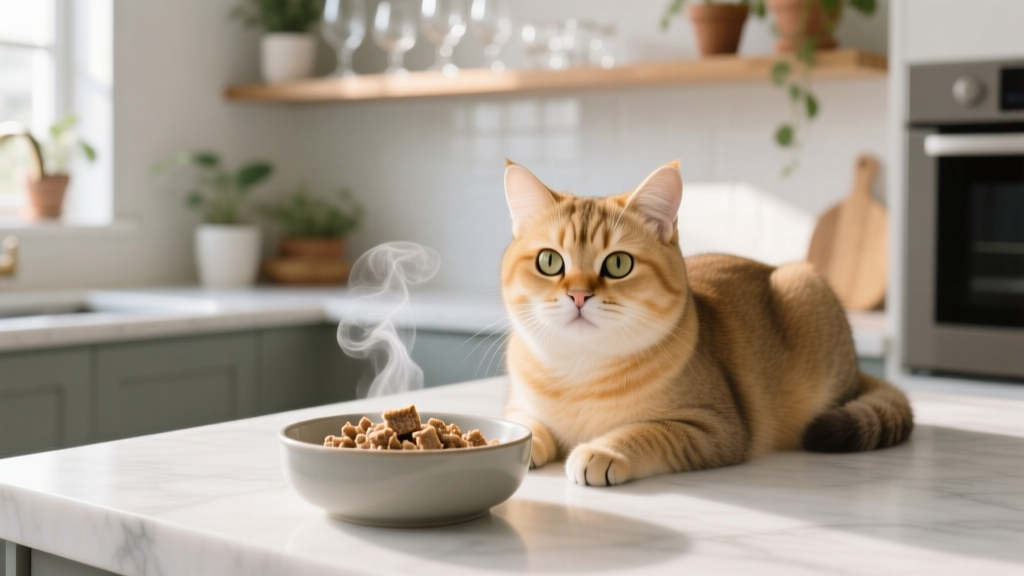
Wet food is often helpful for hydration and palatability, but “wet-only” isn’t mandatory. The best plan is the one your cat eats consistently and tolerates well, using a veterinarian-recommended therapeutic formula. Many cats do well on a mostly-wet plan with measured dry if tolerated.
3) Can I give my cat chicken or tuna as a topper to encourage eating?
Not during a hydrolyzed or novel-protein diet trial, and not without vet approval. Even small amounts can re-trigger inflammation and invalidate the trial. If appetite is poor, ask your veterinarian about compatible toppers, warming techniques, or medication support.
4) Are probiotics always beneficial for PLE?
No. Some cats benefit, while others see no change or get worse. Strain selection and dosing matter, and probiotics are not a substitute for a therapeutic diet and medical treatment. Ask your veterinarian before adding one.
5) Is raw feeding helpful for gut healing?
Raw diets are generally not advised for PLE because they carry higher pathogen risk (Salmonella, Listeria, Campylobacter), may be nutritionally inconsistent, and can be dangerous for immunocompromised cats or households with young children, seniors, or immunocompromised people. A cooked, complete therapeutic approach is typically safer and more evidence-aligned.
6) What monitoring should I do at home?
- Track daily appetite (how much was actually eaten)
- Record vomiting/diarrhea frequency and stool appearance
- Weigh weekly if possible (same scale, same time of day)
- Watch for belly swelling, breathing changes, extreme lethargy, or gum paleness and seek veterinary care promptly
PLE is a medical condition with nutrition at the center of long-term management. Work closely with your veterinarian before making major diet changes, and ask whether referral to a veterinary internal medicine specialist or veterinary nutritionist is appropriate for your cat’s case.
If you’d like more practical feeding guides, diet comparisons, and cat-health nutrition tips, explore the nutrition library on catloversbase.com.