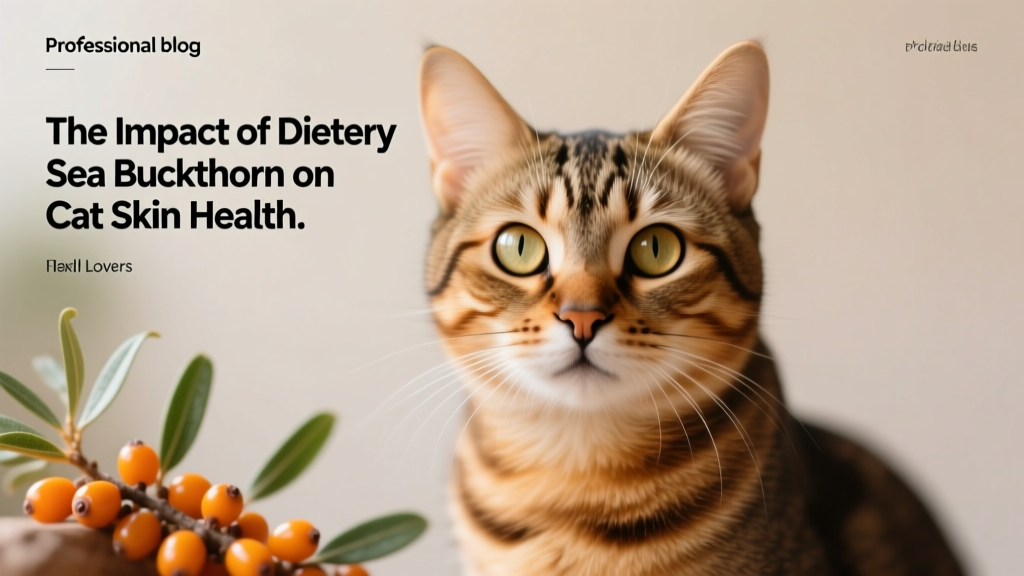
The Impact of Dietary Sea Buckthorn on Cat Skin Health
1. Why This Nutrition Topic Matters for Cat Health
Healthy skin and a glossy coat are more than cosmetic. A cat’s skin is the body’s largest organ and a frontline defense against allergens, parasites, bacteria, and dehydration. When nutrition is off-balance, skin often shows it first: dandruff, excessive shedding, dull coat, greasy fur, itchiness, recurrent ear debris, or slow wound healing.
Sea buckthorn (Hippophae rhamnoides) has become popular in pet supplements because it contains fatty acids, antioxidants, and vitamins associated with skin barrier support. Cat owners are understandably curious: can a small amount of sea buckthorn help a cat’s coat and comfort, and is it safe for obligate carnivores? The answer depends on the form used, the dose, the cat’s overall diet, and underlying medical factors.
2. Scientific Background: Feline Nutritional Needs and Skin Biology
Cats are obligate carnivores. Their metabolism is adapted for animal-based protein and fat, with limited ability to thrive on plant-heavy nutrition. This matters because skin health is primarily driven by:
- Complete, highly digestible protein (for keratin, collagen, immune function)
- Essential fatty acids (for skin barrier integrity and anti-inflammatory signaling)
- Vitamins and minerals (zinc, copper, vitamin A, B vitamins, vitamin E)
- Hydration (water content of the skin; dry cats often have dry coats)
Key feline nutrition points relevant to “skin supplements”:
- Essential fatty acids (EFAs): Cats require linoleic acid (omega-6). They can convert some plant omega-3 (ALA) into EPA/DHA poorly, so marine sources (fish oil, algae oil) tend to be more reliable for anti-inflammatory omega-3 support.
- Arachidonic acid: Cats require arachidonic acid from animal fat; it cannot be replaced by plant oils.
- Vitamin A: Cats cannot convert beta-carotene to vitamin A efficiently. Foods/supplements relying on carotenoids are not a substitute for preformed vitamin A in a complete diet.
- “Balanced diet” matters more than any single ingredient: Skin issues from allergies, fleas, infections, thyroid disease, or stress will not be fixed by a supplement alone.
3. Sea Buckthorn and Skin Health: Evidence-Based Analysis
Sea buckthorn is used as berry oil, seed oil, leaf extracts, or dried powders. For skin, oils are the most relevant because they supply lipids that can influence the skin barrier and inflammation.
What Sea Buckthorn Contains (and Why It’s Interesting)
| Component | Where It’s Found | Potential Skin Relevance | Cat-Specific Notes |
|---|---|---|---|
| Omega-6 (linoleic acid) | Seed oil | Supports skin barrier lipids; may reduce dryness when diet is deficient | Cats need linoleic acid, but most complete foods already supply enough |
| Omega-7 (palmitoleic acid) | Berry pulp oil | Associated with mucosal and skin barrier support in some species | Limited feline-specific data; dose and tolerance matter |
| Vitamin E and other antioxidants | Oils and extracts | Protects fats in skin from oxidative damage; supports barrier function | Helpful when added fats increase oxidative load; avoid megadoses |
| Carotenoids | Berry oil/pulp | Antioxidant activity | Not a vitamin A substitute for cats |
| Plant polyphenols | Extracts | Antioxidant/anti-inflammatory potential | Quality and standardization vary widely; may irritate sensitive GI tracts |
What We Know From Veterinary Nutrition Science
Direct, high-quality clinical trials on sea buckthorn specifically in cats are limited. Most evidence for skin improvement in companion animals is stronger for:
- Fish oil (EPA/DHA) for inflammatory skin disease support (often alongside medical treatment)
- Targeted dermatology diets with controlled fatty acid profiles, adequate protein, and added antioxidants
- Elimination diets for food allergy diagnosis and management
Sea buckthorn may still be useful as an adjunct when used carefully. Its plausibility comes from:
- Barrier-lipid support (omega-6 and omega-7 content)
- Antioxidant support (vitamin E and carotenoids)
Even when a supplement has promising nutrients, outcomes depend on the cat’s baseline diet. A cat already eating a complete, high-quality food with appropriate fat and linoleic acid may show little change. A cat with dry skin due to low-fat intake, poor digestibility, or excessive bathing may benefit more.
Potential Benefits (Realistic Expectations)
- Mild improvement in coat softness and shine (often seen within 4–8 weeks if it helps)
- Reduced flaking when dryness is nutrition-related
- Support for skin barrier resilience (best as part of a full plan: parasite control, balanced diet, hydration)
Potential Risks and Downsides
- GI upset (soft stool, vomiting) from adding too much oil too quickly
- Extra calories that can contribute to weight gain (small cats gain weight easily)
- Unbalanced supplementation if owners replace proven omega-3 sources with sea buckthorn alone
- Quality variability (oxidized oils, poor storage, unclear sourcing)
- Drug/supplement interactions are possible; consult a veterinarian, especially if your cat is on medications
4. Practical Recommendations for Cat Owners
If your goal is healthier skin and coat, build from the foundation up. Supplements work best when the basics are already strong.
Step 1: Confirm the Basics First
- Feed a complete and balanced cat food (look for an AAFCO or equivalent nutritional adequacy statement).
- Ensure effective flea control; flea allergy dermatitis is a top cause of itch.
- Rule out common medical causes: skin infection, mites, ringworm, allergies, hyperthyroidism.
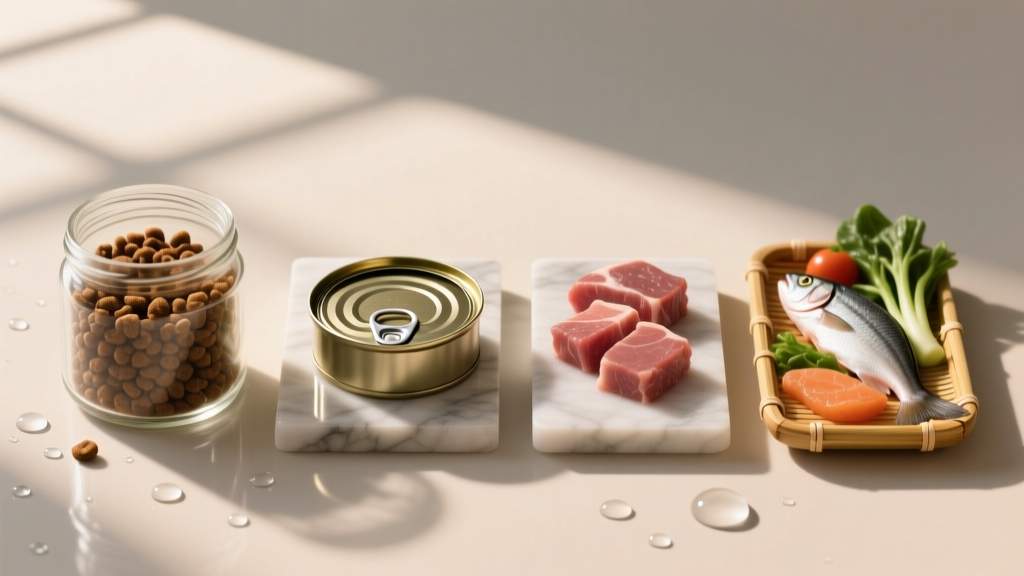
- Improve hydration (many cats do better with some wet food).
Step 2: If Using Sea Buckthorn, Choose the Most Sensible Form
For skin support, oil is usually preferred over powders because the relevant nutrients are fatty acids. Look for:
- Clear labeling (berry oil vs seed oil; concentration; serving size in mL)
- Third-party testing or quality assurance when available
- Dark bottle and proper storage instructions (light/heat accelerate oxidation)
- No xylitol, essential oils, or unnecessary flavorings (avoid toxic additives)
Step 3: Dosing Philosophy (Keep It Conservative)
Because feline-specific dosing research is limited, the safest approach is to:
- Start with a very small amount mixed into food
- Increase slowly only if tolerated
- Stop if vomiting, diarrhea, appetite changes, or itch worsens
Ask your veterinarian for a dose tailored to your cat’s weight, diet, and health history. If your cat already receives fish oil or a skin supplement, do not stack products without veterinary guidance—too much added fat can cause GI issues and unnecessary calories.
5. Comparing Options: Sea Buckthorn vs Other Skin-Support Approaches
| Approach | Best For | Pros | Cons / Limits |
|---|---|---|---|
| Dermatology-focused complete diet | Chronic coat issues, barrier support, mild itch | Balanced nutrients; controlled fatty acids; often includes antioxidants | Cost; may require trial period; not a cure for parasites/infection |
| Fish oil (EPA/DHA) | Inflammatory skin conditions (adjunct support) | Better evidence base; anti-inflammatory omega-3s | Needs correct dose; oxidation risk; may cause GI upset |
| Sea buckthorn oil | Dryness/coat quality support when tolerated | Provides omega-6/7 and antioxidants; may improve coat feel | Limited feline clinical data; calorie-dense; quality varies |
| Elimination diet trial (vet-guided) | Suspected food allergy | Diagnostic and therapeutic; can dramatically reduce itch | Requires strict compliance; time-consuming; treats only food allergy |
If your cat is itchy, over-grooming, or getting recurrent skin infections, a diet change alone is rarely the whole answer. In those cases, sea buckthorn should be viewed as a supportive add-on at best, not a primary treatment.
6. Common Mistakes and Misconceptions to Avoid
- Myth: “A natural plant oil is automatically safer than fish oil.”
Fact: Safety depends on dose, purity, and how your cat tolerates it. Any oil can cause GI upset and weight gain if overused. - Myth: “Sea buckthorn can replace omega-3s for allergies.”
Fact: Sea buckthorn is not a reliable source of EPA/DHA. Cats generally benefit most from preformed marine omega-3s when omega-3s are indicated. - Mistake: Treating dandruff without checking for fleas or mites.
Fleas can cause major itch with minimal visible evidence, especially in multi-pet homes. - Mistake: Adding multiple supplements at once.
If your cat develops diarrhea or itch worsens, you won’t know the trigger. Introduce one change at a time. - Mistake: Using human products with added ingredients.
Avoid products containing sweeteners (especially xylitol), essential oils, or undisclosed “proprietary blends.”
7. How to Implement Changes Safely (Transition Tips)
Whether you’re introducing sea buckthorn or switching to a skin-support diet, slow changes are easier on a cat’s GI tract.
- Introduce gradually: start with a tiny amount mixed thoroughly into a familiar food.
- Give it time: coat changes often lag behind nutrition changes. Allow 4–8 weeks unless your veterinarian advises otherwise.
- Track results: keep notes on stool quality, scratching, shedding, dandruff, and coat feel.
- Stop and call your vet if you see vomiting, persistent diarrhea, lethargy, refusal to eat, facial itch/swelling, or sudden hair loss.
For diet transitions, many cats do well with a 7–10 day gradual change (mixing increasing amounts of the new food). Cats with sensitive stomachs may need longer. If your cat has a history of pancreatitis or chronic GI disease, consult your vet before adding any oils.
8. Special Considerations: Age, Health Conditions, Activity Level
Kittens
- Prioritize a growth-formulated complete diet. Skin supplements are rarely necessary.
- Avoid experimenting with multiple add-ons during growth; nutrient balance matters.
Senior Cats
- Dry coat can be linked to reduced grooming, arthritis, dental disease, or systemic illness.
- Ask your vet to screen for conditions that affect skin/coat (thyroid disease, kidney disease).
Overweight or Indoor-Low-Activity Cats
- Oils add calories quickly. If you add sea buckthorn, you may need to reduce other calorie sources to prevent weight gain.
- Weight management often improves coat quality indirectly by reducing inflammation and improving grooming comfort.
Cats With Allergies or Chronic Itch
- Work with a veterinarian to identify triggers (fleas, food, environmental allergies).
- A targeted plan may include parasite control, allergy meds, bathing/wipes, and a vet diet trial. Supplements alone rarely control moderate to severe itch.
Cats With GI Disease or History of Pancreatitis
- Adding oils may worsen symptoms in some cats. Vet guidance is essential.
- Consider whether a therapeutic GI diet and controlled fat intake is a higher priority than any skin supplement.
9. FAQ: Sea Buckthorn for Cat Skin Health
1) Can sea buckthorn help my cat’s dandruff?
It can help if dandruff is related to dry skin and inadequate fatty acid intake, but dandruff is also commonly caused by parasites, poor grooming, obesity, low humidity, or skin infection. If flakes persist more than a couple of weeks, or your cat is itchy, schedule a vet visit to address the root cause.
2) Is sea buckthorn safe for cats?
In small amounts, many cats tolerate it, but “safe” depends on the product quality, the dose, and your cat’s medical history. Because feline-specific research is limited and oils are calorie-dense, consult your veterinarian before starting, especially for cats with GI issues or those on medications.
3) Should I choose sea buckthorn berry oil or seed oil?
They differ in fatty acid profile. Berry oil tends to be higher in omega-7 (palmitoleic acid), while seed oil is often higher in linoleic acid (omega-6). There’s no universal “best” for cats because clinical data is limited. If your cat’s goal is inflammatory itch support, your vet may prioritize marine omega-3s instead.
4) How long until I see results in coat quality?
If it helps, mild improvements in coat feel or shine may appear within 4–8 weeks. Skin and coat changes track with hair growth cycles, so quicker changes are less common.
5) Can I use sea buckthorn instead of fish oil?
Usually not as a direct replacement. Fish oil provides EPA/DHA, which are the omega-3s most associated with anti-inflammatory benefits in cats. Sea buckthorn may be an adjunct for barrier support, but it doesn’t reliably provide EPA/DHA at meaningful levels.
6) My cat licks and scratches constantly—should I try sea buckthorn first?
Persistent licking and scratching deserve a veterinary exam before supplements. Fleas, mites, infection, and allergies are common, and delaying treatment can worsen skin damage. Nutritional tools work best once medical causes are addressed.
Bottom line: Sea buckthorn may support skin barrier health and coat quality for some cats when used carefully, but it’s not a cure-all and it shouldn’t replace a complete, balanced diet or veterinary care. For a tailored plan—especially if your cat is itchy, losing hair, or has ongoing dandruff—work with your veterinarian or a veterinary nutrition professional.
Want more practical, science-based feeding help? Explore more cat nutrition guides and ingredient deep-dives on catloversbase.com.