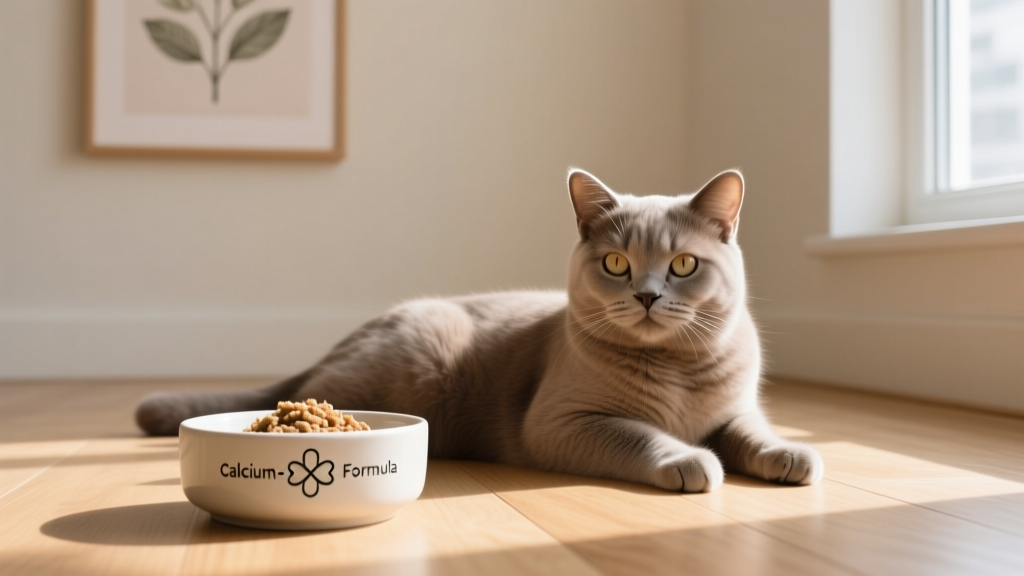
Feeding Cats With Hypercalcemia: Calcium-Restricted Plan
1) Why this topic matters for cat health
Hypercalcemia means a cat’s blood calcium level is higher than normal. Even mild elevations can affect thirst, urination, appetite, constipation, muscle function, and kidney health. More severe cases may cause weakness, vomiting, urinary issues, or heart rhythm changes. Nutrition can’t fix every cause of hypercalcemia, but food choices can influence calcium intake, hydration status, urinary minerals, and overall kidney workload. For cat owners, a calcium-restricted plan is a practical tool to support veterinary treatment and reduce diet-driven calcium burden—especially when a veterinarian has identified diet as a contributing factor or when a cat is prone to calcium-based urinary stones.
Because hypercalcemia can signal serious underlying disease (including kidney disease, certain cancers, hyperparathyroidism, vitamin D toxicity, and idiopathic hypercalcemia), diet changes should be done under veterinary guidance. The right plan depends on why calcium is elevated and how your cat’s kidneys, bones, and urinary tract are responding.
2) Scientific background: feline nutritional needs and obligate carnivore biology
Cats are obligate carnivores with metabolism shaped by animal-based prey. This matters because many “human-style” dietary tweaks (like adding lots of vegetables or using dairy for calories) can create mineral imbalances or poor protein adequacy.
- High protein needs: Cats rely on dietary amino acids for essential functions. Adequate animal protein supports lean mass and immune health, but the protein source and mineral “ash” content can affect calcium and phosphorus intake.
- Mineral balance is tightly regulated: Calcium and phosphorus are linked. The body regulates blood calcium via parathyroid hormone (PTH), vitamin D metabolites, calcitonin, bone storage/release, and kidney excretion.
- Hydration is a nutrition issue: Many cats naturally have low thirst drive. Water intake affects urine concentration and mineral precipitation risk, which matters if calcium oxalate stones are a concern.
- Complete-and-balanced matters: Restricting calcium without ensuring overall nutrient adequacy can create deficiencies (bone demineralization, muscle issues, poor growth in kittens). A “calcium-restricted plan” should still meet minimum nutrient needs unless a board-certified veterinary nutritionist is formulating a temporary therapeutic recipe for a specific medical goal.
3) Evidence-based analysis: hypercalcemia and where diet fits
Common causes of feline hypercalcemia
Diet is only one piece of the puzzle. Your veterinarian will often run bloodwork (including ionized calcium), urinalysis, imaging, and sometimes hormone tests to determine cause.
| Potential cause | How it raises calcium | Where nutrition can help |
|---|---|---|
| Idiopathic hypercalcemia | Unknown; altered calcium regulation/excretion | Moderate calcium restriction, increased moisture, manage urinary risk |
| Chronic kidney disease (CKD) | Changes in mineral metabolism; dehydration can concentrate blood values | Kidney-support diets may help; careful balance of phosphorus, protein quality, hydration |
| Vitamin D toxicity (supplements/rodenticides) | Increased calcium absorption and bone mobilization | Stop exposure; do not “treat” with diet alone—urgent veterinary care |
| Hyperparathyroidism | PTH increases blood calcium | Diet is supportive only; definitive medical/surgical treatment needed |
| Malignancy (certain cancers) | Paraneoplastic effects; bone resorption | Nutritional support for appetite/weight, but not a primary fix |
| Calcium oxalate urolithiasis | May coexist with elevated calcium; urinary factors involved | Increase moisture, control urine concentration; avoid excess calcium/vitamin D; moderate sodium as directed |
Dietary calcium: intake vs. blood calcium
Blood calcium does not always correlate directly with dietary calcium, because the body controls calcium tightly. Still, excessive calcium intake, excessive vitamin D intake, or extreme calcium-to-phosphorus (Ca:P) imbalance can push regulation in the wrong direction—especially in susceptible cats.
Dietary factors most relevant to hypercalcemia management:
- Total calcium intake: Avoid high-calcium foods and supplements unless prescribed.
- Vitamin D exposure: Too much vitamin D can increase calcium absorption. Avoid unregulated supplements and fish liver oils unless a veterinarian directs use.
- Ca:P balance: Large deviations can cause bone and hormonal shifts. Restricting calcium blindly can create new problems.
- Moisture and urine concentration: Concentrated urine increases stone risk and can worsen dehydration, affecting labs and kidney function.
- Sodium and urinary calcium: In some species, high sodium increases urinary calcium excretion. In cats, therapeutic diets manage minerals carefully; don’t “salt load” without veterinary direction.
- Acid-base effects: Urine pH influences certain stone types. Calcium oxalate stones are not dissolved by acidifying diets; overly aggressive urine acidification may increase CaOx risk in some cats.
4) Practical recommendations for cat owners (calcium-restricted plan)
Step 1: Confirm the diagnosis and what “calcium” is elevated
Ask your vet whether the concern is total calcium or ionized calcium (the biologically active portion). Ionized calcium is often more clinically meaningful. Also ask whether a urinary stone history (especially calcium oxalate) changes diet selection.
Step 2: Choose a nutritionally complete base diet first
For most cats, the safest approach is using a complete-and-balanced commercial food designed for the underlying condition (urinary, kidney, GI, etc.). When hypercalcemia is involved, your veterinarian may recommend a veterinary therapeutic diet with controlled minerals and targeted urine goals.
Step 3: Prioritize moisture
- Feed primarily wet food or add water to canned food to increase intake.
- Use multiple water stations, wide bowls, or a fountain.
- Ask your vet whether your cat is a candidate for subcutaneous fluids (common in CKD) rather than trying to “fix hydration” with diet alone.
Step 4: Avoid high-calcium extras
Keep treats and toppers from undermining the plan. Common high-calcium additions include:
- Dairy (milk, cheese, yogurt, “cat milk”)
- Bone broth made from simmered bones (mineral leaching varies; not reliably low calcium)
- Bone meal, eggshell powder, calcium tablets
- Freeze-dried raw with ground bone (often calcium-heavy)
- Excess fish liver oils or unprescribed vitamin D products
Step 5: Keep the diet consistent while monitoring
Hypercalcemia management often requires repeat testing. Once you start a plan, stay consistent for the recommended period so your vet can interpret changes meaningfully (unless your cat refuses the diet or becomes ill).
5) Comparing approaches: what works best for a calcium-restricted strategy?
| Approach | Pros | Cons / cautions | Best fit |
|---|---|---|---|
| Veterinary therapeutic diet (urinary or renal-focused) | Controlled minerals; tested nutrient balance; often targets urine concentration/pH | Requires vet oversight; some cats are picky; may cost more | Idiopathic hypercalcemia with stone risk, CKD with mineral concerns |
| Over-the-counter complete wet food with careful selection | More palatable options; improved moisture; easier availability | Mineral levels vary; calcium may still be moderate/high; less targeted urinary control | Mild cases under vet monitoring; cats needing moisture increase |
| Home-cooked diet formulated by a board-certified veterinary nutritionist | Precisely adjustable calcium, phosphorus, sodium, protein, calories | Must be professionally formulated; supplement regimen required; time and cost | Complex cases, multiple diseases, food intolerances, poor appetite |
| DIY calcium restriction (removing supplements, “feeding meat only”) | Seems simple | High risk of nutrient deficiencies and Ca:P imbalance; unsafe long-term | Not recommended |
6) Common mistakes and misconceptions to avoid (myth-busting)
- Myth: “Hypercalcemia means my cat must stop eating calcium.”
Reality: Cats still need calcium for nerves, muscles, and bone. The goal is appropriate calcium intake and balanced Ca:P, not zero calcium. - Myth: “Raw or homemade automatically fixes mineral issues.”
Reality: Many raw diets include ground bone, which can be very high in calcium. Homemade diets without a veterinary nutritionist often have serious mineral imbalances. - Myth: “Dairy is a good way to keep weight on during illness.”
Reality: Dairy can add calcium and cause GI upset (many cats are lactose intolerant). Use vet-approved calorie strategies instead. - Myth: “If calcium oxalate stones are the problem, add lots of urinary acidifiers.”
Reality: Calcium oxalate stones are not dissolved by acidification. Prevention focuses on urine dilution, appropriate minerals, and individualized urinary targets. - Myth: “Supplements are harmless because they’re ‘natural.’”
Reality: Vitamin D and calcium supplements can be dangerous in hypercalcemic cats. Supplements should be used only when prescribed.
7) How to implement changes safely (transition tips)
Diet changes can cause food refusal, GI upset, or stress—especially in cats that are already unwell. Use a structured transition and monitor appetite closely.
- Transition gradually (7–14 days): Mix increasing amounts of the new food with the old (for example: 75/25, 50/50, 25/75).
- Never allow prolonged fasting: Cats that don’t eat for 24 hours (or eat far less than normal) may be at risk for hepatic lipidosis. Call your vet promptly if appetite drops.
- Warm and enhance aroma: Slightly warm wet food, or add a small amount of warm water. Keep toppers consistent with the plan (avoid dairy/bone-based toppers).
- Measure portions: Hypercalcemia cats may lose weight due to poor appetite or underlying disease. Track body weight weekly.
- Recheck labs as scheduled: Your vet may want repeat calcium (preferably ionized), kidney values, phosphorus, and urinalysis.
8) Special considerations (age, health conditions, activity level)
Kittens and growing cats
Calcium restriction is risky in kittens because growth demands precise calcium and phosphorus levels. If a kitten has hypercalcemia, treat it as urgent: do not experiment with diet. Work closely with a veterinarian and, when possible, a board-certified veterinary nutritionist.
Seniors
Older cats are more likely to have CKD, cancer, or multiple conditions. A senior with hypercalcemia may need a diet that balances:
- Controlled minerals (calcium/phosphorus)
- High palatability and adequate calories
- Moisture support
- Appropriate protein strategy (individualized for CKD stage and body condition)
Chronic kidney disease (CKD)
If CKD is present, nutrition often focuses on phosphorus management, omega-3 fatty acids, moisture, and appropriate protein quality. Calcium targets must be individualized; some CKD cats can have complex calcium and phosphorus interactions. Use veterinary renal diets or a professionally formulated home-cooked plan.
History of calcium oxalate stones
These cats benefit from urine dilution (wet food, hydration strategies) and controlled mineral intake. Avoid high-calcium treats and unregulated supplements. Your vet may choose a urinary therapeutic diet designed to reduce recurrence risk.
Overweight or low-activity cats
Calorie control still matters. Avoid “free feeding” large amounts of low-calcium treats to keep a cat happy. Use measured meals and vet-approved low-calorie rewards that don’t add significant minerals.
FAQ: Feeding cats with hypercalcemia
1) Should I switch to a low-calcium food right away?
Switching abruptly without guidance can backfire, especially if your cat stops eating or the new diet is unbalanced. Contact your vet first to confirm the cause of hypercalcemia and get a diet recommendation that matches your cat’s diagnosis (idiopathic vs CKD vs toxin exposure, etc.).
2) Are grain-free foods better for hypercalcemia?
Grain-free status doesn’t tell you anything reliable about calcium level, vitamin D content, or urinary effects. Focus on complete-and-balanced nutrition, controlled minerals, and moisture. Choose based on veterinary goals, not marketing claims.
3) Can I feed plain chicken or tuna to lower calcium?
Plain meats are not complete-and-balanced and can create dangerous mineral and vitamin deficiencies if used as a main diet. Small amounts may be used short-term as an appetite bridge only if your veterinarian approves, but a complete diet should be the foundation.
4) Is wet food always better than dry food for hypercalcemia?
Wet food generally helps increase water intake and dilute urine, which can be beneficial for many hypercalcemia cats—especially those with urinary issues. Some cats do well on a veterinary dry diet plus added water strategies, but moisture support is usually a major advantage of canned diets. Your vet can help you choose the best format.
5) Should I stop all treats?
Not necessarily, but treats should be limited (often <10% of daily calories) and should not be high in calcium or vitamin D. Avoid dairy and bone-based treats. Ask your vet for treat ideas that fit your cat’s plan.
6) How long until diet changes improve calcium levels?
It depends on the cause. If excess dietary calcium or vitamin D was contributing, changes may help within weeks, but many cats need medical therapy and monitoring. Your vet will set the timeline for rechecks and interpret trends alongside clinical signs.
Practical take-home plan (owner checklist)
- Confirm whether ionized calcium is elevated and identify the underlying cause with your vet.
- Use a complete-and-balanced diet; consider veterinary therapeutic diets for mineral/urinary goals.
- Increase moisture intake (wet food, added water, fountains) to support urinary health.
- Eliminate high-calcium extras (dairy, bone meal, eggshell, bone-in raw, unprescribed supplements).
- Transition gradually; monitor appetite daily and weight weekly.
- Schedule rechecks and follow your veterinarian’s treatment plan closely.
If your cat has been diagnosed with hypercalcemia, your veterinarian is the best partner for choosing a safe, effective calcium-restricted strategy tailored to the cause. For more practical feeding guides, label-reading help, and condition-focused nutrition tips, explore the cat nutrition library on catloversbase.com.