Feeding Cats With Food Intolerance: Limited Ingredient Diet
1) How long does it take to see improvement on a limited ingredient diet?
GI signs may improve within 1–3 weeks, but skin and ear issues often take 6–12 weeks. For a true elimination trial, veterinarians commonly recommend 8–12 weeks of exclusive feeding before judging results.
2) Is a limited ingredient diet the same as a hypoallergenic diet?
No. “Hypoallergenic” is a loosely used marketing term. Prescription hydrolyzed diets are typically the most reliable “hypoallergenic-style” option for cats with suspected food allergy, because the protein is processed to reduce immune recognition and manufacturing controls are usually stricter.
3) Can I use treats during a food trial?
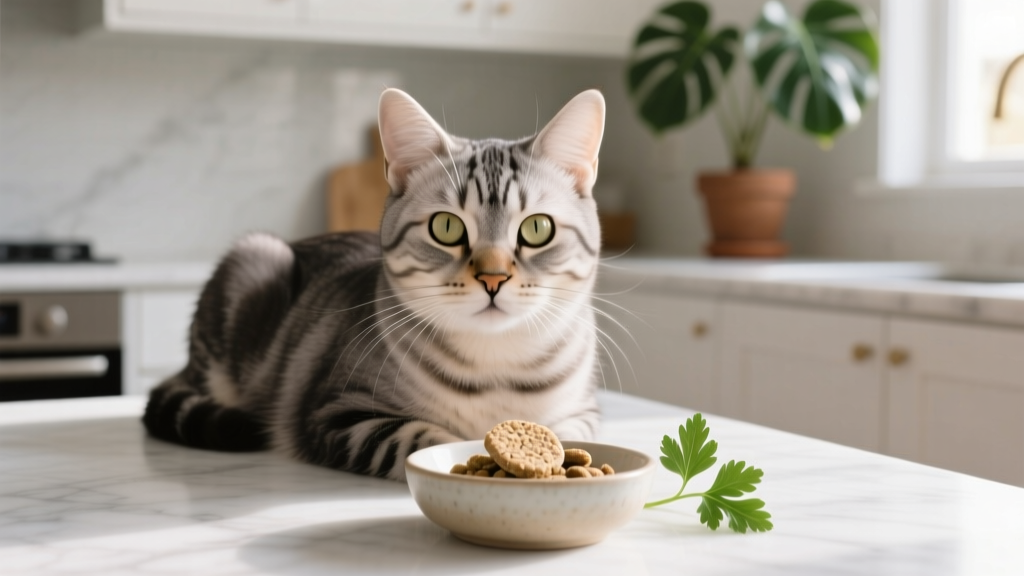
Only if your vet approves and they are compatible with the trial. Many vets recommend using the same kibble as treats or offering a portion of the wet food as a “treat” to avoid accidental exposure.
4) What if my cat refuses the new food?
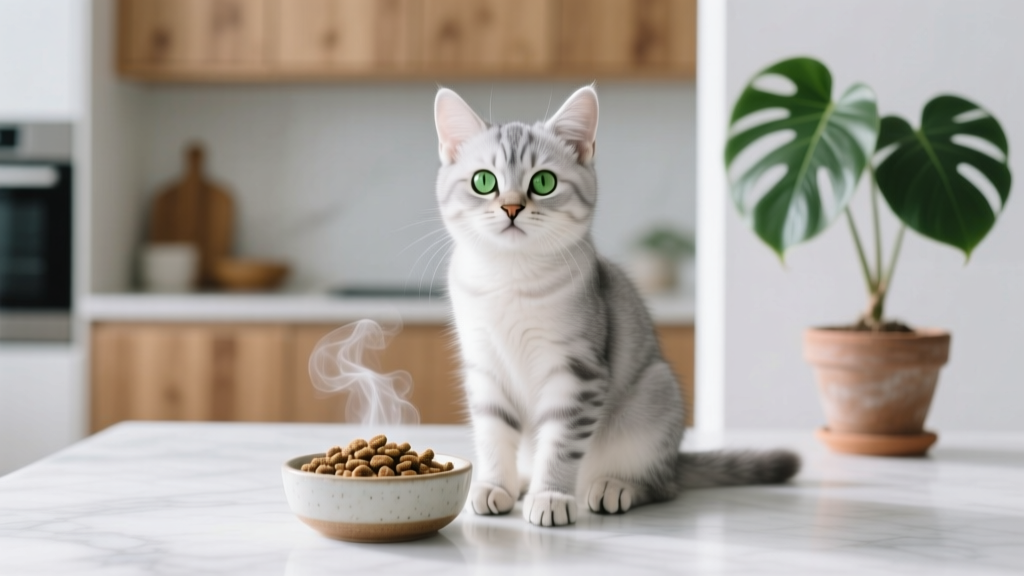
Don’t allow prolonged fasting—cats are at risk of hepatic lipidosis. Offer small, frequent meals, warm wet food slightly to increase aroma, and transition more gradually. If refusal lasts more than 24 hours (or sooner in small, sick, or overweight cats), contact your veterinarian.
5) Should I choose wet or dry for food intolerance?
Either can work if it’s complete and balanced and fits the trial rules. Wet food often helps hydration and may be easier on some sensitive cats. Some cats do well on a combination, but during a diagnostic trial, keep all foods within the same therapeutic line as directed by your vet.
6) After the trial, how do I confirm what ingredient caused the problem?
Your veterinarian may recommend a controlled “challenge” by reintroducing the old diet or specific ingredients one at a time. This step is what turns a helpful guess into a confirmed trigger list, and it should be done with veterinary guidance—especially if your cat’s past reactions were severe.
Veterinary reminder: If your cat has persistent vomiting/diarrhea, weight loss, blood in stool, severe itching, frequent ear infections, or any sudden change in appetite or behavior, schedule a veterinary visit. Diet is powerful, but it works best as part of a clear medical plan.
Want more practical, science-based feeding guidance? Explore the nutrition library on catloversbase.com for more cat health and diet guides tailored to real-life cat households.