Feeding Cats With Cognitive Decline: MCT Oil Supplementation
1) Why this nutrition topic matters for cat health
Cats are living longer than ever, and with that longevity comes a rise in age-related cognitive changes. Senior cats may develop signs consistent with feline cognitive dysfunction (sometimes described as “cat dementia”), including disorientation, altered sleep-wake cycles, reduced social interaction, house-soiling, increased vocalization, and changes in learning or memory. While cognitive decline is complex and not solved by a single supplement, nutrition can play a meaningful supporting role—especially when the brain’s ability to use glucose efficiently may change with age.
Medium-chain triglyceride (MCT) oil has attracted attention because it can provide an alternative fuel source (ketone bodies) that some brains can use when glucose metabolism is less efficient. Used thoughtfully and under veterinary guidance, MCT supplementation may help support brain energy metabolism, behavior, and overall quality of life in some senior cats.
2) Scientific background: feline nutritional needs and obligate carnivore biology
Cats are obligate carnivores. Their metabolism is adapted to a diet naturally high in animal protein and fat, and low in carbohydrate. This affects how cats handle energy, amino acids, and certain vitamins:
- High protein requirement: Cats rely heavily on amino acids for daily metabolic functions. They have limited ability to downregulate protein breakdown compared with omnivores.
- Dietary fat is a major energy source: Fat provides concentrated calories and essential fatty acids (like arachidonic acid) that cats must obtain from animal sources.
- Limited carbohydrate reliance: Cats can digest and use carbohydrates, but they are not nutritionally essential for most cats when the diet is complete and balanced.
- Essential nutrients from animal tissues: Taurine, preformed vitamin A, and certain long-chain fatty acids are required and are naturally abundant in animal-based ingredients.
For senior cats, nutrition has additional goals beyond “meeting minimum requirements.” Many older cats experience reduced lean body mass, dental disease, kidney changes, arthritis, altered appetite, or gastrointestinal sensitivity. Brain health is part of that senior-care picture.
3) Detailed analysis: MCT oil and cognitive decline (evidence-based view)
What MCT oil is (and how it differs from other fats)
MCT oil is a concentrated source of medium-chain triglycerides—fats typically made of medium-chain fatty acids such as caprylic acid (C8) and capric acid (C10). These fats are absorbed and metabolized differently than long-chain fats found in most meats and fish oils:
- Faster absorption: MCTs are absorbed more readily and transported to the liver more quickly.
- Ketone production: The liver can convert MCTs into ketone bodies, which can be used as an energy source by many tissues, including the brain.
- Not the same as omega-3s: MCTs are not anti-inflammatory omega-3 fatty acids (EPA/DHA). They serve a different purpose nutritionally.
Why ketones may matter for aging brains
In some aging animals and humans, the brain’s ability to use glucose efficiently may decline, contributing to reduced energy availability for neurons. Ketone bodies can provide an alternate fuel. The theory behind MCT supplementation is that increasing ketone availability may support brain energy metabolism and, in turn, cognitive function or behavior.
Evidence supporting MCTs is strongest in dogs with cognitive dysfunction, where some studies have shown improvements in certain cognitive measures when MCTs were included in the diet. Cat-specific data is more limited, and feline cognitive dysfunction is less studied overall. That doesn’t mean MCTs cannot help cats—it means expectations should be realistic and changes should be monitored carefully with a veterinarian.
Potential benefits (what to expect, and what not to expect)
For some cats, MCT supplementation may support:
- Energy and engagement: Some owners report improved alertness or interaction.
- Sleep-wake patterns: A subset of pets may show improved restlessness or nighttime wakefulness.
- Overall condition: MCTs add calories, which may help thin seniors when used carefully (without displacing essential nutrients).
MCTs are not a cure for cognitive decline, and they won’t replace environmental enrichment, medical evaluation, pain control, hearing/vision support, or treatment of underlying disease.
Safety considerations and side effects
The most common limitation is gastrointestinal tolerance. Too much MCT oil too fast can cause:
- Loose stool or diarrhea
- Vomiting or nausea
- Reduced appetite (food aversion if the taste/smell is noticeable)
MCT oil also adds calories rapidly. In a cat that is already overweight or has low activity, unmeasured supplementation can contribute to weight gain. For cats with a history of pancreatitis or significant gastrointestinal disease, any added fat should be discussed with a veterinarian before use.
How MCT oil fits with other brain-supportive nutrition
MCTs are one tool. A comprehensive senior brain-supportive approach may also include:
- Omega-3 fatty acids (EPA/DHA): Structural and anti-inflammatory roles; commonly used for brain, skin, and joint support.
- Antioxidants: Nutrients such as vitamins E and C (within a balanced diet) help counter oxidative stress.
- B vitamins: Important for neurologic function and energy metabolism; deficiencies or borderline levels can worsen neurologic signs.
- Adequate high-quality protein: Supports lean mass and helps maintain overall function in seniors (unless restricted for a medical reason).
Because cats are obligate carnivores, avoid using MCT oil as a “shortcut” in place of a complete, balanced senior diet. It’s a supplement—not a foundation.
4) Practical recommendations for cat owners
Start with a veterinary check before supplementing
Cognitive decline signs can mimic or overlap with treatable medical issues: hyperthyroidism, hypertension, kidney disease, pain/arthritis, diabetes, hearing or vision loss, dental disease, urinary tract disease, and brain disorders. Ask your veterinarian about senior screening (bloodwork, urinalysis, blood pressure, thyroid testing) before assuming “it’s just aging.”
Choosing an MCT oil (what to look for)
- Plain, pet-appropriate product: No xylitol, flavorings, essential oils, or sweeteners.
- Prefer C8/C10-based MCTs: Many human MCT oils are primarily caprylic (C8) and capric (C10), which are commonly used for ketone production.
- Quality controls: Reputable brand with clear sourcing and batch testing when available.
- Packaging: Opaque or well-sealed container to reduce oxidation and maintain freshness.
Feeding tips for better acceptance
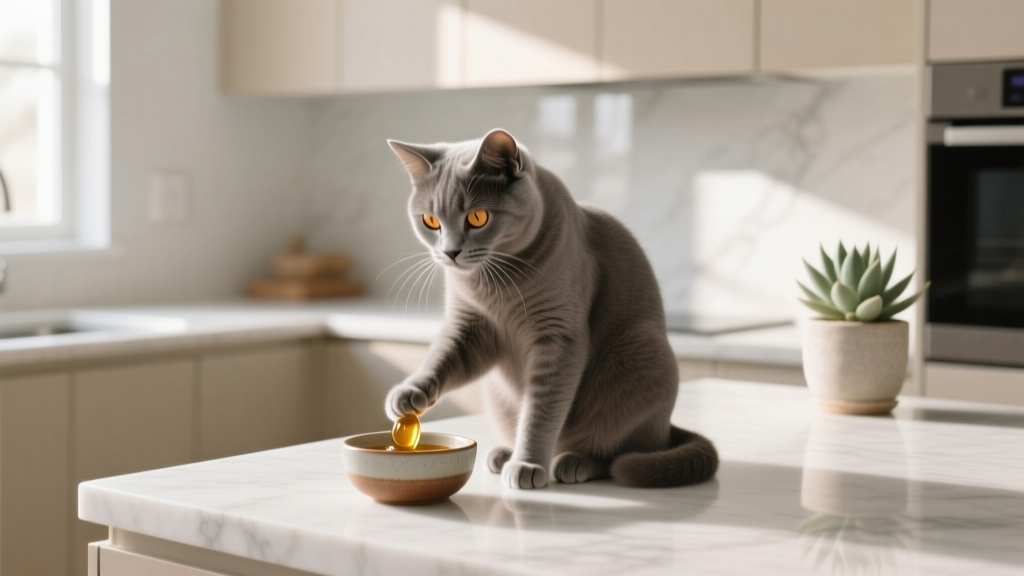
- Mix thoroughly into a strongly scented wet food to mask aroma.
- Offer as part of a meal (not on an empty stomach) to improve tolerance.
- Keep the rest of the diet stable while introducing MCTs so you can identify what’s causing any GI upset.
5) Comparison of options: MCT approaches and alternatives
| Approach | Pros | Cons / Cautions | Best for |
|---|---|---|---|
| Adding MCT oil to a complete senior diet | Flexible dosing; can be stopped easily; may support brain fuel | GI upset if introduced quickly; adds calories; may not be tolerated by some cats | Cats who eat wet food reliably and need gradual, adjustable support |
| Veterinary therapeutic senior/cognitive diets | Balanced formula; may include targeted nutrients (antioxidants, omega-3s, etc.) | Some cats dislike the taste; may be costlier; may not include meaningful MCTs | Owners who want an “all-in-one” plan and cats who accept the diet |
| Omega-3 supplementation (EPA/DHA) | Evidence for inflammation modulation; supports skin/joints; potential cognitive support | Can cause GI upset; dosing must be appropriate; quality varies | Cats with arthritis, skin issues, or multi-system aging support needs |
| Environmental + feeding enrichment | No supplement risks; improves quality of life; supports cognitive engagement | Requires time/consistency; may be limited by mobility issues | All cats—especially seniors with boredom, anxiety, or disrupted routines |
Coconut oil vs MCT oil: Coconut oil contains some MCTs but also contains longer-chain saturated fats and is less concentrated in C8/C10 than many purified MCT oils. That makes dosing less predictable and may increase GI side effects. If you and your veterinarian choose to try this strategy, a true MCT oil is generally the more controlled option.
6) Common mistakes and misconceptions to avoid
- Myth: “MCT oil cures dementia.”
Reality: Cognitive decline is multifactorial. MCTs may support brain energy metabolism in some pets, but results vary and are often modest. - Mistake: Starting with a full dose on day one.
This is the fastest way to cause diarrhea and create food aversion. Slow introduction is key. - Myth: “If a little helps, more is better.”
Reality: More increases calorie load and GI risk, and it may not improve outcomes. - Mistake: Replacing meals with oils or adding oils to an unbalanced home diet.
Cats need a complete and balanced diet with adequate protein, taurine, vitamins, and minerals. Oils don’t supply those essentials. - Myth: “Any behavioral change in a senior cat is cognitive decline.”
Reality: Pain, hyperthyroidism, hypertension, kidney disease, dental disease, and sensory decline can mimic cognitive changes and should be ruled out.
7) How to implement changes safely (transition tips)
Use your veterinarian as your dosing guide, especially if your cat has kidney disease, pancreatitis history, diabetes, IBD, or is on medications. A cautious, cat-friendly implementation plan often looks like this:
| Timeframe | What to do | What to monitor |
|---|---|---|
| Days 1–3 | Add a very small amount mixed into a full meal (wet food preferred). Keep the rest of the diet unchanged. | Stool quality, appetite, vomiting, willingness to eat the meal |
| Days 4–7 | If well tolerated, increase slightly. Maintain consistent timing (same meal each day). | Any GI changes; overall activity; sleep patterns |
| Weeks 2–4 | Work with your veterinarian to adjust toward a target dose (if appropriate). Consider keeping a behavior log. | Weight, body condition, hydration, litter box habits, behavior trends |
Helpful tracking idea: Keep a simple weekly log: nighttime vocalization frequency, litter box accidents, interaction/play interest, grooming, and appetite. Cognitive changes are subtle—notes help you and your veterinarian judge whether the plan is beneficial.
8) Special considerations (age, health conditions, activity level)
- Very old cats (15+ years): Frailty and GI sensitivity are common. Go slower than you think you need to, and prioritize maintaining appetite and stable stool.
- Underweight or muscle loss: MCTs add calories, but they don’t prevent muscle wasting by themselves. Ensure your cat’s diet provides adequate high-quality animal protein and that medical causes of weight loss (thyroid disease, kidney disease, cancer) are investigated.
- Overweight cats: Be cautious. Oils are calorie dense. If weight loss is needed, a vet-designed plan matters more than any single supplement.
- Diabetes: MCTs may affect energy balance and appetite. Work with your vet so insulin dosing and weight goals remain appropriate.
- Kidney disease: Many CKD cats are seniors and may show cognitive or behavior changes. Any fat supplementation should be individualized to avoid appetite disruption and to keep overall nutrition adequate (especially phosphorus management if prescribed).
- Pancreatitis history or chronic GI disease: Added fats can worsen symptoms in some cats. This is a “do not experiment without veterinary approval” scenario.
- Low activity or arthritis: Combine nutrition with comfort-focused changes: easy-access litter boxes, ramps/steps, warm bedding, pain management, and gentle play to reduce stress and confusion.
FAQ: MCT oil for cats with cognitive decline
1) How quickly might I see changes after starting MCT oil?
If MCTs help, changes are usually gradual—often noticed over a few weeks rather than days. Track behavior and sleep patterns weekly. If there’s no improvement after a reasonable trial guided by your veterinarian, it may not be the right tool for your cat.
2) Can I just give coconut oil instead?
Coconut oil is not the same as MCT oil. It contains a mix of fats, with less predictable amounts of the most ketogenic MCTs (C8/C10). It may also cause GI upset more easily. If you’re considering either, discuss the specific product and dose with your veterinarian.
3) Is MCT oil safe for all senior cats?
No. Many cats tolerate small amounts, but cats with a history of pancreatitis, significant GI disease, or complex metabolic issues may not be good candidates. Safety depends on the individual cat’s health status and total diet.
4) Will MCT oil make my cat gain weight?
It can. MCT oil is calorie dense. For thin seniors, that may be helpful; for overweight cats, it can be counterproductive. Your veterinarian can help set a goal weight and adjust calories so supplementation doesn’t unintentionally cause weight gain.
5) Should I switch foods at the same time I add MCT oil?
Usually, no. Introduce one change at a time. If you switch diets and add MCT oil simultaneously, it’s hard to know what caused vomiting, diarrhea, appetite changes, or improvements.
6) What else should I do alongside nutrition for cognitive support?
Pair nutrition with predictable routines, gentle play, puzzle feeders (if your cat enjoys them), night lights for disorientation, easy-access litter boxes, and veterinary assessment for pain, hypertension, kidney disease, thyroid disease, and sensory decline.
Bottom line: MCT oil supplementation may offer a practical, targeted way to support brain energy metabolism in some cats with cognitive decline, but it should be introduced slowly, measured carefully, and tailored to your cat’s medical history and body condition. Work with your veterinarian to decide whether it belongs in your cat’s plan and to choose an appropriate dose and monitoring strategy.
For more practical, science-based feeding tips for every life stage, explore more nutrition guides on catloversbase.com.