Cat Food Retort Processing: Wet Food Sterilization Method
1) Is retort-processed wet food “safe” for my cat every day?
Yes, when it’s labeled complete and balanced for your cat’s life stage and stored/handled correctly. Retort processing is designed for high safety and long shelf stability. For cats with medical conditions, ask your vet which formulation is appropriate.
2) Does retort processing reduce taurine too much?
Processing and the food matrix can affect taurine levels, which is why reputable wet cat foods are formulated with adequate taurine and validated to meet nutrient standards. Avoid relying on “supplemental-only” products as the main diet.
3) Are dents or swelling in cans a real danger?
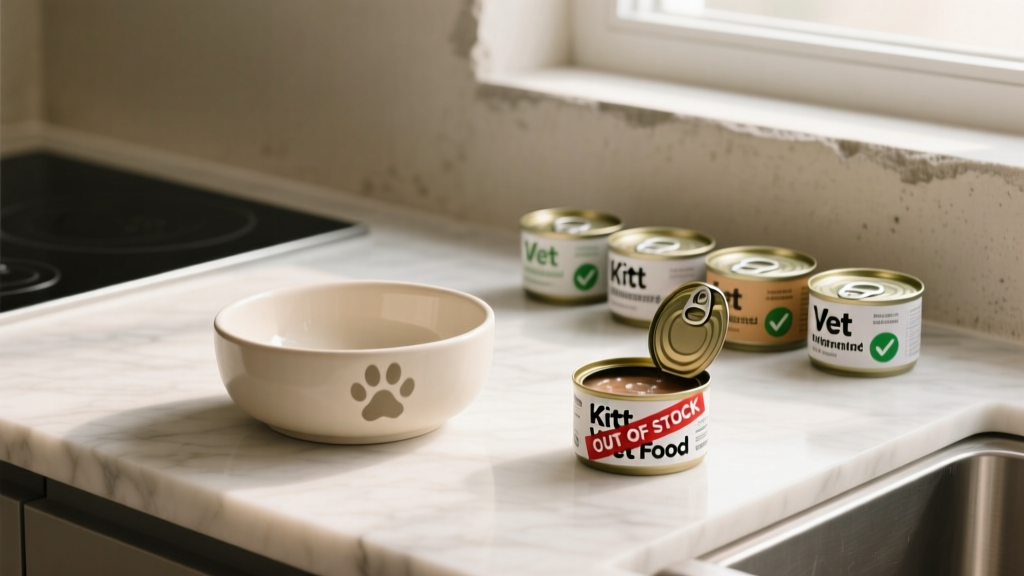
Yes. Swollen, leaking, or severely dented cans (especially dents on seams) can indicate a compromised seal and potential microbial growth. Discard damaged products and contact the manufacturer/retailer.
4) Is a retort pouch better than a can?
Not inherently. Both can deliver excellent nutrition. Choose based on your cat’s preferences, your portion needs, and the product’s nutritional adequacy and quality control.
5) Can I feed only wet food, or should I mix wet and dry?
Many cats thrive on an all-wet diet if it’s complete and balanced and calories are managed. Mixed feeding can also work well. The best choice depends on your cat’s hydration needs, dental status, weight goals, and medical history—review the plan with your veterinarian.
6) Is retorted wet food better than raw for nutrition?
Retorted wet food generally offers a much stronger food safety profile and consistent nutrient delivery when properly formulated. Raw diets carry pathogen risks and are commonly unbalanced unless formulated and handled with expert-level care. If you’re considering raw, discuss the risks with your vet first.
Vet guidance matters: Even the best general advice can’t replace individualized veterinary nutrition recommendations, especially for kittens, seniors, and cats with urinary, kidney, GI, or endocrine disease.
Want more practical, science-based feeding help? Explore additional cat nutrition guides and wet food resources on catloversbase.com.