The Impact of Dietary Calcium on Cat Bone Health
1) How do I know if my cat’s food has the right calcium level?
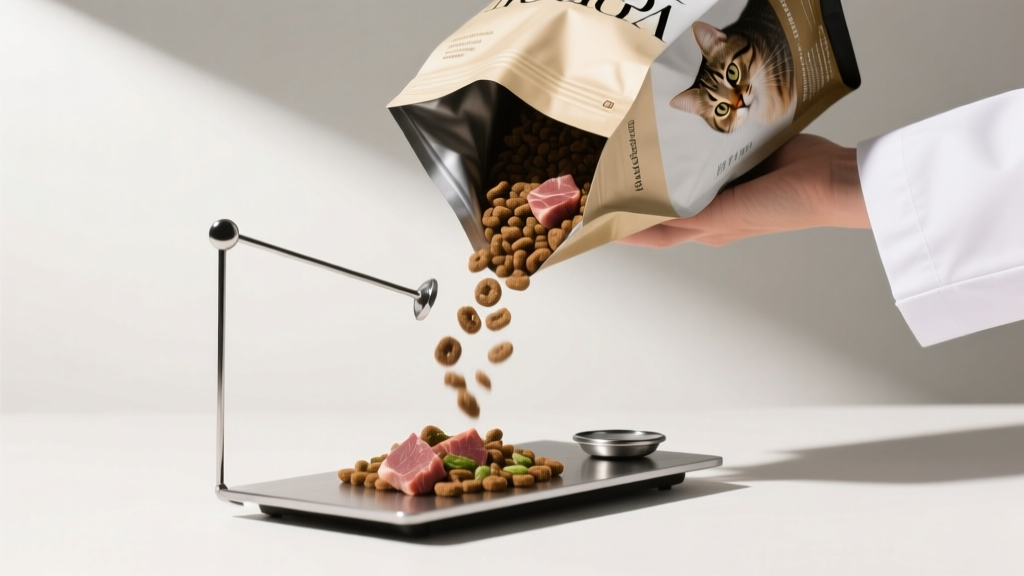
The most reliable indicator is a “complete and balanced” statement meeting AAFCO or FEDIAF for your cat’s life stage. If you want more detail, some brands provide typical analysis for calcium and phosphorus; your veterinarian can help interpret it based on your cat’s health history.
2) Can I use eggshell powder to add calcium to my cat’s meals?
Only if you are following a recipe formulated to include it. Eggshell powder varies by grind and density, and “pinches” or spoonfuls can easily lead to overdosing. If your cat eats a complete commercial food, adding eggshell is not recommended unless your vet instructs it.
3) Is raw feeding better for bone health because it includes bones?
Not automatically. Raw diets can be unbalanced if the bone content is too high or too low, and they carry additional risks (constipation, tooth fractures, choking, pathogens). If you choose raw, work with a veterinarian or veterinary nutritionist to ensure the diet is complete and appropriately balanced.
4) Does wet food vs dry food change calcium needs?
Calcium requirements are based on nutrient intake, not food texture. Both wet and dry foods can be properly balanced. Wet food can help hydration, which may benefit urinary health, but calcium balance still depends on the formulation.
5) My cat has high calcium on bloodwork. Should I switch foods?
Don’t change diets or add supplements without veterinary guidance. Hypercalcemia can have several medical causes, and your vet may recommend additional diagnostics and a diet tailored to your cat’s overall condition.
6) What are warning signs that a diet may be mineral-imbalanced?
Signs can be subtle and nonspecific: constipation, poor growth in kittens, lameness, fractures after minor trauma, weakness, or persistent poor coat quality. These can also indicate many other conditions, so a veterinary exam and diet review are the safest next step.
For most cats, the best way to support bone health through calcium is simple: feed a reputable complete-and-balanced diet appropriate for the life stage, avoid unneeded supplementation, and work with your veterinarian if you’re considering home-prepared feeding or managing a medical condition. Explore more practical feline nutrition guides on catloversbase.com to keep your cat’s diet smart, safe, and truly species-appropriate.