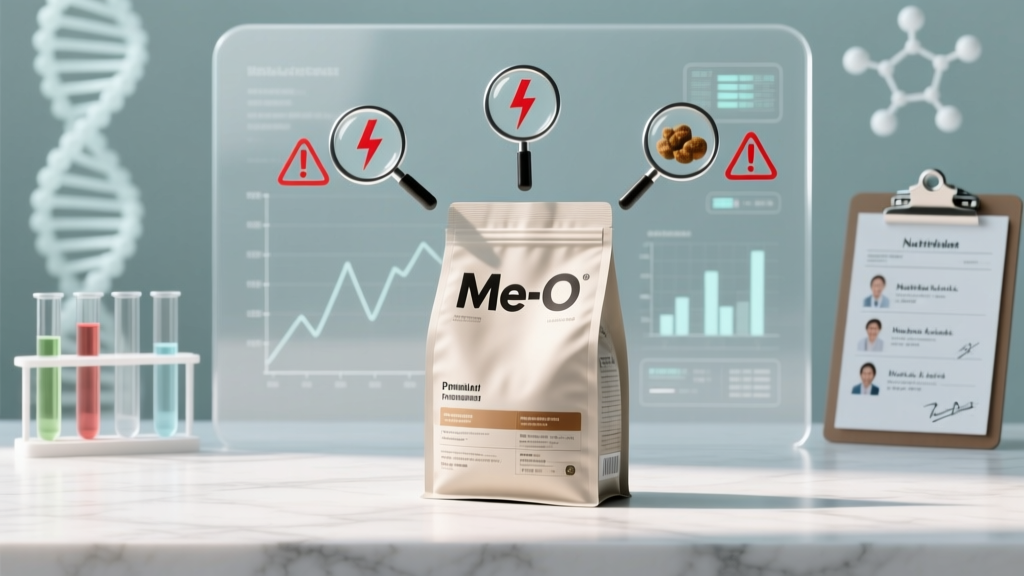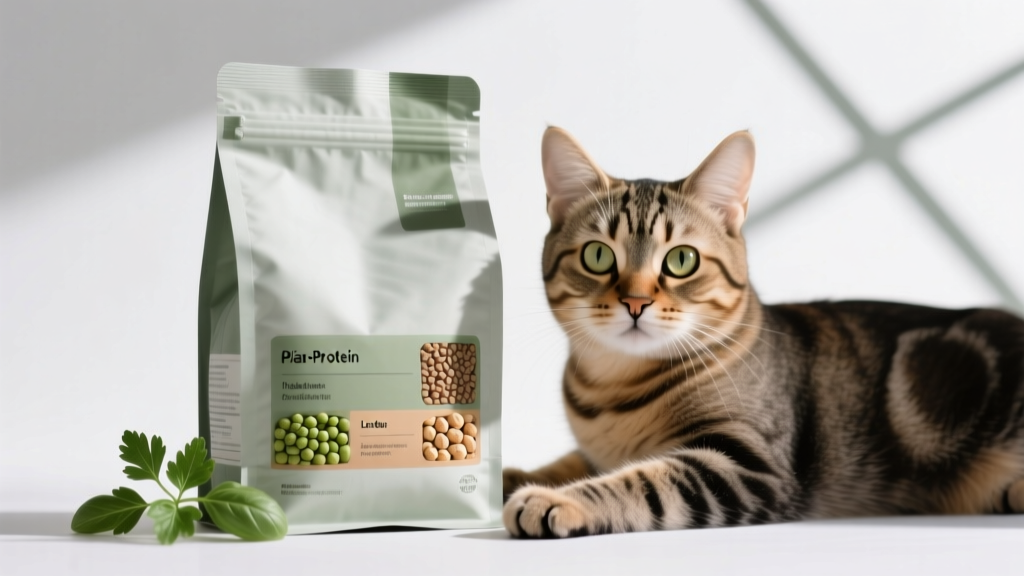
Cat Food Plant Protein Limitations: Missing Essential Aminos
1) Why this topic matters for cat health
Many cat owners want to make thoughtful choices about ingredients, sustainability, allergies, or cost. That often leads to questions like: “Can my cat thrive on plant-forward foods?” or “If the label says high protein, does it matter where the protein comes from?” For cats, it matters a lot. Cats are not small dogs—they have unique nutritional biology that depends on specific amino acids most reliably supplied by animal tissues.
Plant proteins can contribute to total protein numbers on a label, but they may fall short in key essentials (or provide them in less bioavailable forms). When essential amino acids are missing, unbalanced, or poorly absorbed, the body pays the price: reduced lean muscle, skin and coat issues, impaired immune function, eye and heart disease risk, and problems with growth and reproduction.
This guide explains what “missing essential aminos” means for cats, why plant proteins have limitations, and how to choose diets that meet feline needs safely and confidently—always with your veterinarian’s guidance for your individual cat.
2) Scientific background: obligate carnivore nutrition
Cats are obligate carnivores. That means their metabolism evolved around eating prey (animals), not plants. While cats can digest some plant ingredients, their nutrient requirements are built around animal-derived amino acids and fats.
Key reasons cats are different
- Higher protein requirement: Cats use protein as a primary energy source and have limited ability to downshift protein metabolism when intake drops.
- Essential amino acids with narrow margins: Cats have unusually high needs for certain amino acids, especially taurine and arginine.
- Preformed nutrients from animal tissues: Cats require preformed vitamin A (retinol) and are not efficient at converting plant carotenoids. They also need arachidonic acid, typically found in animal fats.
What “complete and balanced” actually means
In the US, reputable commercial foods aim to meet AAFCO nutrient profiles for the cat’s life stage (growth/reproduction or adult maintenance). In many regions, FEDIAF guidelines play a similar role. These standards include minimums (and some maximums) for essential amino acids and other nutrients. A food can be “complete and balanced” either by:
- Formulation: Designed to meet nutrient profiles on paper, or
- Feeding trials: Tested in real cats under controlled conditions.
Plant proteins can appear in complete diets, but the amino acid balance and bioavailability must still meet feline requirements. The challenge is that plant protein sources often need significant supplementation and careful processing to prevent deficiencies.
3) Detailed analysis: plant protein limitations and missing essential aminos
Essential amino acids cats must get from diet
Like all mammals, cats need essential amino acids they can’t synthesize in sufficient amounts. A few are particularly critical in feline nutrition:
| Amino acid | Why it matters in cats | What can go wrong if deficient | Plant protein limitation |
|---|---|---|---|
| Taurine | Heart function, vision (retina), bile acid conjugation, reproduction | Dilated cardiomyopathy (DCM), retinal degeneration, poor growth, reproductive failure | Virtually absent in plants; must be added if diet relies heavily on plant ingredients |
| Arginine | Urea cycle detoxifies ammonia from protein metabolism | Acute hyperammonemia (can be life-threatening), drooling, vomiting, neurologic signs | Present in some plant proteins but may be insufficient depending on ingredient mix and digestibility |
| Methionine (and cysteine) | Methylation, skin/coat, antioxidant pathways; helps support urinary acidification | Poor coat, reduced growth, potential urinary concerns when diet is poorly formulated | Often lower in legumes; may require supplementation |
| Lysine | Muscle maintenance, immune function | Reduced growth/lean body mass, poor protein utilization | Can be limiting in grains; processing can impact availability |
| Arachidonic acid (not an amino acid, but closely tied to animal sourcing) | Skin, inflammation signaling, reproduction | Dermatologic problems, reproductive issues | Found in animal fats; plant oils provide linoleic acid but cats can’t reliably convert enough to arachidonic acid |
Why “protein %” on the label can be misleading
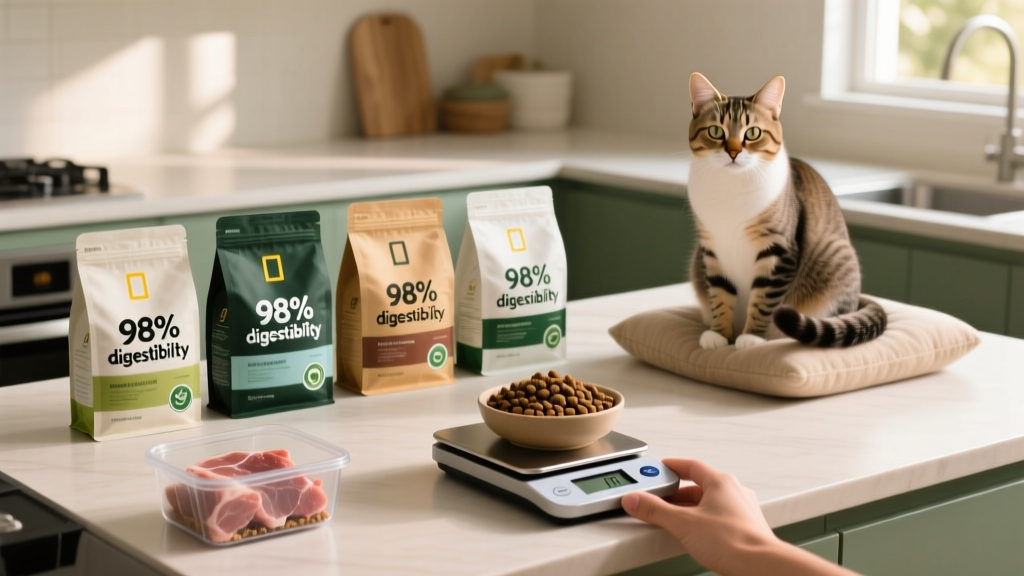
A bag can advertise “high protein” but still be a poor match for cats if the protein source isn’t providing the right amino acid pattern or if it’s not well digested. What matters:
- Amino acid profile: The balance of essential amino acids relative to feline needs.
- Digestibility and bioavailability: How much is absorbed and usable after digestion.
- Processing effects: Heat can reduce the availability of certain amino acids (especially lysine) through Maillard reactions, depending on formulation and manufacturing.
Common plant protein sources in cat food and their challenges
| Plant protein ingredient | Why it’s used | Typical nutritional concerns in cat diets |
|---|---|---|
| Pea protein / pea flour | Boosts protein %, helps kibble structure | May be lower in methionine; can contribute to higher carbohydrate load; fiber/anti-nutrients may affect digestibility in some formulas |
| Soy protein | High protein, consistent supply | Amino acid balance may require supplementation; palatability varies; not ideal for cats needing highly digestible animal-based protein |
| Potato protein | Raises protein %, grain-free formulations | Can skew amino acid profile; not a taurine source; needs careful balancing |
| Corn gluten meal / wheat gluten | Concentrated plant protein, supports kibble texture | Not inherently “bad,” but may be incomplete alone; must be balanced with animal proteins/supplements |
| Rice protein | Hypoallergenic marketing, digestibility | May be limiting in lysine; relies on other ingredients to balance |
Taurine: the headline issue for plant-heavy feeding
Taurine deserves special attention because cats have limited ability to synthesize enough of it from other amino acids and because plant ingredients contain negligible taurine. Well-formulated commercial cat foods add taurine, but risks rise when:
- Owners feed home-prepared plant-forward diets without veterinary formulation.
- Owners choose dog food or “all life stages” products not specifically formulated for cats.
- The diet is heavily plant-based and not tested with adequate quality control (batch variation, processing losses).
Anti-nutrients, fiber, and mineral binding
Some plant ingredients bring compounds that can reduce nutrient availability (depending on the ingredient and processing), such as phytates that bind minerals. Higher fiber levels can also alter stool quality and reduce energy density. Cats can do fine with modest fiber, but high plant inclusion can unintentionally increase:
- Stool volume and odor
- Gas in sensitive cats
- Lower caloric density, which can be problematic for kittens, seniors, and underweight cats
4) Practical recommendations for cat owners
- Choose “complete and balanced” cat food for your cat’s life stage (kitten vs adult vs senior). Look for AAFCO or equivalent statements.
- Prioritize animal-based proteins as primary protein sources when possible (poultry, beef, fish, eggs). Plant proteins can be included, but shouldn’t be the backbone unless the food is rigorously formulated and quality-controlled.
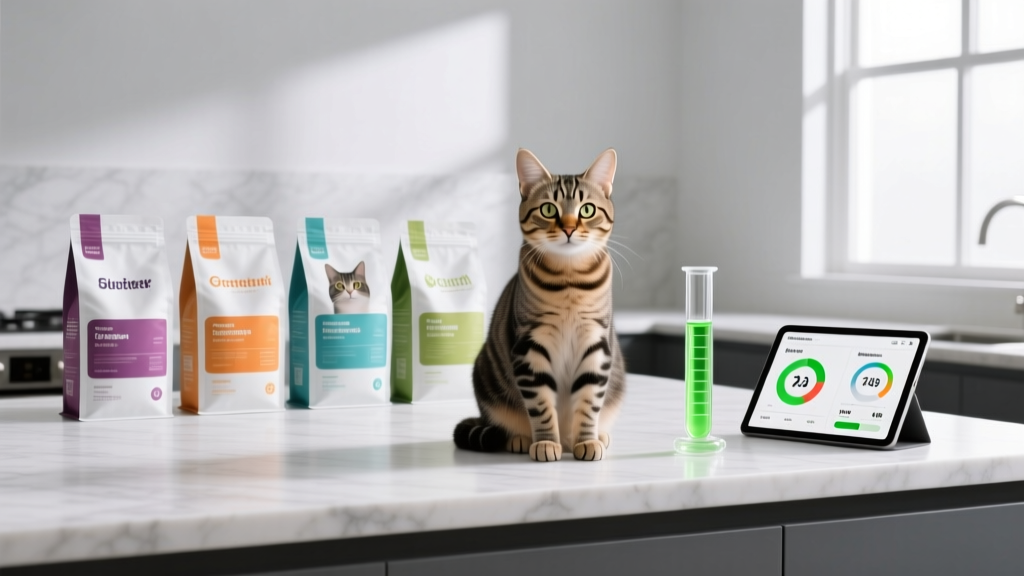
- Don’t rely on crude protein % alone. Compare the ingredient list, the manufacturer’s nutritional expertise, and whether they run feeding trials.
- Ask the manufacturer questions (reputable brands answer): Do you employ a veterinary nutritionist? Do you run AAFCO feeding trials? What is the typical taurine level in the finished product? What quality control testing is performed?
- Monitor your cat’s outcomes: lean body condition, coat quality, stool quality, energy level, and appetite.
If you’re considering a vegetarian or vegan approach for ethical reasons, speak with your veterinarian first and consider a consult with a board-certified veterinary nutritionist. This is not a DIY area for cats.
5) Comparison of approaches
| Approach | Pros | Cons / risks | Best fit for |
|---|---|---|---|
| Meat-forward commercial wet food | High moisture; often strong animal protein profile; supports urinary health for many cats | Cost; dental benefits often overstated (still need dental care) | Cats prone to urinary issues, low drinkers, many seniors |
| Meat-forward commercial dry food | Convenient; can be complete and balanced; helpful for food puzzles | Lower moisture; some formulas rely heavily on plant proteins for protein % | Owners needing convenience; cats that do well on dry and drink adequately |
| Plant-heavy “high protein” dry formulas (legume-forward) | May reduce some animal ingredient use; can meet nutrient profiles if well formulated | Greater reliance on supplementation; amino acid/bioavailability concerns; watch stool/GI tolerance | Only when from reputable brands with strong QC; discuss with vet for at-risk cats |
| Home-prepared plant-based diets | Owner control over ingredients | High risk of taurine/arginine and overall nutrient deficiencies; not recommended without boarded nutritionist formulation | Rare cases with professional formulation and strict adherence |
6) Common mistakes and misconceptions to avoid
- Myth: “Cats can thrive on the same plant-based diet as humans.”
Reality: Cats have strict requirements for taurine, arginine, preformed vitamin A, and arachidonic acid. Human nutrition logic doesn’t translate to feline biology. - Myth: “If the label says ‘complete and balanced,’ plant proteins don’t matter.”
Reality: “Complete and balanced” is a minimum standard. Ingredient quality, digestibility, manufacturing controls, and whether the diet is validated with feeding trials still matter—especially for kittens and medically fragile cats. - Myth: “Grain-free automatically means healthier.”
Reality: Grain-free often replaces grains with legumes or potatoes. That can increase reliance on plant protein concentrates without improving amino acid quality for cats. - Myth: “More protein is always better.”
Reality: Cats need adequate protein, but the right amino acid balance and overall diet (including calories, moisture, minerals) matters. Extremely high protein doesn’t fix poor formulation.
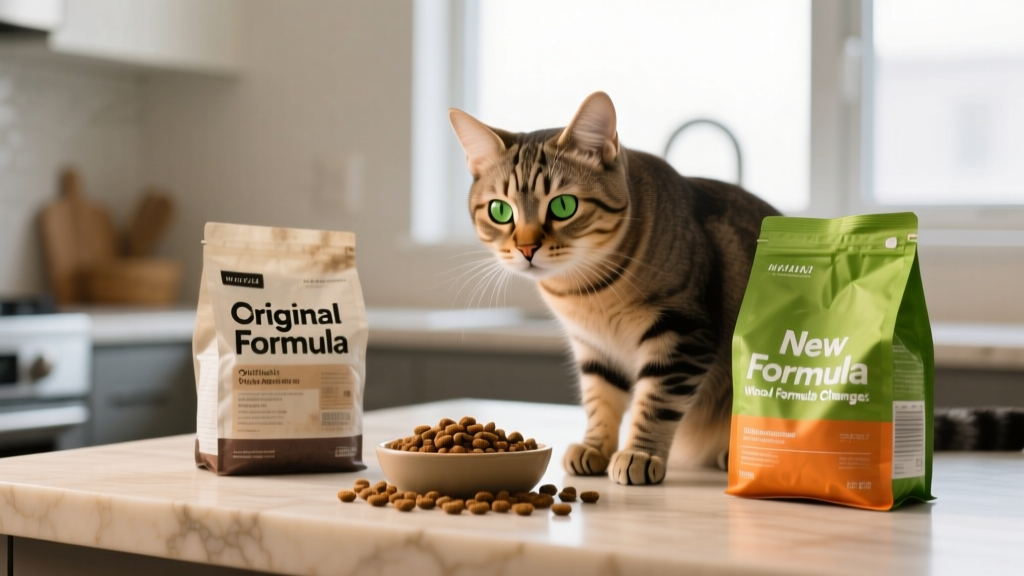
7) How to implement changes safely (transition tips)
Diet changes can trigger GI upset or food refusal, and cats are more prone than dogs to problems from not eating (including hepatic lipidosis in overweight cats). Transition gradually unless your veterinarian instructs otherwise.
Step-by-step transition plan (typical)
- Days 1–3: 75% old food + 25% new food
- Days 4–6: 50% old food + 50% new food
- Days 7–9: 25% old food + 75% new food
- Day 10+: 100% new food
Safety tips
- If your cat refuses food for 24 hours (or even less in kittens), call your veterinarian.
- For sensitive stomachs, slow the transition to 2–3 weeks.
- Track stool quality, vomiting, itching, and appetite changes during the switch.
- Weigh your cat weekly during diet changes; adjust portions with your vet if weight shifts unexpectedly.
8) Special considerations (age, health conditions, activity level)
Kittens and pregnant/nursing cats
- Need higher nutrient density and precise amino acid balance.
- Avoid experimental or boutique plant-forward diets unless your veterinarian strongly supports the choice and the diet has robust testing.
Seniors
- May benefit from highly digestible animal protein to maintain lean muscle.
- Monitor for kidney disease; dietary protein decisions for CKD should be made with a veterinarian, focusing on overall diet strategy (including phosphorus control), not just protein source.
Chronic kidney disease (CKD)
- Management often centers on phosphorus reduction, adequate calories, and individualized protein strategy.
- Don’t self-prescribe low-protein or plant-based diets; use veterinary therapeutic diets if recommended.
Food allergies and intolerances
- True food allergy is less common than many assume; GI disease, parasites, or environmental allergies can mimic it.
- Some cats need novel protein or hydrolyzed diets. Plant proteins are not automatically “hypoallergenic.” Work with your vet on an elimination diet trial.
Highly active cats vs indoor sedentary cats
- Active cats need more calories and sufficient high-quality protein to protect lean mass.
- Indoor sedentary cats need portion control first; don’t use plant protein as a shortcut—prioritize appropriate calories and satiety strategies (vet-approved).
9) FAQ
Is plant protein “bad” for cats?
Not inherently. Small to moderate amounts can be used in commercial foods. The concern is when plant proteins become the primary protein source, because cats have strict amino acid needs and plants don’t naturally supply taurine and may be limiting in other essentials. Choose reputable “complete and balanced” foods and ask your vet what best fits your cat.
If taurine is added to plant-heavy food, is that enough?
Taurine supplementation is necessary in plant-heavy diets, but it’s not the only issue. The diet still must meet requirements for arginine, methionine, arachidonic acid, vitamins, minerals, and overall digestibility. Manufacturing quality control and evidence (feeding trials) matter.
Can I feed my cat a vegan homemade diet if I add supplements?
This is high-risk without professional formulation. Cats have narrow nutritional margins, and deficiencies can cause severe disease. If you’re determined to pursue this, consult a veterinarian and request referral to a board-certified veterinary nutritionist to design a complete recipe and supplement plan, plus monitoring labs.
How can I tell if a food relies heavily on plant protein?
Check the ingredient list for multiple plant protein concentrates (pea protein, potato protein, gluten meals) high up in the list, especially if several appear before or alongside the first animal ingredient. Also compare the brand’s transparency: feeding trials, nutritionist involvement, and QC testing.
What are signs my cat’s diet may not be working?
Red flags include weight loss or muscle wasting, dull coat, chronic diarrhea or vomiting, low energy, poor appetite, and recurrent urinary issues. These signs can have many causes, so involve your veterinarian promptly.
Does wet food solve the plant protein issue?
Wet food often contains more animal-derived ingredients and improves hydration, but you still need to read labels. Some wet foods can be unbalanced if they are “complementary” or meant only for intermittent feeding. Look for “complete and balanced” statements and ask your veterinarian for guidance.
Bottom line: Cats require specific essential amino acids—especially taurine and arginine—that plant proteins don’t reliably provide in the right amounts or usable forms without careful formulation. Choose reputable, life-stage-appropriate, complete-and-balanced diets, and consult your veterinarian before making major dietary changes or pursuing plant-forward feeding plans.
If you want more practical, vet-aligned guidance on choosing the best diet for your cat, explore more nutrition guides on catloversbase.com.