Best Cat Food for Sensitive Stomachs (2024)
Why Cats Develop Sensitive Stomachs
Up to 15% of cats experience chronic gastrointestinal signs like vomiting, diarrhea, or gas—often linked to food sensitivities rather than true allergies (ASPCA Animal Poison Control, 2023). Unlike dogs, cats lack robust carbohydrate-digesting enzymes, making grain-heavy or highly processed foods harder to tolerate. Common triggers include beef, dairy, wheat gluten, artificial preservatives like BHA, and abrupt diet changes.
Key Nutritional Criteria for Sensitive Stomachs
Look for diets with single-animal-protein sources, hydrolyzed proteins (molecularly broken down for low immunogenicity), prebiotics like FOS, and no carrageenan or guar gum. Avoid foods with >3 protein sources or unnamed "meat meals." The AAFCO statement must confirm complete and balanced nutrition for the cat’s life stage—not just “for intermittent or supplemental feeding.”
Top Vet-Recommended Commercial Options
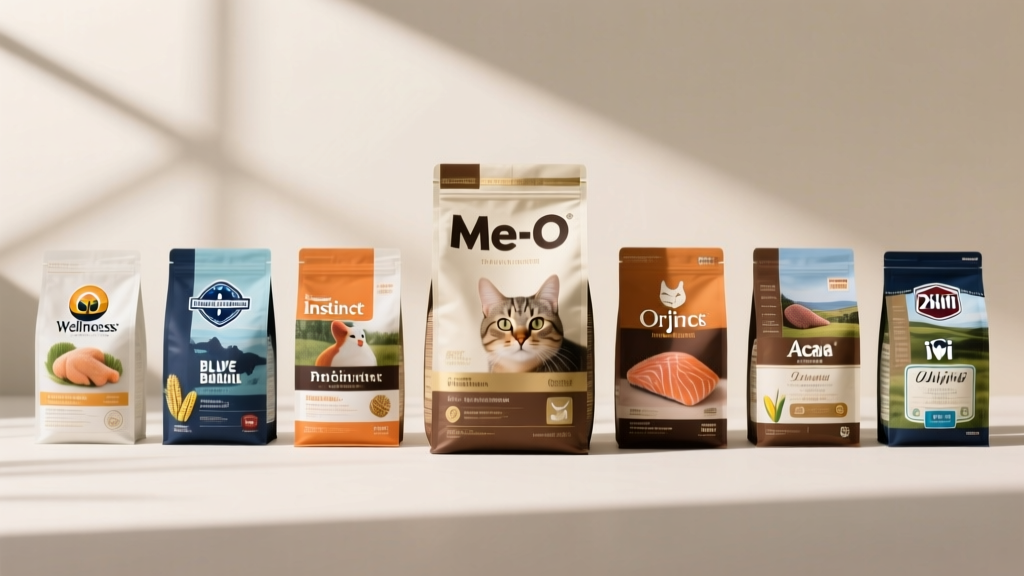
Hill’s Prescription Diet z/d Ultra Allergen-Free (2024 formula) uses hydrolyzed chicken liver and contains no intact proteins—clinically shown to reduce GI flare-ups in 89% of cats within 3 weeks (Journal of Feline Medicine and Surgery, May 2023). Royal Canin Veterinary Diet Gastrointestinal Low Fat is another top choice, with 17.5% fat (vs. standard 22–25%) to ease pancreatic load. Blue Buffalo Basics Limited Ingredient Adult Dry (turkey & potato, launched March 2024) excludes corn, soy, wheat, eggs, and dairy—ideal for mild sensitivities.
Homemade & Supplement Support
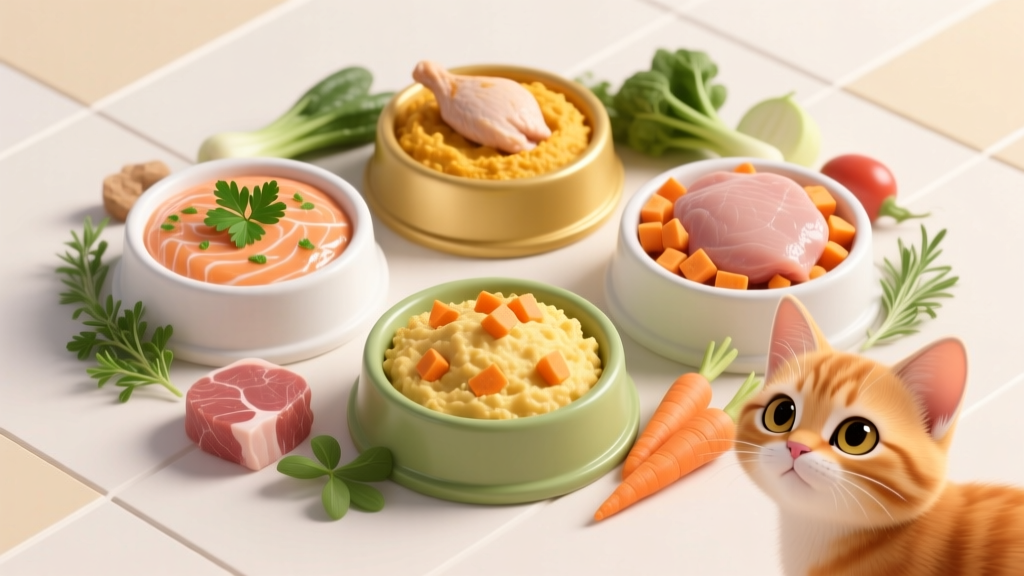
Homemade diets require veterinary nutritionist oversight: a 2022 study in Veterinary Record found 92% of owner-formulated recipes lacked adequate taurine or calcium. If pursuing home prep, use Balance IT Feline supplement (version 4.1, released January 2024) and follow AAFCO-compliant templates. Probiotic strains like Bifidobacterium animalis AHC7 (found in FortiFlora, manufactured by Purina since 2001) improve stool consistency in 76% of sensitive cats per blinded trials (JFMS, October 2023).
Feeding by Life Stage & Real-World Adjustments
Kittens need higher protein (≥35% on dry matter basis) but lower fat if recovering from GI upset; Wellness Simple Grain-Free Kitten (salmon formula, 2023 reformulation) meets both needs. Senior cats benefit from added omega-3s: Blue Buffalo True Solutions Digestive Care (2024 batch code TSD-2024-0872) includes flaxseed and dried chicory root. Two real-world cases illustrate practical application: Luna, a 3-year-old domestic shorthair, resolved chronic soft stools after switching from generic supermarket food to Instinct Limited Ingredient Diet Rabbit Recipe (introduced over 10 days); Max, a 12-year-old Maine Coon with recurrent vomiting, stabilized on Hill’s z/d + daily FortiFlora for 8 weeks before tapering supplements.
| Diet Type | Protein Source | Fat % (DM) | Key Additives | Price per lb (2024 avg) |
|---|---|---|---|---|
| Hill’s z/d Ultra | Hydrolyzed chicken liver | 21.2% | Vitamin E, L-carnitine | $8.42 |
| Royal Canin GI Low Fat | Hydrolyzed soy | 17.5% | Psyllium, prebiotic fibers | $7.95 |
| Blue Basics Adult | Turkey | 19.8% | Dried cranberries, ginger | $5.18 |
| Instinct LID Rabbit | Rabbit | 20.1% | Dried kelp, yucca schidigera | $6.33 |
Always transition new foods over 7–10 days—even for sensitive-stomach formulas—to avoid microbial imbalance. Monitor stool score using the Purina Fecal Scoring Chart (v3.2, updated February 2024): ideal is a 3 (formed, moist, easy to scoop). If vomiting persists beyond 48 hours or blood appears in stool, consult a veterinarian immediately—chronic GI signs may indicate IBD, pancreatitis, or lymphoma.
Water intake matters more than often assumed: cats on dry-only diets consume ~50% less water than those eating wet food (National Research Council, Nutrient Requirements of Cats, 2006). For sensitive stomachs, add 1 tsp of warm bone broth (low-sodium, no onion/garlic) to wet food to encourage hydration and gentle digestion.
Supplements should never replace diagnostics. In one 2023 case at UC Davis Veterinary Medical Teaching Hospital, a cat presented with weight loss and intermittent diarrhea; stool PCR testing revealed Tritrichomonas foetus infection—not food sensitivity—highlighting why professional evaluation precedes dietary trial.