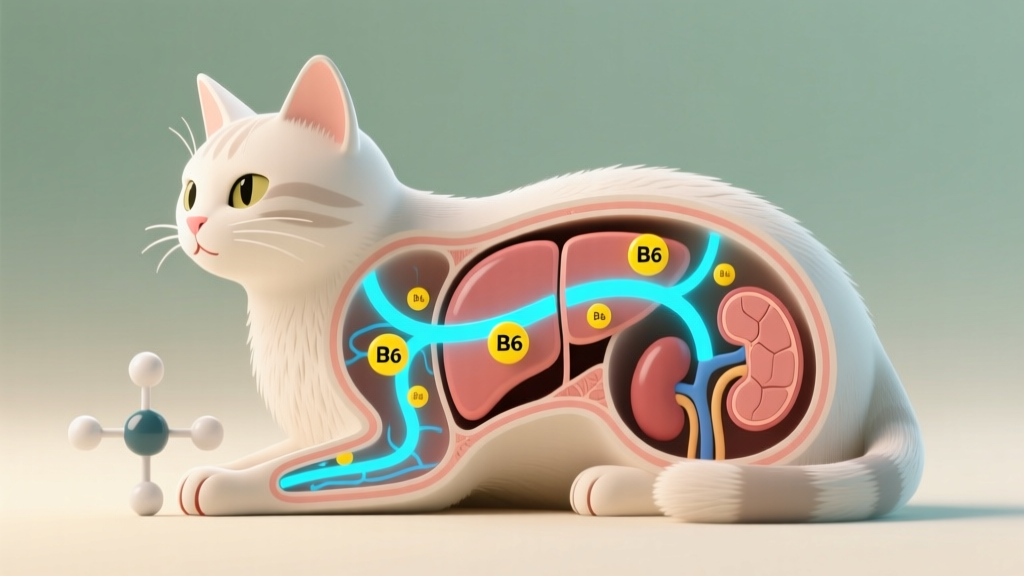
The Role of Pyridoxine (B6) in Feline Protein Metabolism
1. Why this nutrition topic matters for cat health
Cats are built to run on protein. Compared with many other pets, they rely heavily on amino acids for day-to-day energy, tissue repair, and healthy immune function. That makes the nutrients that “unlock” protein metabolism especially relevant—and pyridoxine (vitamin B6) is one of the key players.
Vitamin B6 doesn’t provide calories, but it helps cats use the protein they eat. When B6 status is suboptimal, the body struggles to convert amino acids into the compounds it needs, and that can ripple into skin and coat quality, neurologic function, appetite, red blood cell health, and immune resilience. For owners trying to feed the best possible diet, understanding B6 is a practical way to evaluate food quality, home-prepared recipes, and supplement choices.
2. Scientific background: feline nutritional needs and obligate carnivore biology
Cats are obligate carnivores with metabolic traits that increase their dependence on protein and certain nutrients found in animal tissues:
- High protein requirement: Cats have a higher baseline rate of amino acid breakdown in the liver than omnivores. Even when dietary protein drops, that breakdown doesn’t “downshift” efficiently, so they still need a protein-rich diet.
- Essential amino acids and unique needs: Taurine, arginine, methionine, cysteine, and others must be supplied in adequate amounts and used efficiently.
- Limited ability to synthesize some nutrients: Cats depend on dietary sources for several vitamins and fatty acids, and they do best when diets are complete and balanced.
Because cats consistently metabolize amino acids for energy and vital compounds, the vitamins that act as coenzymes in amino acid metabolism—especially B6—are critical. Modern commercial cat foods formulated to meet AAFCO/FEDIAF nutrient profiles account for this, while home-prepared diets require more careful formulation.
3. Detailed analysis: what pyridoxine (B6) does in feline protein metabolism
3.1 What “vitamin B6” really means
Vitamin B6 refers to a group of related compounds (vitamers), including pyridoxine, pyridoxal, and pyridoxamine. In the body, these are converted to pyridoxal-5-phosphate (PLP), the biologically active coenzyme form. PLP is used by many enzymes, especially those involved in amino acid metabolism.
3.2 Core roles in protein and amino acid pathways
PLP-dependent enzymes are central to how cats process dietary protein. Key functions include:
- Transamination: Helps move amino groups between amino acids and keto acids, allowing the body to interconvert amino acids as needed (within the limits of essential amino acids).
- Decarboxylation: Produces important biogenic amines and neurotransmitters from amino acids.
- Glycogen and energy connections: B6 is also involved in glycogen metabolism; while cats rely less on carbs than omnivores, metabolic flexibility still matters—especially during illness or reduced intake.
- Hemoglobin and red blood cell support: B6 participates in steps related to heme synthesis, connecting protein metabolism with oxygen transport and stamina.
- Immune function: Adequate B6 status supports normal immune responses, partly through its role in amino acid utilization and cellular metabolism.
3.3 Why B6 is particularly relevant for cats
Because cats constantly run amino acids through metabolic pathways, they depend on a steady supply of the “helper” nutrients that make those pathways run efficiently. Even if a diet contains plenty of protein, inadequate B6 can act like a bottleneck. Think of protein as building materials and B6 as a tool required to cut and assemble those materials into usable parts.
3.4 Signs of low B6 status: what owners may notice
True B6 deficiency is uncommon in cats eating complete commercial diets, but it can occur with unbalanced home-prepared feeding, prolonged poor appetite, or certain medical conditions. Possible signs are not unique to B6 and can overlap with other problems, so veterinary evaluation matters:
- Reduced appetite or weight loss
- Poor coat quality, dull hair, increased shedding
- Lethargy or weakness
- Neurologic signs (e.g., tremors, seizures) in severe cases
- Anemia or abnormal bloodwork findings (diagnosed by a vet)
3.5 Risk factors that can reduce B6 intake or increase need
- Home-prepared diets without a veterinary-formulated supplement (most common nutrition-related cause)
- Restricted diets (limited-ingredient or unconventional diets not formulated to AAFCO/FEDIAF standards)
- Chronic gastrointestinal issues (malabsorption, chronic diarrhea, IBD-like disease)
- Long periods of poor intake (stress, dental pain, nausea, systemic illness)
- High metabolic demand (growth, pregnancy/lactation, intense activity)
3.6 Food sources and stability considerations
B6 is found in animal tissues (meat, organ meats, fish) and also in some plant ingredients used in pet foods. In commercial diets, manufacturers typically add vitamin premixes to ensure adequacy.
Like other B vitamins, B6 is water-soluble. It can be lost during processing, storage, and especially with boiling/poaching where cooking water is discarded. Commercial foods account for processing losses through formulation and quality control; home cooking requires careful recipe design to avoid shortfalls.
3.7 Evidence-based perspective: how B6 fits into a “best diet” framework
Current veterinary nutrition science supports focusing on complete and balanced diets as the foundation. For B6, that means:
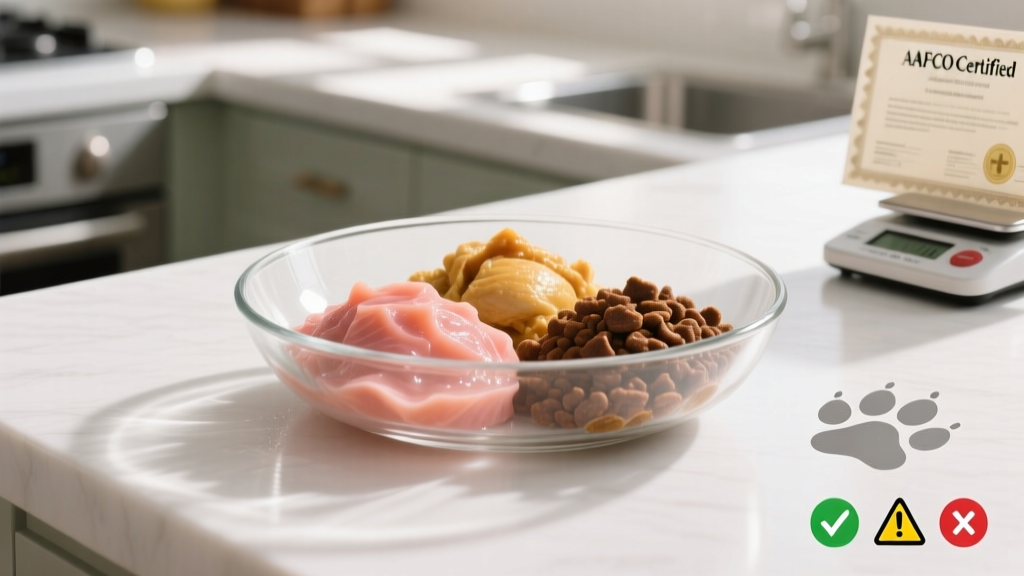
- Choosing foods that meet AAFCO (U.S.) or FEDIAF (EU/UK) nutrient profiles for your cat’s life stage.
- Using veterinary nutritionist-formulated recipes and appropriate supplements for home-prepared feeding.
- Avoiding unnecessary supplementation unless recommended, because “more” is not automatically “better,” even for water-soluble vitamins.
4. Practical recommendations for cat owners
| Goal | What to do | Why it helps B6/protein metabolism |
|---|---|---|
| Ensure adequate B6 intake | Feed a diet labeled “complete and balanced” for the correct life stage (kitten, adult, senior) | Reputable formulas include B6 in the vitamin premix and are tested/formulated for nutrient minimums |
| Support protein utilization | Choose quality, animal-protein-forward diets from established manufacturers | High-quality protein plus appropriate micronutrients supports amino acid pathways that rely on PLP |
| Safely feed home-prepared | Work with a veterinarian or board-certified veterinary nutritionist and use a validated supplement | Prevents common micronutrient gaps, including B6 |
| Address appetite or GI issues | See your vet promptly for persistent vomiting, diarrhea, or reduced intake | Medical conditions can reduce absorption or intake of B vitamins |
- Read the label: Look for an AAFCO nutritional adequacy statement (or FEDIAF compliance in relevant regions). “All life stages” can work but may be richer; match life stage when possible.
- Prioritize consistency: Rotating too frequently among unconventional diets can make it harder to identify what works for your cat’s digestion.
- Use treats strategically: Keep treats to a modest portion of daily calories so they don’t displace complete nutrition.
5. Comparison of options/products/approaches
| Approach | B6 reliability | Pros | Cons / watch-outs | Best for |
|---|---|---|---|---|
| Complete commercial wet food | High | Hydration support, palatable, controlled nutrient profile | Higher cost per calorie; dental benefits are not guaranteed | Cats prone to urinary issues, picky eaters, cats needing more water intake |
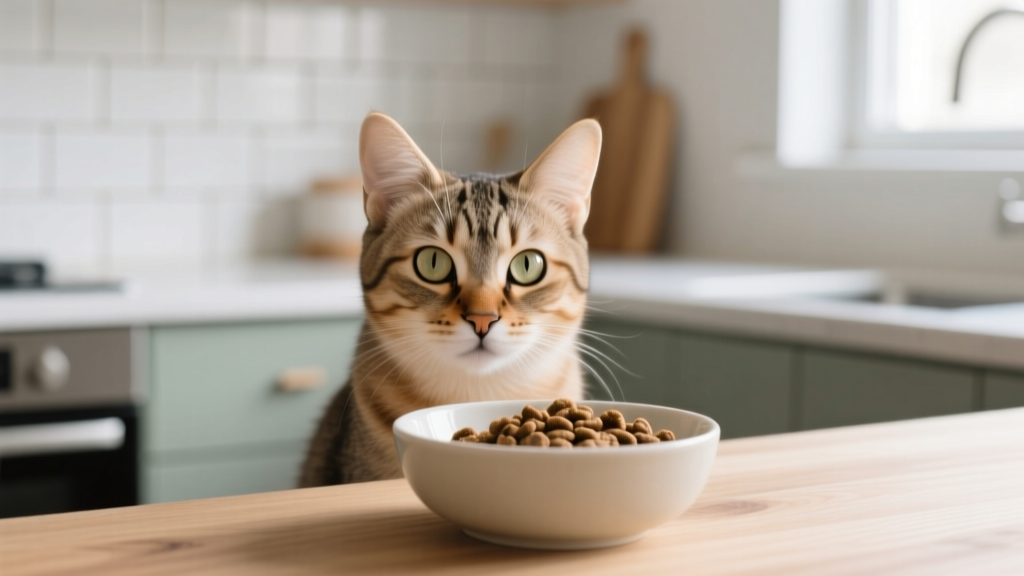
| Complete commercial dry food | High | Convenient, cost-effective, stable storage | Lower moisture; some cats overeat free-choice feeding | Households needing convenience; cats with good thirst drive |
| Complete commercial raw (formulated) | Variable (brand-dependent) | Often highly palatable; can be nutrient-complete if properly formulated | Food safety concerns; must confirm “complete and balanced,” handling/storage critical | Owners committed to strict hygiene and reputable products |
| Home-cooked without a formulated supplement | Low | Ingredient control | High risk of B vitamin and mineral deficiencies; cooking losses; unbalanced calcium/phosphorus common | Generally not recommended |
| Home-prepared with veterinary-formulated recipe + supplement | High (when followed precisely) | Customization for medical needs; controlled ingredients | Requires precision and ongoing oversight; cost/time | Cats with specific medical dietary needs or food sensitivities under veterinary guidance |
When comparing products, the most dependable “B6 strategy” is simply choosing diets from manufacturers with strong quality control and complete-and-balanced formulation standards. If you prefer boutique brands or novel formats, verify nutritional adequacy and ask your veterinarian whether the brand has robust testing and formulation practices.
6. Common mistakes and misconceptions to avoid
- Myth: “A high-protein diet automatically covers all protein-related nutrients.”
Reality: Protein content doesn’t guarantee adequate B6. Amino acids still require micronutrient cofactors to be metabolized efficiently. - Mistake: Feeding meat-only or “prey-model” style diets without balancing.
Why it’s risky: Even if meat contains B6, diets can still be deficient in other essentials (calcium, taurine, vitamin A/D/E, trace minerals). Deficiencies rarely happen one at a time. - Myth: “B vitamins are water-soluble, so supplements are always harmless.”
Reality: Water-soluble vitamins are generally excreted more readily than fat-soluble vitamins, but excessive supplementation can still cause problems and can mask underlying disease. Supplement only with veterinary guidance. - Mistake: Relying on human multivitamins or random “B-complex” products.
Why it’s risky: Doses may be inappropriate for cats, and some products contain ingredients not meant for pets. Always use veterinary-approved products. - Myth: “Cooking doesn’t change vitamin content enough to matter.”
Reality: B vitamins can be reduced by heat and leaching into cooking water. Commercial foods compensate through formulation; home cooking must do the same through recipe design and supplementation.
7. How to implement changes safely (transition tips)
If you’re upgrading your cat’s diet (switching brands, moving from dry to wet, adding a new complete food, or beginning a veterinary-formulated home-prepared plan), transition slowly to protect appetite and digestion.
- Use a 7–10 day transition for most healthy cats:
- Days 1–3: 75% old + 25% new
- Days 4–6: 50% old + 50% new
- Days 7–9: 25% old + 75% new
- Day 10: 100% new
- Go slower (2–3 weeks) for cats with sensitive stomachs or a history of diet refusal.
- Never allow prolonged fasting. Cats that stop eating are at risk for hepatic lipidosis (fatty liver). If your cat eats significantly less than normal for 24 hours (or refuses food), contact your veterinarian promptly.
- Keep the rest stable: Avoid changing treats, litter, feeding location, and schedule during the transition.
8. Special considerations (age, health conditions, activity level)
| Cat type | What to consider | Practical feeding focus |
|---|---|---|
| Kittens | Rapid growth increases demand for protein and supportive nutrients | Choose kitten/life-stage-appropriate complete diets; avoid unbalanced homemade feeding |
| Adult maintenance | Stable needs, but protein metabolism remains high | Use complete diets; monitor body condition and adjust calories without sacrificing nutrient balance |
| Seniors | May have reduced appetite, dental disease, kidney/thyroid issues | Prioritize palatability and consistent intake; vet-guided diet selection for chronic disease |
| Highly active cats | Higher calorie throughput may increase micronutrient turnover | Feed energy-appropriate complete diets; avoid “treat-heavy” calories that dilute nutrition |
| GI disease / malabsorption risk | B vitamins may be harder to absorb; chronic diarrhea reduces nutrient uptake | Veterinary workup; therapeutic diets; vet may recommend targeted supplementation |
| Chronic kidney disease (CKD) | Appetite changes and special diet needs; water-soluble vitamins can be affected by intake | Use veterinarian-prescribed renal diets when indicated; discuss B-vitamin support with your vet |
Medical conditions can change what “best diet” means. For example, a cat with CKD may need a therapeutic diet where protein quality and phosphorus control matter as much as quantity. If you suspect illness, prioritize a veterinary exam rather than changing diets repeatedly at home.
9. FAQ: pyridoxine (B6) and feline diets
How do I know if my cat’s food has enough vitamin B6?
The most practical indicator is the nutritional adequacy statement: foods labeled “complete and balanced” for your cat’s life stage (AAFCO or FEDIAF compliant) are formulated to meet established nutrient minimums, including B6. For home-prepared diets, adequacy depends on the recipe and supplement being correctly designed and followed.
Can I give my cat a human vitamin B6 supplement?
Don’t do this without veterinary guidance. Human supplements can deliver inappropriate doses for cats or contain ingredients not intended for pets. If supplementation is needed, your veterinarian can recommend a cat-appropriate product and dose based on your cat’s diet and medical status.
Does feeding more meat automatically improve B6 status?
Not reliably. Meat contains B6, but “more meat” doesn’t guarantee a balanced intake of all essential nutrients, and cooking/handling can reduce vitamin availability. A complete-and-balanced formulation is the safest way to ensure consistent B6 and overall micronutrient coverage.
Is vitamin B6 related to skin, coat, or shedding?
B6 supports protein metabolism, and skin and coat are protein-rich tissues. Poor coat quality can have many causes (parasites, allergies, inadequate calories, other nutrient imbalances, illness). If coat issues persist, a veterinary exam and diet review are the fastest path to a solution.
Are raw diets better for B6 because there’s less heat processing?
Less heat may reduce some vitamin losses, but B6 adequacy depends on whether the diet is properly formulated, not just raw vs. cooked. Raw feeding also adds food safety concerns (pathogens for pets and people). If you’re considering raw, discuss brand selection and handling practices with your veterinarian.
My cat is picky—should I rotate foods to “cover nutrients” like B6?
Rotating can work for some households, but it’s not necessary to meet B6 needs if each diet is complete and balanced. For picky cats, frequent changes can backfire by increasing food refusal. A better approach is to pick one or two vetted complete diets and rotate slowly and intentionally.
Veterinary reminder: If you’re planning any significant diet change—especially home-prepared feeding or adding supplements—talk with your veterinarian (and ideally a board-certified veterinary nutritionist) to match the plan to your cat’s health, age, and lifestyle.
For more practical, science-based nutrition guides and feeding strategies, explore other articles on catloversbase.com.