Understanding Cat Food Nutrient Bioavailability Differences
1) Why nutrient bioavailability matters for cat health
Two cat foods can list similar nutrients on the label and still deliver very different results in your cat’s body. That’s because what matters isn’t only what’s in the food—it’s what your cat can actually digest, absorb, and use. This is nutrient bioavailability.
Bioavailability influences many everyday health outcomes:
- Lean muscle and body condition (protein quality, amino acids)
- Energy and vitality (fat digestion, B vitamins)
- Skin/coat health (essential fatty acids, zinc, vitamin A)
- Urinary tract stability (water intake, mineral balance)
- Digestive comfort (fiber types, ingredient tolerability)
- Long-term resilience (bioavailable minerals, antioxidants)
If you’re trying to pick “the best” diet, understanding bioavailability helps you look beyond marketing terms and choose foods that are more likely to nourish your cat effectively. For any major diet change—especially for kittens, seniors, or cats with medical conditions—work with your veterinarian or a board-certified veterinary nutritionist.
2) Scientific background: feline nutritional needs and obligate carnivore biology
Cats are obligate carnivores. Their metabolism is adapted to derive most calories and essential nutrients from animal tissues. This biology shapes both what nutrients cats need and how efficiently they use different nutrient sources.
Key carnivore adaptations that affect bioavailability
- High protein requirement: Cats have higher baseline protein needs than omnivores and rely on amino acids from animal tissues.
- Essential nutrients commonly supplied by animal ingredients: Taurine, preformed vitamin A (retinol), arachidonic acid, and vitamin B12 are naturally abundant in animal-based ingredients.
- Limited ability to utilize certain plant nutrients: Cats can digest some carbohydrates, but they do not have a dietary requirement for carbs and may respond poorly to excessive starch, depending on the individual and health status.
- Water physiology: Cats evolved from desert-dwelling ancestors and have a low thirst drive, which affects urinary health and makes dietary moisture especially relevant.
“Complete and balanced” vs. “highly bioavailable”
A food that meets AAFCO or FEDIAF standards can be “complete and balanced,” but that does not guarantee all nutrients are equally bioavailable for every cat. Bioavailability is influenced by ingredient form, processing, nutrient interactions, gut health, and the cat’s life stage and medical status.
3) Detailed analysis: what changes nutrient bioavailability in cat foods
Bioavailability basics: digestibility, absorption, utilization
Bioavailability is a chain. If any link is weak, the nutrient delivered to the body drops:
- Digestibility: Can your cat break the food down?
- Absorption: Can nutrients pass through the intestinal wall?
- Utilization: Can the body convert the nutrient into functional molecules?
Protein: not all proteins perform the same
Protein quality is largely about amino acid profile and digestibility. Animal-based proteins generally provide a more cat-appropriate amino acid balance. That said, quality varies by ingredient and processing.
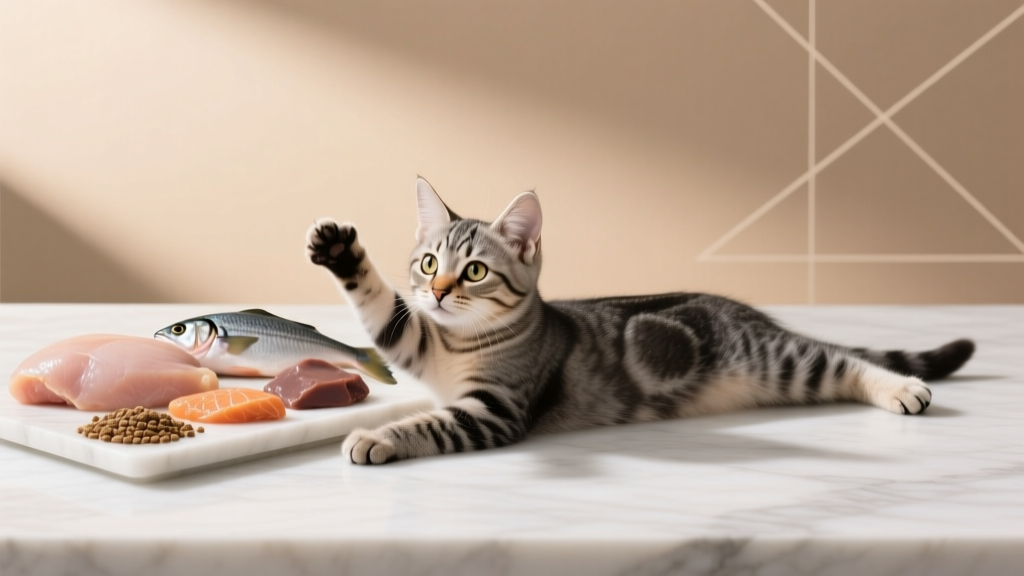
- Animal tissues (poultry, beef, fish, eggs) are typically highly digestible and naturally contain taurine and other essential nutrients.
- Plant protein concentrates (pea protein, corn gluten meal, soy protein) can boost crude protein numbers but may have limiting amino acids or lower overall usefulness for cats. They can be used in balanced diets, but heavy reliance may be less ideal for obligate carnivores.
- Collagen-heavy ingredients can inflate protein content while providing fewer essential amino acids. A diet can look “high protein” on paper yet be less supportive of muscle maintenance.
Fats: absorption, fatty acid profile, and oxidation
Dietary fat is calorie-dense and supports skin/coat health and absorption of fat-soluble vitamins (A, D, E, K). Bioavailability depends on both fat type and freshness.
- Animal fats and fish oils tend to be well utilized. Fish oil can provide EPA/DHA, which may help inflammatory skin issues or arthritis in some cats.
- Rancid/oxidized fats reduce palatability and can degrade fat-soluble vitamins. Choose reputable brands with good quality control and clear best-by dates.
- Essential fatty acids: Cats need arachidonic acid (animal-derived). Plant oils may not supply the same needs effectively.
Carbohydrates and fiber: effect on stool, microbiome, and glycemic response
Carbohydrates aren’t inherently “bad,” but high starch loads can crowd out animal-based calories and may affect some cats’ weight or glucose regulation. Fiber type influences stool quality and gut health.
- Soluble/fermentable fibers (e.g., psyllium, certain gums, beet pulp) can support stool quality and the gut microbiome when used appropriately.
- Insoluble fibers (e.g., cellulose) can help with hairball management for some cats but may reduce caloric density.
- Excess fiber can reduce absorption of minerals and fat-soluble vitamins in some cases.
Minerals: chemical form and nutrient interactions
Minerals are a major area where “label amounts” can mislead. The form of the mineral matters:
- Organic/chelated minerals (e.g., zinc proteinate) are often promoted as more bioavailable than some inorganic forms, though results depend on the whole diet.
- Calcium-to-phosphorus balance is crucial for skeletal health, especially in kittens. Imbalances can be dangerous.
- Mineral interactions: High levels of one mineral can interfere with another (for example, excess calcium can reduce absorption of certain nutrients).
Vitamins: stability during processing and storage
Heat, moisture, and storage time can reduce vitamin potency, especially for some B vitamins and certain antioxidants. Responsible manufacturers compensate with appropriate formulation and testing.
Processing methods: wet, dry, freeze-dried, raw—how they influence nutrients
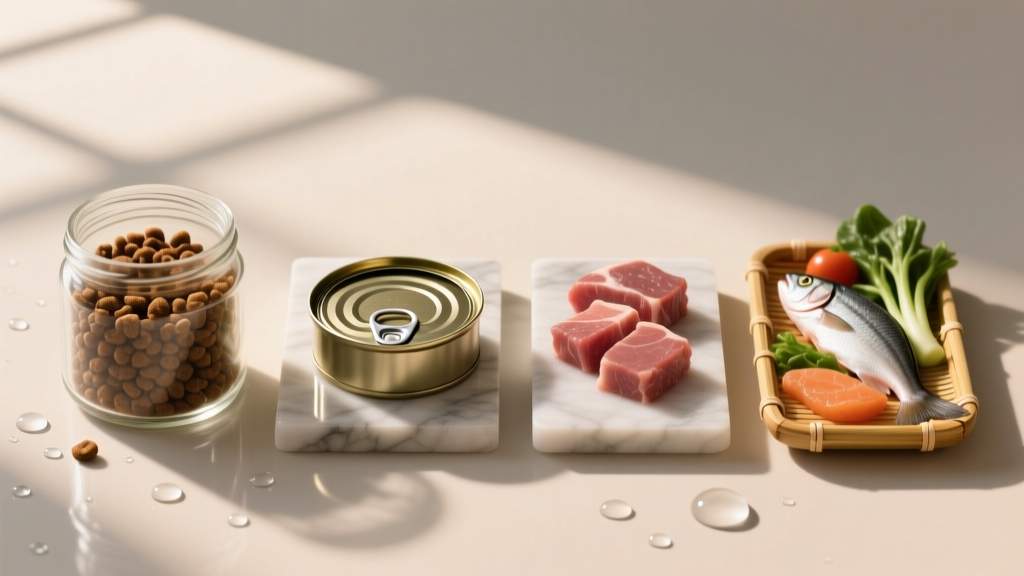
Processing affects nutrient stability, digestibility, and safety. Here’s how common formats differ.
| Food format | Typical strengths for bioavailability | Potential trade-offs | Best fit for |
|---|---|---|---|
| Canned/wet | High moisture supports urinary health; often higher animal-protein density; generally very palatable | Higher cost per calorie; dental benefits are limited (despite common claims); needs refrigeration after opening | Cats prone to urinary issues, dehydration, constipation; picky eaters |
| Dry kibble | Convenient; stable; can be cost-effective; some formulas targeted for dental or hairballs | Lower moisture; more starch needed for structure; palatability coatings add calories; overeating is easy | Households needing convenience; cats that maintain weight well and drink adequately |
| Freeze-dried/dehydrated | Often high in animal ingredients; minimal heat exposure compared to kibble; can be rehydrated | Cost; requires careful handling; not all are complete and balanced | Owners wanting higher animal-content diets with shelf stability |
| Raw (commercial or homemade) | Can be highly palatable; minimal processing | Pathogen risk; nutrient imbalance risk (especially homemade); not ideal for immunocompromised households | Only with strong safety protocols and veterinary guidance; preferably formulated commercial options |
Anti-nutrients and ingredient matrix effects
Some ingredients naturally contain compounds that can reduce nutrient absorption (often called anti-nutrients). Examples include phytates in plants that can bind minerals. Modern pet food formulation and processing can reduce these effects, but high reliance on certain plant ingredients may still influence mineral availability.
How to “see” bioavailability at home: practical signals
You can’t measure bioavailability perfectly without lab testing, but you can watch for real-world clues:
- Stool quality: very large volume, frequent stools, or persistent diarrhea can suggest poor digestibility or intolerance.
- Coat and skin: dull coat, dandruff, and itchiness may relate to fatty acid balance or overall nutrition (though allergies and parasites are common causes too).
- Body composition: loss of muscle along the spine or hips can occur despite “high protein” labels if amino acid availability is poor or calories are inadequate.
- Energy and appetite: extreme hunger or fatigue can reflect calorie density, palatability, or underlying illness.
4) Practical recommendations for cat owners
- Prioritize “complete and balanced” foods (AAFCO/FEDIAF) from reputable manufacturers with quality control and nutritional expertise.
- Choose animal-forward protein sources when possible, especially for kittens, active adults, and seniors at risk of muscle loss.
- Increase moisture intake if your cat is prone to urinary issues or constipation. Wet food or rehydrated diets can improve hydration significantly.
- Evaluate results with a body condition and muscle condition score (your vet can teach you how). Adjust portions based on outcomes, not label feeding guides alone.
- Use treats strategically (ideally <10% of daily calories) so they don’t dilute nutrient intake.
5) Comparison of approaches: how to choose between common feeding strategies
| Approach | Pros | Cons | When it works well |
|---|---|---|---|
| Mostly wet food | Hydration support; typically lower carb; often excellent palatability | Cost; storage; may require more frequent shopping | Urinary-prone cats; cats that don’t drink much; weight management (with portion control) |
| Wet + dry mix | Balances convenience with hydration; flexible calories | Easy to overfeed; “free-feeding” kibble can undermine goals | Multi-cat homes; owners wanting practical routines |
| High-quality kibble-only | Convenient; consistent; often affordable | Low moisture; may be higher starch; portion control is critical | Cats with good thirst drive and stable urinary history; owners who measure meals carefully |
| Commercial raw or gently cooked | Often high animal content; palatable; can reduce stool volume for some cats | Safety and handling concerns; cost; must be complete and balanced | Only when owner can follow strict hygiene and vet agrees it’s appropriate |
6) Common mistakes and misconceptions to avoid
- Myth: “High protein” automatically means high quality.
Fact: Protein percentage doesn’t reveal amino acid balance, collagen content, or digestibility. Look for reputable formulation, animal-based protein sources, and your cat’s body composition over time. - Myth: Grain-free equals healthier and more bioavailable.
Fact: Grain-free foods may replace grains with legumes or potatoes, which can still contribute significant starch. The overall formula matters more than the presence or absence of grains. - Myth: Dry food cleans teeth.
Fact: Most kibble shatters quickly and doesn’t scrape teeth effectively. Dental health is better supported by VOHC-accepted dental diets/treats, tooth brushing, and professional cleanings as recommended by your vet. - Mistake: Frequent sudden diet switches.
Rapid changes can cause GI upset and food aversion, complicating your ability to evaluate what truly works. - Mistake: Over-supplementing.
Adding vitamins/minerals to an already complete diet can unbalance nutrition. This is especially risky with vitamin A, vitamin D, iodine, and calcium.
7) How to implement changes safely (transition tips)
Switching to a more bioavailable diet often means changing texture, moisture, and macronutrient profile—so go slowly.
- Use a 7–14 day transition for most healthy cats:
- Days 1–3: 75% old, 25% new
- Days 4–6: 50% old, 50% new
- Days 7–10: 25% old, 75% new
- Day 11+: 100% new
- For sensitive cats, extend to 3–4 weeks and change more gradually.
- Track outcomes for 2–4 weeks: stool quality, appetite, water intake, coat condition, and body weight.
- Do not transition a sick cat without veterinary guidance. Cats can develop hepatic lipidosis (fatty liver) if they stop eating.
8) Special considerations: age, health conditions, activity level
Kittens (growth)
- Choose diets formulated for growth (or all life stages) with appropriate calorie density and calcium/phosphorus balance.
- Bioavailability is critical because deficiencies during growth have outsized consequences.
Adult indoor cats
- Prevent gradual weight gain with measured portions and appropriate calorie density.
- Wet food or mixed feeding may improve hydration and help portion control.
Seniors (muscle maintenance)
- Older cats are prone to sarcopenia (loss of muscle). Highly digestible, animal-based protein and adequate calories help preserve lean mass.
- Dental disease is common and can reduce intake; softer textures may improve consistency.
Urinary tract concerns (FLUTD, crystals, history of blockage)
- Moisture intake and appropriate mineral management are central. Many cats benefit from veterinary urinary diets designed to manage urine concentration and pH.
- Don’t “DIY” urinary manipulation with supplements—work with your veterinarian.
Chronic kidney disease (CKD)
- Kidney diets focus on phosphorus control, moderate high-quality protein, and omega-3 support. These are prescription for a reason—formulation details matter.
- If your cat has CKD, consult your veterinarian before changing proteins or adding broths/topper foods.
Food allergies or inflammatory bowel disease (IBD)
- Bioavailability may be limited by gut inflammation. Hydrolyzed or novel protein diets may improve absorption and comfort.
- Diet trials require strict control—no flavored meds or random treats—so you can interpret results accurately.
High-activity cats
- Need higher calories and highly digestible nutrients. Monitor body condition and adjust portions rather than relying on label feeding charts.
9) FAQ: common questions about nutrient bioavailability
1) If a food meets AAFCO, does bioavailability still matter?
Yes. AAFCO/FEDIAF standards help ensure minimum nutrient levels for health, but individual cats vary in digestion, absorption, and tolerance. Ingredient choices, processing, and your cat’s medical status can influence how much nutrition is actually utilized.
2) Is wet food always more bioavailable than dry food?
Not always, but wet food often improves hydration and can be easier to eat for some cats. Many wet diets also have higher animal-protein density. A well-formulated dry food can still be nutritious; the best choice depends on your cat’s health, preferences, and your ability to portion control.
3) Are “human-grade” or “premium” labels reliable indicators?
Not by themselves. These terms can reflect sourcing or processing standards, but they don’t guarantee nutrient balance or superior bioavailability. Look for complete-and-balanced claims, transparency about formulation, and brands with strong quality control and nutrition expertise.
4) Does adding toppers improve bioavailability?
Sometimes toppers improve intake (your cat eats more willingly), which can indirectly improve nutrient status. But too many toppers can unbalance the diet by diluting essential nutrients. Keep extras to under 10% of daily calories unless your veterinarian recommends otherwise.
5) How can I tell if my cat isn’t absorbing nutrients well?
Clues include chronic loose stool, unusually large or frequent stools, poor coat quality, weight loss despite eating, or muscle loss. These signs can also indicate medical problems (parasites, GI disease, endocrine issues), so schedule a veterinary exam before assuming it’s “just the food.”
6) Is raw food more bioavailable and therefore better?
Raw diets can be highly palatable and may be digestible for some cats, but they also carry pathogen and nutritional imbalance risks—especially homemade recipes. If you’re considering raw, discuss it with your veterinarian and choose a complete-and-balanced commercial product with strong safety controls.
Best next step: Choose a complete-and-balanced diet that fits your cat’s life stage, prioritize hydration and high-quality animal-based nutrients, and evaluate results using body condition, muscle condition, stool quality, and veterinary checkups. For personalized recommendations—especially for urinary disease, kidney disease, allergies, diabetes, or weight loss—consult your veterinarian.
If you want more practical, science-based feeding help, explore the nutrition guides and food strategy articles on catloversbase.com.