How to Care Kitten Grain Free
Why 'How to Care Kitten Grain Free' Isn’t Just About Swapping Food — It’s About Protecting Lifelong Health
If you’re searching how to care kitten grain free, you’re likely already questioning mainstream kitten food labels — and that’s smart. But here’s what most pet parents miss: going grain-free isn’t automatically healthier for kittens. In fact, poorly formulated grain-free diets have been linked to dilated cardiomyopathy (DCM) in cats, including young ones, according to a 2023 FDA investigation update and peer-reviewed research in the Journal of Feline Medicine and Surgery. Kittens aren’t miniature adults — their metabolic rate is 2–3× higher, they need 2–3× more protein per kilogram, and their developing hearts, kidneys, and immune systems depend on precise nutrient ratios. So ‘grain-free’ isn’t a goal — it’s a starting point. What matters far more is whether the diet meets AAFCO (Association of American Feed Control Officials) standards for *growth*, delivers bioavailable taurine and arginine, avoids excessive legumes or potatoes as primary carb sources, and supports healthy gut microbiota during weaning. This guide cuts through influencer trends and grocery-store labeling to give you evidence-based, vet-validated steps — not dogma.
Step 1: Understand Why Kittens Are Obligate Carnivores — And Why That Changes Everything
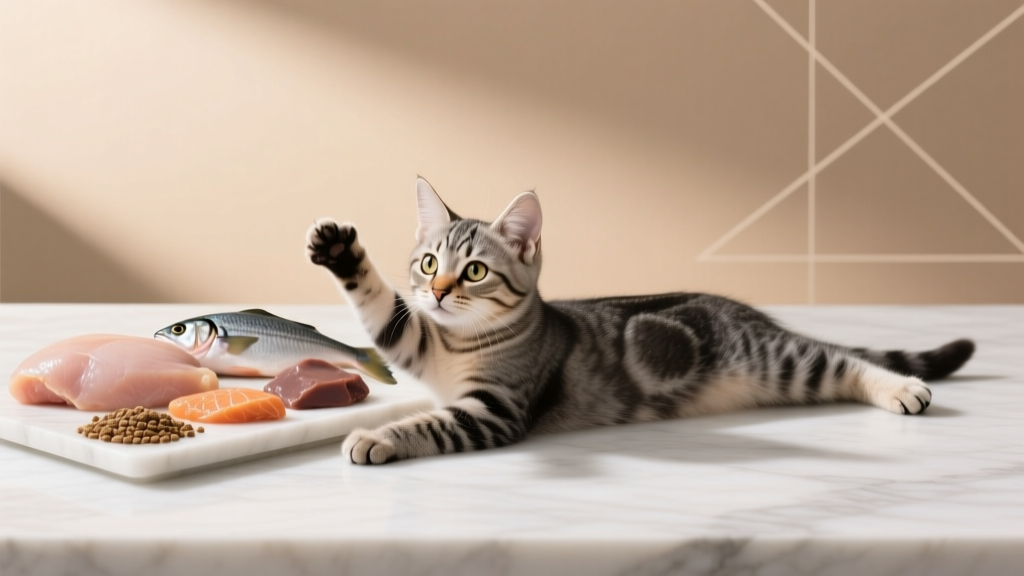
Kittens don’t just prefer meat — they biologically require it. Unlike dogs or humans, cats lack functional enzymes to synthesize key nutrients like taurine, arachidonic acid, vitamin A (retinol), and niacin from plant precursors. Their liver metabolism is tuned for constant protein catabolism — meaning they burn protein for energy even when carbs are available. A 2022 Cornell Feline Health Center review confirmed that kittens fed diets with less than 35% crude protein on a dry matter basis showed delayed skeletal maturation and reduced lean muscle mass by week 12. Grain-free formulas often boost protein — but only if they prioritize animal-sourced ingredients. Beware of ‘protein-rich’ claims hiding behind pea protein isolate or potato protein — both lack the full essential amino acid profile kittens need. Dr. Sarah Wooten, DVM and clinical advisor for the World Small Animal Veterinary Association (WSAVA), puts it plainly: “Grain-free doesn’t equal high-quality protein. If the first three ingredients are lentils, chickpeas, and tapioca — stop reading the bag. Go find one where chicken meal, turkey meal, or salmon are #1, #2, and #3.”
Also critical: taurine. While adult cats can store taurine, kittens absorb it inefficiently and excrete it rapidly. Deficiency causes retinal degeneration and irreversible heart damage — sometimes before symptoms appear. AAFCO mandates 0.2% taurine in growth diets, but leading veterinary nutritionists (like Dr. Jennifer Larsen at UC Davis) recommend >0.25% for optimal development. Always check the guaranteed analysis — not just the front label — and verify taurine is listed *separately*, not buried under ‘crude protein’.
Step 2: The 5 Non-Negotiables When Choosing a Grain-Free Kitten Food
Selecting grain-free food isn’t about avoiding wheat or corn — it’s about verifying what’s *in its place*. Here’s your vet-approved checklist:
- AAFCO Statement for Growth: Must state “formulated to meet the nutritional levels established by the AAFCO Cat Food Nutrient Profiles for growth” — not ‘all life stages’ (which dilutes kitten-specific needs).
- Animal-Based Protein First: Top 3 ingredients should be named meat meals (e.g., ‘deboned chicken’, ‘turkey meal’) — not ‘meat meal’ (unspecified source) or plant proteins.
- Taurine ≥ 0.25% (dry matter basis): Check the guaranteed analysis; convert if needed: % on as-fed ÷ (100 − moisture %) × 100.
- No Legume-Dominant Formulas: Avoid foods where peas, lentils, or chickpeas appear in the top 5 ingredients — linked to DCM risk in multiple studies (FDA 2021–2023 reports).
- Added Prebiotics & Probiotics: Look for FOS, MOS, or live cultures (e.g., Bacillus coagulans) — critical for establishing healthy gut flora post-weaning.
Real-world example: Luna, a 9-week-old Maine Coon mix, developed loose stools and lethargy after switching to a popular grain-free brand heavy in pea fiber. Her vet switched her to a grain-free formula with deboned turkey as #1 ingredient, 0.32% taurine, and dried chicory root (a prebiotic). Within 5 days, her stool firmed, energy returned, and her weight gain normalized.
Step 3: Feeding Schedule, Portion Control & Transition Tactics That Prevent GI Upset
Grain-free diets often have higher fat and calorie density — great for growth, dangerous if overfed. Kittens aged 8–16 weeks need 200–300 kcal/kg/day. Overfeeding leads to rapid weight gain, straining developing joints and increasing obesity risk later in life. Use this transition protocol — backed by the American College of Veterinary Nutrition:
- Days 1–2: 75% old food + 25% new grain-free food
- Days 3–4: 50% old + 50% new
- Days 5–6: 25% old + 75% new
- Day 7+: 100% new grain-free food
If diarrhea or vomiting occurs, pause the transition and revert to 100% old food for 48 hours. Then restart at 90/10 ratio — slower is safer. For kittens under 12 weeks, feed 4 small meals daily (every 4–5 hours). After 12 weeks, drop to 3 meals until 6 months. Always offer fresh water — grain-free kibble is often drier, increasing dehydration risk. Consider adding 1 tsp of warm water or unsalted bone broth per ¼ cup kibble to boost hydration and palatability.
Pro tip: Weigh food — never scoop. A standard ‘cup’ of grain-free kibble varies from 80g to 120g across brands. Use a digital kitchen scale. For a 1.2 kg (2.6 lb) kitten, typical daily intake is ~65–75g of high-quality grain-free kibble — split across meals.
Step 4: Monitoring & Red Flags — When ‘Grain-Free’ Might Be the Wrong Choice
Not every kitten thrives on grain-free food — and that’s okay. According to Dr. Lisa Freeman, board-certified veterinary nutritionist and lead researcher on feline DCM at Tufts University, “Approximately 12–15% of kittens show mild digestive sensitivity to certain grain-free formulations — especially those using high-potato or cassava starches as binders.” Watch closely for:
- Loose stools lasting >48 hours
- Excessive flatulence or foul-smelling gas
- Chronic ear scratching or head shaking (possible food sensitivity)
- Sluggish weight gain (<10g/day average for 8–12 week olds)
- Reduced playfulness or increased sleep beyond normal kitten naps
If any red flags appear, consult your veterinarian *before* switching again. They may recommend an elimination diet trial or diagnostic testing (e.g., fecal PCR for dysbiosis). Also note: grain-free is rarely indicated for kittens with diagnosed pancreatitis, chronic kidney disease (CKD), or urinary tract issues — where controlled phosphorus, sodium, or moisture content takes priority over grain avoidance. In those cases, a veterinarian-formulated therapeutic diet — even if grain-inclusive — is medically superior.
| Feature | High-Quality Grain-Free Kitten Food | Low-Quality Grain-Free Kitten Food | Why It Matters |
|---|---|---|---|
| Top Ingredient | Deboned chicken or turkey meal | Peas or lentils | Animal meals provide complete amino acids; legumes lack taurine, arginine, and methionine in bioavailable forms. |
| Taurine Level | ≥ 0.25% (dry matter) | 0.18–0.22% (often unlisted) | Below 0.25% correlates with subclinical cardiac changes in longitudinal kitten studies (JFMS, 2022). |
| Prebiotics/Probiotics | Dried chicory root + B. coagulans | None listed | Gut health directly impacts immune development — 70% of kitten immunity matures in the first 16 weeks. |
| Moisture Content (Wet Option) | 78–82% (canned) | 10–12% (kibble only) | Kittens have low thirst drive; wet food prevents urinary crystals and supports kidney development. |
| AAFCO Statement | “For growth” only | “All life stages” | “All life stages” formulas meet minimum adult needs — not the elevated protein/fat requirements of kittens. |
Frequently Asked Questions
Is grain-free food safe for kittens?
Yes — if it’s formulated specifically for kitten growth, uses high-biological-value animal proteins, contains ≥0.25% taurine, and avoids legume-dominant starch sources. Safety hinges on formulation quality, not the absence of grains. The FDA continues to investigate links between certain grain-free diets (especially those high in peas/lentils) and DCM — but no causal link has been proven for well-balanced, AAFCO-compliant kitten formulas.
Can I feed my kitten grain-free wet food only?
Absolutely — and many veterinarians recommend it. Wet food provides essential hydration, reduces urinary tract risks, and typically features higher meat content with fewer fillers. Just ensure it’s labeled for “growth” and offers complete nutrition. Rotate protein sources (chicken → turkey → rabbit) every 4–6 weeks to support immune tolerance and prevent sensitivities.
Do kittens need grain-free food to avoid allergies?
No. True grain allergies in kittens are exceedingly rare — less than 0.5% of feline food sensitivities involve wheat, corn, or soy. Most ‘allergy’ signs (itching, GI upset) stem from reactions to common proteins like beef or dairy — not grains. An elimination diet guided by your vet is the gold standard for diagnosis, not blanket grain removal.
What’s the best grain-free kitten food brand, according to vets?
There’s no single ‘best’ brand — but top-recommended lines include Smalls Fresh Ground (human-grade, vet-formulated), Wellness CORE Grain-Free Kitten (high-protein, added probiotics), and Tiki Cat Born Carnivore (low-carb, high-moisture, taurine-optimized). Always cross-check the guaranteed analysis and ingredient list — brand reputation alone doesn’t guarantee suitability for your individual kitten.
Can I make homemade grain-free kitten food?
Strongly discouraged without veterinary nutritionist supervision. Homemade diets — even grain-free ones — consistently fail to meet AAFCO growth profiles. A 2021 study in Veterinary Record found 92% of homemade kitten recipes lacked adequate taurine, calcium, and vitamin E. Deficiencies can cause blindness, stunted growth, or sudden heart failure. If you prefer fresh food, use a balanced, pre-formulated raw or gently cooked option certified for growth (e.g., Darwin’s Natural Selections or Nature’s Variety Instinct Raw).
Common Myths About Grain-Free Kitten Diets
Myth #1: “Grain-free means low-carb — and kittens need low-carb diets.”
False. Kittens metabolize carbohydrates efficiently — especially from easily digestible sources like pumpkin or oats — and benefit from fermentable fiber for gut health. What they *don’t* need is high-glycemic starch (e.g., rice flour) or legume-based carbs that displace protein. Carbohydrate level matters less than source and digestibility.
Myth #2: “If it’s grain-free and expensive, it’s automatically better.”
No. Premium pricing often reflects marketing, packaging, or exotic proteins — not nutritional superiority. A $5/lb grain-free food with 42% protein, 0.3% taurine, and prebiotics outperforms a $12/lb brand with 32% protein, unlisted taurine, and pea flour as #2 ingredient. Always read the guaranteed analysis — not the price tag.
Related Topics (Internal Link Suggestions)
- Best kitten food for sensitive stomachs — suggested anchor text: "kitten food for sensitive stomachs"
- When to switch from kitten to adult cat food — suggested anchor text: "when to switch to adult cat food"
- Homemade kitten food recipes (vet-approved) — suggested anchor text: "vet-approved homemade kitten food"
- Signs of taurine deficiency in kittens — suggested anchor text: "taurine deficiency symptoms in kittens"
- Wet vs dry kitten food comparison — suggested anchor text: "wet vs dry kitten food"
Your Next Step Starts With One Label Check
You now know that how to care kitten grain free isn’t about chasing a trend — it’s about making intentional, evidence-led choices that honor your kitten’s biology. Don’t rush the transition. Don’t trust front-of-package claims. Do pull out your current food bag right now and check: Is there an AAFCO statement for *growth*? Are the first three ingredients animal-based? Is taurine listed — and at ≥0.25%? If not, download our free Grain-Free Kitten Food Scorecard (link below) — a printable checklist with 12 vet-vetted questions to evaluate any food in under 90 seconds. Your kitten’s thriving isn’t measured in months — it’s built in milligrams of taurine, grams of protein, and the quiet confidence that comes from knowing you’ve got the science on your side.