What You Need to Take Care of a Kitten: The 7 Non-Negotiable Health & Safety Essentials Every New Owner Misses (Until It’s Too Late)
Why Getting This Right in the First 8 Weeks Changes Everything
If you’re asking what you need to take care of a kitten, you’re likely holding a tiny, wide-eyed bundle of fluff — and feeling equal parts joy and quiet panic. That’s completely normal. But here’s what most first-time owners don’t realize: the first 60 days aren’t just about cuddles and cuteness — they’re the critical neurodevelopmental and immunological window that shapes your kitten’s lifelong health, resilience, and trust. A single missed deworming, delayed vaccine, or poorly placed litter box can trigger chronic UTIs, behavioral avoidance, or even fatal infections like feline panleukopenia. According to Dr. Lena Torres, DVM and clinical advisor at the American Association of Feline Practitioners, 'Over 68% of preventable kitten mortality occurs before 12 weeks — not from genetics, but from gaps in foundational care.' This guide cuts through the noise to deliver only what’s medically essential, evidence-backed, and immediately actionable.
1. The Vital First 72 Hours: Stabilize, Warm, and Assess
Bringing home a kitten isn’t like adopting an adult cat — it’s more like welcoming a newborn human. Their thermoregulation is underdeveloped, blood sugar crashes easily, and maternal antibodies begin fading within hours. Your top priority isn’t toys or treats — it’s physiological stability.
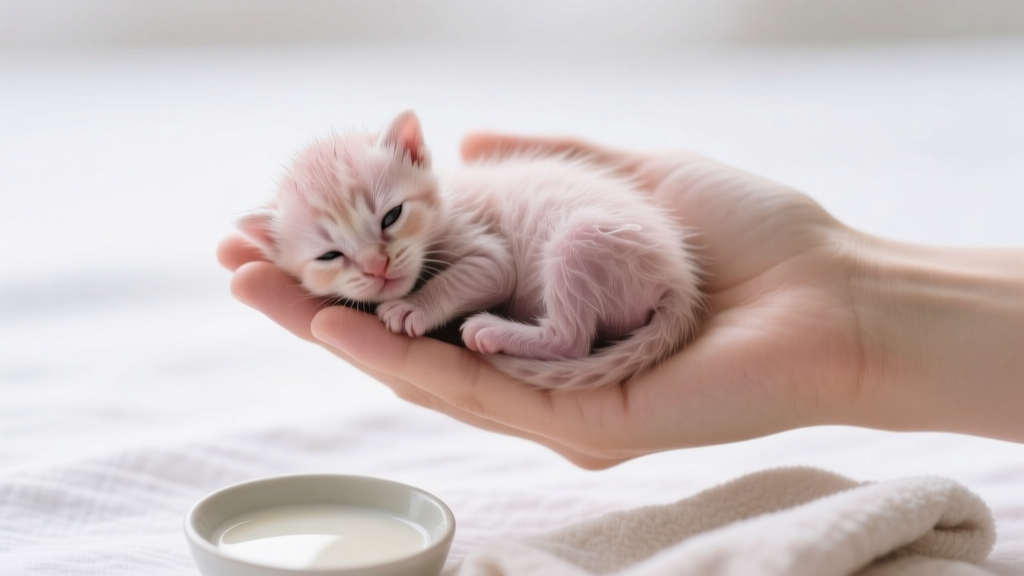
Start with temperature: kittens under 4 weeks cannot maintain body heat independently. Use a digital rectal thermometer (not ear or forehead) — normal range is 99.5–102.5°F. If below 99°F, wrap them gently in a warmed (not hot) rice sock or heating pad set on low *under* half the bedding — never direct contact. Hypothermia suppresses immune function and delays digestion, increasing sepsis risk by 4x (Journal of Feline Medicine and Surgery, 2022).
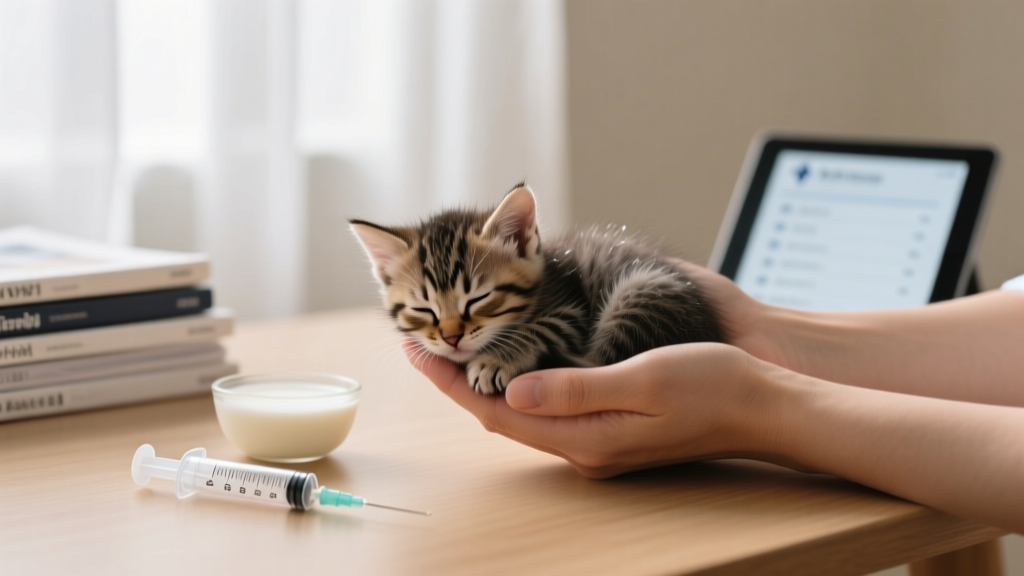
Next: hydration and nutrition. If under 4 weeks and orphaned, use kitten milk replacer (KMR) — never cow’s milk, which causes severe diarrhea and dehydration. Feed every 2–3 hours using a sterile bottle with a #1 or #2 nipple; hold kitten belly-down, slightly angled, mimicking natural nursing posture. Weigh daily on a gram-scale: healthy gain is 10–15g/day. A loss of >5% body weight in 24 hours warrants immediate vet triage.
Finally: perform the ‘3-Second Assessment’ before bed each night:
- Eyes: Clear, bright, no discharge or crusting
- Gums: Pink and moist (press and release — capillary refill should be <2 seconds)
- Stool: Formed, mustard-yellow, no blood or mucus
2. Vaccination & Parasite Protocol: Timing Is Everything
Vaccines don’t work on schedule — they work on immune readiness. Kittens receive maternal antibodies via colostrum, but those wane unpredictably between 6–16 weeks. Vaccinating too early blocks efficacy; too late leaves dangerous gaps. Here’s the science-backed sequence:
The core FVRCP vaccine (feline viral rhinotracheitis, calicivirus, panleukopenia) should be given at 6–8 weeks, then repeated every 3–4 weeks until 16 weeks minimum. Why 16 weeks? Because panleukopenia antibody interference persists longest — and this virus kills 90% of unvaccinated kittens exposed. Rabies is required by law in most U.S. states at 12–16 weeks and must be administered by a licensed veterinarian.
Parasites are equally urgent — and far more common than owners assume. A 2023 Cornell University parasitology survey found that 82% of shelter kittens tested positive for roundworms (Toxocara cati) and 37% for hookworms — both zoonotic and transmissible to children. Deworming starts at 2 weeks, repeats at 4, 6, and 8 weeks, then monthly until 6 months. Use prescription fenbendazole (Panacur), not over-the-counter pyrantel — which fails against common larval stages.
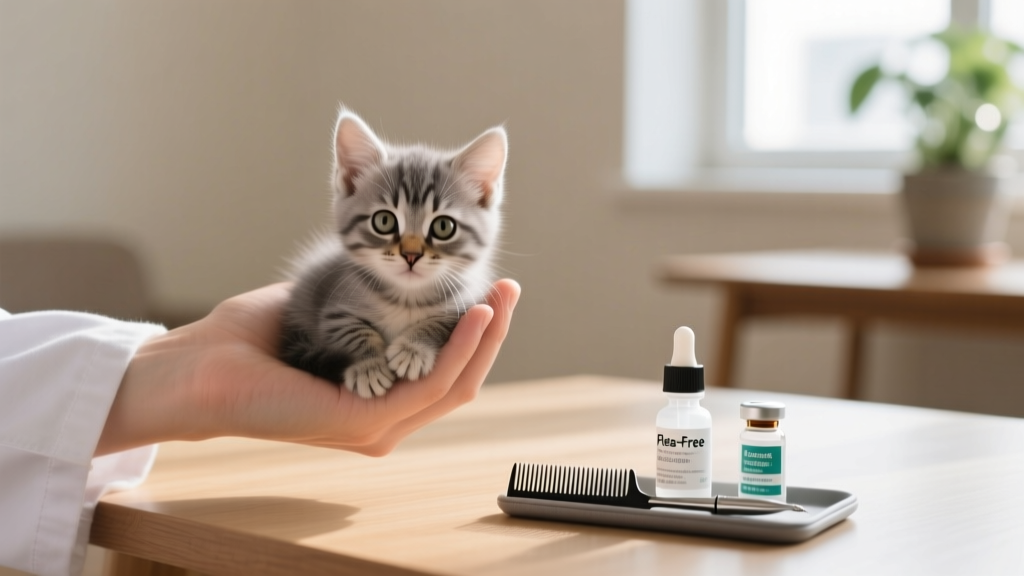
Flea control requires special caution: never use dog flea products (e.g., permethrin), which cause fatal neurotoxicity in cats. For kittens under 8 weeks, manual removal with a fine-tooth comb and warm soapy water is safest. After 8 weeks, use only vet-approved topical or oral products labeled specifically for kittens (e.g., Revolution Plus or Bravecto Topical).
3. Litter Box Mastery & Environmental Enrichment
A poorly set up litter box isn’t inconvenient — it’s a major stressor linked to urinary tract disease, inappropriate elimination, and lifelong aversion. Kittens learn substrate preference by 4 weeks. Get it right now, and you’ll avoid costly vet bills later.
Use unscented, clumping clay or paper-based litter (avoid crystal or scented varieties — respiratory irritants and confusing textures). Place boxes in quiet, low-traffic areas — never near food/water or washing machines. Provide one box per kitten + one extra. For kittens under 12 weeks, choose low-entry boxes (2–3” height) — high sides cause anxiety and accidents.
Enrichment isn’t optional playtime — it’s neurological scaffolding. Between 2–7 weeks, kittens develop visual acuity, motor coordination, and fear thresholds. Deprived environments lead to hyper-vigilance and bite inhibition deficits. Daily 15-minute interactive sessions with wand toys (never hands!) build confidence and teach appropriate boundaries. Rotate 3–4 toys weekly to prevent habituation. Add vertical space: a $20 cat tree or repurposed bookshelf shelf gives security and fulfills instinctual vantage-point needs.
Crucially: introduce new people, sounds, and surfaces gradually. Play recordings of vacuum cleaners at low volume while offering treats. Let guests sit quietly and let the kitten approach — never force handling. This prevents lasting fear-based aggression.
4. Nutrition, Hydration & Dental Foundations
Kittens burn calories at twice the rate of adults — and their nutritional needs are radically different. They require 30% protein (dry matter basis), arginine, taurine, arachidonic acid, and preformed vitamin A — nutrients absent or insufficient in adult or homemade diets.
Feed a AAFCO-certified kitten formula (wet or dry) until 12 months. Wet food supports hydration — critical because kittens dehydrate faster and rarely drink voluntarily. Aim for 60–70% of calories from moisture-rich sources. Free-feeding dry kibble encourages overeating and obesity; instead, feed 3–4 measured meals daily until 6 months, then transition to scheduled meals.
Dental health begins at week 4. Gently rub gums with a soft cloth or finger brush dipped in tuna water. By 8 weeks, introduce enzymatic toothpaste (never human paste — xylitol is fatal). Brush 2–3x/week — plaque mineralizes into tartar in just 3 days. According to Dr. Sarah Kim, board-certified veterinary dentist, '75% of cats show signs of periodontal disease by age 3 — but daily brushing from kittenhood reduces incidence by 86%.'
| Age Range | Critical Health Actions | Risks if Missed | Vet Visit Frequency |
|---|---|---|---|
| 0–2 weeks | Thermoregulation, KMR feeding every 2–3 hrs, stool stimulation, weight tracking | Hypothermia, hypoglycemia, failure-to-thrive syndrome | Immediate vet consult if weight loss >5% or temp <99°F |
| 3–4 weeks | Begin litter box introduction, start weaning to gruel (KMR + wet food), first deworming | Constipation, malnutrition, parasite overload | Initial wellness exam + fecal test |
| 5–8 weeks | FVRCP #1, second deworming, socialization window peak, nail trims, dental gum rubs | Panleukopenia exposure, fear imprinting, dental plaque buildup | Every 3–4 weeks for vaccines & deworming |
| 9–16 weeks | FVRCP #2 & #3, rabies (if age-eligible), third/fourth deworming, spay/neuter discussion, microchipping | Chronic infection, zoonotic parasite transmission, unwanted litters | Final kitten series visit + spay/neuter planning |
| 4–6 months | Spay/neuter (optimal window: 4–5 months), adult vaccine boosters, transition to adult food | Pyometra (unspayed females), testicular cancer, obesity | One wellness exam + parasite screening |
Frequently Asked Questions
Can I bathe my kitten?
No — bathing is strongly discouraged before 12 weeks unless medically necessary (e.g., pesticide exposure). Kittens lose body heat rapidly in water, and stress-induced hyperthermia can occur. Instead, use a damp, warm washcloth to spot-clean. If truly soiled, consult your vet for safe, kitten-specific cleansing protocols.
When should I spay or neuter my kitten?
Current AAFP and AVMA guidelines recommend spaying/neutering at 4–5 months — before first heat (females) or sexual maturity (males). Early-age desexing reduces mammary tumor risk by 91% and eliminates testicular/ovarian cancers. Contrary to myth, it does not stunt growth or cause urinary blockages when performed by an experienced surgeon.
My kitten is sneezing — is it a cold or something serious?
Sneezing in kittens is never ‘just a cold.’ Upper respiratory infections (URIs) caused by feline herpesvirus or calicivirus progress to pneumonia in 30% of untreated cases. Watch for: nasal/ocular discharge (especially yellow/green), lethargy, refusal to eat, or labored breathing. If symptoms last >48 hours or worsen, seek urgent care — kittens can crash within hours.
Do I need pet insurance for my kitten?
Yes — especially for kittens under 6 months. Emergency visits for foreign body ingestion (string, rubber bands), trauma, or URI complications average $1,200–$3,500. Policies started before 16 weeks cover congenital conditions and offer the lowest lifetime premiums. Compare plans using the North American Pet Health Insurance Association (NAPHIA) database for transparent coverage terms.
How do I know if my kitten is in pain?
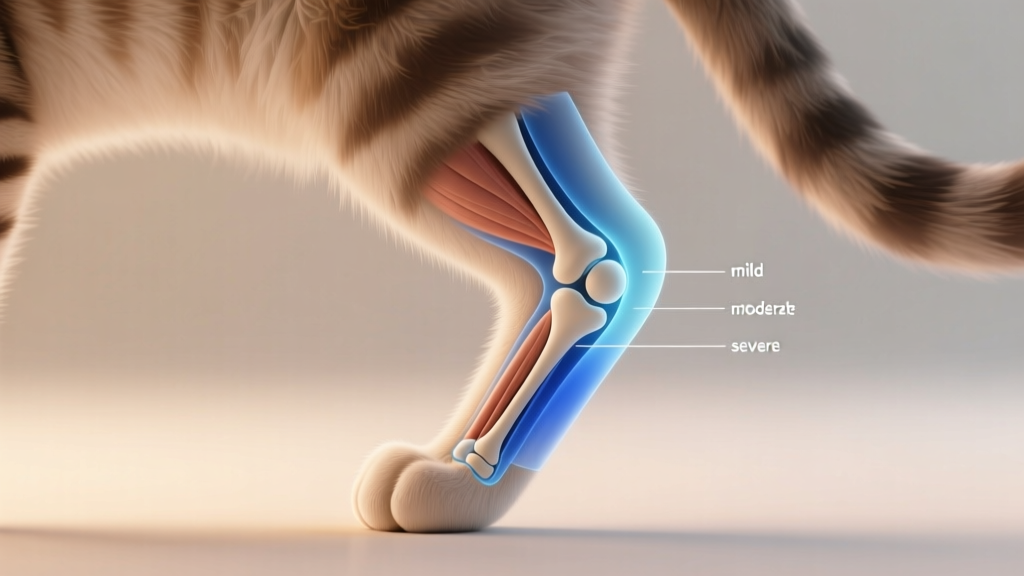
Kittens hide pain instinctively. Key signs: hiding more than usual, flattened ears, squinting eyes, reduced grooming, reluctance to jump, hunched posture, or sudden aggression when touched. Vocalization is rare — so silence can signal distress. Always err on the side of caution: any behavioral shift lasting >12 hours warrants vet evaluation.
Common Myths About Kitten Care
Myth #1: “Kittens don’t need vaccines if they stay indoors.”
False. Indoor kittens are still vulnerable to viruses tracked in on shoes/clothing, airborne pathogens from open windows, or accidental escape. Panleukopenia survives on surfaces for up to one year — and has a 90% fatality rate in unvaccinated kittens.
Myth #2: “I can train my kitten not to scratch furniture.”
Scratching is a biological imperative — for claw maintenance, scent marking, and stress relief. Punishment creates fear and redirects scratching to hidden, harder-to-correct places. Instead: provide sturdy, vertical sisal posts near sleeping areas, reward use with treats, and trim nails every 10–14 days.
Related Topics (Internal Link Suggestions)
- How to introduce a kitten to other pets — suggested anchor text: "introducing a kitten to dogs or cats"
- Best kitten food brands vet-recommended — suggested anchor text: "top vet-approved kitten foods"
- Signs of kitten illness you shouldn’t ignore — suggested anchor text: "kitten sickness warning signs"
- When to switch from kitten to adult cat food — suggested anchor text: "when to stop feeding kitten food"
- DIY kitten enrichment ideas on a budget — suggested anchor text: "low-cost kitten toys and games"
Your Next Step Starts Today — Not Tomorrow
You now hold the exact checklist veterinarians wish every new kitten owner received on day one — not as overwhelming advice, but as focused, time-sensitive actions that protect life, prevent disease, and build unshakeable trust. Don’t wait for ‘the right time’ — the right time is always the next 24 hours. Grab your gram scale and thermometer tonight. Call your vet to schedule the first wellness visit and fecal test. And download our free printable Kitten Care Timeline Tracker (linked below) — with built-in vaccine reminders, weight logs, and red-flag symptom checklists. Because caring for a kitten isn’t about perfection — it’s about showing up, informed and intentional, every single day. Your kitten’s future health depends on the choices you make before breakfast tomorrow.