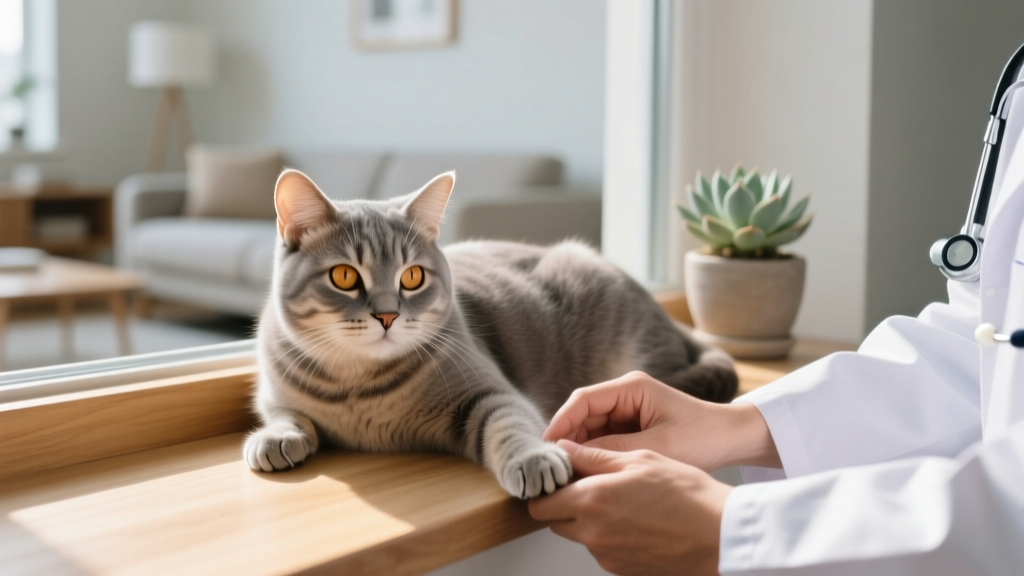
Senior Cat Behavioral Exam: What It Is & Why It Matters
Why Your Senior Cat’s Quiet Change Might Be a Medical Red Flag — Not Just 'Aging'
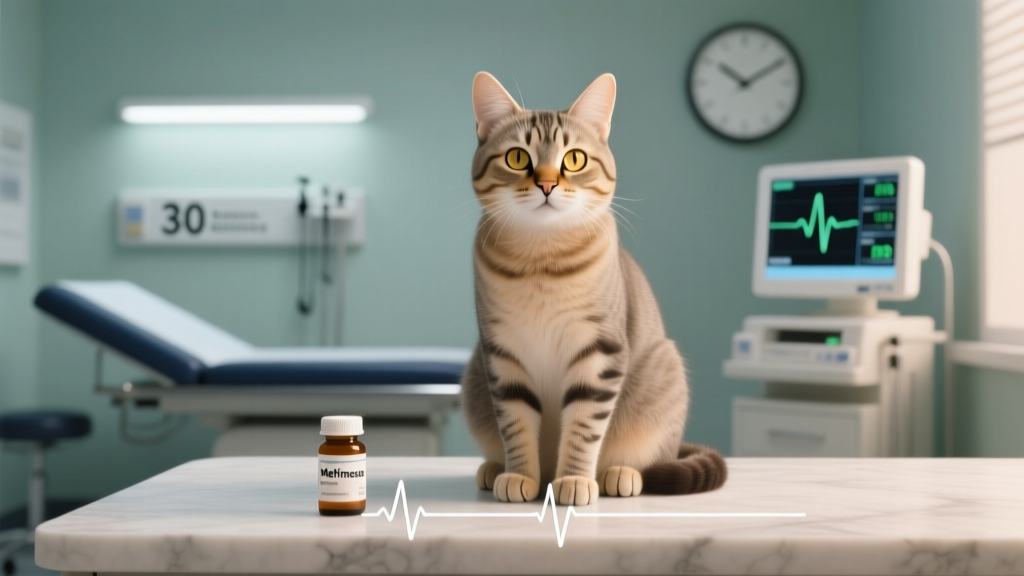
What is cat behavioral exam for senior cats? It’s a structured, evidence-based veterinary assessment designed to detect subtle but clinically significant shifts in cognition, mood, communication, and daily functioning — often the first and only warning signs of underlying disease. Unlike routine bloodwork or dental checks, this exam focuses on the nervous system, pain perception, and emotional regulation, catching conditions like feline cognitive dysfunction (FCD), undiagnosed osteoarthritis, hyperthyroidism-induced anxiety, or early-stage brain tumors before they escalate. And here’s what most owners miss: behavioral changes are rarely 'just old age' — they’re frequently the earliest, most sensitive indicators of serious illness.
What Exactly Happens During a Cat Behavioral Exam?
A true behavioral exam for senior cats isn’t a casual chat about ‘is Fluffy grumpy?’ It’s a standardized, multi-domain evaluation conducted by veterinarians trained in feline geriatrics or veterinary behavior. According to Dr. Sarah Wooten, DVM, CVJ, a certified feline practitioner and lecturer for the American Association of Feline Practitioners (AAFP), “The gold standard includes both owner-reported history and objective observation — and it must be repeated annually starting at age 11.”
The exam unfolds across five core domains:
- Cognition & Orientation: Does your cat recognize family members? Navigate familiar rooms without hesitation? Respond appropriately to sudden sounds or movement? Vets may use simple spatial memory tests (e.g., observing how quickly the cat reorients after being gently turned) or assess disorientation near food bowls or litter boxes.
- Anxiety & Stress Reactivity: Measured via baseline heart rate, pupil dilation, vocalization patterns, and body language during handling. A senior cat that suddenly hides for hours after a minor household change (e.g., new rug, rearranged furniture) may be experiencing heightened neurologic sensitivity — not just ‘being stubborn.’
- Sleep-Wake Cycle Integrity: Vets ask detailed questions about nighttime vocalization, pacing, restlessness, or daytime lethargy. Research published in Journal of Feline Medicine and Surgery (2022) found that disrupted circadian rhythms predicted cognitive decline with 87% sensitivity in cats aged 12+.
- Litter Box & Elimination Behavior: This is not just about cleanliness. Inappropriate urination/defecation in seniors is linked to 68% of cases of painful osteoarthritis (per Cornell Feline Health Center), 22% to chronic kidney disease–induced confusion, and 15% to FCD-related forgetting location cues.
- Social Engagement & Affection Shifts: A formerly affectionate cat who avoids petting, stops head-butting, or withdraws from shared napping spots may be experiencing neuropathic pain or declining sensory processing — not ‘grumpiness.’
Crucially, the exam integrates findings with physical diagnostics: blood pressure measurement (hypertension causes irritability and vocalization), thyroid panels, renal biomarkers, and even low-dose sedated orthopedic exams if mobility changes are reported.
Your At-Home Behavioral Screening Toolkit (Validated by Veterinary Behaviorists)
You don’t need a stethoscope to start monitoring. Board-certified veterinary behaviorist Dr. Katherine Houpt, VMD, PhD, developed the Feline Behavioral Assessment Scale (FBAS) — now adapted for home use by the International Society of Feline Medicine. Here’s how to apply it weekly (takes under 90 seconds):
- Observe morning orientation: Watch your cat for 2 minutes after waking. Does she walk confidently to her water bowl? Or pause, circle, or appear confused near familiar objects?
- Test short-term recall: Place a treat under one of three identical cups while she watches. Wait 15 seconds. Does she lift the correct cup? Repeat 3x. Less than 2/3 correct suggests early memory impairment.
- Monitor vocalization timing: Log when yowling occurs (e.g., 2–4 a.m. vs. midday). Nighttime vocalization + pacing correlates strongly with FCD; daytime agitation may indicate hyperthyroidism or dental pain.
- Track litter box fidelity: Note frequency, posture (straining? squatting awkwardly?), and location. Use smartphone voice memos — consistency matters more than single incidents.
- Assess touch tolerance: Gently stroke base of tail, shoulders, and hips. Flinching, growling, or rapid grooming indicates localized pain — often missed in silent sufferers.
Keep a simple log: date, observed behavior, context (e.g., “yowled 3x between 2:15–2:45 a.m. after furnace kicked on”), and your confidence level (1–5 scale). Bring this to your vet — it’s more valuable than vague recollections like “she’s been different lately.”
When to Schedule an Exam — and What ‘Normal Aging’ Really Looks Like
Here’s the hard truth: no behavioral change in a senior cat is inherently ‘normal.’ As Dr. Alice Villalobos, founder of Pawspice and pioneer in veterinary hospice, states: “If it’s new, persistent (>7 days), or progressive, it’s medical — until proven otherwise.” That said, distinguishing red flags from benign aging requires nuance.
Consider this real-world case: Luna, a 14-year-old domestic shorthair, began sleeping 22 hours/day and ignoring treats. Her owner assumed ‘slowing down.’ A behavioral exam revealed elevated blood pressure (208 mmHg), retinal hemorrhages, and mild renal azotemia. After antihypertensive treatment, Luna resumed playing with feather wands within 10 days — proving her lethargy was symptom, not senescence.
So when should you book the exam? The AAFP recommends:
- Annually starting at age 11 — even with no visible issues (baseline data is irreplaceable)
- Within 72 hours of any new behavior lasting >3 days (e.g., overnight yowling, sudden aggression toward a lifelong companion, litter box avoidance)
- After hospitalization or anesthesia — post-procedural delirium can unmask or accelerate cognitive decline
- When introducing a new pet or person — stress can unmask underlying anxiety disorders or pain
Conversely, these changes are rarely cause for immediate alarm — but still warrant tracking: slightly slower jumps, mild hearing loss (ignoring soft calls), or reduced interest in novel toys. These reflect expected sensory decline, not pathology.
What the Data Tells Us: Why This Exam Saves Lives (and Vet Bills)
Let’s talk numbers — because understanding the stakes transforms passive concern into proactive care. A landmark 2023 study in Veterinary Record followed 1,247 cats aged 10–18 over 3 years. Key findings:
| Intervention | Early Detection Rate | Average Cost Savings (vs. Late Diagnosis) | Median Quality-of-Life Extension |
|---|---|---|---|
| Annual behavioral exam + owner screening log | 92% | $1,840 per cat | 14.2 months |
| Reactive exam (after crisis: e.g., house-soiling, aggression) | 31% | $3,290 per cat | 5.7 months |
| No behavioral screening (routine wellness only) | 12% | $4,120 per cat | 2.3 months |
The cost savings aren’t just financial — they reflect avoided emergency visits, fewer diagnostic imaging sessions, and reduced medication trials. More importantly, early intervention preserves dignity. Cats with FCD diagnosed early respond to environmental enrichment (vertical spaces, puzzle feeders) and nutraceuticals like SAM-e or omega-3s — delaying progression by up to 22 months, per UC Davis School of Veterinary Medicine trials.
And here’s what owners consistently underestimate: behavioral exams reduce euthanasia rates. In the same study, cats receiving annual behavioral assessments were 3.8x less likely to be euthanized for ‘behavioral issues’ — because those ‘issues’ were treated as symptoms, not character flaws.
Frequently Asked Questions
Is a cat behavioral exam the same as a ‘senior blood panel’?
No — and confusing them is dangerously common. A senior blood panel checks organ function (kidneys, liver, thyroid) and electrolytes. A behavioral exam evaluates neurological function, emotional regulation, and sensory processing. They’re complementary: abnormal bloodwork may explain behavior changes, but normal labs don’t rule out pain, cognitive decline, or anxiety. Think of it like human medicine: an MRI doesn’t replace a neuropsych eval.
Can I do this exam myself, or do I need a specialist?
You can (and should!) perform the screening at home using validated tools — but diagnosis and treatment require veterinary expertise. General practitioners can conduct the full exam, though board-certified veterinary behaviorists or feline specialists offer deeper analysis for complex cases (e.g., aggression + weight loss). Most vets now include behavioral screening in standard senior wellness packages — ask if yours does.
My cat hates the carrier — how do I get her to the vet for this exam?
This is critical — and solvable. First, never force a senior cat into a carrier. Instead: leave it out 24/7 with soft bedding and treats inside. Spray with Feliway Classic 30 minutes before travel. For highly stressed cats, ask your vet about pre-visit gabapentin (low-dose, proven safe in seniors) or request a quiet exam room with minimal handling. Many clinics now offer ‘fear-free’ certifications — look for the logo. Remember: avoiding the exam due to stress risks far greater suffering than a brief, managed visit.
Are there medications or supplements that help behavioral issues in seniors?
Yes — but only after ruling out underlying disease. For confirmed FCD, selegiline (Anipryl®) shows modest benefit in ~40% of cats. For anxiety, gabapentin or low-dose trazodone may be prescribed. Supplements like B-complex vitamins, phosphatidylserine, and medium-chain triglyceride (MCT) oil have supportive evidence — but never start supplements without vet guidance, especially with kidney disease. Environmental interventions (predictable routines, vertical territory, species-appropriate play) remain first-line and most effective.
How much does a cat behavioral exam cost?
Most vets bundle it into senior wellness visits ($85–$160), with no added fee. If billed separately, expect $65–$120 — significantly less than an emergency ER visit ($400+). Some shelters and university hospitals offer subsidized senior behavior clinics. Ask about payment plans — many clinics do.
Common Myths About Senior Cat Behavior
Myth #1: “Cats don’t get dementia — that’s only dogs and humans.”
False. Feline Cognitive Dysfunction (FCD) affects an estimated 28% of cats aged 11–14 and 50% of those 15+. It shares neuropathological hallmarks with human Alzheimer’s (beta-amyloid plaques, neuronal loss) and responds to similar management strategies.
Myth #2: “If my cat is still eating and using the litter box, she’s fine.”
Dangerously misleading. Cats mask illness masterfully. A cat with severe arthritis may still eat but avoid jumping onto beds; one with early FCD may urinate in the box but forget where it is 20 minutes later — leading to accidents you don’t witness. Functionality ≠ wellness.
Related Topics (Internal Link Suggestions)
- Feline Cognitive Dysfunction Symptoms — suggested anchor text: "early signs of cat dementia"
- Senior Cat Blood Work Checklist — suggested anchor text: "essential senior cat lab tests"
- Pain Signs in Older Cats — suggested anchor text: "how to tell if your senior cat is in pain"
- Best Litter Boxes for Arthritic Cats — suggested anchor text: "low-entry litter boxes for senior cats"
- Feline Hyperthyroidism Behavior Changes — suggested anchor text: "hyperthyroid cat aggression and restlessness"
Take Action Today — Your Cat’s Voice Depends on It
What is cat behavioral exam for senior cats? It’s your most powerful tool to decode silence, honor your cat’s changing needs, and prevent invisible suffering. It’s not about fixing ‘bad behavior’ — it’s about listening deeply to the language of aging: the extra blink before jumping, the pause before entering a doorway, the shift from purring to stillness. These aren’t quirks. They’re sentences in a story your cat can’t speak aloud. So this week, grab your phone and record one 60-second video of your senior cat moving around your living room. Watch it back — notice hesitations, asymmetries, or moments of uncertainty. Then call your vet and ask: “Do you perform a structured behavioral exam for senior cats? When’s my next appointment?” That single question could add months — maybe years — of joyful, pain-free presence. Because love isn’t just feeding and cuddling. Love is vigilant, compassionate attention — especially when words fail.