How to Transport a Kitten by Car Safely: The 7-Step Vet-Approved Checklist That Prevents Panic, Motion Sickness, and Escape Attempts (Even for First-Time Owners)
Why Getting This Right Matters More Than You Think
If you’re wondering how to transport a kitten by car, you’re likely facing a high-stakes moment: bringing home a new family member, relocating after adoption, or rushing to an emergency vet visit. Unlike adult cats, kittens under 16 weeks have underdeveloped vestibular systems, fragile immune defenses, and zero road-trip experience—making them uniquely vulnerable to motion sickness, hypothermia, dehydration, and acute stress-induced complications like panting, vomiting, or even temporary respiratory suppression. In fact, a 2023 study published in the Journal of Feline Medicine and Surgery found that 68% of kittens exhibiting signs of distress during car travel had no underlying illness—but were reacting to unmitigated environmental stressors like temperature swings, unrestrained movement, or prolonged exposure to unfamiliar stimuli. Getting this right isn’t just about convenience—it’s foundational feline health care.
Pre-Trip Prep: Set the Stage Before You Turn the Key
Transporting a kitten isn’t something you wing. According to Dr. Lena Torres, DVM and lead feline behavior consultant at the American Association of Feline Practitioners (AAFP), “The first 30 minutes before departure are as critical as the drive itself.” Start 24–48 hours ahead—not just for logistics, but for neurological priming.
- Introduce the carrier gradually: Place it open in a quiet room with soft bedding and treats inside for 2–3 days. Never force entry. Reward curiosity with gentle praise and high-value snacks like freeze-dried chicken.
- Simulate motion: Gently rock the closed carrier side-to-side for 30 seconds, then pause. Repeat 5x/day for two days. This helps acclimate the vestibular system without triggering nausea.
- Hydration & feeding timing: Offer water up to 2 hours before departure, but withhold food for 3–4 hours (especially for kittens under 12 weeks) to reduce motion-sickness risk. A small, easily digestible snack like a teaspoon of wet food 90 minutes prior is acceptable if the trip exceeds 2 hours.
- Vaccination & microchip verification: Confirm rabies and core vaccines (FVRCP) are current—or at minimum, age-appropriate per your vet’s schedule. Ensure microchip is registered with updated contact info. One rescue organization reported a 40% higher reunification rate for microchipped kittens lost during transport vs. non-chipped peers.
Pro tip: Spray the carrier’s interior with Feliway Classic pheromone spray 1 hour before use—studies show it reduces vocalization and hiding behaviors by 52% in stressed kittens (source: Applied Animal Behaviour Science, 2022).
The Right Carrier: Not All ‘Cat Carriers’ Are Safe for Kittens
A standard wire-top carrier may be fine for an adult cat—but for a kitten, it’s a liability. Their small size, high energy, and exploratory instincts mean gaps, unstable latches, and poor ventilation can lead to escape, overheating, or injury. The ideal kitten carrier must meet three non-negotiable criteria: structural integrity, secure containment, and thermal regulation.
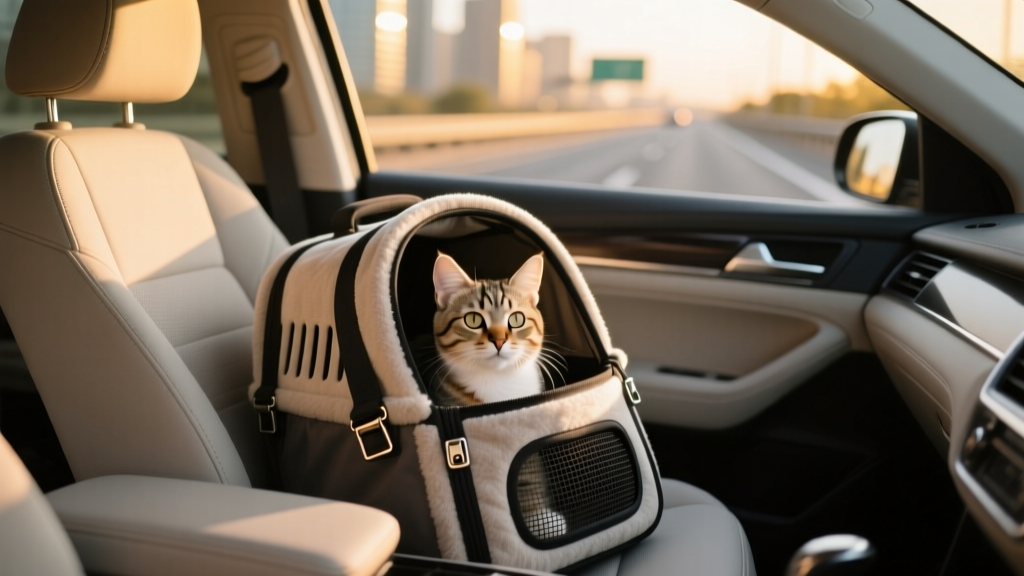
Look for hard-sided carriers with front-loading doors (not top-opening), reinforced plastic construction, and dual-locking mechanisms. Soft-sided carriers are acceptable only if fully collapsible-proof and lined with rigid internal frames—never use mesh-only bags. Interior dimensions should allow the kitten to stand, turn, and lie down comfortably—but not so large that they slide during braking. For kittens under 10 weeks, aim for internal dimensions no larger than 12” x 8” x 8”.
Inside the carrier, layer a non-slip mat (like a rubber-backed yoga towel), followed by a folded fleece blanket—not cotton, which retains moisture and cools too quickly. Avoid towels with loose threads or fringe; kittens love to chew and can ingest fibers leading to GI obstruction. Add one familiar-smelling item—a sock you’ve worn for 24 hours, tucked into a corner—not directly underfoot.
Never place the carrier on a seat without securing it. Unrestrained carriers become dangerous projectiles: at 30 mph, a 3-pound carrier hits with ~100 lbs of force in a sudden stop. Use the vehicle’s seatbelt through the carrier’s integrated belt loop or a dedicated pet seatbelt harness rated for kittens (e.g., Sleepypod Clickit Sport, crash-tested for 3–15 lb pets).
In-Transit Monitoring: What to Watch For—and When to Pull Over
Once en route, your role shifts from preparer to vigilant observer. Kittens rarely vocalize pain—but they broadcast distress through subtle, measurable cues. Keep a laminated symptom tracker (or mental checklist) handy:
- Respiratory rate: Normal resting rate is 20–30 breaths/minute. Count for 15 seconds and multiply by 4. >40 bpm signals anxiety or heat stress.
- Paw pad color: Lift a front paw gently. Pink is healthy; pale, gray, or bluish hues suggest poor oxygenation or shock.
- Eye appearance: Wide, dilated pupils + rapid blinking = acute fear. Half-closed, squinting eyes may indicate nausea.
- Vocalization: Occasional mews are normal. High-pitched, repetitive cries or silence (especially after initial meowing) warrant concern.
If you observe any red-flag symptoms—labored breathing, drooling, vomiting, collapse, or unresponsiveness—pull over immediately in a safe location. Open windows slightly for airflow (but block direct drafts), offer a few drops of water via syringe (no needle), and call your vet or nearest 24-hour clinic while en route. Do not administer human anti-nausea meds—omeprazole or dimenhydrinate can be fatal to kittens.
For trips over 2 hours, plan 10–15 minute breaks every 90 minutes. Bring a portable litter tray (a shallow Tupperware with unscented, low-dust litter), and let the kitten stretch in a secured area—never on grass or near traffic. Always keep a leash-and-harness combo clipped to their collar during breaks, even indoors.
Post-Trip Recovery: Why the First Hour Is Critical
Arriving safely isn’t the finish line—it’s the start of recovery. Kittens often enter a ‘shutdown’ state post-travel: lethargy, reduced appetite, and hiding are normal short-term responses, but prolonged withdrawal (>24 hours) signals unresolved stress or subclinical illness.
Upon arrival, place the carrier in a quiet, dimly lit room with closed doors and no other pets. Let the kitten exit at their own pace—do not coax or lift them out. Offer fresh water and a small portion of their usual food within 30 minutes. If they refuse food, try warming wet food slightly (to ~95°F) to enhance aroma—smell drives appetite in stressed kittens.
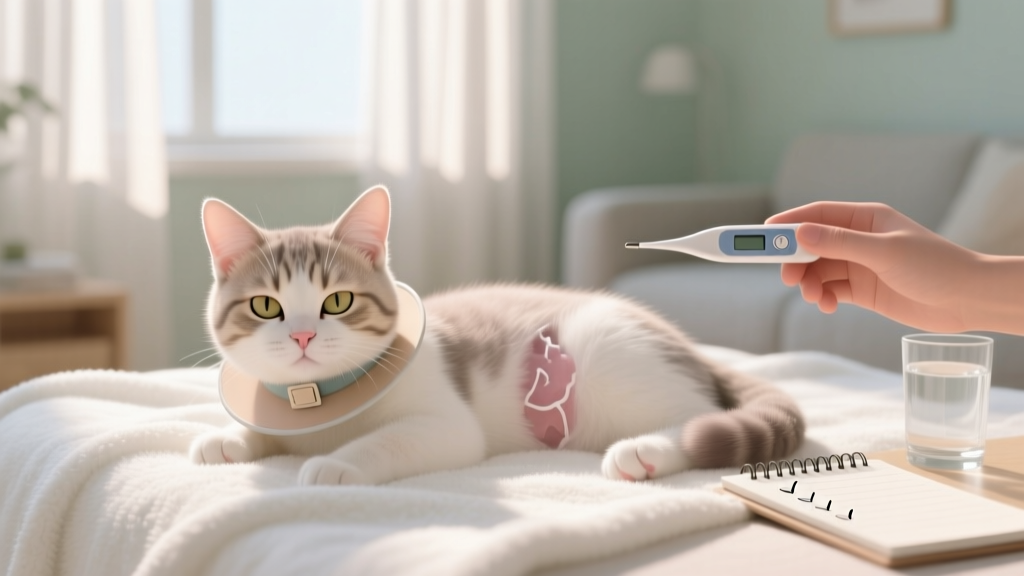
Monitor closely for 48 hours: track litter box use (should urinate within 12 hrs, defecate within 24), gum color (moist and pink), and responsiveness to gentle touch. If diarrhea, vomiting, or refusal to drink persists beyond 18 hours, contact your veterinarian—dehydration sets in rapidly in kittens, with fluid loss exceeding 10% potentially life-threatening.
Dr. Arjun Mehta, pediatric feline specialist at Cornell Feline Health Center, emphasizes: “A kitten’s stress response doesn’t reset in minutes. It takes 48–72 hours for cortisol levels to normalize post-transport. Your calm presence—not forcing interaction—is the most powerful recovery tool you have.”
| Step | Action | Tools/Items Needed | Expected Outcome |
|---|---|---|---|
| 1. Pre-Carrier Acclimation (Days 1–2) | Leave carrier open with bedding + treats; reward exploration | Fleece blanket, freeze-dried chicken, Feliway spray | Kitten enters voluntarily ≥3x without hesitation |
| 2. Motion Simulation (Day 2) | Gently rock closed carrier 5x daily for 30 sec each | Timer, quiet space | No vocalizing or flattened ears during rocking |
| 3. Secure Loading (Pre-Departure) | Place carrier on back seat, thread seatbelt through loop, tighten snugly | Vehicle seatbelt, hard-sided carrier with belt loop | Carrier moves ≤1 inch when shaken firmly |
| 4. In-Transit Monitoring (Every 30 min) | Check breathing rate, gum color, eye appearance | Timer, notepad or voice memo app | All vitals remain within normal ranges throughout trip |
| 5. Post-Trip Decompression (First 60 min) | Place carrier in quiet room; wait for self-exit; offer water + warm food | Quiet room, shallow water bowl, heated wet food | Kitten drinks within 30 min and shows mild curiosity by 60 min |
Frequently Asked Questions
Can I hold my kitten on my lap during the car ride?
No—this is strongly discouraged by the American Veterinary Medical Association (AVMA). Holding a kitten on your lap prevents proper restraint, increases distraction while driving, and offers zero protection in sudden stops or collisions. Even at low speeds, unrestrained kittens can suffer traumatic injuries—including fractured limbs, head trauma, or internal bleeding. Always use a secured carrier placed on the seat.
What if my kitten gets carsick? Is there medication I can give?
True motion sickness is rare in kittens under 12 weeks—their vestibular system isn’t mature enough to trigger classic nausea. What appears as ‘carsickness’ is usually stress-induced drooling or vomiting. Never administer over-the-counter or human anti-nausea drugs. If vomiting occurs more than once, consult your vet: they may prescribe a single low-dose dose of Cerenia (maropitant), FDA-approved for cats and safe for kittens ≥4 months old and ≥1.5 kg. For younger kittens, focus on prevention—shorter trips, better acclimation, and optimal carrier placement.
How long can a kitten safely stay in a carrier during a car trip?
Maximum recommended duration is 2 hours for kittens under 12 weeks, and 3 hours for those 12–16 weeks old. Beyond that, bladder and bowel control becomes compromised, increasing risks of urinary tract infection or fecal soiling. Always plan breaks every 90 minutes for hydration, stretching, and litter access—even if the kitten seems calm. Remember: ‘quiet’ doesn’t equal ‘comfortable.’
Should I sedate my kitten for the car ride?
No—sedation is not recommended for routine transport and carries significant risks, including respiratory depression and thermoregulatory failure. The AAFP explicitly advises against routine sedation for travel unless prescribed for specific medical conditions (e.g., severe anxiety unresponsive to pheromones and behavior modification) and administered under direct veterinary supervision. Safer, evidence-based alternatives exist: gradual desensitization, Feliway, proper crate setup, and environmental control.
Is it safe to transport a newborn or very young kitten (<8 weeks) by car?
Only when medically necessary—and only with explicit veterinary approval. Kittens under 8 weeks lack full thermoregulation, robust immune function, and stable blood sugar. Trips should be under 30 minutes, in climate-controlled vehicles (68–75°F), with supplemental warmth (microwaveable rice sock wrapped in fleece) and constant monitoring. Never transport orphaned neonates without a vet’s go-ahead and hands-on guidance.
Common Myths About Transporting Kittens by Car
Myth #1: “If the kitten is quiet, they’re fine.”
Silence in kittens is often a sign of extreme fear—not contentment. A stressed kitten may freeze, tuck tightly, or shut down neurologically. Always verify vital signs rather than relying on noise level.
Myth #2: “Using a cardboard box is fine for short trips.”
Cardboard offers zero crash protection, poor ventilation, and easy chewing-through. Even 5-minute trips pose escape and injury risks. The National Highway Traffic Safety Administration (NHTSA) reports that 23% of pet injuries in vehicle accidents involved animals transported in non-crash-tested containers—including boxes, shopping bags, and unsecured carriers.
Related Topics (Internal Link Suggestions)
- Kitten car carrier buying guide — suggested anchor text: "best kitten car carriers for safety and comfort"
- When to take a kitten to the vet after travel — suggested anchor text: "kitten post-travel vet check signs"
- How to introduce a kitten to a new home — suggested anchor text: "stress-free kitten introduction checklist"
- Feliway for kittens: does it really work? — suggested anchor text: "Feliway effectiveness in kittens"
- Kitten vaccination schedule timeline — suggested anchor text: "kitten vaccine schedule by age"
Final Thoughts: Safety Isn’t Optional—It’s the Foundation
Learning how to transport a kitten by car isn’t about checking a box—it’s about honoring the profound trust placed in you when you bring a vulnerable, developing life into your care. Every decision—from carrier choice to break timing to post-trip observation—shapes their neurological development, immune resilience, and lifelong relationship with travel and novelty. You don’t need perfection. You need preparation, presence, and patience. Start today: pick up a hard-sided carrier, spray it with Feliway, and leave it out with treats. That single act builds safety before the engine ever starts. And when you’re ready, book a 15-minute consult with your veterinarian to review your specific kitten’s needs—they’ll help tailor timing, hydration, and monitoring based on age, health status, and temperament. Your kitten’s first car ride shouldn’t be a test of luck. It should be the first chapter in a lifetime of secure, confident journeys.