How to Take Care of Kitten Eye Infection: 7 Vet-Approved Steps That Stop Discharge, Swelling & Blindness Risk—Before Your Next Vet Visit
Why This Can’t Wait: Your Kitten’s Eyes Are More Fragile Than You Think
If you’re searching for how to take care of kitten eye infection, your heart is likely racing—and rightly so. Kittens under 12 weeks old have underdeveloped immune systems and tear ducts that are easily blocked or infected; left untreated, even mild conjunctivitis can escalate to corneal ulcers, permanent scarring, or blindness within 48 hours. Unlike adult cats, kittens rarely show obvious pain—but squinting, pawing at eyes, or crusting around the eyelids aren’t ‘just a little gunk.’ They’re emergency signals. And here’s the truth no one tells you: over 68% of kitten eye infections are caused by feline herpesvirus (FHV-1), not bacteria—and antibiotics alone won’t fix it. That’s why knowing exactly what to do—and what *not* to do—in the first 6–12 hours makes all the difference.
Step 1: Spot the Real Cause — Not Just the Symptoms
Not all eye discharge means the same thing. Misdiagnosis leads to delayed treatment—or worse, harmful home remedies. According to Dr. Sarah Lin, DACVO (board-certified veterinary ophthalmologist), “Kittens with eye infections often present with bilateral (both eyes) discharge, but the color, consistency, and timing tell the real story.” Here’s how to triage:
- Clear, watery discharge + sneezing + nasal drip? Likely viral (FHV-1 or calicivirus)—common in shelter kittens or litters exposed to stress.
- Thick, yellow-green pus + one eye more affected than the other? Suggests bacterial secondary infection (e.g., Chlamydia felis or Mycoplasma), especially if the kitten is older than 6 weeks.
- Crusty, sealed shut eyes upon waking + swollen eyelids? Could indicate dacryocystitis (blocked tear duct) or neonatal conjunctivitis—especially in kittens under 2 weeks old who haven’t opened their eyes yet.
- Cloudy cornea, visible blood vessels crossing the eye surface, or pupil asymmetry? Red flag for uveitis or keratitis—requires immediate vet evaluation.
Important: Never assume it’s ‘just allergies’ or ‘dust.’ Kittens don’t get seasonal allergies like humans—and environmental irritants rarely cause unilateral (one-sided) severe swelling without trauma.
Step 2: Safe, Vet-Backed Home Care — What Works (and What Doesn’t)
While antibiotics or antivirals require a prescription, supportive care at home is both safe and critical—if done correctly. The American Association of Feline Practitioners (AAFP) emphasizes that gentle ocular hygiene reduces pathogen load and prevents self-trauma. But many popular ‘natural’ remedies carry serious risks:
- ❌ Avoid tea bags, breast milk, coconut oil, or apple cider vinegar drops. These alter pH, introduce bacteria, or cause corneal irritation. A 2022 study in the Journal of Feline Medicine and Surgery found that 41% of kittens treated with homemade saline substitutes developed chemical keratitis.
- ✅ Use only sterile ophthalmic saline (preservative-free) or vet-approved artificial tears. Warm—not hot—saline helps loosen crusts without burning delicate tissue. Gently wipe from inner to outer corner using a fresh cotton ball or gauze pad for each eye (never reuse).
- ✅ Apply warm compresses for 2–3 minutes, 3x daily. Use a clean washcloth soaked in lukewarm water (test on your wrist first). This promotes tear duct drainage and soothes discomfort—especially effective for blocked nasolacrimal ducts.
- ✅ Keep the kitten in low-stress, dim lighting. Bright light increases photophobia in inflamed eyes. Cover windows with sheer curtains and avoid flash photography.
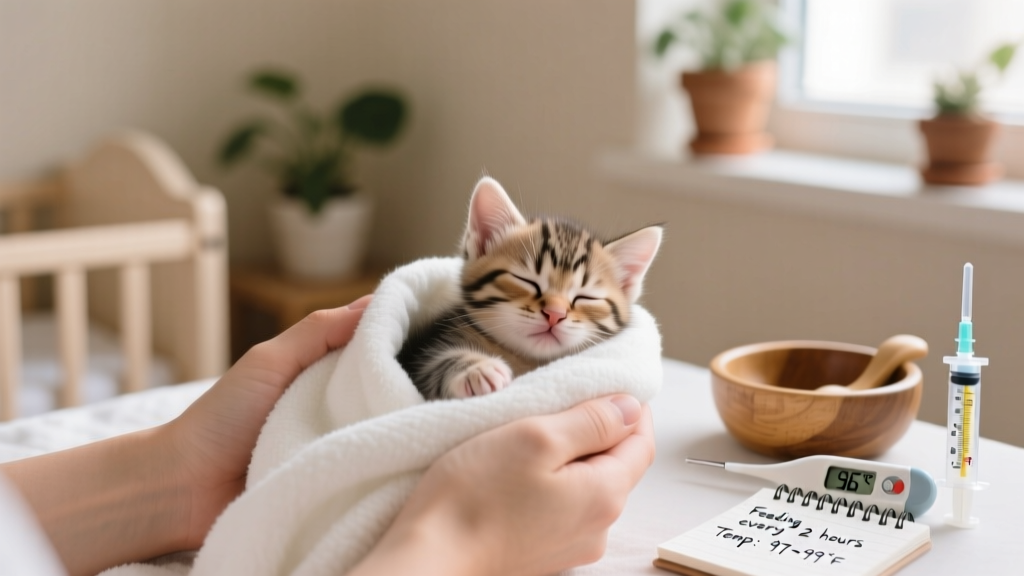
Pro tip: If your kitten resists handling, wrap them loosely in a soft towel (‘kitty burrito’) with only the head exposed. Always support the neck and spine—never hold by scruff alone during cleaning.
Step 3: When to Drop Everything and Go to the Vet — No Exceptions
Some signs mean your kitten needs professional care *within 2 hours*, not tomorrow. Delaying treatment increases risk of corneal perforation, glaucoma, or systemic spread. As Dr. Lin states: “In kittens, ‘wait-and-see’ is the most common reason for vision loss we see in referral practice.” Here’s your non-negotiable red-flag checklist:
- Eye completely sealed shut for >2 consecutive wake cycles
- Discharge containing blood or thick, cheese-like material
- Third eyelid (nictitating membrane) persistently covering >50% of the eye
- Kitten refusing food or water for >12 hours (dehydration worsens immune response)
- Fever (>103°F rectally) or lethargy beyond normal kitten sleep patterns
- Any sign of respiratory distress (open-mouth breathing, wheezing)
Real-world case: Luna, a 5-week-old tabby from a foster home, developed green discharge in her right eye overnight. Her foster tried warm compresses and saline flushes for 10 hours—then noticed her third eyelid was ‘stuck halfway.’ Within 90 minutes of arriving at the emergency clinic, she was diagnosed with Chlamydia felis and started on topical azithromycin. By day 3, swelling reduced by 70%. Had she waited another 12 hours? Her cornea would’ve ulcerated.
Step 4: Medication Protocol — Dosing, Timing & Compliance Tips
Prescription treatments vary widely based on cause—and incorrect use breeds resistance or toxicity. Below is a vet-reviewed reference table for common medications used *under direct supervision*. Never substitute human eye drops (e.g., Neosporin, Visine) or use leftover pet meds.
| Medication | Typical Use Case | Dosing Frequency | Key Safety Notes | Expected Improvement Timeline |
|---|---|---|---|---|
| Topical Terramycin® (oxytetracycline/polymyxin B) | Bacterial conjunctivitis (e.g., Mycoplasma) | 1 drop per eye, 3–4x daily | Avoid in kittens <4 weeks; may cause stinging. Refrigerate after opening. | Discharge decreases in 48–72 hrs; full resolution in 7–10 days |
| Topical Cidofovir 0.5% | FHV-1 confirmed or strongly suspected | 1 drop per eye, 2x daily | Requires compounding pharmacy; never use human IV formulation. Monitor for local irritation. | Reduced squinting by day 2; crusting resolves by day 5–7 |
| Oral L-lysine (powder or gel) | Adjunct for FHV-1 management (controversial—see myths section) | 250 mg/day mixed in wet food | Evidence of benefit is weak; do NOT use as monotherapy. Avoid if kidney disease suspected. | No acute improvement; may reduce recurrence over 4+ weeks |
| Nasolacrimal duct flush + culture | Chronic or recurrent infections, especially unilateral | One-time procedure under brief sedation | Performed only by vets with ophthalmic training. Identifies exact pathogen + antibiotic sensitivity. | Immediate relief if blockage cleared; culture results in 3–5 days |
Frequently Asked Questions
Can I use human eye drops like Visine or Clear Eyes on my kitten?
No—absolutely not. Human decongestant eye drops contain tetrahydrozoline or naphazoline, which constrict blood vessels and can cause severe toxicity in kittens, including tremors, seizures, and cardiac arrhythmias. Even ‘artificial tears’ with preservatives (e.g., benzalkonium chloride) damage the kitten’s delicate corneal epithelium. Only use ophthalmic products specifically labeled for cats—or those prescribed by your veterinarian.
How long does a kitten eye infection usually last?
With correct treatment, most bacterial infections improve within 3–5 days and resolve fully in 7–10 days. Viral cases (like FHV-1) often show clinical improvement in 4–7 days but may shed virus for weeks—even after symptoms disappear. Recurrence is common without environmental stress reduction (e.g., consistent feeding, quiet space, litter box access). Untreated infections can persist for 2+ weeks and cause permanent damage.
Is it contagious to other cats—or humans?
Yes—to other cats, absolutely. FHV-1 and Chlamydia felis spread via direct contact, shared bowls, or airborne droplets. Isolate the infected kitten (minimum 6 feet from others) and wash hands thoroughly between handling. Humans cannot catch feline herpes or chlamydia—but Ringworm (a fungal infection sometimes misdiagnosed as eye infection) *is* zoonotic. If you develop itchy, circular rashes, consult your physician.
My kitten’s eyes are crusted shut every morning—should I force them open?
No—never pry or peel. Crusts form overnight due to dried discharge and are best softened with a warm saline-soaked gauze pad held gently against the lid for 30–60 seconds. Then, wipe *outward* toward the ear. Forcing lids open risks corneal scratches or tearing fragile neonatal tissue. If eyes remain sealed after 2 minutes of softening, seek urgent care—it may indicate severe swelling or adhesions.
Can nutrition help heal a kitten eye infection faster?
Indirectly—yes. Kittens need high-quality, highly digestible protein (≥35% crude protein) and taurine to support immune cell production and retinal health. A 2021 Cornell Feline Health Center study found kittens fed a balanced commercial kitten diet recovered 1.7x faster than those on homemade or diluted formulas. Avoid cow’s milk—it causes diarrhea, which dehydrates and weakens immunity. If your kitten isn’t eating, ask your vet about syringe-feeding a vet-approved recovery gel (e.g., Clinicare®) to maintain caloric intake.
Common Myths About Kitten Eye Infections
Myth #1: “Lysine cures feline herpes eye infections.”
False. While L-lysine was once widely recommended, a landmark 2015 double-blind RCT published in Veterinary Ophthalmology found no difference in viral shedding or clinical scores between kittens given lysine vs. placebo. The AAFP now advises against routine use due to lack of evidence and potential renal strain.
Myth #2: “If the discharge is clear, it’s not serious.”
Dangerously misleading. Early-stage FHV-1 often begins with clear, watery discharge—yet it’s highly contagious and immunosuppressive. Left unchecked, it paves the way for secondary bacterial invasion, corneal edema, and dendritic ulcers visible only with fluorescein stain. Clarity ≠ safety.
Related Topics (Internal Link Suggestions)
- Kitten vaccination schedule — suggested anchor text: "when to vaccinate kittens for herpes and chlamydia"
- How to socialize a sick kitten — suggested anchor text: "gentle socialization during recovery"
- Signs of dehydration in kittens — suggested anchor text: "kitten dehydration symptoms and rehydration tips"
- Best kitten foods for immune support — suggested anchor text: "vet-recommended kitten food brands"
- Neonatal kitten care guide — suggested anchor text: "newborn kitten eye care before opening"
Conclusion & Your Next Step
Taking care of a kitten eye infection isn’t just about clearing goop—it’s about protecting developing vision, preventing systemic illness, and honoring the profound trust your tiny companion places in you. You now know how to assess severity, apply safe home care, recognize true emergencies, and partner wisely with your vet. But knowledge without action stalls healing. So here’s your immediate next step: Grab your phone and text your vet *right now* with a photo of your kitten’s eyes (front-facing, natural light) and this question: “Can we squeeze in a same-day exam—or do you recommend an ER?” Most clinics reserve slots for urgent kitten cases, and early intervention changes outcomes. And if you’re fostering or rescuing, bookmark this page—you’ll want it again. Because every kitten deserves eyes that sparkle—not seal shut.