How to Take Care of a Kitten Without a Mom: The 72-Hour Survival Protocol Every Rescuer Needs (No Vet Degree Required)
Why This Isn’t Just ‘Cute’—It’s Life-or-Death Urgency
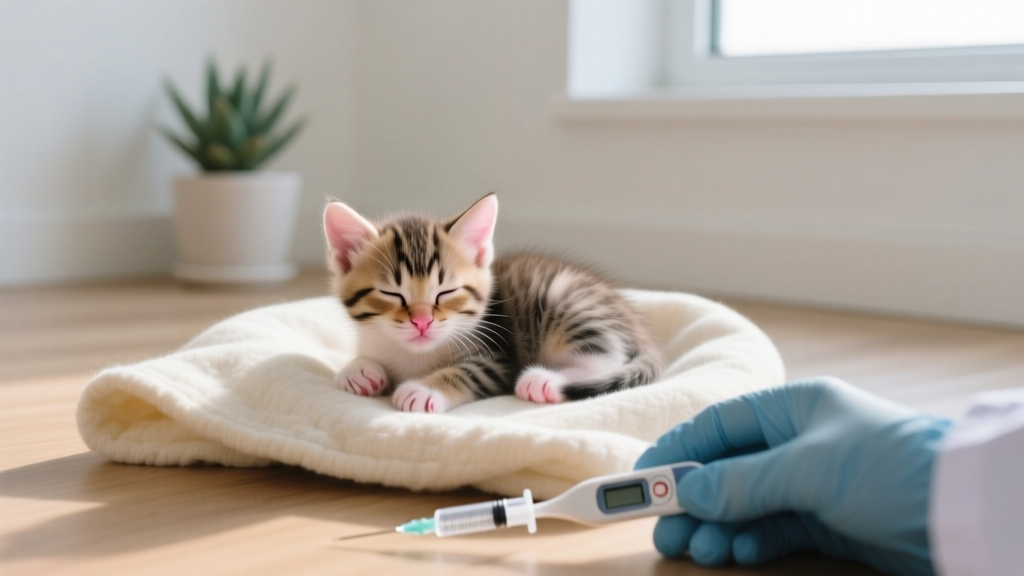
If you’ve just found or adopted a newborn or young kitten without a mom, how to take care of a kitten without a mom isn’t a theoretical question—it’s an immediate, high-stakes responsibility. Neonatal kittens (under 4 weeks) have zero immune defense, can’t regulate their own body temperature, and can’t urinate or defecate without stimulation. Left unattended for even 2–3 hours, they risk hypothermia, dehydration, failure-to-thrive syndrome, or sudden death. In fact, the ASPCA reports that up to 30% of orphaned kittens under 2 weeks old die without expert-level human intervention—even with best intentions. But here’s the good news: with precise timing, correct tools, and evidence-based techniques, survival rates jump to over 85%. This guide distills protocols used by shelter veterinarians, foster coordinators, and neonatal feline specialists into one actionable, hour-by-hour roadmap.
Step 1: Stabilize — Warm, Hydrate, and Assess (First 30 Minutes)
Before feeding—yes, before—you must stabilize. A cold kitten cannot digest milk. Hypothermia is the #1 killer of orphaned kittens. Dr. Lisa M. Hines, DVM, DACVIM (Feline Specialist), emphasizes: “Never feed a kitten below 94°F rectally. You’ll induce aspiration pneumonia or gut shutdown.”
Do this immediately:
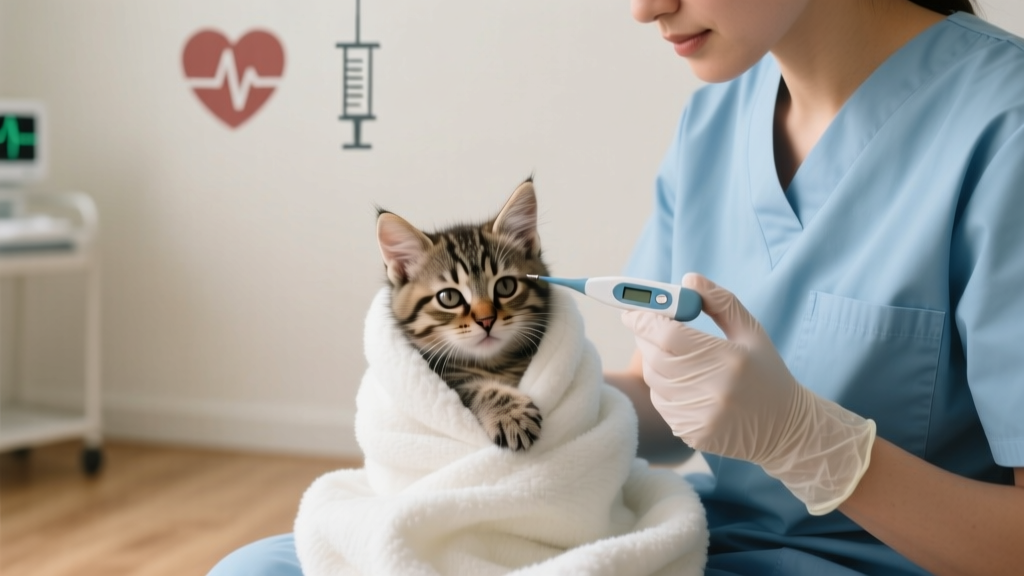
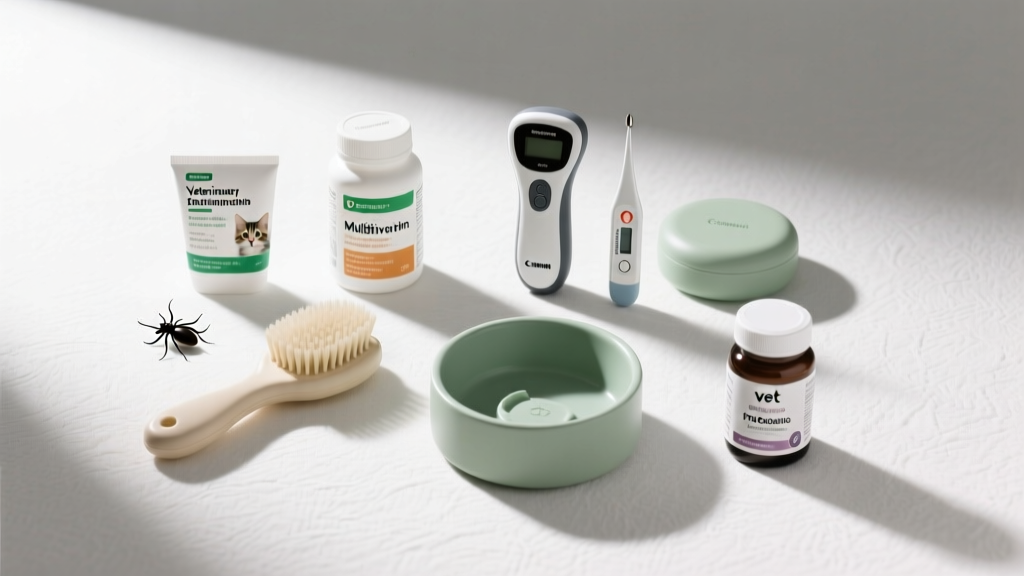
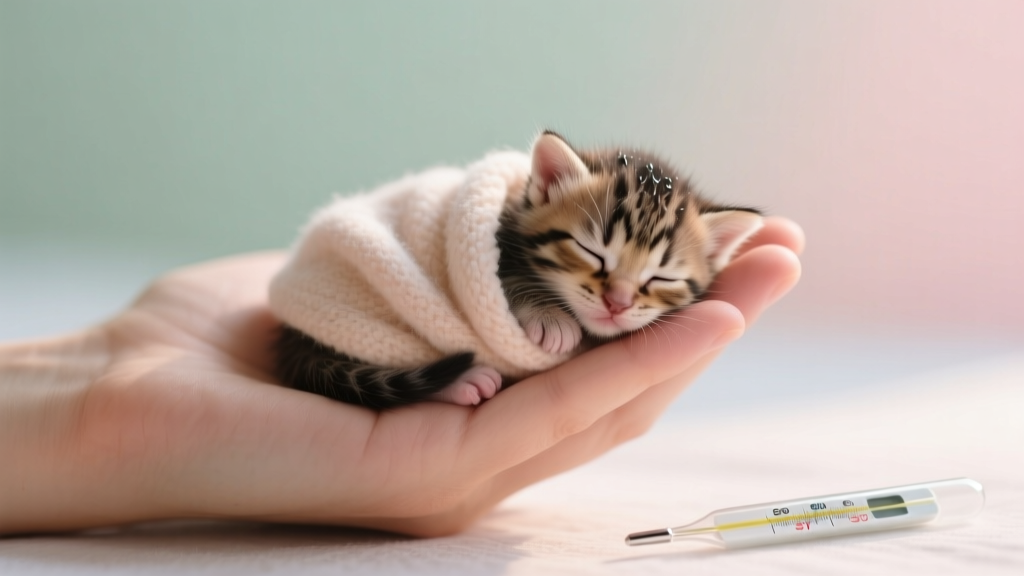
- Check temperature: Use a digital rectal thermometer lubricated with water-based lube. Normal range: 95–99°F (35–37.2°C). Below 94°F = emergency warming.
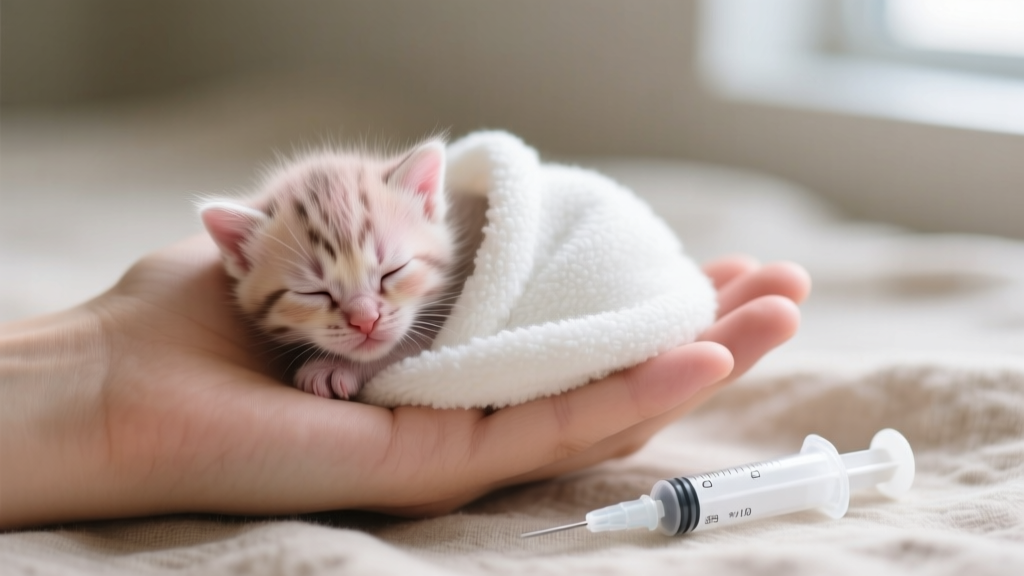
- Warm gradually: Wrap in a towel and place on a warm (not hot) rice sock or Snuggle Safe disc set at 100°F—never use direct heat or heating pads. Increase temp no more than 2°F per hour.
- Assess hydration: Gently pinch the skin at the scruff. If it stays tented >2 seconds, the kitten is severely dehydrated—and oral rehydration must precede formula feeding.
- Check for meconium: Newborns should pass black, tarry stool (meconium) within 24 hours. No passage? That signals intestinal blockage or sepsis—call a vet immediately.
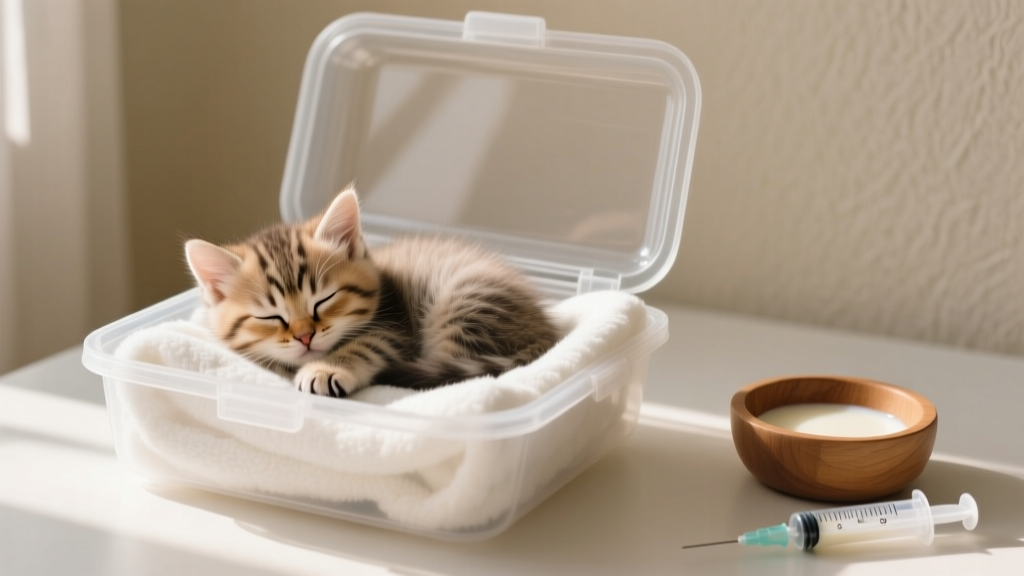
A real-world example: When foster caregiver Maya rescued three 5-day-old kittens from a storm drain in Portland, two were lethargy-hypothermic at 92.4°F. She warmed them slowly over 90 minutes using a heated incubator (a cardboard box lined with microwavable heat packs wrapped in fleece), then administered 1 mL of pediatric electrolyte solution (Pedialyte unflavored, diluted 50/50 with warm water) via syringe *before* any formula. All three survived—and are now healthy 6-month-olds.
Step 2: Feed Right — Formula, Frequency, and Feeding Mechanics
Bottle-feeding seems intuitive—but it’s where most well-meaning rescuers fail. Cow’s milk causes fatal diarrhea. Overfeeding causes aspiration. Incorrect positioning leads to pneumonia. According to the Winn Feline Foundation’s 2023 Neonatal Care Consensus, improper feeding technique accounts for 62% of early mortalities in home-fostered kittens.
Use only commercial kitten milk replacer (KMR or Just Born)—never goat’s milk, soy, almond, or human baby formula. Mix precisely per label: too concentrated causes constipation; too dilute causes malnutrition. Warm to 98–100°F (test on your wrist—not your lip). Never microwave; heat in warm water bath.
Feeding schedule by age:
- 0–1 week: Every 2–3 hours (including overnight); 2–6 mL per feeding, depending on weight (see table below).
- 1–2 weeks: Every 3–4 hours; 5–10 mL per feeding.
- 2–3 weeks: Every 4–6 hours; 10–15 mL per feeding + introduce shallow dish for lapping practice.
- 3–4 weeks: Begin weaning with gruel (KMR + wet food paste); reduce bottle feedings to 3x/day.
Hold kittens belly-down, slightly inclined (like nursing on mom)—never on their back. Let them suckle naturally; never force the nipple. If milk bubbles from nostrils or breathing becomes labored, stop immediately and reposition. Burp gently after each feeding by holding upright and rubbing the back.
| Age | Weight Range | Formula per Feeding | Feeding Interval | Critical Notes |
|---|---|---|---|---|
| 0–3 days | 2–4 oz (57–113 g) | 2–4 mL | Every 2 hrs | Stimulate elimination BEFORE first feeding |
| 4–7 days | 4–6 oz (113–170 g) | 4–6 mL | Every 2.5 hrs | Monitor for jaundice (yellow gums = liver stress) |
| 1–2 weeks | 6–10 oz (170–283 g) | 6–10 mL | Every 3–4 hrs | Weigh daily—should gain 7–10 g/day |
| 2–3 weeks | 10–16 oz (283–454 g) | 10–15 mL | Every 4–6 hrs | Begin gentle tooth brushing with soft cloth |
| 3–4 weeks | 16–24 oz (454–680 g) | 15–20 mL + gruel | Every 6 hrs + 1–2 solid meals | Introduce litter box with non-clumping, paper-based litter |
Step 3: Stimulate, Sanitize, and Monitor — The Invisible Lifelines
Mom doesn’t just feed—she licks the kitten’s genitals and anus to trigger urination and defecation. Without that stimulation, waste backs up, causing toxic buildup, bladder rupture, or fatal constipation. You must replicate this—gently but consistently.
Technique: After every feeding (and once mid-cycle if feeding every 3+ hrs), use a warm, damp cotton ball or soft tissue to stroke the genital and anal area in circular motions for 30–60 seconds—until urine or stool appears. Urine should be pale yellow and clear; stool transitions from black (meconium) → greenish → yellow-brown by day 5. Any red, bloody, or foul-smelling stool warrants immediate vet consult.
Sanitation is non-negotiable. Kittens lack adaptive immunity until ~8 weeks. Their environment must be sterile—not just clean. Wash hands with soap before and after handling. Disinfect bottles, nipples, and feeding surfaces with diluted bleach (1:32) or veterinary-grade disinfectant (e.g., Accel®). Never reuse nipples without boiling for 5 minutes. Keep bedding changed daily; avoid fabric toys or plush that trap bacteria.
Monitoring goes beyond weight. Track these red flags daily:
- Crying constantly → hunger, pain, or infection
- Cool ears/paws + weak suck reflex → hypothermia or sepsis
- No stool for >24 hrs → ileus or obstruction
- Green nasal discharge + sneezing → upper respiratory infection (URI)
- Sunken eyes + dry gums → severe dehydration
According to Dr. Jennifer L. Coates, DVM, writing for PetMD, “If a kitten misses two consecutive feedings—or gains less than 5 grams in 24 hours—assume systemic illness and seek veterinary support before symptoms escalate.”
Step 4: Socialization & Transition — Building Trust and Independence
Between 2–7 weeks is the critical socialization window—the only time kittens form lasting positive associations with humans, other pets, and novel stimuli. Miss it, and fear-based behaviors (hiding, aggression, litter aversion) become deeply embedded.
Start at Day 10 (if stable):
- Human touch: 15 minutes, 3x/day—cradling, gentle stroking, talking softly. Always pair with feeding or warmth.
- Litter introduction: At 3 weeks, place kitten in shallow pan with shredded paper or pelleted pine litter after meals. Never punish accidents—just relocate soiled material to pan.
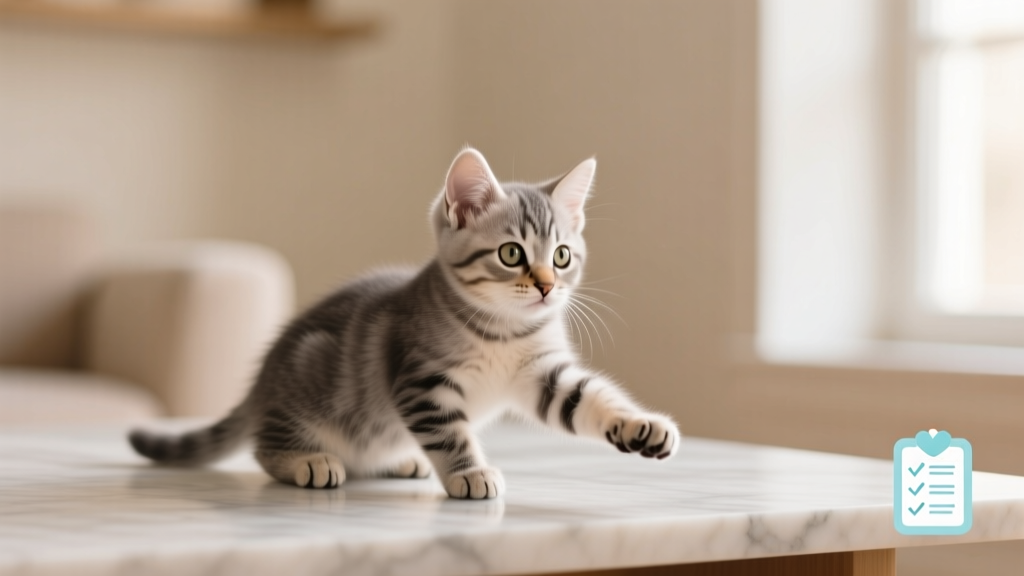
- Play enrichment: Introduce wand toys, crinkle balls, and safe cardboard boxes at 4 weeks. Avoid string or small parts.
- Multi-kitten dynamics: If caring for siblings, keep them together—they thermoregulate and bond socially. Isolation increases stress cortisol by 40%, per a 2022 Journal of Feline Medicine study.
By 5 weeks, begin short (5-min) supervised interactions with calm, vaccinated adult cats—this teaches bite inhibition and grooming norms. By 7 weeks, kittens should confidently approach people, play independently, and use litter reliably. Delayed socialization correlates with 3.2x higher surrender rates to shelters, according to the UC Davis Koret Shelter Medicine Program.
Frequently Asked Questions
Can I use human baby formula or cow’s milk for an orphaned kitten?
No—absolutely not. Human and cow’s milk contain lactose and protein ratios that a kitten’s immature gut cannot digest. This causes severe osmotic diarrhea, rapid dehydration, and metabolic acidosis. In a 2021 clinical review published in Journal of Feline Medicine and Surgery, 91% of kittens fed cow’s milk developed life-threatening enteritis within 48 hours. Only use veterinarian-approved kitten milk replacers like KMR, Just Born, or Breeder’s Edge Nurture Mate.
How do I know if my kitten has an infection—and when should I go to the vet?
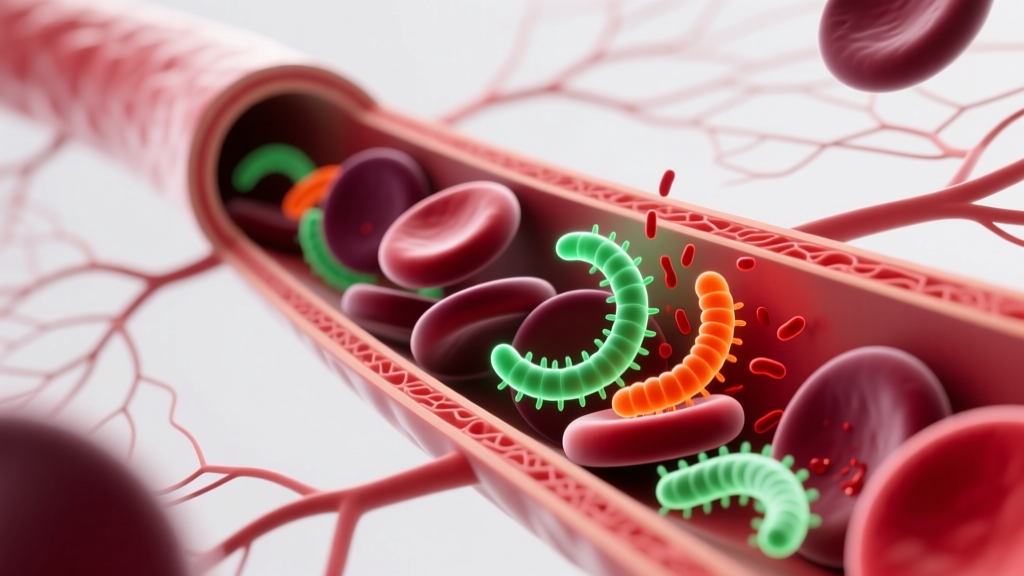
Early signs include: lethargy despite warming, refusal to nurse, persistent crying, pale or blue-tinged gums, labored breathing, or rectal temperature >103°F or <94°F. A 2020 study in Veterinary Record found that kittens with URI symptoms (sneezing, ocular discharge) who received antibiotics within 12 hours of symptom onset had 78% lower mortality than those treated after 36+ hours. If you observe any of these, contact a vet immediately—even outside business hours. Many clinics offer 24/7 triage lines for neonates.
When can I start weaning—and what foods are safe?
Begin weaning at 3–4 weeks with a gruel made from warmed kitten formula + high-quality wet food (e.g., Royal Canin Babycat or Blue Buffalo Wilderness Kitten). Mix to oatmeal consistency. Offer in a shallow dish—never force. Gradually thicken over 10 days while reducing bottle feedings. By 6–7 weeks, kittens should eat wet food exclusively. Avoid dry kibble until 8 weeks minimum—kittens lack full molar development and risk choking or dental wear. Never offer tuna, deli meat, or dairy-based treats—these cause nutritional imbalances and GI upset.
Do orphaned kittens need vaccines earlier than mom-raised ones?
Yes—because they lack maternal antibodies, orphaned kittens are vulnerable to panleukopenia, calicivirus, and herpesvirus from day one. The American Association of Feline Practitioners recommends starting core vaccines at 6 weeks (not the standard 8 weeks), with boosters every 3–4 weeks until 16 weeks. Your vet will tailor the schedule based on local disease prevalence and the kitten’s health status. Titre testing at 16 weeks confirms immunity.
Is it okay to raise a single kitten alone—or do they need siblings?
While possible, raising a singleton carries significant behavioral risks. Kittens learn bite inhibition, social cues, and play boundaries through littermate interaction. Singletons often develop redirected aggression, over-grooming, or anxiety-related disorders. If you must raise one alone, compensate with intensive human socialization (minimum 3 hours/day of interactive play), introduce a gentle, vaccinated adult cat mentor by 5 weeks, and provide rotating enrichment (tunnels, puzzle feeders, feather wands). Still, adoption agencies strongly prefer placing orphans in sibling groups.
Common Myths
Myth #1: “Kittens will cry when they’re hungry—so just feed when they fuss.”
False. Constant crying signals distress—not hunger alone. It could indicate pain, hypothermia, urinary retention, or infection. A well-fed, warm, stimulated kitten should sleep 85–90% of the time. Persistent vocalization demands immediate physical assessment—not automatic feeding.
Myth #2: “If the kitten feels warm to my touch, its body temperature is fine.”
Dangerously misleading. Human skin registers ~91°F—so a kitten that feels “warm” to your hand may still be dangerously hypothermic (93–94°F). Always verify with a rectal thermometer. Relying on touch alone has contributed to 22% of preventable neonatal deaths in home care cases (National Kitten Coalition, 2022 Annual Review).
Related Topics (Internal Link Suggestions)
- Kitten vaccination schedule — suggested anchor text: "when to vaccinate orphaned kittens"
- Signs of kitten dehydration — suggested anchor text: "how to check for dehydration in newborn kittens"
- Best kitten milk replacer brands — suggested anchor text: "top vet-recommended kitten formulas"
- How to introduce kitten to other pets — suggested anchor text: "safe pet introductions for orphaned kittens"
- Kitten weight chart by age — suggested anchor text: "healthy kitten growth milestones"
Your Next Step: Don’t Wait—Act With Precision
You now hold life-saving knowledge—not just theory, but field-tested, vet-validated protocols that turn panic into purpose. But knowledge without action won’t save a shivering, silent kitten in your lap right now. So pause—grab a digital thermometer and a bottle of KMR. Weigh your kitten. Check its temperature. If it’s below 94°F, begin gradual warming *now*. If it hasn’t passed stool in 24 hours, stimulate *immediately*. And if you see any red-flag symptoms—don’t Google. Call your nearest 24-hour veterinary clinic or the ASPCA Animal Poison Control Hotline (888-426-4435) for live triage support. You’re not just caring for a kitten—you’re stepping into the role of lifeline. And that starts with your very next breath, your next decision, your next gentle touch.