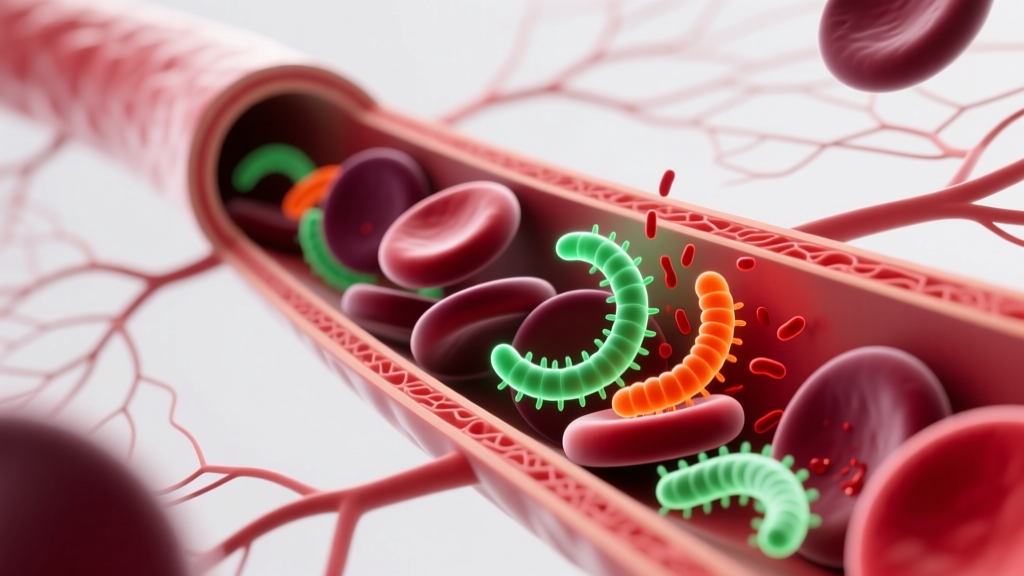
Cat Eperythrozoon: Blood Surface Parasite Anemia
1. Why this health topic matters to cat owners
When a cat becomes anemic, their body isn’t getting enough oxygen delivered to vital organs. That can mean low energy, weakness, poor appetite, and in severe cases, life-threatening collapse. One lesser-known cause of anemia involves tiny parasites that attach to the surface of red blood cells. These organisms have historically been called Eperythrozoon, and in modern veterinary medicine they’re most often discussed under the umbrella of hemotropic mycoplasmas (blood-borne bacteria that live on red blood cells).
For cat owners, this topic matters because:
- Signs can start subtle and look like “just tired” or “not eating.”
- Some cats can carry the organism without obvious illness until stress or another disease triggers anemia.
- Early veterinary care often leads to good outcomes and prevents complications.
2. Overview: what “Cat Eperythrozoon” means (plain-language medical explanation)
“Eperythrozoon” is an older term used for certain blood-surface parasites. In cats, the most relevant organisms today are commonly classified as hemotropic Mycoplasma species, especially:
- Mycoplasma haemofelis (more likely to cause severe anemia)
- “Candidatus Mycoplasma haemominutum” (often milder, but can contribute to disease)
- “Candidatus Mycoplasma turicensis” (variable impact)
These organisms attach to the outside of red blood cells. The cat’s immune system may recognize those cells as abnormal and destroy them, leading to hemolytic anemia (anemia due to red blood cell destruction). Sometimes the organisms are present at low levels and cause minimal issues—until the cat is stressed, sick, or immunocompromised, and the infection “flares.”
Key idea: your cat isn’t “bleeding out.” Instead, red blood cells are being damaged or removed faster than the body can replace them.
3. Symptoms and warning signs to watch for
Signs can range from mild to severe. Contact your veterinarian if you notice any of the following, especially in combination.
Common signs of anemia
- Lethargy or sleeping much more than usual
- Weakness, reduced jumping, tiring easily during play
- Poor appetite or refusing food
- Weight loss over days to weeks
- Fast breathing or breathing harder than normal (especially after minimal activity)
- Increased heart rate (you may feel a rapid heartbeat when holding your cat)
Clues that point toward red blood cell destruction
- Pale gums (healthy gums are usually bubblegum pink)
- Yellow tint to gums/whites of the eyes (jaundice/icterus)
- Fever (some cats feel warm, hide more, or act “off”)
Behavior changes owners often notice first
- Hiding more than usual
- Less social interaction
- Grooming less (coat looks dull or unkempt)
At-home gum check tip: Lift your cat’s lip gently in good light. If gums look very pale/white or yellow, call your vet the same day.
4. Causes and risk factors
Cats usually acquire hemotropic mycoplasmas through exposure to infected blood. Risk varies by lifestyle and overall health.
How cats may become infected
- Flea exposure: Fleas are strongly suspected to play a role in transmission.
- Cat bites/fighting: Blood-to-blood contact can transmit organisms.
- Blood transfusion: Rare, but possible if donor screening is incomplete.
- From mother to kittens: Considered possible in some situations.
Cats at higher risk for illness
- Outdoor or indoor-outdoor cats
- Intact males (more likely to roam and fight)
- Cats with FeLV or FIV (weakened immune defenses)
- Cats under stress (moving, boarding, new pets, surgery)
- Cats with other illnesses affecting immune function
Some cats become carriers: they may look healthy but can relapse during stress or may serve as a source of infection to others via blood exposure.
5. Diagnosis: methods and what to expect at the vet
If your cat shows signs of anemia, your veterinarian will focus on two main questions: (1) how severe is the anemia, and (2) what’s causing it.
Typical veterinary evaluation
- Physical exam: gum color, hydration, heart and lung evaluation, abdominal palpation
- History: outdoor access, flea prevention, recent fights/wounds, appetite/weight changes, medication history
Common tests
- Complete Blood Count (CBC): measures red blood cells and looks for patterns consistent with hemolysis; may show regenerative anemia (body trying to replace cells)
- Blood smear: a technician examines blood under the microscope; organisms may sometimes be seen on red blood cells, but they can be missed because levels fluctuate
- PCR test (highly useful): detects DNA of hemotropic mycoplasmas; often the most reliable confirmation
- Biochemistry panel: evaluates organ function; may show changes related to anemia or jaundice
- FeLV/FIV testing: important because these infections affect prognosis and treatment planning
- Urinalysis: helps assess overall health and hydration and may support evaluation of jaundice
What owners can do to help the diagnosis
- Bring a list of flea/tick products used (including brand and date last given)
- Tell your vet about any known fights, bite wounds, or recent abscesses
- Share any recent stressors (moving, visitors, new pet, boarding)
If anemia is severe, your veterinarian may prioritize stabilization (oxygen, fluids, blood transfusion) while confirming the exact cause.
6. Treatment options (medical care and supportive home care)
Treatment is aimed at (1) reducing or eliminating the organism, (2) controlling the immune system’s destruction of red blood cells when needed, and (3) supporting the cat through anemia.
Medical treatment (veterinary-prescribed)
- Antibiotics: Doxycycline is commonly used for hemotropic mycoplasmas. Treatment courses are often several weeks. Your vet will choose the best option and dosing for your cat.
- Immune-modulating medication: If the cat’s immune system is aggressively destroying red blood cells, a veterinarian may prescribe corticosteroids or other medications to reduce that destruction. This is case-dependent and based on exam and lab results.
- Blood transfusion: For severe anemia or collapse, transfusion can be lifesaving while other treatments start working.
- Fluids and supportive medications: Depending on dehydration, nausea, appetite loss, or fever.
Home care and nursing support (practical steps)
- Give medications exactly as directed. Do not stop early because your cat “seems better.” Relapses can occur.
- Safer doxycycline dosing tip: Some forms can irritate the esophagus if they linger. Follow your vet’s instructions carefully; many clinics recommend giving a small amount of water or food after dosing. Never force large volumes—ask your vet for the best method for your cat.
- Keep activity calm: Encourage rest and limit strenuous play until your vet confirms red blood cell levels are improving.
- Support eating: Offer smelly, palatable foods (warm wet food, veterinary recovery diets if prescribed). Contact your vet if your cat eats very little for 24 hours or not at all for 12–24 hours, especially if overweight (risk of hepatic lipidosis).
- Hydration: Provide fresh water, consider a fountain, and use wet food if tolerated.
- Strict flea control: Treat all pets in the household with vet-recommended products and address the home environment if fleas are present.
Surgical treatment?
There is no surgery that cures hemotropic mycoplasma infection itself. Surgery may be needed only for related issues (for example, treating a bite wound abscess) or in rare cases where another underlying condition is discovered.
Always consult a veterinarian before starting, stopping, or changing any medication. Human medications and incorrect dosing can be dangerous to cats.
7. Prevention strategies and early detection tips
Prevention focuses on reducing exposure and catching problems early.
Prevention you can start today
- Use consistent flea prevention year-round if recommended in your region. Ask your veterinarian for cat-safe products. Avoid dog-only flea medications—some are toxic to cats.
- Reduce fighting risk: Keep cats indoors or supervise outdoor time. Neutering often reduces roaming and fighting.
- Prompt care for bite wounds: If you find punctures, swelling, limping, or pain after a fight, see your vet quickly.
- Screen for FeLV/FIV: Especially for new cats, outdoor cats, or cats with unknown history.
Early detection tips
- Get comfortable checking gum color once a month
- Track appetite and weight (a baby scale works well for cats)
- Schedule routine wellness exams and labs as advised—especially for seniors or cats with chronic disease
8. Prognosis and quality of life considerations
Many cats respond well to treatment, especially when diagnosed early and supported through the anemic period. Prognosis depends on:
- How severe the anemia is at diagnosis
- Whether there are other diseases (FeLV/FIV, immune-mediated disease, kidney disease)
- How quickly treatment starts and whether medications can be given consistently
Some cats may remain carriers after treatment. That does not automatically mean poor quality of life. With good flea control, stress reduction, and regular veterinary monitoring, many carrier cats live comfortably. Your veterinarian may recommend follow-up bloodwork to confirm red blood cell recovery and assess for relapse.
9. When to seek emergency veterinary care
Seek urgent or emergency care right away if you notice:
- Very pale or white gums
- Difficulty breathing, open-mouth breathing, or breathing that looks labored
- Collapse, extreme weakness, or inability to stand
- Severe lethargy (barely responsive)
- Yellow gums/eyes with weakness or poor appetite
- Not eating plus obvious illness signs (vomiting, dehydration, profound weakness)
If you’re unsure, call your veterinary clinic or an emergency hospital for guidance. It’s always appropriate to ask for help when anemia is a possibility.
10. FAQ: common questions cat owners ask
Is “Eperythrozoon” the same as Mycoplasma in cats?
In many pet health discussions, yes. “Eperythrozoon” is an older term that overlaps with what veterinarians now commonly call hemotropic mycoplasmas. Your vet may use “hemoplasma” or “hemotropic Mycoplasma” when discussing the diagnosis and test results.
Can humans catch this from cats?
These feline hemotropic mycoplasmas are primarily a concern for cats. While some blood-borne organisms can affect multiple species, typical household contact (petting, sharing living space) is not considered a common route of transmission. The bigger concern is protecting other cats from blood exposure (fighting) and controlling fleas. If you have health concerns for people in the home, speak with your physician and your veterinarian.
Will my cat be cured after antibiotics?
Many cats improve dramatically with appropriate antibiotics and supportive care. Some cats may still carry low levels of the organism after treatment and can relapse during stress or illness. Follow-up exams and bloodwork help your vet determine whether your cat is recovering as expected.
What’s the difference between anemia from parasites and anemia from bleeding?
With blood-surface parasites, the body often destroys red blood cells (hemolysis), leading to pale gums, weakness, and sometimes jaundice. With bleeding (like trauma, internal bleeding, or parasites in the intestines), red blood cells are lost from the body. Both are serious, and veterinary testing is needed to tell the difference and choose the right treatment.
Should I separate my infected cat from my other cats?
Ask your veterinarian for guidance based on your household. In general, transmission risk is most associated with blood exposure (fights, bite wounds) and possibly fleas. Peaceful indoor cats on consistent flea prevention are at lower risk than cats that fight. If cats in the home are tense or likely to fight, separation and behavior management may be recommended.
What can I do right now while waiting for my vet appointment?
- Keep your cat indoors and calm to reduce oxygen demand and prevent injury
- Offer wet food and fresh water; monitor appetite closely
- Check gum color in good light
- Do not give human medications
- If gums are very pale/white, breathing is difficult, or your cat is collapsing, go to an emergency vet immediately
If you’d like more plain-language cat health guides, prevention tips, and wellness articles, visit catloversbase.com for additional resources to help you keep your cat healthy and comfortable.