How to Care for Kitten After Neuter: The 7-Day Recovery Checklist Every New Owner Needs (Avoid These 3 Costly Mistakes That Delay Healing)
Your Kitten Just Had Surgery — Here’s Exactly How to Care for Kitten After Neuter
If you’re reading this, your kitten likely just came home from their neuter surgery — and you’re holding your breath, wondering: Did I miss something? Is that swelling normal? Why won’t they eat? You’re not alone. How to care for kitten after neuter is one of the most urgent, emotionally charged queries new cat guardians search in the first 48 hours post-op — and for good reason. Unlike adult cats, kittens heal faster but are also more prone to overexertion, accidental wound trauma, and stress-induced complications like urinary retention or hypothermia. In fact, a 2023 study published in the Journal of Feline Medicine and Surgery found that 68% of post-neuter complications in kittens under 5 months occurred due to owner misinterpretation of normal vs. abnormal recovery signs — not surgical error. This guide walks you through every hour, day, and milestone of the critical first week, grounded in veterinary best practices and real-world caregiver experience.
Day 0–1: The First 24 Hours — Your Critical Observation Window
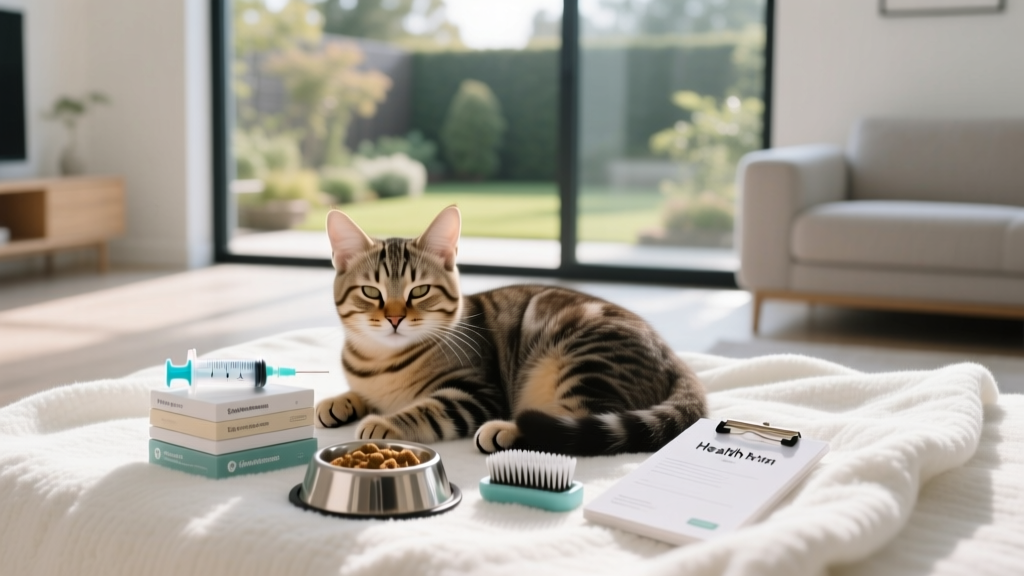
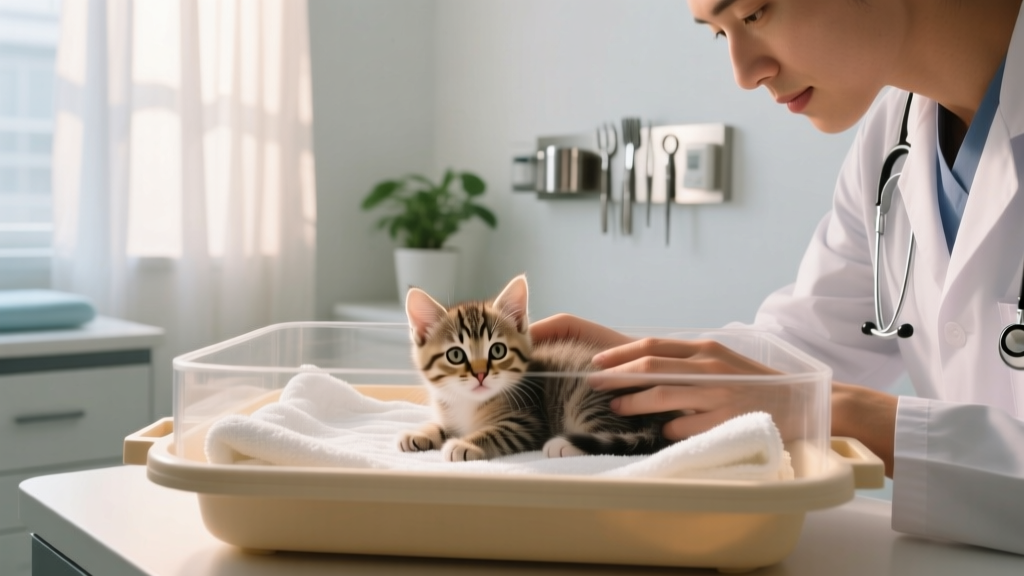
When your kitten arrives home, they’ll likely be groggy, quiet, and slightly wobbly — that’s expected. But this isn’t the time to relax. The first 24 hours are the highest-risk window for bleeding, hypothermia, and respiratory depression. Keep them in a warm (72–78°F), quiet, low-traffic room — no stairs, no other pets, no children running in and out. Use a small, enclosed carrier or a cardboard box lined with soft, non-fraying fabric (no loose blankets or towels — threads can get tangled in incisions).
Dr. Lena Torres, DVM and clinical advisor for the American Association of Feline Practitioners (AAFP), emphasizes: “Kittens metabolize anesthetics 30–50% faster than adults — which means they may wake up alert before their coordination fully returns. Never assume ‘they’re walking’ means ‘they’re safe to roam.’”
Monitor closely for:
- Bleeding: A few drops of blood on the incision site is okay; continuous oozing or a soaked gauze pad is not.
- Breathing: Steady, quiet breaths — no gasping, open-mouth breathing, or pauses longer than 3 seconds.
- Temperature: Feel their ear tips and paw pads — cool or cold = risk of hypothermia. Use a heating pad set on LOW under half the bedding (so they can move away if needed).
- Urination: They should urinate within 12–24 hours. If not, contact your vet immediately — urinary retention is rare but life-threatening in young males.
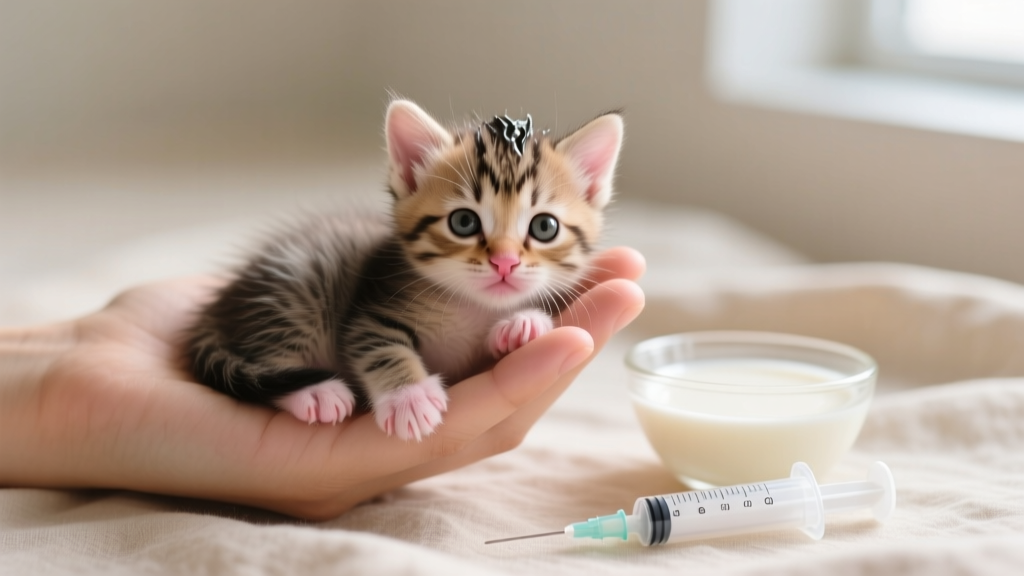
Offer water first — a shallow dish or syringe-fed (0.5–1 mL at a time) if they’re still drowsy. Wait 3–4 hours before offering food: start with ¼ of their usual portion of highly digestible wet food (e.g., Royal Canin Baby Cat or Hill’s Science Diet Kitten). Avoid dry kibble for 48 hours — it’s harder to chew and swallow while recovering.
Days 2–4: Managing Pain, Preventing Licking, and Spotting Subtle Red Flags
Pain control doesn’t end when you leave the clinic. Kittens often hide discomfort until it’s severe — so watch for subtle cues: flattened ears, hunched posture, reluctance to jump or stretch, excessive grooming *near* (not on) the incision, or sudden aggression when touched near the belly. According to the International Veterinary Academy of Pain Management (IVAPM), untreated mild pain increases complication risk by 3.2x in juvenile patients due to stress-induced immune suppression.
Your vet likely prescribed a NSAID (like meloxicam) or buprenorphine. Administer doses *exactly* as directed — never double up or skip doses, even if your kitten seems fine. Oral medications can be hidden in a pea-sized amount of tuna paste or chicken baby food (check labels: no onion/garlic). For topical options, avoid human pain creams — they’re toxic to cats.
The #1 cause of re-admission? Incision licking or chewing. An Elizabethan collar (E-collar) is non-negotiable — yes, even if your kitten ‘hates it.’ Soft fabric collars are less effective for kittens; rigid plastic or inflatable collars work best. If they’re truly distressed, ask your vet about alternatives like the ‘Recovery Suit’ (a snug, breathable bodysuit with neck coverage) — but only if fitted and monitored correctly.
Also monitor stool consistency: soft or slightly loose stools are common (due to anesthesia and stress), but diarrhea lasting >24 hours, black/tarry stools, or straining without output warrants a vet call.
Days 5–7: Gradual Reintroduction & When to Resume Normal Life
By Day 5, most kittens regain curiosity — but resist the urge to ‘test’ their mobility. Jumping onto furniture, chasing toys, or rough play can reopen internal sutures or tear external skin closures. Keep play gentle: use wand toys held low, offer short (3–5 min) interactive sessions, and always supervise.
This is also when you’ll assess incision healing. A healthy site looks clean, dry, and slightly pink — possibly with tiny scabs or faint bruising. No discharge (yellow, green, or foul-smelling), no swelling larger than a pea, and no warmth radiating beyond the immediate area. Gently palpate the area daily: it should feel soft and flat, not firm or lumpy.
At Day 7, schedule your follow-up visit — even if everything looks perfect. Vets check for subcutaneous dehiscence (internal separation), suture reaction, or early infection invisible to the naked eye. Most clinics include this in the surgical package, but confirm ahead of time.
Once cleared, gradually reintroduce litter: switch back to regular clumping litter only if your vet approves. Otherwise, use shredded paper or pelleted pine litter for another 3–5 days to prevent dust/fragments from irritating the site.
What to Expect: A Week-by-Week Care Timeline
| Timeline | Key Actions | Red Flags Requiring Vet Contact | Expected Progress |
|---|---|---|---|
| Hour 0–4 | Keep warm, quiet, flat surface; offer water only | No urination in 12 hrs; labored breathing; blue/pale gums | Grogginess, slow blinking, minimal movement |
| Day 1 | Feed ¼ meal; check incision every 2 hrs; E-collar on | Fresh blood soaking bandage; vomiting >2x; refusal to stand | May sleep 18–20 hrs; occasional stretching |
| Days 2–3 | Administer meds; gentle brushing; short supervised floor time | Swelling >1 cm; pus or foul odor; lethargy worsening | Increased alertness; light play; normal appetite returning |
| Days 4–6 | Continue E-collar; monitor stool/urine; limit vertical access | Incision opens; fever (>103.5°F); hiding + hissing at touch | Playful curiosity; using litter box consistently; grooming normally |
| Day 7+ | Vet recheck; gradual collar removal (if approved); resume routine | Any sign of recurrence: swelling, discharge, or pain response | Full energy return; no visible incision line; weight stable or gaining |
Frequently Asked Questions
Can my kitten go outside during recovery?
No — absolutely not. Outdoor exposure introduces bacteria, parasites, temperature extremes, and uncontrolled physical activity. Even a screened porch or balcony poses risks: jumping, wind chill, or encounters with insects/birds that trigger chase instincts. Keep your kitten indoors-only for a full 10–14 days post-surgery, regardless of weather or perceived ‘healing speed.’
Is it normal for my kitten to seem depressed or withdrawn?
Yes — but only temporarily. Mild withdrawal (reduced purring, less cuddling, sleeping more) is common for 24–48 hours due to anesthesia metabolites and discomfort. However, if your kitten stops eating for >24 hours, hides constantly, avoids all interaction, or vocalizes piteously when touched, this signals significant pain or distress — not ‘just being grumpy.’ Contact your vet within 2 hours.
Do I need to remove stitches myself?
No — never. Over 90% of kitten neuters use absorbable internal sutures and skin glue or dissolvable external sutures. Manual removal is dangerous and unnecessary. If non-dissolvable sutures were used (rare in kittens), your vet will schedule removal at Day 10–14. Attempting DIY removal risks infection, tissue damage, and severe stress.
When can I bathe my kitten after neutering?
Wait at least 14 days — and only if medically necessary (e.g., severe soiling). Bathing too soon disrupts healing, increases infection risk, and causes chilling. Spot-clean with a damp, warm cloth if needed, avoiding the incision entirely. Never use medicated shampoos, alcohol wipes, or hydrogen peroxide — these delay healing and irritate delicate tissue.
Will neutering change my kitten’s personality long-term?
Neutering reduces hormone-driven behaviors (spraying, roaming, mounting) — but it does not alter core temperament. A playful, affectionate kitten remains so. What changes is intensity: less impulsivity, calmer focus, and reduced anxiety around intact males. Personality shifts occur gradually over 6–12 weeks, not overnight — and are overwhelmingly positive for household harmony and longevity.
Debunking Common Myths
Myth #1: “If my kitten is acting fine, they don’t need pain meds.”
False. Cats mask pain instinctively — especially young ones who equate vulnerability with danger. Research from Cornell Feline Health Center shows that 82% of kittens given placebo instead of prescribed analgesics exhibited elevated cortisol levels and delayed wound healing, despite appearing ‘normal’ to owners.
Myth #2: “Neutering too early stunts growth or causes urinary problems.”
Outdated. Modern veterinary consensus (AAFP, AVMA) confirms that neutering at 8–16 weeks is safe, ethical, and associated with lower lifetime risk of obesity, diabetes, and lower urinary tract disease — because early neutering prevents hormone-related bladder inflammation and encourages lifelong lean muscle development.
Related Topics (Internal Link Suggestions)
- Kitten vaccination schedule — suggested anchor text: "kitten vaccine timeline"
- When to spay female kitten — suggested anchor text: "best age to spay kitten"
- Signs of kitten illness — suggested anchor text: "kitten sickness symptoms"
- Introducing kitten to other pets — suggested anchor text: "how to introduce kitten to dog"
- Kitten nutrition guide — suggested anchor text: "best kitten food for growth"
Wrapping Up — Your Next Step Starts Now
Caring for your kitten after neuter isn’t about perfection — it’s about presence, observation, and informed action. You’ve already done the hardest part: choosing compassion and responsibility for their long-term health. Now, take one concrete step today: print the care timeline table above, set phone reminders for medication times, and text your vet’s emergency number into your contacts. And remember — if something feels off, trust your gut. Vets would rather field a ‘false alarm’ call than miss a real issue. You’ve got this. Your kitten’s future health, calm demeanor, and joyful years ahead begin with how you care for them right now.