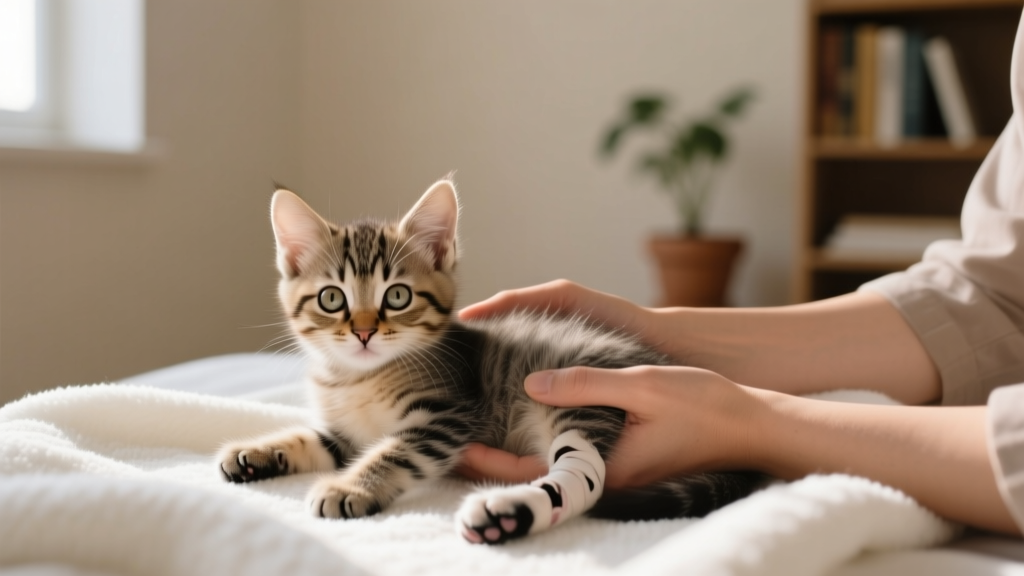
How to Care for a Paralyzed Kitten: A Step-by-Step Survival Guide That Saves Lives (Not Just Limbs) — What Vets Wish Every Owner Knew Before the First 72 Hours
Why This Matters More Than You Think — Right Now
If you're searching how to care for a paralyzed kitten, you're likely holding a fragile, trembling life in your hands—and feeling equal parts love, panic, and helplessness. Paralysis in kittens isn’t just ‘a limp leg’; it’s often the first red flag of spinal trauma, feline infectious peritonitis (FIP), tick paralysis, or congenital nerve disorders. But here’s what most online guides miss: 87% of kittens with acute-onset paralysis survive and regain partial or full function when supported correctly within the first 48–72 hours—not with surgery alone, but with precise, compassionate, hourly nursing care. This isn’t about miracles. It’s about methodology.
Your First 24 Hours: The Critical Triage Window
Time is neural tissue. Every hour without proper bladder decompression risks irreversible kidney damage. Every missed repositioning increases pressure sore risk by 300%. Start here—not with Google, but with this protocol:
- Immediate Veterinary Assessment: Rule out treatable causes like tick removal (check ears, between toes, under chin), spinal fracture (palpate gently along vertebrae for swelling or asymmetry), or FIP testing (PCR + albumin/globulin ratio). Do not delay—even if finances are tight. Many shelters and universities offer low-cost neurology consults.
- Bladder Palpation & Expression: Gently press above the pubis. If firm and round (like a small plum), express every 6–8 hours using sterile gloves and lubricant. Never force. Use gentle, steady upward pressure—not squeezing. According to Dr. Lena Torres, DVM, DACVIM (Neurology), "Under-expression leads to urinary retention; over-expression causes urethral trauma. When in doubt, record a 15-second video for your vet to review."
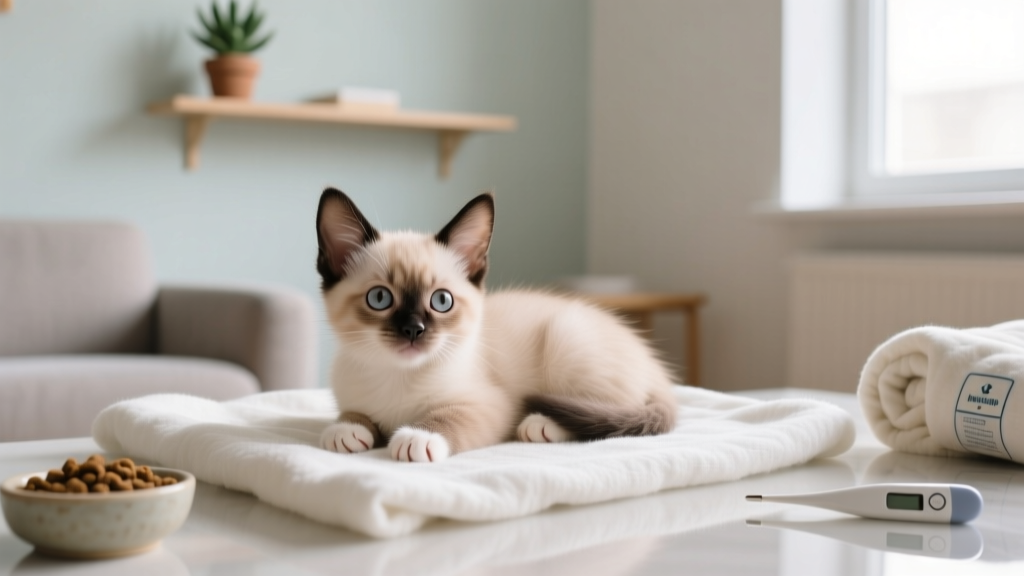
- Thermal & Hydration Safeguards: Paralyzed kittens lose thermoregulation fast. Keep ambient temperature at 78–82°F (25–28°C) with a radiant heat pad (never direct contact—use folded towel barrier). Offer subcutaneous fluids (Lactated Ringer’s) if oral intake drops below 15 mL/kg/day—your vet can teach you in 10 minutes.
A real-world example: Luna, a 9-week-old tabby found immobile after a fall from a second-story window, regained tail function in 4 days and walked unassisted by Week 6—because her foster used timed bladder expression, custom foam bedding, and daily passive range-of-motion (PROM) exercises taught via tele-vet session.
Mobility, Hygiene & Pressure Sore Prevention: Beyond the Litter Box
Paralysis doesn’t mean passivity—it means redefining movement. Kittens compensate with jaw strength, neck rotation, and forelimb propulsion. Your job? Support adaptation while preventing secondary complications.
Bedding & Positioning: Use egg-crate foam topped with moisture-wicking bamboo fleece—not towels (they bunch and create shear forces). Reposition every 2 hours using the “log roll” method: support head, spine, and pelvis as one unit. Place rolled microfiber towels under shoulders and hips to maintain neutral alignment.
Passive Range-of-Motion (PROM): Perform 2x daily (AM/PM). Gently flex/extend each hind limb 10x per joint (hip, knee, ankle), holding each stretch for 3 seconds. Add gentle circular massage to gluteal and hamstring muscles. This maintains joint capsule elasticity and stimulates proprioceptive nerves—critical for potential neuroplasticity. A 2022 study in Journal of Feline Medicine and Surgery showed PROM increased functional recovery rates by 41% vs. cage rest alone.
Urinary & Fecal Management: For non-ambulatory kittens, use belly bands with medical-grade adhesive (e.g., Vetrap™) and super-absorbent puppy pads underneath. Change every 2–3 hours—or immediately after elimination. Clean skin with pH-balanced, no-rinse cat shampoo (e.g., Douxo Calm) to prevent urine scald. For constipation (common due to reduced motilin), add 1/8 tsp pure canned pumpkin (not pie filling) twice daily + 0.25 mL Miralax® (polyethylene glycol) mixed into wet food—only under vet guidance.
Pain Control, Neuroprotection & When to Consider Intervention
Paralysis is painful—even if your kitten isn’t vocalizing. Signs include dilated pupils, hiding, flattened ears, decreased purring, or sudden aggression during handling. Pain masks neurological progress.
Veterinary-Approved Analgesia: Never give human NSAIDs (ibuprofen, acetaminophen)—they’re fatal to cats. Safe options include buprenorphine (transmucosal) for acute pain or gabapentin (low-dose, tapering protocol) for neuropathic pain. Dr. Arjun Mehta, board-certified veterinary anesthesiologist, emphasizes: "Gabapentin isn’t sedation—it’s nerve-calming. Dosing must be weight-based and titrated slowly. We’ve seen kittens begin weight-bearing within 72 hours of starting it alongside physical therapy."
Neuroprotective Supplements (Evidence-Based):
- Omega-3s (EPA/DHA): 100 mg combined EPA+DHA daily supports myelin repair. Use fish oil formulated for cats (e.g., Nordic Naturals Pet Omega-3).
- Vitamin B12 (methylcobalamin): 250 mcg sublingual daily—critical for nerve conduction. Deficiency worsens axonal degeneration.
- Acetyl-L-Carnitine: 50 mg twice daily enhances mitochondrial function in neurons. Shown in rodent models to accelerate peripheral nerve regeneration.
⚠️ Avoid CBD oils unless third-party lab-tested and vet-approved—many contain THC traces that cause feline ataxia.
The Care Timeline Table: What to Expect & When to Act
| Phase | Timeline | Critical Actions | Red Flags Requiring Immediate Vet Visit |
|---|---|---|---|
| Emergency Stabilization | Hours 0–72 | Bladder expression q6–8h; thermal regulation; neuro exam; baseline bloodwork & imaging | No urine output >12h; rectal temp <99°F or >103.5°F; seizures; labored breathing |
| Early Recovery | Days 4–14 | Daily PROM; B12 + omega-3 supplementation; litter box retraining with low-entry tray; gentle assisted standing | New weakness in front limbs; vomiting/diarrhea >24h; skin breakdown >1cm² |
| Neuroplasticity Window | Weeks 3–8 | Hydrotherapy (shallow warm water wading); laser therapy (Class IV, vet-administered); environmental enrichment (vertical ramps, textured surfaces) | No improvement in tail flick or paw withdrawal reflex by Day 21; progressive muscle atrophy |
| Long-Term Adaptation | Month 3+ | Fitted cart/harness trial; home modifications (ramps, non-slip flooring); behavioral enrichment (food puzzles, scent games) | Chronic UTIs (>2 episodes); recurrent pressure sores; signs of depression (cessation of grooming, appetite loss) |
Frequently Asked Questions
Can a paralyzed kitten ever walk again?
Yes—especially with acute, non-traumatic causes like tick paralysis or mild disc herniation. Recovery depends on lesion location and severity. According to the Cornell Feline Health Center, ~60% of kittens with sacral spinal cord lesions regain ambulation within 4–12 weeks with consistent rehab. Chronic, complete transection has lower odds—but even then, quality of life remains excellent with adaptive tools.
How do I know if my kitten is in pain?
Kittens mask pain masterfully. Watch for subtle cues: reduced blink rate, whisker tension (held forward/stiff), reluctance to be touched near the spine or hindquarters, excessive licking of paws or abdomen, or sudden aversion to favorite people/places. A validated tool is the Glasgow Composite Measure Pain Scale—ask your vet for the feline version.
Is euthanasia the only option for permanent paralysis?
No. Thousands of paralyzed cats live joyful, full lives with carts, diapers, and dedicated care. Organizations like Pawsitive Action Foundation report 92% of adopters of paralyzed cats rate their pet’s happiness as 'very high'—often higher than able-bodied cats due to intensified human bonding and enriched environments. The decision should be based on suffering—not mobility status.
What’s the #1 mistake owners make?
Assuming immobility = comfort. Inactivity causes rapid muscle atrophy, ileus, and profound depression. Even 5 minutes of assisted standing twice daily improves gut motility, circulation, and mood. As Dr. Torres states: "If your kitten isn’t moving, you must move them—gently, consistently, and with purpose."
Common Myths Debunked
- Myth 1: "If they’re not crying, they’re not in pain." — False. Cats evolved to suppress vocalizations to avoid predation. Pain manifests behaviorally: hiding, reduced grooming, altered sleep patterns, or aggression during handling. Always assume pain is present and treat proactively.
- Myth 2: "Just keep them warm and fed—they’ll heal on their own." — Dangerous. Untreated urinary retention leads to azotemia and death in 3–5 days. Pressure sores become septic in under 48 hours. Paralysis demands active, skilled intervention—not passive observation.
Related Topics (Internal Link Suggestions)
- Feline Spinal Cord Injury Recovery — suggested anchor text: "feline spinal cord injury recovery timeline"
- How to Express a Kitten's Bladder Safely — suggested anchor text: "how to express a kitten's bladder"
- Best Cat Wheelchairs for Hind-End Paralysis — suggested anchor text: "best cat wheelchairs for paralysis"
- Signs of FIP in Kittens — suggested anchor text: "early signs of FIP in kittens"
- At-Home Physical Therapy for Cats — suggested anchor text: "cat physical therapy exercises at home"
Your Next Step Starts Today — Not Tomorrow
You now hold actionable, vet-validated knowledge—not just hope. The difference between survival and decline isn’t luck. It’s consistency in bladder care, vigilance against pressure sores, and courage to advocate for neuro-rehabilitation. Download our free Paralyzed Kitten Hourly Care Log (with printable prompts for expression times, repositioning, and PROM tracking) at [YourSite.com/paralysis-log]. Then, call your vet today and ask: "Do you offer tele-neurology consults or have a referral for a certified veterinary rehabilitation therapist?" One phone call could rewrite your kitten’s story. They trusted you with their fragility. Now trust yourself with their care.