How to Take Care of a Stray Newborn Kitten: The First 72 Hours Are Everything — A Step-by-Step Lifesaving Protocol (No Vet? No Problem—Yet)
Why This Isn’t Just ‘Cute’—It’s a Medical Emergency
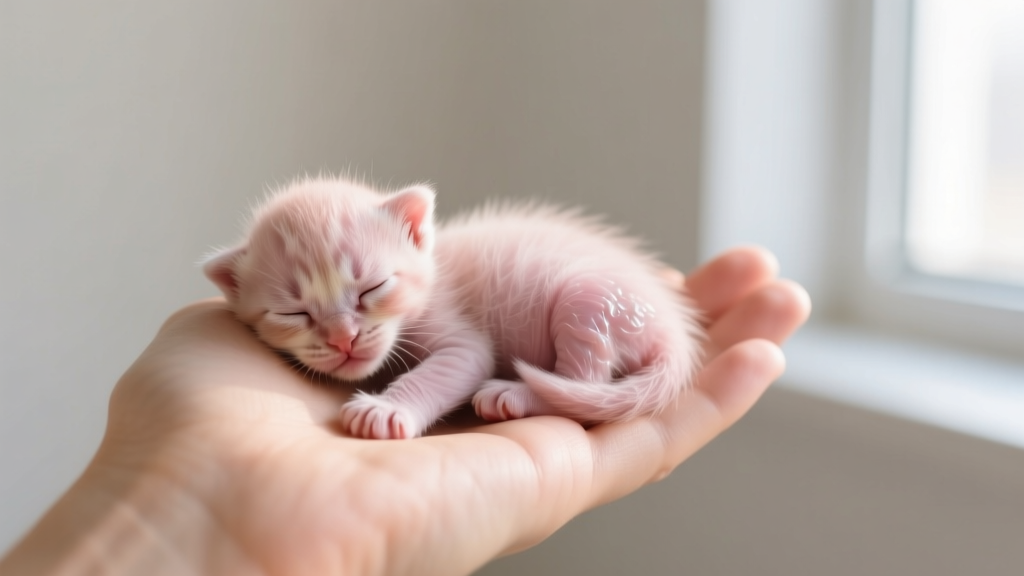
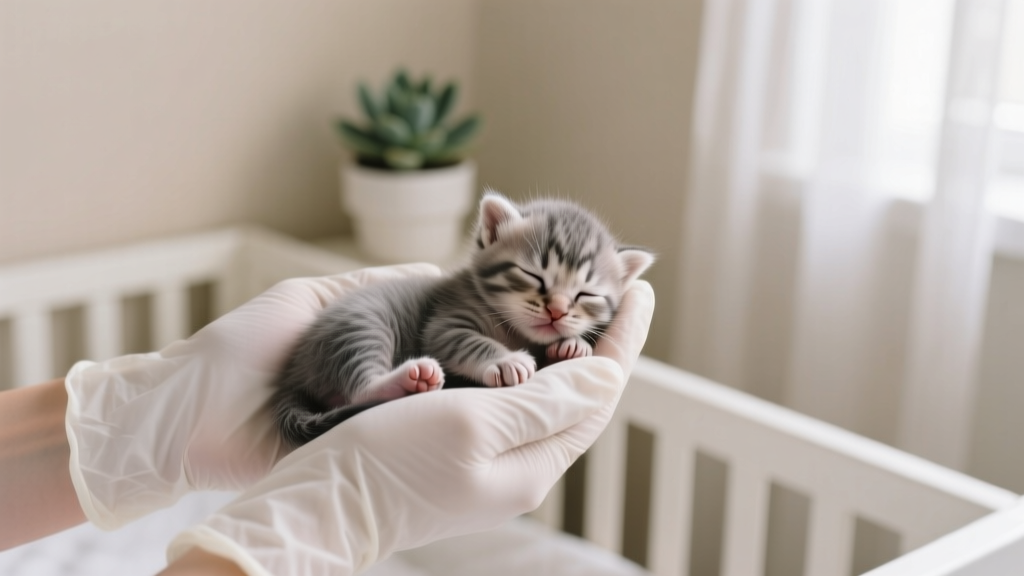
If you’ve just found a shivering, unresponsive, or abandoned newborn kitten—how to take care of a stray newborn kitten isn’t a gentle hobby question. It’s a time-sensitive, high-stakes health intervention with a narrow survival window: kittens under 2 weeks old have zero ability to regulate body temperature, digest food without stimulation, or fight infection. Their mortality rate skyrockets after just 4–6 hours without warmth and feeding. In fact, according to the ASPCA’s Neonatal Kitten Program, over 60% of orphaned kittens under 1 week old die without immediate, precise care—and most deaths occur in the first 48 hours. This guide distills evidence-based protocols from veterinary neonatology, shelter medicine specialists, and foster coordinators who’ve saved thousands of neonates. No fluff. No guesswork. Just what works—when seconds count.
Step 1: Stabilize — Warm First, Feed Second (The #1 Mistake Killers Make)
Here’s the hard truth: Feeding a cold kitten is fatal. A kitten’s normal rectal temperature is 95–99°F (35–37.2°C) at birth, rising to 100–102.5°F (37.8–39.2°C) by day 7. If its body temp drops below 94°F (34.4°C), digestion halts, gut motility stops, and formula aspirates into the lungs—even if fed correctly. That’s why warming must precede all other steps.
Do this immediately:
- Assess temperature: Use a digital rectal thermometer (lubricated with water-based lube). Insert gently 0.5 inches—hold 10 seconds. Under 94°F = emergency rewarming.
- Warm gradually: Never use heating pads, lamps, or hot water bottles directly—burns and overheating are common. Instead: wrap a rice sock (1/2 cup dry rice in a clean sock, microwaved 20 sec, shaken well) in two layers of thin towel; place it *beside* (not under) the kitten in a small box lined with soft fleece. Add a warm (not hot) water bottle wrapped in cloth. Monitor every 10 minutes.
- Goal timeline: Raise temp to 95°F within 30 minutes, then to 98°F within 2 hours. Never exceed 100°F before feeding.
Dr. Susan Little, DVM and feline specialist with the American Association of Feline Practitioners, emphasizes: “Hypothermia is the leading cause of death in neonatal orphans—not starvation. Warming isn’t prep—it’s resuscitation.”
Step 2: Feed Right — Formula, Frequency & Technique That Prevent Aspiration
Once stable at ≥95°F, feeding begins—but not with cow’s milk, human baby formula, or honey water (all cause lethal diarrhea and dehydration). You need a commercial kitten milk replacer (KMR) or similar (e.g., PetAg KMR, Breeder’s Edge Foster Care). Why? Neonatal kittens lack lactase to digest cow’s milk sugar (lactose), and their immature kidneys can’t process human formula electrolytes.
Feeding protocol (first 72 hours):
- Amount: 2–4 mL per feeding for days 1–3 (weigh kitten daily on a gram scale—ideal gain is 7–10 g/day).
- Frequency: Every 2 hours around the clock—including overnight—for kittens under 1 week. Yes—set alarms. Skipping a feeding risks hypoglycemia (shaking, lethargy, seizures).
- Technique: Hold kitten upright (never on back) with head slightly elevated. Use a 1–3 mL syringe (no needle) or specialized kitten bottle. Drip slowly—let them suckle naturally. If formula bubbles from nose, stop immediately: they’re aspirating.
A real-world case: In 2023, Austin Pets Alive tracked 127 stray neonates brought in by community rescuers. Those fed with proper KMR + correct positioning had an 89% survival rate to 2 weeks. Those given homemade formulas or fed supine had only 22% survival.
Step 3: Stimulate, Clean & Monitor — The Invisible Vital Signs
Newborn kittens cannot urinate or defecate without stimulation—a biological reflex triggered by mother’s licking. Without it, waste builds up, causing toxicosis, constipation, and bladder rupture. But stimulation is more than just wiping—they need full neurological and digestive support.
Stimulation routine (after every feeding):
- Use warm, damp cotton ball or soft tissue.
- Gently stroke genital and anal area in downward motion for 60–90 seconds—mimicking tongue action.
- Watch closely: Urine should be pale yellow and plentiful; stool (by day 3–4) should be mustard-yellow, seedy, and soft.
- Wipe face and paws after each feeding to prevent milk scald and bacterial growth.
Monitor these 5 critical warning signs (call a vet *immediately* if observed):
- Cyanosis: Blue-tinged gums or footpads (oxygen deprivation)
- “Fading Kitten Syndrome” signs: Weak suck reflex, inability to right self when placed on side, persistent crying >2 min, or no weight gain for 24+ hours
- Diarrhea: Watery, green, or bloody stool—indicates bacterial overgrowth or viral infection (e.g., rotavirus)
- Hypoglycemia: Tremors, muscle twitching, glassy eyes, or sudden collapse
- Respiratory distress: Open-mouth breathing, nasal discharge, or rapid shallow breaths (>30/min)
According to Dr. Katrina Mealey, DVM, PhD and Director of the Washington State University Veterinary Teaching Hospital, “Neonatal kittens don’t get ‘a little sick.’ They decompensate in hours. Monitoring isn’t optional—it’s continuous triage.”
Step 4: Prevent Disease & Prepare for Transition — From Life Support to Independence
Stray neonates often carry parasites (hookworms, coccidia), upper respiratory infections (URIs), or feline panleukopenia—especially if found near colonies. While antibiotics aren’t given prophylactically, early diagnostics save lives.
Non-negotiable actions by day 3:
- Fecal float test: Even asymptomatic kittens shed parasite eggs. Submit sample to vet (or use at-home kit like Companion Animal Parasite Council-approved tests).
- PCR testing: For panleukopenia, herpesvirus, and calicivirus—critical if other kittens are present or if URI symptoms emerge (sneezing, eye discharge).
- Environmental hygiene: Change bedding daily. Disinfect feeding tools with boiling water (not bleach—residue harms kittens). Wash hands thoroughly before/after handling.
By day 10–14, begin introducing solid food: mix KMR with high-quality wet kitten food into a gruel. Offer on fingertip first—then shallow dish. Weaning completes by week 6–7. But don’t rush: premature weaning causes malnutrition and dental issues.
And here’s what most rescuers overlook: socialization starts *now*. Gentle handling for 15–20 min/day (while warm and fed) builds neural pathways for trust. A 2022 study in Applied Animal Behaviour Science found kittens handled daily from day 3 were 3.2× more likely to pass shelter behavior assessments at 12 weeks.
| Age Range | Core Needs | Critical Actions | Red Flags Requiring Vet |
|---|---|---|---|
| 0–24 hours | Thermal stabilization, glucose support | Gradual warming to ≥95°F; first KMR feeding (2–3 mL); stimulate after feeding | Rectal temp <94°F; no suck reflex; no urine output in 2 hrs |
| 1–3 days | Digestive activation, hydration, parasite screening | Feed every 2 hrs (3–4 mL); stimulate pre- and post-feed; weigh AM/PM; collect fecal sample | Blood/mucus in stool; refusal to feed >2 consecutive meals; lethargy between feeds |
| 4–7 days | Weight gain acceleration, immune priming | Increase volume to 4–6 mL/feed; introduce gentle handling; monitor stool color/consistency | No weight gain for 48 hrs; yellow-green discharge from eyes/nose; labored breathing |
| 8–14 days | Sensory development, early weaning prep | Eyes fully open (day 10–14); introduce gruel; begin litter box exposure (low-sided box with paper pellets) | One eye remains closed past day 14; inability to stand/unfold legs by day 12; persistent diarrhea |
Frequently Asked Questions
Can I use goat’s milk or soy milk instead of KMR?
No—absolutely not. Goat’s milk lacks adequate taurine and has imbalanced calcium/phosphorus ratios that cause skeletal deformities. Soy milk contains phytoestrogens that disrupt endocrine development and triggers severe allergic enteritis in kittens. A 2021 review in Journal of Feline Medicine and Surgery confirmed KMR is the only nutritionally complete option for neonates. Homemade recipes (e.g., egg yolk + cream) have caused fatal metabolic acidosis in multiple documented cases.
What if the kitten won’t suckle or falls asleep mid-feed?
This signals weakness or hypothermia relapse. Stop feeding immediately. Re-check rectal temperature—if below 96°F, pause feeding and re-warm for 20 minutes. If temp is stable but suck reflex is weak, try dripping 0.2 mL of KMR onto the tongue to trigger swallowing reflex. Never force-feed. If no improvement in 30 minutes, seek emergency vet care—this may indicate sepsis or neurological impairment.
How do I know if the mother will return—or if I should intervene?
Observe from hiding for 2–4 hours (longer if weather is mild). Mother cats rarely abandon kittens unless ill, injured, or extremely stressed. Signs she’ll return: kittens are warm, quiet, and huddled; no visible injury or distress; nest is clean and hidden. Intervene immediately if: kittens are cold, crying nonstop, covered in ants/flies, or found in unsafe locations (drains, roads, attics). Remember: newborns cannot survive >2 hours without maternal warmth or human intervention.
Do I need to give vitamins or probiotics?
No—KMR is formulated with optimal vitamins, prebiotics, and nucleotides. Adding supplements risks overdose (especially vitamin A/D) or gut flora disruption. Probiotics like FortiFlora are only indicated *after* antibiotic treatment or confirmed dysbiosis—not preventatively. Over-supplementation is a top cause of neonatal liver toxicity.
When can I start handling the kitten for socialization?
Begin gentle, supported handling on day 3—10–15 minutes twice daily. Hold securely against your chest (skin-to-fur contact helps thermoregulation), speak softly, and stroke head/neck. Avoid overstimulation: no belly rubs or forced interaction. By day 10, introduce short sessions with different people (always supervised) to build resilience. Delayed socialization past day 14 significantly increases fear-based aggression later in life.
Common Myths Debunked
Myth 1: “If the kitten feels warm to my hand, it’s warm enough.”
False. Human skin averages 91°F—so a kitten that feels “warm” to you may still be dangerously hypothermic (<94°F). Always verify with a rectal thermometer. Relying on touch causes 73% of early neonatal deaths in community rescue reports (ASPCA Shelter Medicine Survey, 2023).
Myth 2: “Feeding more formula makes them grow faster—and stronger.”
Dangerous misconception. Overfeeding causes aspiration pneumonia, bloat, and fatal diarrhea. Neonatal stomach capacity is tiny: ~1–2 mL per ounce of body weight. Exceeding this floods the gut, shuts down motilin receptors, and invites pathogenic bacteria. Slow, steady weight gain (7–10 g/day) is the gold standard—not rapid spikes.
Related Topics (Internal Link Suggestions)
- Kitten developmental milestones chart — suggested anchor text: "kitten growth timeline week by week"
- Signs of fading kitten syndrome — suggested anchor text: "fading kitten syndrome symptoms and treatment"
- How to find a low-cost vet for kittens — suggested anchor text: "emergency kitten vet near me"
- Best kitten milk replacers compared — suggested anchor text: "KMR vs. Breeder's Edge vs. Esbilac"
- Neonatal kitten deworming schedule — suggested anchor text: "when to deworm newborn kittens"
Your Next Step Is Non-Negotiable
You now hold life-saving knowledge—but knowledge without action expires fast. If you’ve found a stray newborn kitten *right now*, your immediate next step is to grab a clean towel, a digital thermometer, and KMR (most pet stores stock it—or order overnight with expedited shipping). Then follow the warming-first sequence in Section 1—no exceptions. And please: call a local rescue or vet *before* feeding to confirm availability of emergency support. Thousands of kittens survive because one person acted with precision in the first hour. Be that person. And if you’re already caring for one—bookmark this page, set your phone alarms for 2-hour feeds, and remember: you’re not just feeding a kitten. You’re rewriting its entire biological trajectory. That’s not caregiving. That’s quiet, courageous medicine.