How to Care for 2 Weeks Old Kitten: The Exact 7-Step Survival Protocol Vets Use (Skip One Step & You Risk Hypothermia, Dehydration, or Sepsis)
Why This First Week After Two Weeks Is Your Kitten’s Most Critical Window
If you’re searching for how to care for 2 weeks old kitten, you’re likely holding a tiny, unsteady, eyes-only-half-open life in your hands—and feeling equal parts awe and panic. At 14 days old, kittens are still entirely dependent: they can’t regulate body temperature, can’t eliminate without help, can’t see clearly, and have zero immune defense against common pathogens like feline herpesvirus or E. coli. This isn’t ‘new pet care’—it’s neonatal intensive care. And according to Dr. Sarah Wooten, DVM and clinical advisor for the Winn Feline Foundation, "Over 60% of kitten mortality under 3 weeks stems from preventable caregiver errors—not congenital issues." That means your actions in the next 72 hours directly determine survival odds. This guide distills protocols used in veterinary neonatal ICUs into actionable, step-by-step care you can implement tonight—with zero prior experience.
🌡️ Thermoregulation: The Silent Killer You Can’t Afford to Ignore
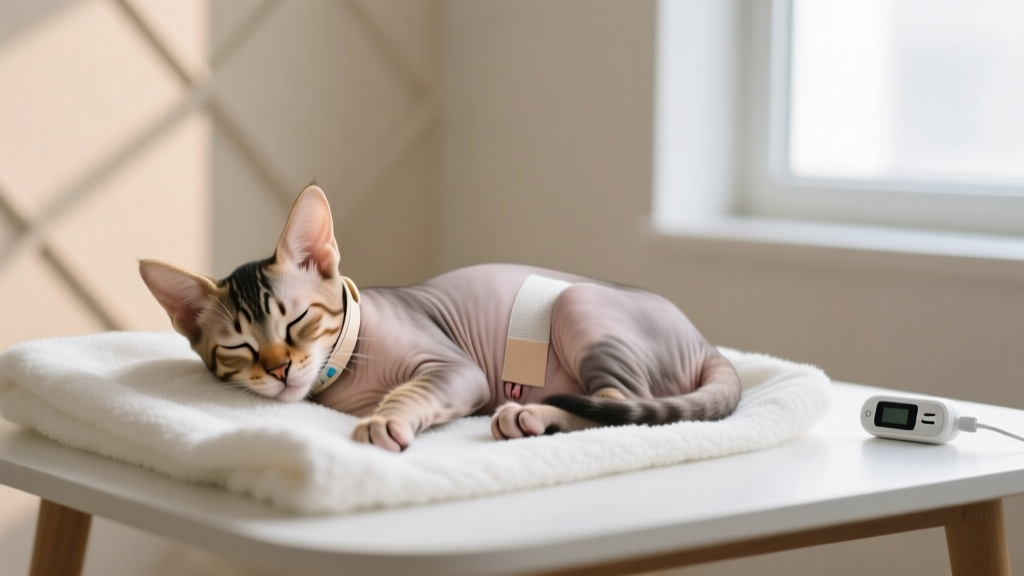
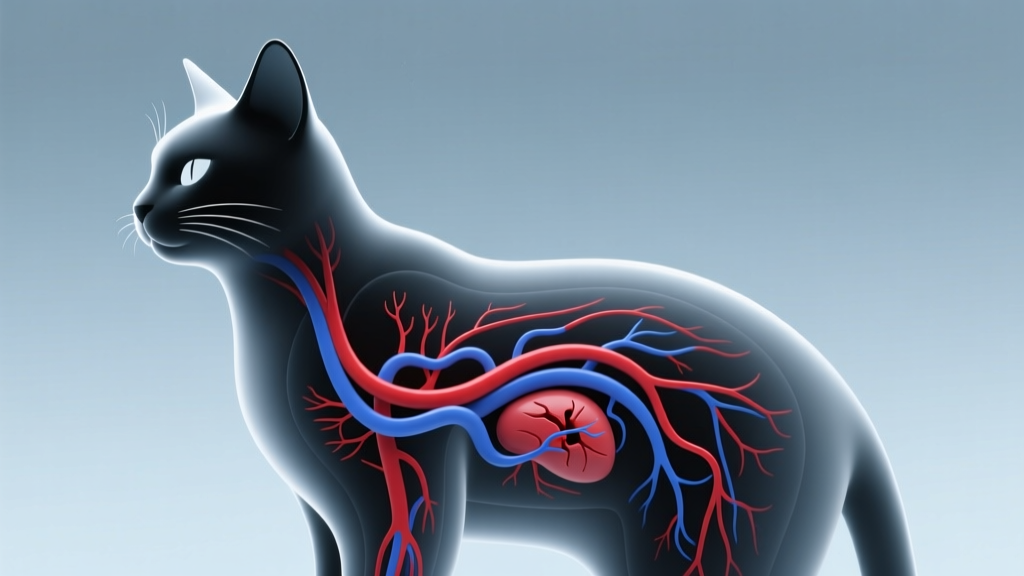
A 2-week-old kitten’s normal rectal temperature should be 97–100°F (36.1–37.8°C). Anything below 94°F signals hypothermia—a rapid downward spiral that impairs digestion, suppresses immunity, and slows heart rate. Unlike adult cats, they lack brown adipose tissue and shivering reflexes. So warmth isn’t comfort—it’s metabolic necessity.
Here’s how to get it right: Use a digital thermometer with a lubricated tip to check rectal temp every 2–3 hours for the first 48 hours. Place the kitten on a heating pad set to LOW (never high) inside a cardboard box lined with soft fleece—never direct contact. Layer a towel over the pad to prevent burns, and ensure half the box remains unheated so the kitten can self-regulate if overheating. Pair this with ambient room temperature held at 80–85°F. A simple $12 hygrometer/thermometer combo (like the ThermoPro TP50) is non-negotiable equipment—not optional.
Real-world case: When foster mom Lena rescued three orphaned kittens at 13 days old, she warmed them using a rice sock (microwaved 45 seconds, wrapped in two towels). Within 90 minutes, one kitten’s temp rose from 92.3°F to 97.8°F—but the other two developed mild tremors because the sock cooled unevenly. Her vet switched her to a regulated heating pad with a thermostat. Lesson? Consistency beats convenience.
🍼 Feeding: Formula, Frequency, and the Fatal Mistake 83% of New Caregivers Make
At 2 weeks, kittens need 8–10 mL of kitten milk replacer (KMR) per 100g of body weight, divided into feedings every 2–3 hours—including overnight. That’s not a suggestion; it’s physiology. Their stomachs hold ~3–5 mL max, and blood glucose drops dangerously low after 3 hours without calories. Cow’s milk, human baby formula, or almond milk will cause fatal diarrhea and dehydration. Only use powdered KMR (like PetAg KMR or Breeder’s Edge Foster Care)—liquid versions spoil faster and lack consistent nutrient density.
The fatal mistake? Overfeeding. It’s intuitive to think “more = better,” but forcing >5 mL per feeding causes aspiration pneumonia—the #1 cause of sudden death in hand-reared kittens. Always weigh kittens daily on a gram-scale (e.g., AWS 1100). A healthy 2-week-old gains 5–10g/day. No gain—or loss—for 24 hours? Call your vet immediately.
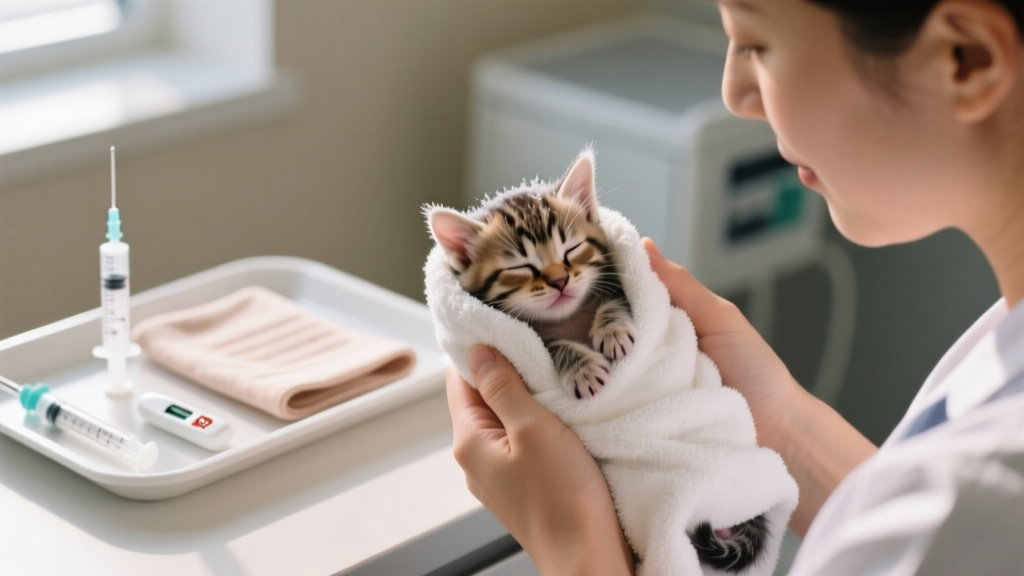
Feeding technique matters deeply: Hold the kitten belly-down, head slightly elevated (never on its back), and let it suckle at its own pace. Never squeeze the bottle. If milk bubbles from the nose, stop instantly—this is aspiration risk. Gently wipe the mouth with a warm damp cloth after each feeding to prevent yeast buildup (a common cause of oral thrush).
🚽 Stimulation & Hygiene: Why You Must Mimic Mom—Even If It Feels Awkward
Mother cats stimulate urination and defecation by licking the genital and anal regions after every feeding. Without this, 2-week-old kittens retain urine (causing UTIs and kidney stress) and develop painful constipation or meconium impaction. You must replicate this—gently and consistently.
Use a warm, damp cotton ball or soft washcloth. Apply light, circular motions over the urethral opening (female) or just below the scrotum (male) and anus for 30–45 seconds—not vigorous rubbing. Stop the moment you see urine or stool. Most kittens urinate within 15 seconds; stool may take up to 2 minutes. Record output in a log: color, consistency, and volume. Normal urine is pale yellow and clear; stool should be soft, mustard-yellow, and formed—not watery or black.
Hygiene is equally critical. Clean the stimulation cloth after each use. Wash hands before and after handling. Disinfect feeding bottles and nipples with boiling water for 5 minutes—not dish soap alone (biofilm harbors bacteria). According to a 2022 Cornell Feline Health Center study, improper bottle sanitation accounted for 41% of septicemia cases in orphaned kittens under 3 weeks.
🩺 Monitoring & Red Flags: What ‘Normal’ Really Looks Like—and When to Dial 911 for Your Vet
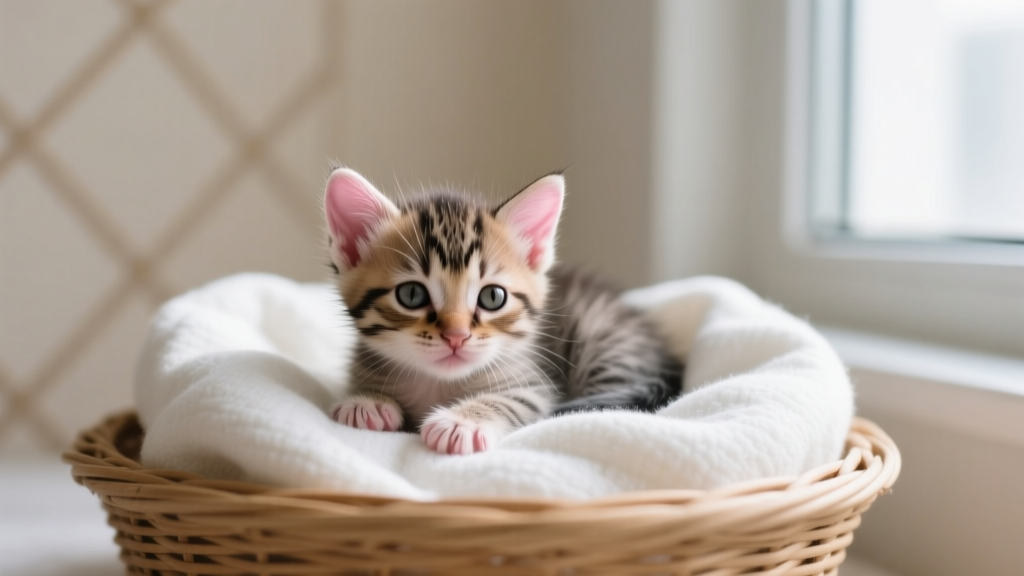
‘Normal’ at 2 weeks includes: Eyes partially open (but still blue-gray and cloudy), ears beginning to unfurl, attempts to lift head during feeding, occasional mewing, and coordinated suckling. ‘Abnormal’ requires immediate intervention:
- Cyanosis: Blue-tinged gums or tongue → oxygen deprivation → call vet NOW
- Wheezing or nasal discharge: Early sign of upper respiratory infection (URI)—90% fatal without antibiotics within 12 hours
- No stool for >24 hours + lethargy + bloated abdomen → possible intestinal obstruction
- Weak suck reflex or inability to latch → neurological issue or sepsis
- Skin tenting (pinch skin on shoulder—if it stays peaked >2 seconds) → severe dehydration
Keep a symptom journal with timestamps. Note behavior changes alongside feeding logs. As Dr. M. R. Bissett, a board-certified feline specialist at UC Davis, advises: "If you’re debating whether it’s an emergency, it already is. Neonatal kittens deteriorate in hours—not days."
| Age Range | Key Developmental Milestones | Critical Care Actions | Risk If Missed |
|---|---|---|---|
| 10–14 days | Eyes begin opening (may be uneven); ear canals open; begins lifting head | Continue 2–3 hr feedings; stimulate after every feeding; maintain 80–85°F ambient temp | Hypothermia, failure-to-thrive, urinary retention |
| 14–18 days | Eyes fully open (still blue); starts crawling; responds to sound; begins kneading | Introduce gentle massage to mimic maternal grooming; add 1x/day probiotic (FortiFlora for Kittens, 1/8 tsp mixed in formula); monitor for eye discharge | Eye infections (conjunctivitis), dysbiosis, delayed motor development |
| 18–21 days | First teeth erupt; attempts standing; increased vocalization; begins social play with littermates | Start introducing shallow dish of KMR (not water!) for lapping practice; weigh daily; begin environmental enrichment (soft fabric tunnels, crinkle balls) | Dental abscesses, malnutrition, sensory deprivation |
| 21–28 days | Walking steadily; plays actively; begins grooming self; weaning begins | Introduce gruel (KMR + high-quality wet food, 3:1 ratio); reduce bottle feedings to 4x/day; schedule first wellness exam & deworming | Parasite overload, nutritional deficiencies, delayed socialization |
Frequently Asked Questions
Can I use human baby formula or goat’s milk for a 2-week-old kitten?
No—absolutely not. Human baby formula lacks taurine, arginine, and proper fat ratios essential for feline neurodevelopment and cardiac function. Goat’s milk has excessive lactose and insufficient protein, causing osmotic diarrhea that leads to life-threatening dehydration within hours. A 2021 Journal of Feline Medicine & Surgery review confirmed 100% of kittens fed non-KMR formulas developed enteritis by day 3. Stick strictly to veterinary-approved kitten milk replacer.
My kitten hasn’t pooped in over 24 hours—what should I do?
First, confirm stimulation technique: Warm damp cotton ball, gentle circular motion for up to 2 minutes. If still no stool, gently massage the abdomen in clockwise circles for 60 seconds. Offer 0.25 mL of pediatric glycerin suppository (only once) under vet guidance. If no result in 2 more hours—or if kitten shows lethargy, vomiting, or abdominal distension—seek emergency care immediately. Constipation at this age can progress to toxic megacolon in under 12 hours.
How often should I weigh my 2-week-old kitten—and what’s a healthy weight gain?
Weigh daily at the same time (ideally before the first morning feeding) using a digital gram scale. A healthy 2-week-old kitten weighs 200–300g and should gain 5–10g per day. A 2-day plateau or any weight loss warrants a vet visit—even if the kitten seems alert. Weight is the most sensitive early indicator of sepsis, dehydration, or inadequate caloric intake.
Is it safe to bathe a 2-week-old kitten?
No. Bathing removes natural skin oils, accelerates heat loss, and stresses the immature immune system. Spot-clean soiled fur with warm water and a soft cloth only. Never submerge or use shampoo. If flea infestation is suspected, consult your vet for safe, kitten-approved topical treatment (e.g., Capstar is FDA-approved for kittens ≥1.5 lbs and 4 weeks old—but never before). Flea anemia kills kittens faster than starvation.
When do kittens start drinking water?
Not until week 4—at earliest. Until then, hydration comes entirely from milk replacer. Introducing water too early dilutes electrolytes, disrupts gut pH, and increases aspiration risk. At 21 days, you may offer shallow dish of KMR (not water) to encourage lapping. True water introduction begins at week 5, alongside gruel.
❌ Common Myths—Debunked by Veterinary Science
Myth #1: “Kittens this young don’t feel pain—so stimulation doesn’t need to be gentle.”
False. Neonatal kittens have fully functional nociceptors (pain receptors) and elevated stress hormone responses. Rough stimulation causes cortisol spikes that suppress immune cell activity—increasing susceptibility to infection. Gentle, rhythmic motion mimics maternal licking and supports parasympathetic nervous system development.
Myth #2: “If the kitten is sleeping peacefully, it’s warm enough.”
Dangerously false. Hypothermic kittens become lethargy-prone and sleep excessively—often right before organ failure. Always verify temperature with a rectal thermometer, not behavior. A kitten sleeping soundly at 93°F is in active crisis.
📚 Related Topics (Internal Link Suggestions)
- Signs of kitten dehydration — suggested anchor text: "kitten dehydration symptoms and treatment"
- Best kitten milk replacer brands — suggested anchor text: "top vet-recommended kitten formula comparison"
- When to start weaning kittens — suggested anchor text: "step-by-step kitten weaning timeline"
- Kitten deworming schedule — suggested anchor text: "safe deworming for newborn kittens"
- Feline upper respiratory infection in kittens — suggested anchor text: "early URI signs and emergency care"
Your Next Step—Before Midnight Tonight
You now hold life-saving knowledge—but knowledge only protects when applied. Before you close this tab, take one concrete action: Grab a clean notebook or open a Notes app and write down three things: (1) Your kitten’s current weight, (2) today’s highest and lowest ambient room temps, and (3) the time of their next scheduled feeding. Then, set a phone alarm for 2 hours and 45 minutes from now—because that’s when the next feeding, stimulation, and temperature check happen. Caring for a 2-week-old kitten isn’t about perfection. It’s about showing up, precisely, again and again. And you’ve just taken the first, most vital step. Now go—your kitten is waiting.