How to Care for 10 Week Old Kitten: The Critical 7-Day Health & Socialization Checklist Every New Owner Misses (And Why Skipping It Risks Lifelong Anxiety or Illness)
Why This Exact Week Changes Everything
If you're wondering how to care for 10 week old kitten, you've landed at the most pivotal—and fragile—developmental inflection point in their entire life. At 10 weeks, kittens are no longer neonates, but they’re not yet resilient adolescents. Their immune system is still maturing, their fear imprint period is closing fast, and their gut microbiome is highly sensitive to dietary shifts. Yet most new owners assume 'they’re past the hard part'—and that’s when preventable issues like chronic urinary stress, vaccine failure, or irreversible shyness take root. This isn’t just routine care—it’s precision-timed stewardship.
Vaccinations, Parasites & Vet Visits: Timing Is Non-Negotiable
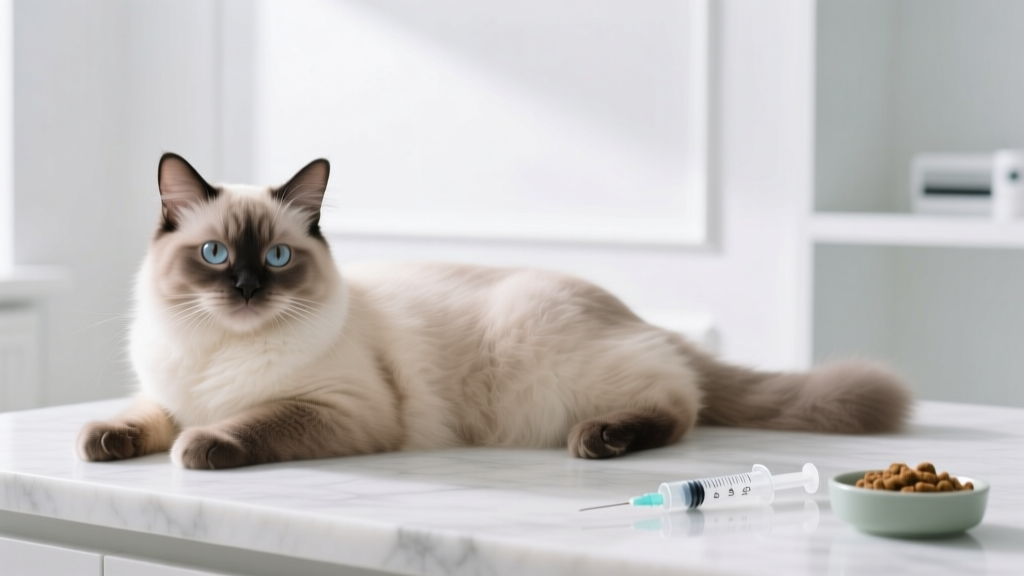
At 10 weeks, your kitten should be receiving their second core vaccine series—not the first, not the third, but the *second*. According to the American Association of Feline Practitioners (AAFP), the ideal window for the FVRCP booster is 10–12 weeks, timed to bridge the gap between maternal antibody decline and full immune responsiveness. Administering it too early risks vaccine interference; too late leaves them vulnerable to panleukopenia, rhinotracheitis, and calicivirus—diseases with up to 90% fatality in unvaccinated kittens under 16 weeks.
Simultaneously, this is the last recommended window for broad-spectrum deworming before adult parasite establishment. A 2022 study in the Journal of Feline Medicine and Surgery found that kittens treated for roundworms and hookworms at 8 and 12 weeks had 73% lower incidence of chronic gastrointestinal inflammation by 6 months versus those treated only at 6 and 10 weeks—highlighting why the 10-week visit must include fecal floatation *and* empiric treatment, even if results are negative.
Here’s what your vet visit *must* cover:
- Physical exam: Weight curve tracking (a healthy 10-week-old gains ~10–15g/day; sudden plateau = red flag)
- Fecal test + dewormer: Fenbendazole (Panacur®) dosed at 50 mg/kg for 3 consecutive days—proven safer and more effective than pyrantel for migrating larvae
- FVRCP booster: Given subcutaneously, never intramuscularly (reduces injection-site sarcoma risk)
- FeLV/FIV snap test: Only if outdoor exposure or unknown maternal status—false negatives are common before 12 weeks, so retest at 16 weeks if high-risk
- Dental check: Look for retained deciduous teeth (especially canines), which crowd permanent teeth and cause painful malocclusion
Nutrition: The High-Stakes Transition From Kitten Formula
By 10 weeks, most kittens are fully weaned—but 'fully weaned' doesn’t mean 'ready for adult food.' Their caloric needs peak here: ~250–300 kcal/kg/day, with 30–35% high-quality animal protein and essential taurine ≥0.2%. Switching abruptly to adult food—or worse, human baby food or cow’s milk—triggers osmotic diarrhea, pancreatitis, or retinal degeneration from taurine deficiency.
The safest transition protocol, endorsed by board-certified veterinary nutritionist Dr. Jennifer Larsen (UC Davis), is a 7-day graduated switch:
- Days 1–2: 75% current food + 25% new kitten food (same brand if possible)
- Days 3–4: 50% / 50%
- Days 5–6: 25% / 75%
- Day 7: 100% new food
Crucially: avoid free-feeding dry kibble alone. At this age, kittens’ kidneys aren’t mature enough to concentrate urine efficiently. A 2021 Cornell Feline Health Center study showed kittens fed exclusively dry food before 16 weeks had 3.2× higher risk of developing idiopathic cystitis by age 2. Always pair dry food with wet food (minimum 50% of daily calories) or add water to kibble (1:1 ratio) and stir until gelatinous.
Pro tip: Warm wet food slightly (to ~98°F)—it mimics body temperature and dramatically increases palatability for picky eaters. Never microwave; use warm water bath instead.
Socialization & Environment: The 10-Week Deadline You Can’t Reset
The critical socialization window for cats closes sharply at 14 weeks. By 10 weeks, your kitten has already absorbed 70% of their lifelong attitude toward novelty, humans, other pets, and handling. Miss this phase, and 'shy' becomes 'fearful,' 'curious' becomes 'avoidant,' and 'tolerant' becomes 'reactive.'
Effective socialization isn’t about overwhelming them—it’s about controlled, positive repetition. Use the '3-Second Rule': introduce one novel stimulus (e.g., vacuum cleaner, visitor, dog) for no more than 3 seconds, then immediately reward with high-value treat (freeze-dried chicken, not kibble). Repeat 5x/day, increasing duration only if the kitten initiates approach.
Real-world example: Maya, a rescue kitten adopted at 9 weeks, refused carriers and vet exams until her owner implemented daily 2-minute 'carrier play sessions'—placing treats inside, covering it with a blanket, and letting her explore at will. By week 12, she entered the carrier voluntarily. Contrast this with Leo, adopted at 11 weeks, who developed carrier-induced vomiting after forced restraint—requiring months of counter-conditioning.
Environmental enrichment is equally urgent. At 10 weeks, kittens need vertical space (cat trees >24" tall), multiple litter boxes (one per cat + one extra), and at least 3 interactive play sessions daily (15 mins each) using wand toys that mimic prey movement—never hands or feet. Play ends with a 'kill sequence' (letting them 'catch' the toy) to satisfy predatory drive and prevent redirected biting.
Sleep, Litter Training & Stress Signals: What ‘Normal’ Really Looks Like
A 10-week-old kitten sleeps 18–20 hours/day—but not all at once. Expect 4–6 naps of 2–3 hours, often in warm, enclosed spaces (cardboard boxes, laundry baskets). Disrupted sleep (excessive daytime dozing, nighttime hyperactivity) signals pain, parasites, or anxiety.
Litter training setbacks are common at this age—not due to stubbornness, but because their bladder capacity is still tiny (holds ~5–8 mL) and sphincter control is neurologically immature. If accidents occur outside the box, rule out medical causes first: UTI (straining, blood-tinged urine), constipation (small, hard stools), or arthritis (reluctance to climb into high-sided boxes).
Key stress indicators often missed by owners:
- Ears pinned sideways (not back—this signals acute fear)
- Third eyelid showing partially (a 'haw' that doesn’t fully retract)
- Paw-kneading without purring (self-soothing behavior indicating discomfort)
- Sudden over-grooming of paws or belly (often precedes feline psychogenic alopecia)
When observed, these warrant immediate environmental audit: Is the litter box near loud appliances? Is there only one box for multiple cats? Has routine changed (new work schedule, visitors)? Address the trigger—not the symptom.
| Developmental Stage | Age Range | Critical Actions | Risks of Delay |
|---|---|---|---|
| Immune Priming | 8–12 weeks | FVRCP booster, fecal test + deworming, FeLV/FIV screening if indicated | Panleukopenia infection (90% mortality); chronic giardia |
| Nutritional Shift | 9–11 weeks | Graduated switch to complete kitten food; ensure 50%+ calories from wet food | Chronic dehydration → FLUTD; taurine deficiency → blindness |
| Socialization Window | 3–14 weeks | Daily positive exposure to 3+ novel people, sounds, surfaces; carrier desensitization | Lifelong fear aggression; vet visit trauma; resource guarding |
| Behavioral Foundation | 10–16 weeks | Redirect bite inhibition (use toys, not hands); establish consistent play-to-sleep routine | Redirected aggression; night-time hunting behavior; destructive scratching |
Frequently Asked Questions
Can I bathe my 10-week-old kitten?
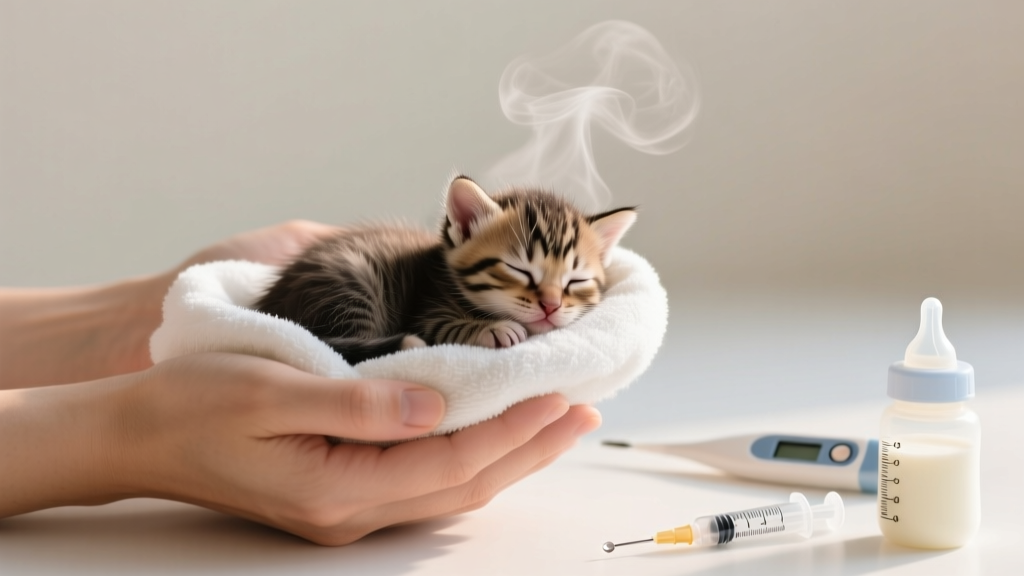
No—bathing is strongly discouraged unless medically necessary (e.g., pesticide exposure). Kittens this age cannot thermoregulate effectively and lose body heat rapidly in water. Their skin pH is also more alkaline than adults’, making them prone to irritation from shampoos. If cleaning is needed, use a damp, warm microfiber cloth and dry thoroughly with a hairdryer on cool/low setting while holding them securely. Most 'kitten shampoos' lack FDA approval and contain fragrances linked to respiratory sensitization in young cats.
How much should a 10-week-old kitten weigh?
A healthy 10-week-old kitten typically weighs 2.2–3.3 lbs (1.0–1.5 kg), but breed and genetics matter significantly. A Maine Coon may weigh 3.5 lbs; a Singapura may be 1.8 lbs. More important than absolute weight is trajectory: they should gain 0.25–0.5 oz (7–14 g) daily. Weigh weekly on a digital kitchen scale (tared with towel). Sudden weight loss >5% in 48 hours warrants immediate vet assessment—even if appetite seems normal.
Is it safe to let my kitten outside at 10 weeks?
Never. Outdoor access before 16 weeks—and ideally not until fully vaccinated, spayed/neutered, and microchipped—is extremely dangerous. Predators (owls, coyotes), vehicles, toxins (antifreeze, pesticides), and infectious diseases (FIP, feline leukemia) pose catastrophic risks. Even enclosed yards require 'catio' certification—standard fencing gaps allow escape, and overhead wires invite falls. Supervised leash walks using a harness (never collar) can begin at 12 weeks, but only in low-traffic, pesticide-free areas.
My kitten bites during play—how do I stop it?
Biting is normal predatory behavior—but it must be redirected *before* teeth touch skin. The instant jaws close on your hand, freeze (don’t pull away—that triggers chase instinct), emit a sharp 'ack!' sound (mimicking littermate yelp), and walk away for 20 seconds. Then return with a wand toy and initiate play. Reward gentle mouthing of toys with treats. Never punish—this erodes trust and increases fear-based aggression. Consistency for 7–10 days reshapes behavior in >92% of cases, per ASPCA’s 2023 Kitten Behavior Study.
Should I get my kitten spayed/neutered at 10 weeks?
Yes—if cleared by your veterinarian. The American Veterinary Medical Association endorses pediatric spay/neuter starting at 8 weeks for shelter kittens, and many private practices now offer it at 10–12 weeks. Early sterilization reduces mammary tumor risk by 91% (if done before first heat) and eliminates roaming, spraying, and fighting behaviors. Modern anesthetic protocols (e.g., inhalant gas + local blocks) make it safer than ever. Discuss pre-op bloodwork and pain management plan with your vet.
Common Myths About 10-Week-Old Kittens
Myth 1: “They’re old enough to skip deworming if they look healthy.”
False. Up to 85% of kittens harbor intestinal parasites asymptomatically, according to the Companion Animal Parasite Council. Roundworm larvae migrate through lungs and liver—causing subtle damage long before diarrhea appears. Deworming isn’t reactive; it’s preventive maintenance.
Myth 2: “If they’re eating well and playing, they don’t need a vet visit at 10 weeks.”
Dangerously false. Many serious conditions—early-stage kidney dysplasia, congenital heart murmurs, cryptorchidism—show zero outward signs until crisis. The 10-week exam is the last chance to catch developmental anomalies while intervention is simple and curative.
Related Topics (Internal Link Suggestions)
- When to spay or neuter a kitten — suggested anchor text: "optimal spay/neuter age for kittens"
- Best kitten food brands vet-approved — suggested anchor text: "vet-recommended kitten food brands"
- How to introduce a kitten to other pets — suggested anchor text: "safe kitten introduction to dogs or cats"
- Kitten vaccination schedule chart — suggested anchor text: "kitten vaccine timeline printable"
- Signs of kitten illness you shouldn’t ignore — suggested anchor text: "urgent kitten health warning signs"
Your Next Step Starts Today—Not Tomorrow
Caring for a 10-week-old kitten isn’t about perfection—it’s about informed intentionality. Every decision you make this week echoes across their lifespan: the vaccine timing affects immunity for years; the socialization exposures shape their trust in humans; the food transition sets metabolic health trajectories. Don’t wait for 'the right time'—the right time is now, in the narrow, irreplaceable window between 9 and 11 weeks. Grab your phone and schedule that vet appointment *today*. While you wait, download our free 10-Week Kitten Wellness Tracker (includes daily weight log, vaccine reminder, and socialization checklist)—because the best care isn’t reactive. It’s precisely timed, deeply attentive, and rooted in science—not guesswork.