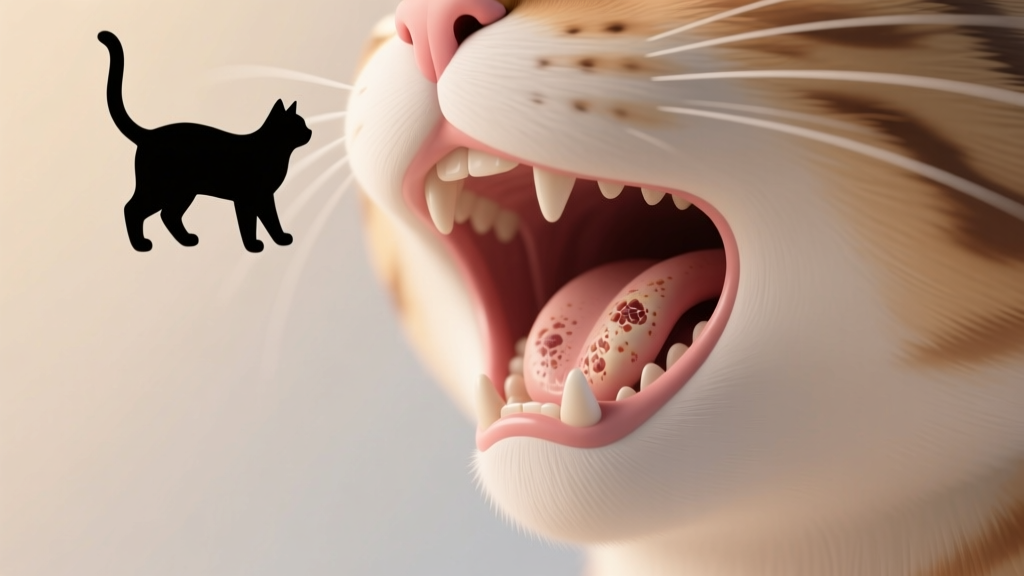
Cat Hyperthyroidism: Early Signs and Treatment
What Causes Hyperthyroidism in Cats
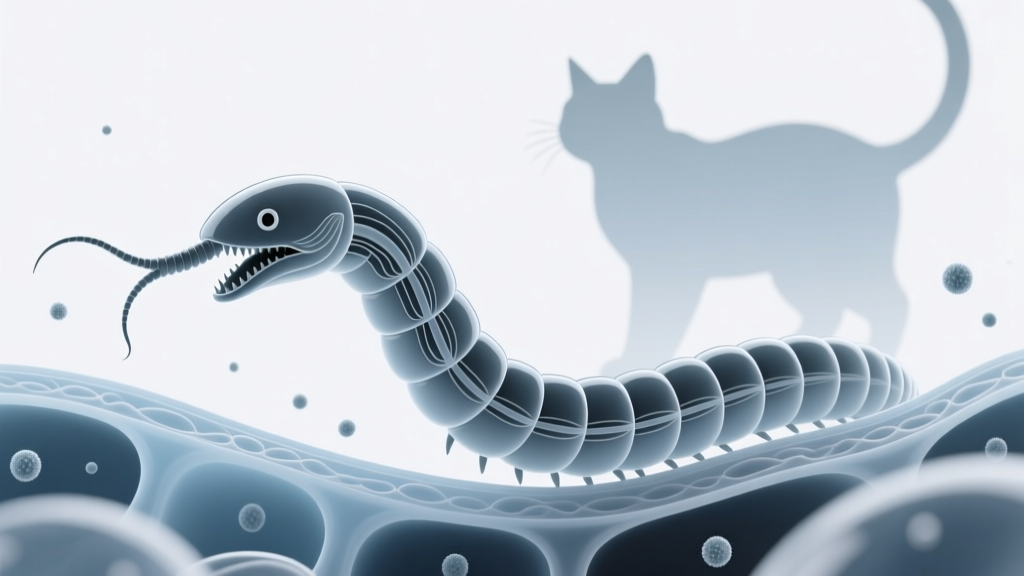
A benign tumor on the thyroid gland produces excess thyroid hormone, accelerating metabolism. It primarily affects cats over 10 years old. Treatable, but early detection prevents heart and kidney damage.
Early Symptoms
- Increased appetite with weight loss: The hallmark sign.
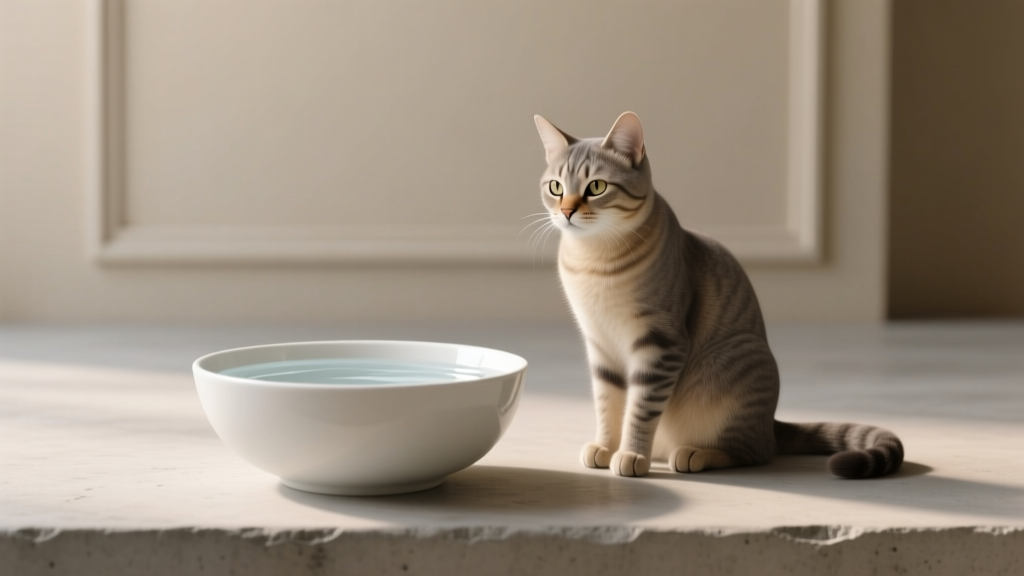
- Increased thirst and urination: Larger urine clumps, more water visits.
- Hyperactivity: Senior cats suddenly restless, vocal, or pacing at night.
- Vomiting or diarrhea: Accelerated metabolism causes digestive upset.
- Unkempt coat: Greasy, matted, or patchy despite normal grooming.
Diagnosis
A blood test measuring total T4 confirms diagnosis. Your vet will also check kidney values, liver enzymes, and blood pressure — hyperthyroidism often masks underlying kidney disease.
Treatment Options
1. Methimazole (Medication)
Oral or transdermal medication blocking thyroid hormone. Daily for life. Inexpensive but requires monitoring. Side effects in about 15% of cats.
2. Radioactive Iodine (I-131)
Single injection destroys abnormal thyroid tissue. 95%+ cure rate. No daily medication needed. Cost $1,500-$2,000. Gold standard treatment.
3. Prescription Diet (Hill's y/d)
Iodine-restricted diet. Only works if the cat eats exclusively this food — no treats. Practical only for single-cat homes.
4. Surgery
Removal of affected thyroid gland(s). Less common now due to radioactive iodine effectiveness.
Prognosis
With treatment, cats live normal lifespans. Annual blood work for cats over 10 catches most cases early.