Cat Echinococcus: Small Tapeworm Zoonotic Risk
1. Why this topic matters to cat owners
Most cat parents have heard about “tapeworms,” usually in the context of fleas or seeing rice-like segments near the litter box. Echinococcus is a different kind of tapeworm that deserves special attention because it can affect not only pets, but also people. The good news is that infections in cats are uncommon in many regions, and with smart prevention, the risk can be kept very low.
Understanding how Echinococcus spreads, what signs to watch for, and which habits reduce exposure helps you protect your cat’s health and your household’s safety—especially if your cat hunts, spends time outdoors, or lives in an area where wildlife is common.
2. Overview: What is Echinococcus in cats (plain-language explanation)
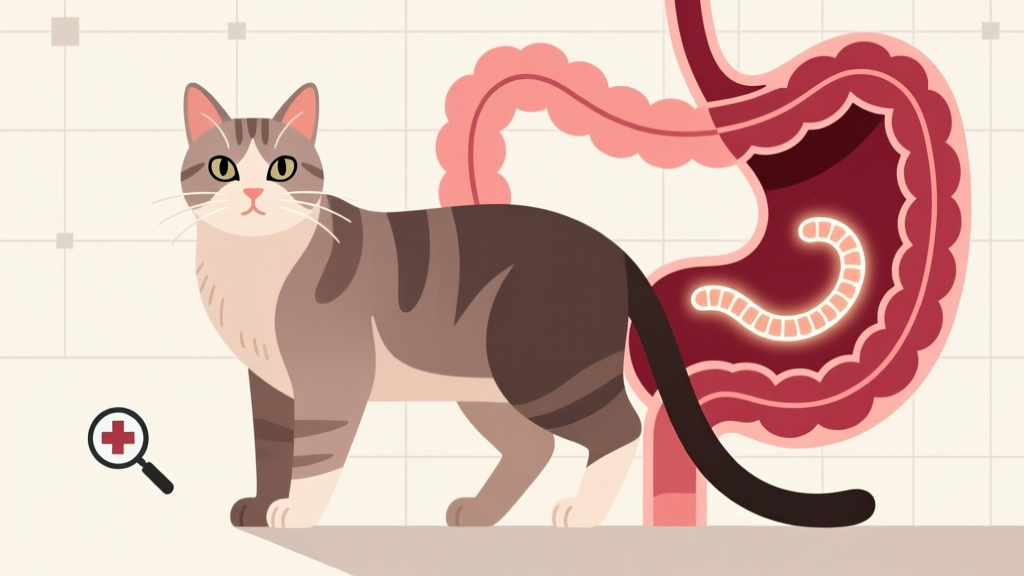
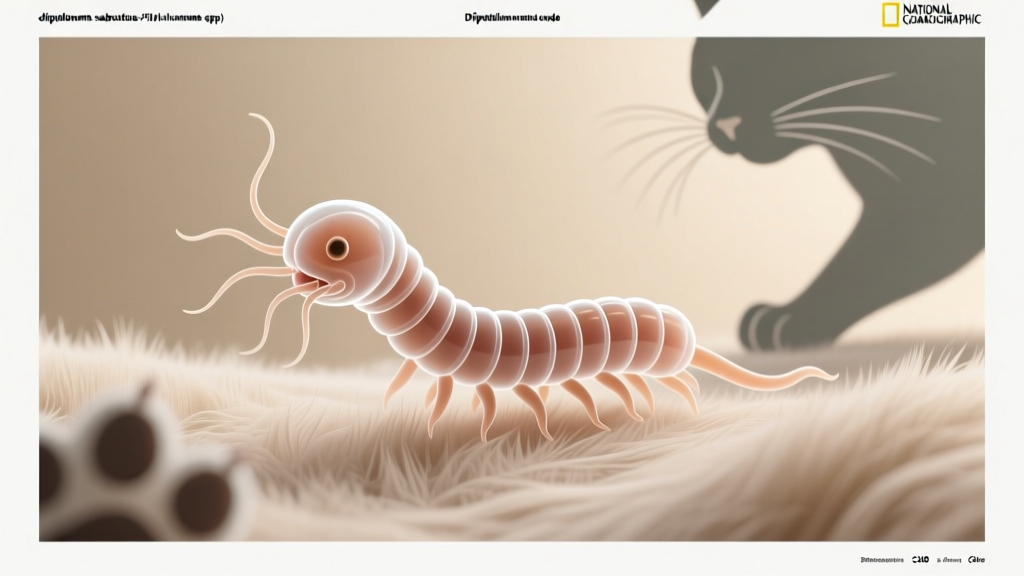
Echinococcus refers to small tapeworms (cestodes). The main species of concern worldwide are Echinococcus granulosus and Echinococcus multilocularis. These parasites have a life cycle that typically involves:
- Definitive hosts (where the adult tapeworm lives in the intestine): most often dogs, foxes, coyotes, and other canids. Cats can sometimes act as definitive hosts, depending on region and species.
- Intermediate hosts (where larval stages form cysts in organs): usually rodents, rabbits, sheep, and other animals.
When a definitive host eats an infected intermediate host (for example, a fox eats an infected rodent), the adult tapeworm develops in the intestine and produces microscopic eggs that are passed in feces. Those eggs can contaminate soil, water, gardens, fur, and surfaces.
Zoonotic risk means the parasite can spread from animals to people. Humans become infected by accidentally swallowing Echinococcus eggs (not by touching a tapeworm segment). In people, the larval stage can form cysts in organs such as the liver or lungs, which can be serious and requires medical care.
For cat owners, the key points are:
- Cats may carry Echinococcus without obvious illness.
- Eggs are microscopic and can spread through contaminated feces and environments.
- Preventing hunting/scavenging and using vet-guided deworming are practical ways to lower risk.
3. Symptoms and warning signs to watch for
Many cats with intestinal tapeworm infections show no symptoms. When signs occur, they tend to be mild and nonspecific. Contact your veterinarian if you notice any of the following:
Possible signs in cats
- Digestive upset: intermittent soft stool, diarrhea, or occasional vomiting
- Weight loss or poor body condition despite a normal appetite (less common)
- Dull coat or reduced grooming in some cats
- “Scooting” (dragging rear end) or licking around the anus (not specific to tapeworms, can be anal gland irritation, allergies, etc.)
What you usually will NOT see
- Visible “rice grains” are more typical of Dipylidium (flea tapeworm). With Echinococcus, eggs are microscopic and segments may not be noticed.
Household health note: People infected with Echinococcus typically do not have immediate symptoms. Disease can develop slowly over months to years. If you’re concerned about exposure (especially in endemic regions), speak with your healthcare provider.
4. Causes and risk factors
Cats get exposed when they ingest the parasite through hunting or environmental contamination. Risk varies significantly by geography and lifestyle.
Common risk factors for cats
- Hunting rodents or eating raw prey (mice, voles)
- Outdoor access, especially rural or wildlife-dense areas
- Living in or traveling to endemic regions (areas where Echinococcus is established in wildlife or livestock)
- Raw feeding (especially raw offal/organs) or access to carcasses
- Multi-pet homes with dogs that hunt or roam (dogs are more common definitive hosts)
- Farm environments where livestock and working dogs are present
How people are exposed
- Handling contaminated soil (gardening), then touching mouth/food
- Accidental contact with fecal contamination during litter box cleaning
- Eating unwashed produce from gardens where wildlife may pass through
Day-to-day contact with a healthy indoor cat is usually low risk. The risk increases when a cat is an active hunter, has outdoor roaming time, or lives where wildlife cycles are present.
5. Diagnosis methods and what to expect at the vet
If your veterinarian suspects intestinal parasites, they’ll typically recommend a combination of history, risk assessment, and fecal testing.
What your vet may ask
- Indoor vs outdoor lifestyle
- Hunting behavior or prey exposure
- Raw diet or access to wildlife/livestock areas
- Current parasite prevention routine
- Any GI signs (vomiting/diarrhea/weight changes)
Common diagnostic tests
- Fecal flotation/centrifugation: looks for parasite eggs. Challenge: Echinococcus eggs can resemble other tapeworm eggs and may be shed intermittently.
- Fecal antigen tests (availability depends on region): can help detect tapeworm infection.
- PCR testing on feces (specialty/region-dependent): can identify Echinococcus DNA and differentiate species.
If your cat is healthy but considered high-risk (outdoor hunter in an endemic area), your vet may discuss preventive deworming rather than relying solely on a single negative fecal test.
6. Treatment options (medical, surgical, home care)
For intestinal Echinococcus infection in cats, treatment is typically straightforward and medical. Surgery is not usually part of treating intestinal tapeworms in cats.
Medical treatment
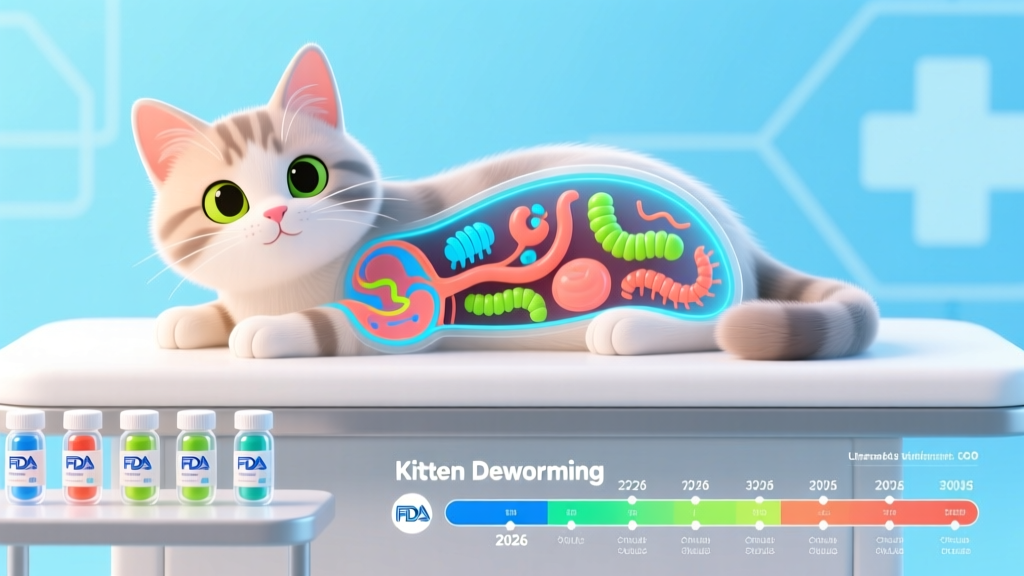
- Prescription dewormers: Your veterinarian will choose a product and dose appropriate for your cat’s weight, age, and health status. Treatment commonly involves a medication effective against tapeworms (often praziquantel or a vet-recommended equivalent).
- Repeat dosing: Sometimes recommended depending on risk, product used, and likelihood of reinfection.
- Co-parasite management: Outdoor cats may also need treatment for roundworms/hookworms and consistent parasite prevention.
Home care and hygiene during treatment
These steps reduce reinfection risk and help protect your household:
- Clean the litter box daily during and after treatment. Dispose of waste in a sealed bag.
- Wash hands with soap and water after litter box duties, gardening, or handling outdoor gear.
- Consider disposable gloves for litter box cleaning if anyone in the home is immunocompromised or if there are young children.
- Clean and disinfect the litter box regularly (follow product instructions; always rinse and dry thoroughly).
- Prevent hunting as much as possible while you’re working through treatment.
When “surgical” becomes relevant
In cats, Echinococcus is primarily an intestinal adult tapeworm issue. Surgical care is more commonly discussed in human medicine when cysts form in organs. If you are worried about human exposure, contact your physician for individualized guidance.
7. Prevention strategies and early detection tips
Prevention focuses on reducing exposure and using veterinarian-guided parasite control. These steps are practical and effective.
Immediate, actionable prevention steps
- Keep your cat indoors or provide supervised outdoor time (catio, leash-and-harness) to reduce hunting.
- Don’t feed raw prey or raw offal. If you feed a raw diet, discuss safety and parasite risks with your veterinarian.
- Use a vet-recommended deworming plan tailored to your cat’s lifestyle and local parasite risks.
- Control rodents around the home using pet-safe methods; avoid leaving pet food outdoors.
- Practice litter box hygiene: daily scooping, handwashing, and routine box cleaning.
Early detection tips
- Schedule routine fecal testing as recommended by your veterinarian (often 1–2 times per year for many cats, more frequently for outdoor hunters).
- Track weight monthly using a baby scale or pet scale. Unexplained weight loss deserves a vet visit.
- Watch stool quality and note any ongoing diarrhea or vomiting (even mild but persistent signs).
- Ask about regional risk: Your vet will know if Echinococcus is a concern in your area or for cats with your cat’s lifestyle.
8. Prognosis and quality of life considerations
For most cats, the prognosis for an intestinal tapeworm infection treated appropriately is excellent. Many cats feel normal throughout and return to baseline quickly after deworming.
The biggest quality-of-life factor is reinfection. If a cat continues to hunt or has ongoing exposure, tapeworm infections can recur. That’s why prevention—limiting hunting, routine parasite control, and environmental hygiene—is so valuable.
From a family perspective, peace of mind matters too. A clear plan with your veterinarian (testing schedule, prevention products, and lifestyle adjustments) can reduce worry without overreacting.
9. When to seek emergency veterinary care
Echinococcus itself rarely causes sudden emergencies in cats, but any significant illness signs should be taken seriously. Seek urgent or emergency veterinary care if your cat has:
- Repeated vomiting or can’t keep water down
- Severe diarrhea, diarrhea with blood, or signs of dehydration (sunken eyes, sticky gums, lethargy)
- Marked lethargy or collapse
- Swollen or painful abdomen
- Not eating for more than 24 hours (or 12 hours for kittens or cats with medical conditions)
- Rapid weight loss or weakness
If you suspect significant parasite exposure (for example, your cat is actively hunting in a known endemic area), call your veterinarian for guidance rather than waiting for symptoms.
10. FAQ: Common questions cat owners ask
Can I catch Echinococcus from my cat?
People become infected by swallowing microscopic eggs from contaminated feces or environments. Direct casual contact is usually low risk, but any pet that goes outdoors and hunts can increase household exposure risk. Good litter box hygiene, handwashing, and vet-guided parasite control dramatically reduce risk. If you’re worried about your personal health, consult your healthcare provider.
Will I see tapeworm segments if my cat has Echinococcus?
Not necessarily. Echinococcus eggs are microscopic, and segments may not be obvious. That’s why fecal testing and preventive deworming (when appropriate) are important for at-risk cats.
Is Echinococcus the same as the common flea tapeworm?
No. The most common “rice grain” tapeworm in cats is often Dipylidium caninum, typically associated with fleas. Echinococcus has a different life cycle and is more significant from a zoonotic standpoint. Your veterinarian can help determine which parasite risk is most relevant for your cat.
Do indoor-only cats need to worry about Echinococcus?
For strictly indoor cats with no hunting exposure, risk is usually very low. However, indoor cats can still get other intestinal parasites, and exposure can happen if fleas, rodents, or contaminated soil are brought indoors. Discuss an appropriate fecal testing and deworming schedule with your veterinarian.
What’s the best prevention plan for an outdoor hunter cat?
The best plan combines:
- Reducing hunting (supervised outdoor time, catio, enrichment indoors)
- Regular vet-guided deworming appropriate to local risk
- Routine fecal exams
- Strict litter box hygiene and handwashing
Your veterinarian will tailor timing and products to your region and your cat’s habits.
Should I deworm my cat “just in case”?
It’s understandable to want to treat immediately, but it’s best to talk with your veterinarian first. They’ll consider your cat’s age, weight, health history, lifestyle risk, and local parasite patterns. Using the right medication at the right interval is safer and more effective than guessing.
If your cat goes outdoors, hunts, or you live in an area where Echinococcus is known to occur, schedule a conversation with your veterinarian about a prevention plan and fecal testing routine. For more practical cat health guidance, visit catloversbase.com for additional resources on parasite prevention, wellness care, and keeping your cat thriving.