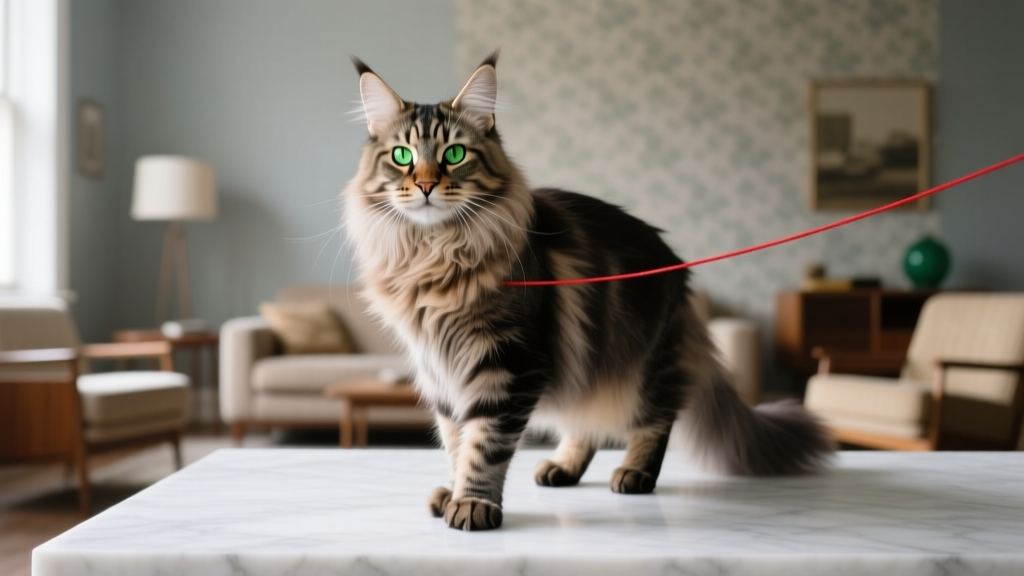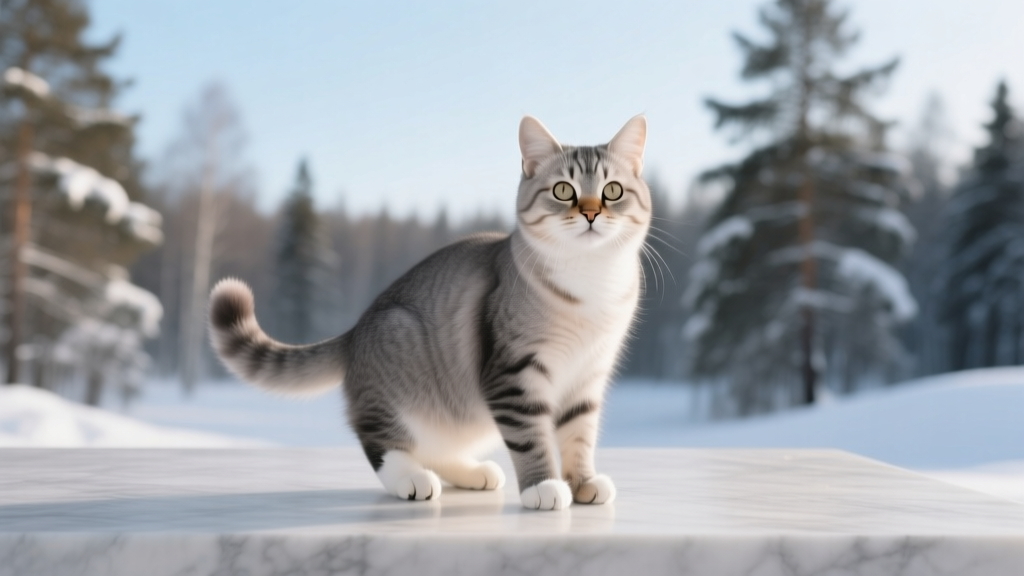
Toybob: Pocket-Sized Bobtail from Russia
If you’ve ever wished for a cat that keeps the charm of a kitten well into adulthood—without losing any of the confidence, curiosity, or cuddly appeal—meet the Toybob. This rare little treasure is often described as a “pocket-sized” cat with a naturally short bobtail, bright expressive eyes, and a personality that’s far bigger than its tiny frame.
The Toybob isn’t a designer mini-cat created through extreme breeding. It’s a naturally small breed that traces back to Russia, where its petite size and bobbed tail appeared as a genetic happenstance and then became a beloved hallmark. For cat enthusiasts who love distinctive breeds (and for households looking for a friendly, people-oriented companion), the Toybob is an exciting discovery.
Even if you’re a seasoned breed researcher or a long-time cat lover, the Toybob has a way of stealing attention: it looks like a forever-kitten, moves like a little athlete, and tends to stick close to its favorite humans. Let’s get to know this tiny Russian bobtail properly—history, traits, care, health, and all the practical details you’ll want before falling completely in love.
Breed History and Origin
The Toybob cat (sometimes spelled “Toy Bob”) originated in Russia, with early development centered in the city of Rostov-on-Don. The story begins in the 1980s, when breeders noticed naturally occurring bobtailed cats with unusually small bodies. Rather than pushing for extremes, the aim became preserving a healthy, stable line with consistent traits: tiny size, a short bobtail, and an affectionate companion temperament.
The Toybob is sometimes associated in people’s minds with the Thai/Siamese “look” because many early Toybobs were colorpoint and had a refined, elegant appearance. Over time, careful breeding expanded acceptable colors and patterns depending on registry rules, while keeping the signature small stature and bobtail.
Today, the Toybob remains rare worldwide. You’ll find a small number of dedicated breeders outside Russia, and the breed is gradually becoming more visible among fans of unique bobtail cats. Because availability is limited, anyone searching for Toybob kittens should be prepared for waitlists and thorough screening—good breeders are protective of this special gene pool.
Physical Characteristics
The Toybob’s claim to fame is right in the nickname: this is a truly petite cat. Think “tiny but sturdy,” with a compact body that still feels athletic and well-balanced in your hands.
| Feature | Toybob Traits |
|---|---|
| Size | Very small; often considered one of the smallest cat breeds |
| Adult Weight | Commonly around 3–7 lb (varies by line, sex, and registry standards) |
| Body Type | Compact, proportionate, surprisingly muscular for the size |
| Tail | Natural bobtail; short, often kinked or curved, with visible joints; unique from cat to cat |
| Coat Length | Most commonly short; coat is typically soft and close-lying |
| Eyes | Large, expressive; color may vary and often complements coat pattern |
Coat, Colors, and Patterns
Toybobs are frequently seen in colorpoint patterns (a classic “Siamese-style” look: darker ears, mask, paws, and tail area), but acceptance of colors/patterns can depend on the breeding program and registry. You may also see solid, tabby, bicolor, or other variations in some lines.
- Coat texture: Smooth and plush to the touch, usually easy-care
- Shedding: Moderate; often lighter than many longhaired breeds
- Distinctive feature: The tiny stature + bobtail combination is the headline trait
That Famous Bobtail
The Toybob’s tail is naturally short and often looks like a pom-pom or a little curved “button.” No two Toybob tails are identical. This is part of the breed’s charm—and also why reputable breeders pay close attention to tail structure and overall spinal health.
Personality and Temperament Traits
Don’t let the small body fool you: the Toybob tends to have a confident, social, and people-loving temperament. Many owners describe them as “velcro cats” in the best way—they like to be near you, follow you from room to room, and settle in for snuggles when you finally sit down.
Common Toybob personality traits include:
- Affectionate: Often happiest close to their humans, enjoying lap time and gentle handling
- Playful: Quick bursts of energy, lots of curiosity, and a fondness for wand toys
- Smart and attentive: Many learn routines fast and respond well to positive reinforcement
- Gentle: Typically sweet-natured, making them appealing for calm households
- Social: Usually interested in guests once they feel safe
If you love an interactive cat that enjoys companionship without being nonstop demanding, the Toybob can be a delightful match. They tend to do best when they’re treated like a real family member—because that’s exactly how they behave.
Health Considerations and Common Issues
The Toybob is generally regarded as a healthy breed, especially when responsibly bred. Because it’s rare and the gene pool is relatively small, the quality of breeding practices matters hugely. A conscientious Toybob breeder will prioritize sound structure, stable temperament, and robust overall health—rather than only chasing the smallest possible size.
Potential health considerations to discuss with a breeder and your veterinarian:
- Tail/spine structure: The bobtail is natural, but reputable breeders still monitor for any issues related to vertebrae formation.
- Dental health: Like many cats (especially those with refined facial structure), Toybobs can benefit from proactive dental care.
- Weight maintenance: Because they’re tiny, even small weight changes matter. Overfeeding can lead to obesity faster than you’d expect.
- General genetic screening: Ask what health testing the breeder performs and what conditions they track in their lines.
Best practice: Schedule a new-kitten vet visit within the first week of bringing your Toybob home, keep vaccines and parasite prevention current, and maintain regular wellness exams. With good care, many Toybobs enjoy a long, comfortable life—just like any well-cared-for indoor cat.
Care Requirements (Grooming, Exercise, Diet)
The Toybob’s care needs are pleasantly manageable. Their small size doesn’t mean they require less attention—just that their routines are usually easy to fit into everyday life.
Grooming
- Brushing: 1–2 times per week for short coats; more during seasonal shedding
- Nails: Trim every 2–4 weeks (start early so it’s stress-free)
- Ears: Check weekly; clean only if your vet recommends and show you how
- Teeth: Aim for tooth brushing several times a week; dental treats can help but aren’t a full substitute
Exercise and Enrichment
Toybobs are lively and athletic in small bursts. They love games that let them stalk, pounce, and chase.
- Daily play: Two short sessions (10–15 minutes) can keep many Toybobs happily entertained
- Favorite toys: Wand toys, small plush “prey,” puzzle feeders, and lightweight balls
- Climbing: A cat tree is a great idea, but consider step-like platforms for easy access
- Training: Many enjoy clicker training—sit, target touches, or basic tricks
Diet
Because Toybobs are so petite, they need nutrient-dense food in appropriately small portions. Choose a high-quality, meat-forward diet and work with your vet to decide the right feeding plan for age and activity level.
- Portion control matters: Tiny cats can gain weight quickly if free-fed
- Wet food benefits: Helps with hydration and can support urinary health
- Fresh water: Many cats drink more from a fountain
- Treats: Keep treats under 10% of daily calories
Compatibility with Families, Children, and Other Pets
The Toybob’s sweet nature often makes it a wonderful family companion, but the breed’s very small size changes the equation a bit. These cats can be fantastic with respectful children—especially kids who can learn calm handling and understand that a small cat isn’t a stuffed animal.
- With children: Best with gentle, supervised interactions; teach kids to sit on the floor and let the cat approach
- With cats: Often sociable; slow introductions help everyone settle
- With dogs: Can do well with calm, cat-savvy dogs; avoid overly boisterous play styles
- With seniors or quiet homes: A lovely choice for companionship and lap time
If you have a very busy home with lots of chaos, the Toybob may still adapt, but they’ll do best if they have a quiet retreat space and predictable routines.
Pros and Cons of Owning a Toybob
| Pros | Cons |
|---|---|
|
|
FAQ: Toybob Cats
Are Toybob cats the smallest cat breed?
The Toybob is often mentioned among the smallest cat breeds, with many adults staying in the roughly 3–7 lb range. Exact size varies by sex, line, and overall build, but the breed is genuinely petite compared to most domestic cats.
Is the Toybob’s bobtail natural?
Yes. The Toybob has a natural bobtail, not one created by docking. Their tails are short and can be kinked, curved, or “pom-pom” shaped, and each cat’s tail looks a little different.
Do Toybobs stay kitten-sized forever?
Toybobs mature into adults, but they often keep a kitten-like appearance because of their naturally small frame. They’re not perpetually young—just compact.
Are Toybob cats cuddly?
Many Toybobs are famously affectionate and enjoy lap time, following their people around the house, and curling up close. Personality still varies by individual, but the breed is generally known for being social and sweet.
Do Toybobs get along with other pets?
Often, yes—especially with slow introductions and respectful companions. They can do well with other cats and calm dogs. Because they’re small, supervision is wise around larger pets until everyone’s behavior is clearly trustworthy.
Is the Toybob a good choice for first-time cat owners?
They can be, particularly for someone who wants a friendly, interactive indoor cat and is willing to provide gentle handling, playtime, and a safe environment. The biggest challenge for first-time owners is usually finding a reputable Toybob breeder due to the breed’s rarity.
Warm Final Thoughts on the Toybob
The Toybob is the kind of breed that makes cat lovers do a double-take: tiny body, bobbed tail, bright eyes, and a brave little heart that wants to be right where you are. If you’re drawn to rare cat breeds, love bobtail cats, or simply want an affectionate companion with a forever-kitten vibe, the Toybob is absolutely worth your attention.
If you decide this pocket-sized Russian bobtail is your match, take your time finding an ethical breeder, ask lots of health and socialization questions, and prepare your home for a small, curious explorer who will happily make your lap their favorite destination.
Want to meet more amazing felines—rare, popular, and everything in between? Explore more breed profiles on catloversbase.com.