Tennessee Rex: Spontaneous Mutation Breed
Every once in a while, nature tosses cat lovers a delightful surprise—a kitten shows up with a look and feel you’ve never quite seen before, and suddenly the “ordinary” cat world gets a brand-new sparkle. That’s the magic behind the Tennessee Rex, a rare rex-style cat born from a spontaneous mutation rather than a long-planned breeding program.
If you’re drawn to cats with unusual coats, soft waves, and a little bit of “how is that even real?” charm, the Tennessee Rex cat breed is a fascinating one to learn about. It’s still developing, still uncommon, and still turning heads with its shimmering, satiny fur—especially in sunlight.
This breed profile is for curious cat enthusiasts, potential owners who love rare breeds, and researchers tracking emerging rex cats. You’ll find the Tennessee Rex’s story, temperament, care needs, and what it’s like living with one of these naturally occurring curly-coated gems.
Breed History and Origin
The Tennessee Rex originated in the United States, specifically in Tennessee, where a kitten with an unusual coat appeared in a domestic cat population. Like many rex-type breeds, the Tennessee Rex began as a spontaneous genetic mutation—a natural change that affected the structure and texture of the fur.
What made this cat stand out wasn’t only the gentle wave in the coat, but also a distinctive “glitter” or sheen that can give the fur a luminous look, particularly on lighter colors and in bright light. Breeders and enthusiasts began selectively pairing cats to preserve and understand the trait, with the goal of developing a consistent type while prioritizing health and temperament.
Because the Tennessee Rex is a newer and rarer breed, you may find fewer official registry references compared with long-established breeds. Availability is limited, and breeding programs tend to be small. For prospective owners, that typically means waiting lists, careful screening, and an emphasis on placing kittens in informed, committed homes.
Physical Characteristics
The Tennessee Rex is often described as a medium-sized cat with a soft, wavy coat and a smooth, elegant feel. While individual cats can vary (especially in developing breeds), the hallmark is that rex-like texture—fine, plush, and often noticeably different from typical domestic shorthair or longhair coats.
| Feature | Typical Tennessee Rex Traits |
|---|---|
| Size | Medium (some lines may range from small-medium to medium-large) |
| Weight | Often around 6–12 lbs (2.7–5.4 kg), depending on sex, build, and lineage |
| Coat | Soft, fine, wavy or lightly curly rex coat; can show a satiny sheen |
| Coat length | Frequently short to medium; texture is the standout feature |
| Colors & patterns | Found in many colors and patterns (varies by breeding lines) |
| Distinctive features | Rex texture + “glitter” effect in some cats; soft, touchable coat with visible waves |
Coat, Colors, and That Signature Sheen
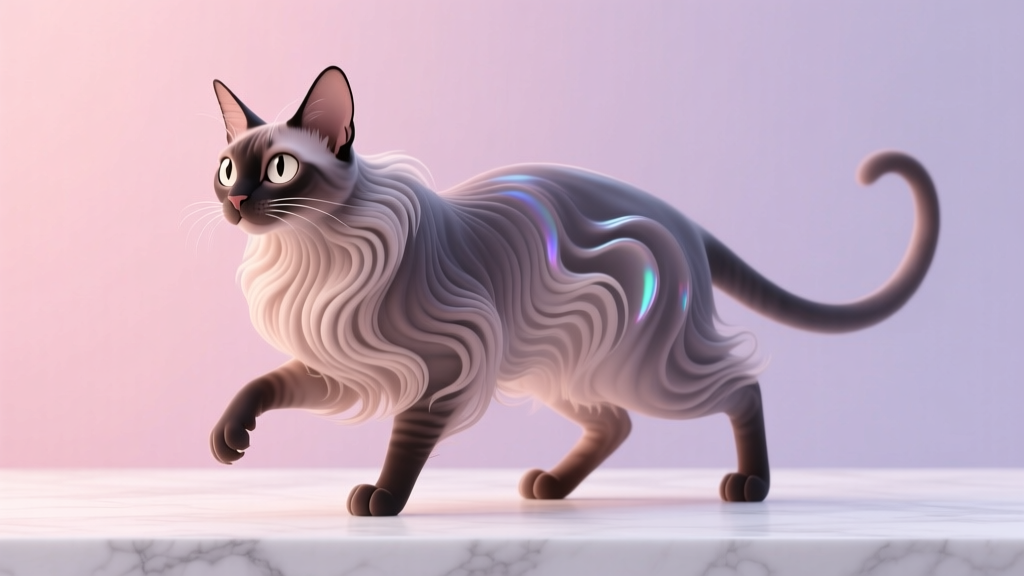
The phrase you’ll hear most with Tennessee Rex cats is that they’re incredibly soft. Many owners describe the coat as velvety or plush, with a gentle wave that’s easy to spot along the body and tail. In some lines, there’s also a sparkly sheen—sometimes called “glitter”—that can look like the cat is lightly dusted with shimmer when the light hits just right.
- Texture: Fine, soft, and often less “guard-hair heavy” than typical coats
- Appearance: Waves or loose curls, more obvious in certain areas (back, sides, tail)
- Color range: Many colors and patterns may occur, including solids, tabbies, and bicolors (depending on the cats used in the program)
Personality and Temperament Traits
Rex-type cats are often adored for their people-focused nature, and the Tennessee Rex tends to fit that “friendly companion” vibe. While personality always depends on the individual cat and how they’re raised, many Tennessee Rex owners report affectionate, interactive cats that enjoy being part of everyday life.
Common temperament traits you may see in a Tennessee Rex:
- Affectionate and social: Often happiest when they can be near their humans
- Playful: Enjoys games, feather toys, and interactive play sessions
- Curious: Likes to supervise chores, explore new items, and “help” with projects
- Gentle: Many are sweet-natured and suited to calmer handling
- Adaptable: With good socialization, may adjust well to new routines
If you want a cat who is more “roommate” than “decor,” the Tennessee Rex often delivers—following you from room to room, settling close by, and making their opinions known with expressive body language.
Health Considerations and Common Issues
Because the Tennessee Rex is a rare, developing breed, broad long-term health data is more limited than it is for widely established cat breeds. That said, there are some practical health themes to keep in mind for rex-coated cats and for any breed developed from a small gene pool.
- Skin and coat sensitivity: Some rex cats can be prone to dry skin, oil buildup, or mild irritation if grooming products are too harsh.
- Sun sensitivity: Cats with thinner coats may be more sensitive to strong sun; sunbathing in a bright window is fine, but prolonged direct UV exposure can be risky—especially for light-colored cats.
- Digestive upsets: Not unique to this breed, but sudden diet changes can cause tummy trouble. Slow transitions are your friend.
- Dental health: Like many cats, they benefit from dental routines and periodic professional evaluation.
- Genetic diversity concerns: Rare breeds can face higher risk if breeding programs are too narrow. Responsible breeders prioritize outcrossing strategies (when applicable), screening, and long-term health tracking.
Your best protection is working with a breeder (or rescue/rehoming situation) that provides clear veterinary records, transparent communication, and thoughtful placement practices. For any Tennessee Rex kitten or adult, plan on routine wellness exams, parasite prevention appropriate to your region, and keeping vaccinations current.
Care Requirements (Grooming, Exercise, Diet)
The Tennessee Rex may look like a high-maintenance “designer coat” cat, but most owners find care pretty manageable—just a little different from a standard shorthaired cat.
Grooming
- Brushing: Light grooming is usually enough. Overbrushing can sometimes frizz or flatten a rex coat, so keep it gentle.
- Bathing: Occasional baths may help if your cat’s skin gets oily, but don’t overdo it. Use a cat-safe, mild shampoo.
- Ears and nails: Check ears weekly and trim nails every 2–4 weeks, depending on growth and scratching habits.
- Skin check: Because the coat can be thinner, it’s easier to spot dryness, flakes, or irritation—address early with your vet’s guidance.
Exercise and Enrichment
Tennessee Rex cats typically enjoy play and stimulation. Think “active cuddler”: they want both engagement and together time.
- Two short interactive play sessions daily (10–15 minutes each) using wand toys or chase toys
- Cat trees and window perches for climbing and “neighborhood patrol”
- Puzzle feeders to keep the brain busy
- Rotation of toys to prevent boredom
Diet
There’s no special Tennessee Rex-only diet, but feeding for lean muscle and healthy skin can be a smart approach.
- High-quality protein: Look for meat-forward foods appropriate for your cat’s life stage
- Healthy fats: Omega-3 and omega-6 fatty acids can support skin and coat condition
- Portion control: Rex cats can be enthusiastic eaters; measure meals and monitor body condition
- Fresh water: Consider a fountain if your cat prefers running water
Compatibility with Families, Children, and Other Pets
With proper socialization, the Tennessee Rex can be a wonderful family cat—affectionate, playful, and generally people-oriented. The key is respectful handling and introducing them thoughtfully to new situations.
- Families: Often thrives in homes where someone is around regularly and the cat gets plenty of interaction.
- Children: Typically does well with gentle kids who understand “no grabbing” and “let the cat choose.” Supervise young children.
- Other cats: Many adjust well to feline companions, especially when introductions are slow and positive.
- Dogs: Can live happily with cat-savvy dogs. Start with scent swaps, controlled meetings, and safe vertical escape routes.
If you’re looking for a cat who enjoys companionship and tends to bond closely, the Tennessee Rex often fits beautifully—especially in a home that treats cats like family members, not background pets.
Pros and Cons of Owning a Tennessee Rex
| Pros | Cons |
|---|---|
|
|
FAQ: Tennessee Rex Cats
Are Tennessee Rex cats hypoallergenic?
No cat breed is truly hypoallergenic. Some people with allergies find rex-coated cats easier to live with due to coat texture and shedding patterns, but allergens come from saliva and skin proteins, not just fur. If allergies are a concern, spend time with the breed and talk to your allergist before committing.
Do Tennessee Rex cats shed a lot?
Many Tennessee Rex cats shed less noticeably than typical cats, but shedding varies by individual and season. Their fine coat can release hair in smaller amounts, and gentle grooming helps keep it under control.
How rare is the Tennessee Rex?
Very rare. The Tennessee Rex is an emerging, spontaneous-mutation breed with limited breeding programs. That rarity is part of the appeal, but it also means availability can be limited and finding a reputable source may take time.
What makes the Tennessee Rex coat different from other rex breeds?
The Tennessee Rex is known for its soft waves and, in some lines, a distinctive shimmering “glitter” effect. Rex breeds vary widely—some have tight curls, some have more of a wave, and each mutation can affect coat feel and density differently.
Is the Tennessee Rex a good lap cat?
Often, yes—many are affectionate and enjoy snuggling. Expect a cat who wants to be near you, especially once they’ve bonded. Individual personality still matters, so early handling and socialization make a big difference.
How much grooming does a Tennessee Rex need?
Usually low to moderate. A gentle once-weekly grooming session is often enough, plus ear checks, nail trims, and occasional baths if your cat’s skin becomes oily. Avoid harsh tools that can disrupt the coat’s texture.
Closing Thoughts
The Tennessee Rex is the kind of cat that reminds us why we fall in love with breeds in the first place: a surprising origin story, a truly touchable coat, and a personality that tends to lean into companionship. For the right home—one that enjoys interaction, can offer enrichment, and doesn’t mind doing a bit of extra research to find a responsible breeder—this spontaneous mutation breed can be a wonderful, uncommon treasure.
If you’re captivated by rex cats, rare cat breeds, or simply love learning about feline variety, we’ve got more waiting for you. Explore more breed profiles and cat-lover guides on catloversbase.com.