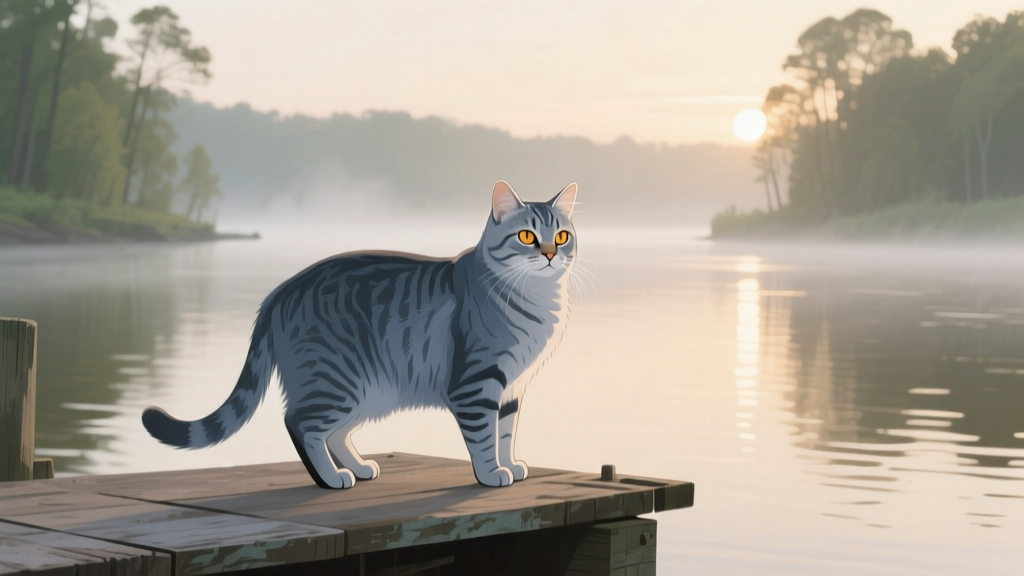
River Bobtail: Mississippi Valley Breed
There’s something undeniably charming about a cat with a naturally short tail—like they’re carrying a little mystery behind them, tucked neatly away. Now imagine that bobtail look paired with a rugged, outdoorsy vibe and a friendly, family-ready personality inspired by the rhythm of the Mississippi Valley. That’s the appeal people are looking for when they search for the River Bobtail, a rare, regional “type” sometimes described as a Mississippi Valley bobtailed cat.
Cat lovers are drawn to the idea of a homegrown American bobtail from river country: sturdy, adaptable, and affectionate enough to be your couch companion after a day of adventure. But before you set your heart on this breed, there’s a key detail to understand: the River Bobtail is not an officially recognized, standardized cat breed in major registries like TICA, CFA, or FIFe. It’s most often used as a local nickname for naturally bobtailed cats (and bobtail-type domestic cats) found in or associated with the Mississippi Valley region.
This article gives you the best of both worlds: a clear, honest look at what “River Bobtail” typically means, plus the most accurate expectations you can have if you’re hoping to welcome one into your home.
Breed History and Origin
The Mississippi River corridor has long been a patchwork of farms, small towns, ports, and rural communities—exactly the kind of environment where sturdy domestic cats thrive. Across the world, natural bobtails pop up when a genetic mutation shortens the tail. If that mutation exists in a local cat population and cats continue breeding within that area, you can start seeing a recognizable “type” over time—especially in more isolated communities or tight-knit barn-cat populations.
When people refer to the River Bobtail or Mississippi Valley bobtail, they’re usually talking about:
- Natural bobtailed domestic cats found in the region (sometimes farm cats, sometimes neighborhood cats).
- Cats that may have some American Bobtail influence (intentional or accidental) in their ancestry.
- A general “working cat” look: medium-to-large build, athletic, weather-ready coats.
Because there’s no consistent registry standard, “River Bobtail” is best understood as a regional label rather than a fixed lineage. That said, it’s not unusual for local rescue groups or foster networks to use descriptive terms like this to help a cat stand out—especially if their short tail is a defining feature.
Physical Characteristics
Since River Bobtails aren’t standardized, their appearance can vary widely. Still, cats described this way commonly share a few traits: a bobbed tail, a capable body, and a coat that suits an active life.
| Feature | Typical “River Bobtail” Range |
|---|---|
| Size | Medium to large |
| Weight | 8–16 lb (some males larger; females often smaller) |
| Body type | Athletic, sturdy, “working cat” build |
| Coat length | Short to medium; occasionally longer coats |
| Coat texture | Often dense; can be plush or slightly coarse |
| Colors/patterns | Any color/pattern; tabby and bicolor are common in domestic populations |
| Distinctive feature | Short tail (bobtail) that may be straight, kinked, or slightly curved |
Tail Type: The Headliner
The hallmark trait is the bobtail, but bobtails don’t all look the same. You might see:
- Pom-pom tail: a short, fluffy “button” of fur.
- Stub tail: a short tail with a visible base and a small extension.
- Kinked or curved tail: a shortened tail with bends (often harmless).
Some bobtailed cats have a tail that’s only slightly shortened, while others have a very short tail. A key point for prospective owners: never pull or manipulate a bobtail. Tail structure can include fused vertebrae, and rough handling can be painful.
Personality and Temperament Traits
The River Bobtail “type” is often described with the kind of traits cat lovers adore in an active, people-friendly companion: curious, adaptable, and ready to be part of the household routine. Because these cats are typically domestic cats with a natural mutation (rather than a standardized breed), personality varies by individual—but here are common themes reported by owners of bobtail-type cats from rural and mixed environments:
- Confident and curious: They often want to investigate what you’re doing (and supervise it).
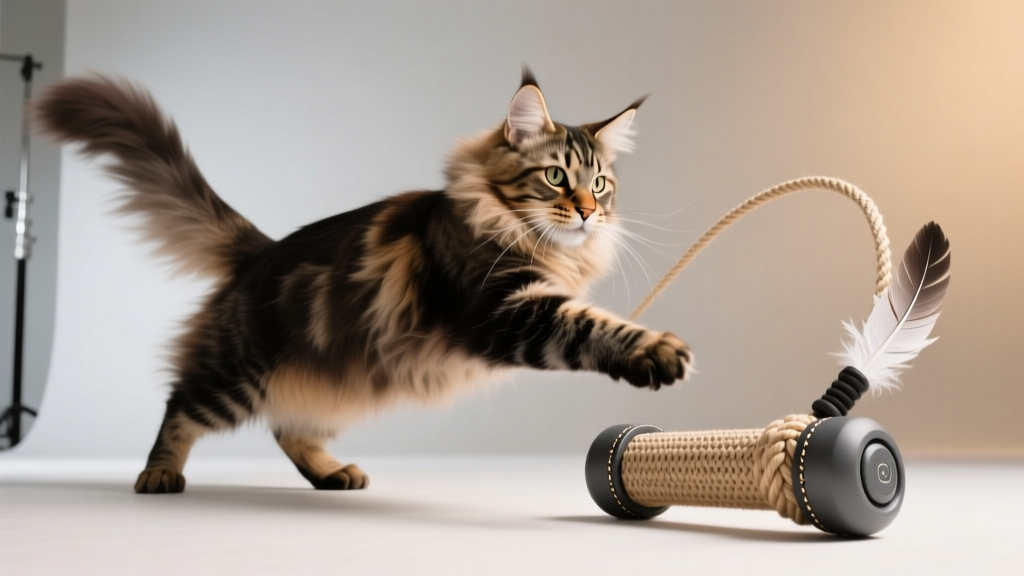
- Playful hunters: Many show strong interest in wand toys, puzzle feeders, and chase games.
- Affectionate on their terms: Expect cuddles, but also a bit of independence.
- Smart and trainable: Many bobtail-type cats take quickly to clicker training, leash practice, and simple cues.
- Social with family: They often bond closely and follow favorite humans from room to room.
If you’ve ever wanted a cat that feels like a companion rather than a decoration, a River Bobtail-like kitty may fit the bill—especially with early socialization and daily playtime.
Health Considerations and Common Issues
Because “River Bobtail” isn’t a controlled breeding program, you won’t find a single definitive health profile. Many naturally bobtailed domestic cats are robust, especially if they come from diverse gene pools. Still, the bobtail trait can sometimes be linked to spinal or tail-area concerns depending on the underlying genetics.
Potential health considerations include:
- Tail/spine sensitivity: Some bobtailed cats may have fused vertebrae or unusual tail structures. Gentle handling is a must.
- Lower back issues: Watch for pain, reluctance to jump, stiffness, or sensitivity near the base of the tail.
- Digestive/constipation concerns: Rarely, spinal abnormalities can affect bowel function. Any ongoing constipation should be discussed with your vet.
- Routine domestic-cat risks: Dental disease, obesity, urinary issues, parasites, and allergies can occur like in any cat.
Best practice: If you’re adopting a bobtailed cat (especially a kitten), ask the vet to do a thorough physical exam, including checking spinal alignment and tail mobility. Any signs of pain, odd gait, or bathroom trouble deserve prompt attention.
Care Requirements (Grooming, Exercise, Diet)
Grooming
Grooming needs depend mostly on coat length and density. Many River Bobtail-type cats have short to medium coats that are fairly easy to maintain.
- Short coats: Brush 1x per week to reduce shedding and hairballs.
- Medium/long coats: Brush 2–3x per week, especially during seasonal shedding.
- Nails: Trim every 2–4 weeks.
- Teeth: Brush several times weekly if your cat allows; dental treats and vet cleanings help too.
- Ears: Check weekly for wax buildup or irritation.
Exercise and Enrichment
These cats tend to thrive with a little daily action—both for body and brain. Aim for two short play sessions a day (10–15 minutes each) and sprinkle enrichment throughout the home.
- Interactive play: wand toys, feather teasers, chase games
- Brain work: puzzle feeders, treat balls, clicker training
- Climbing: cat trees, shelves, window perches
- Scratching: vertical and horizontal scratchers
Diet
There’s no special “River Bobtail diet,” but an athletic, playful cat benefits from high-quality nutrition and portion control.
- Protein-forward food: Choose reputable brands with animal protein as a primary ingredient.
- Wet food support: Wet food can help hydration and urinary health.
- Measure portions: Especially if your cat is indoor-only or spayed/neutered.
- Fresh water: Many cats drink more from a fountain.
Compatibility with Families, Children, and Other Pets
A River Bobtail-type cat can be a wonderful family companion when matched thoughtfully. Temperament depends on the individual cat’s background—especially whether they were well-socialized as kittens.
- Families: Often a great fit—curious, involved, and tolerant when respected.
- Children: Usually does well with calm, cat-savvy kids who understand gentle handling (no grabbing the tail).
- Dogs: Many adapt well to cat-friendly dogs with slow introductions and safe escape routes.
- Other cats: Often fine, especially with gradual scent-based introductions.
- Small pets (birds/rodents): Use caution; many bobtail-type cats have a strong prey drive.
If you’re adopting from a rescue, ask about the cat’s foster notes: Are they bold or shy? Playful or laid-back? Have they lived with dogs? Those real-life details matter more than a label.
Pros and Cons of Owning This Breed (Type)
Because “River Bobtail” is a regional descriptor, your experience will be shaped by the individual cat. Still, these are common upsides and trade-offs that potential owners should consider.
| Pros | Cons |
|---|---|
| Adorable, distinctive bobtail look | Not an officially recognized breed; traits aren’t guaranteed |
| Often confident, playful, and engaging | May need more daily play and enrichment than a sleepy lap cat |
| Typically hardy, especially in mixed-lineage domestic cats | Bobtail genetics can occasionally involve tail/spine sensitivities |
| Can fit well in active homes and families | Prey drive may be an issue with small pets |
| Great “rescue cat” potential—many are adoptable domestics with a cool trait | May be harder to find if you’re seeking a specific look or temperament |
FAQ: River Bobtail Cats
Is the River Bobtail an official cat breed?
No. “River Bobtail” is generally used as a regional nickname for naturally bobtailed domestic cats associated with the Mississippi Valley. If you want a recognized bobtail breed, look into the American Bobtail (recognized in some registries) or the Japanese Bobtail (widely recognized).
Do River Bobtail cats have health problems because of their short tails?
Many bobtailed cats live perfectly healthy lives, but some may have tail or spinal variations that require gentle handling and routine vet monitoring. If you notice pain, stiffness, trouble jumping, or litter box issues, schedule a vet visit.
How big do Mississippi Valley bobtail-type cats get?
Most are medium to large, often around 8–16 pounds, though individual size depends on genetics, diet, and lifestyle.
Are River Bobtails good with children?
They can be, especially if they’re well-socialized and kids are taught respectful handling. The biggest rule: never tug or grab the bobtail.
Can I find a River Bobtail at a shelter?
Yes—often. Since many “River Bobtails” are simply domestic cats with a natural bobtail mutation, shelters and rescues in or near the Mississippi Valley region may occasionally have bobtailed cats available for adoption.
Do River Bobtail cats need special grooming?
Usually not. Most have short to medium coats that do well with weekly brushing (more during shedding seasons). Grooming needs vary by coat length and density.
Warm Signoff
If you’ve fallen for the River Bobtail idea, you’re definitely not alone. That bobbed tail, capable build, and affectionate, adventurous spirit are exactly the kind of traits that make a cat feel like a true companion. Just remember: because this is a regional label rather than a standardized breed, the best “River Bobtail” is the one whose personality fits your home—whether they’re a bold explorer, a playful sidekick, or a sweet lap cat with a tiny tail and a big heart.
Want to meet more fascinating felines—from famous recognized breeds to rare regional types? Explore more cat breed profiles on catloversbase.com.