Ragamuffin Cat Breed Traits and Care
Breed Origins and Recognition
The Ragamuffin breed emerged in the early 1990s when a group of breeders, led by Ann Baker’s former associates, broke away from the Ragdoll program to develop a more genetically diverse, affectionate cat. They established the Ragamuffin as a separate breed in 1994 under the RagaMuffin Cat Fanciers Association (RCFA). The Cat Fanciers’ Association (CFA) granted full championship status in 2011—marking formal recognition after 17 years of development (CFA, 2011).
Physical Characteristics and Size
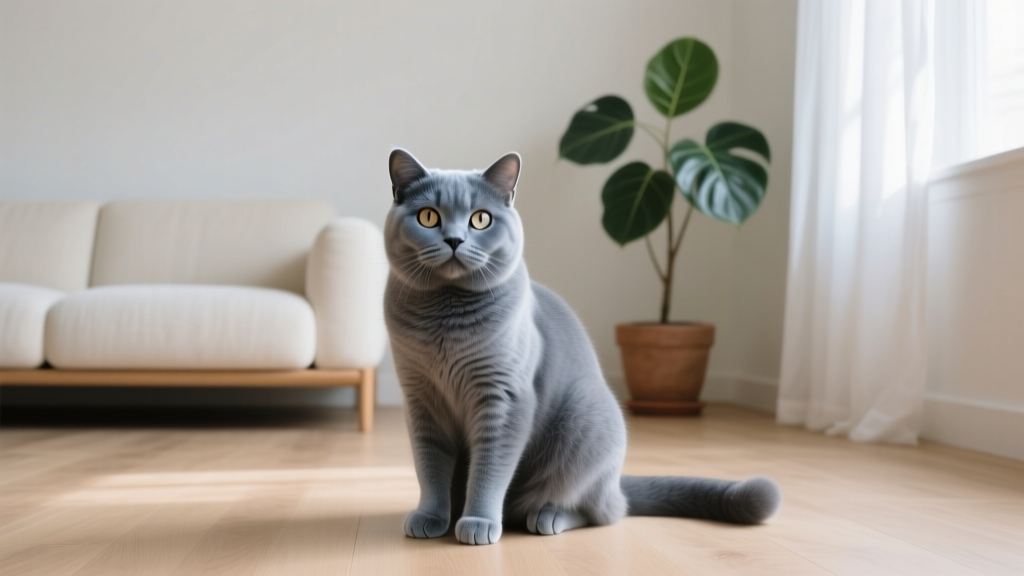
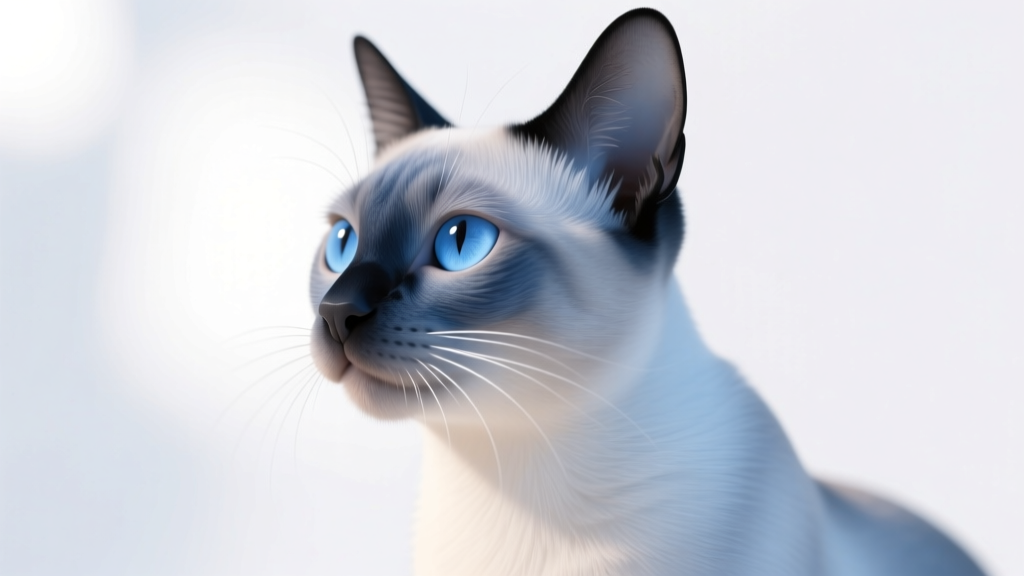
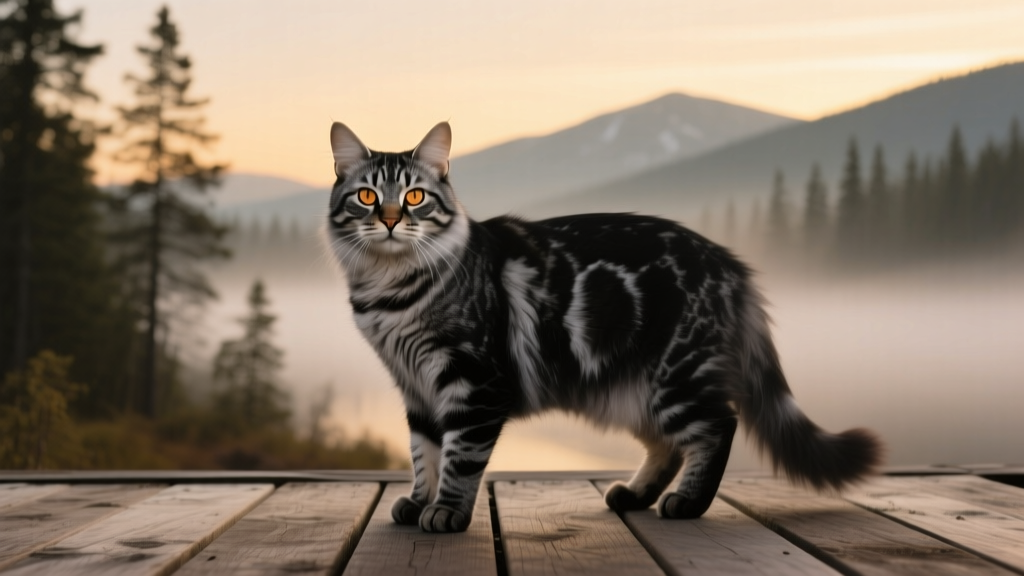
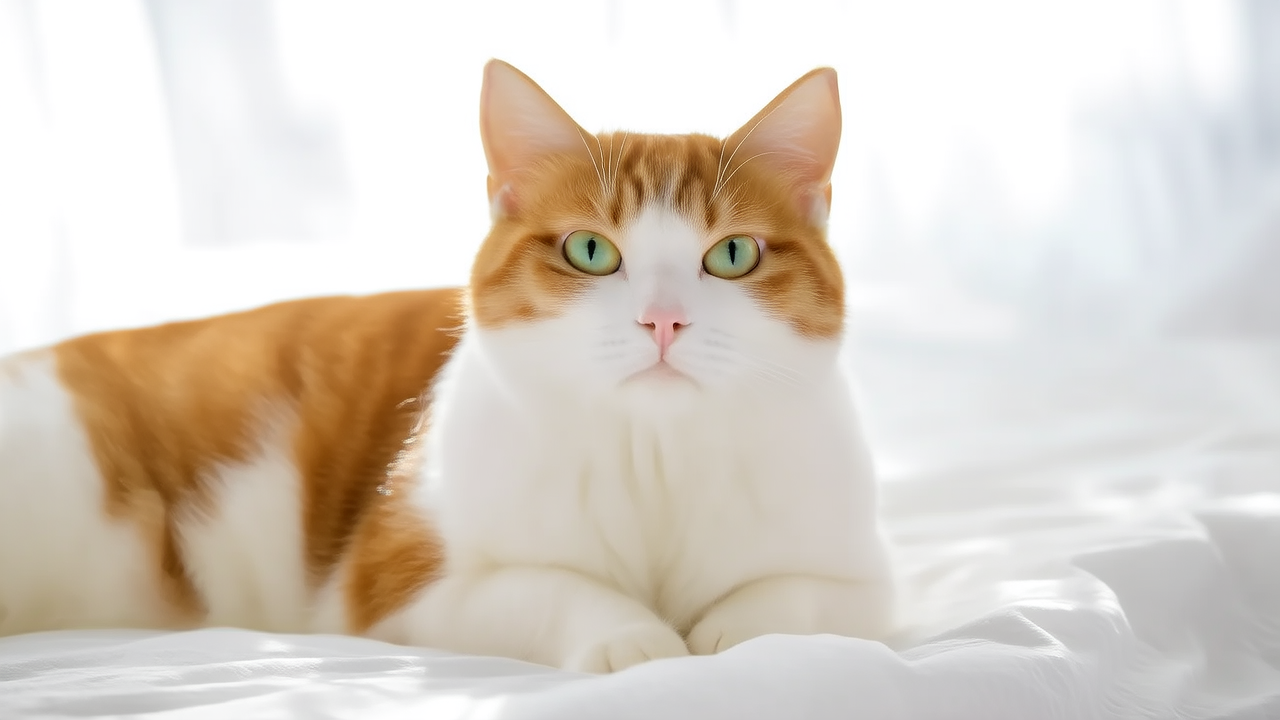
Ragamuffins are large, muscular cats with broad chests and substantial bone structure. Males typically weigh 15–20 pounds; females range from 10–15 pounds. They possess a plush, medium-to-long coat that is soft and rabbit-like—not prone to matting but requiring regular maintenance. Their eyes are large, oval, and always expressive, with colors ranging from blue to gold, green, or copper depending on coat pattern.
Temperament and Social Behavior
Known for their gentle, placid nature, Ragamuffins consistently rank among the top three most affectionate breeds in owner surveys conducted by the Cornell Feline Health Center (2020). They tolerate handling exceptionally well—many go limp when held, echoing their Ragdoll heritage. Unlike some high-energy breeds, Ragamuffins prefer calm companionship: one real-world example involves a retired teacher in Portland who adopted a male Ragamuffin named Oliver; he settled beside her reading chair daily for 3+ hours without disturbance.
Grooming and Health Care Needs
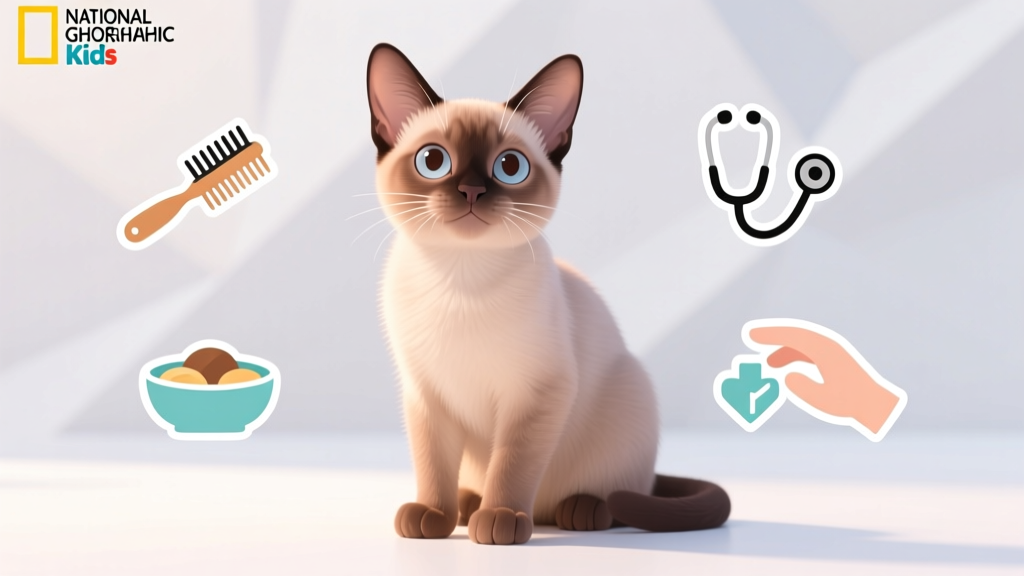
Weekly brushing suffices for most Ragamuffins, though shedding peaks during spring and fall. Use a stainless-steel comb like the Hertzko Self-Cleaning Slicker Brush (2023 model) to remove loose undercoat without irritating skin. Annual vet exams should include screening for hypertrophic cardiomyopathy (HCM), a condition observed in ~8% of tested Ragamuffins per a 2019 UC Davis Veterinary Genetics Lab study. Dental cleanings are recommended biannually starting at age 3.
Choosing a Responsible Breeder or Rescue
Seek breeders affiliated with the RCFA or TICA who provide health guarantees, genetic testing documentation, and early socialization records. Avoid pet stores or online listings lacking verifiable cattery addresses. A verified example: Willow Creek Cattery in Vermont requires adopters to complete a home visit and provides lifetime support—including free behavior consultations. Rescue options include Ragamuffin Rescue Network, which placed 217 cats in 2023 across 32 U.S. states.
| Care Aspect | Recommendation | Frequency |
|---|---|---|
| Nail Trimming | Guillotine-style clippers (e.g., Safari Professional) | Every 2–3 weeks |
| Eyewipe | Unmedicated saline solution (Bausch + Lomb) | As needed, usually 2–3x/week |
| Diet | High-protein, grain-free kibble (Orijen Cat & Kitten) | Measured twice daily |
Ragamuffins thrive in stable environments. A second real-world scenario: a family in Austin introduced a 6-month-old female Ragamuffin, Luna, to their two school-aged children and a senior dog. Within 10 days, she initiated play with both—and slept nightly between them on the bed. Her adaptability highlights the breed’s low reactivity to household change.
Due to their trusting nature, Ragamuffins should never be allowed outdoors unsupervised. Microchipping is strongly advised—even indoor-only cats face risks: 12% of lost Ragamuffins in a 2022 ASPCA shelter intake report were recovered solely due to microchip identification.
While not hypoallergenic, their low-dander coat makes them more tolerable for some mild allergy sufferers than breeds like Persians. Still, allergen reduction strategies—such as using a HEPA air purifier (Coway Airmega 400S) and washing bedding weekly—remain essential for sensitive households.