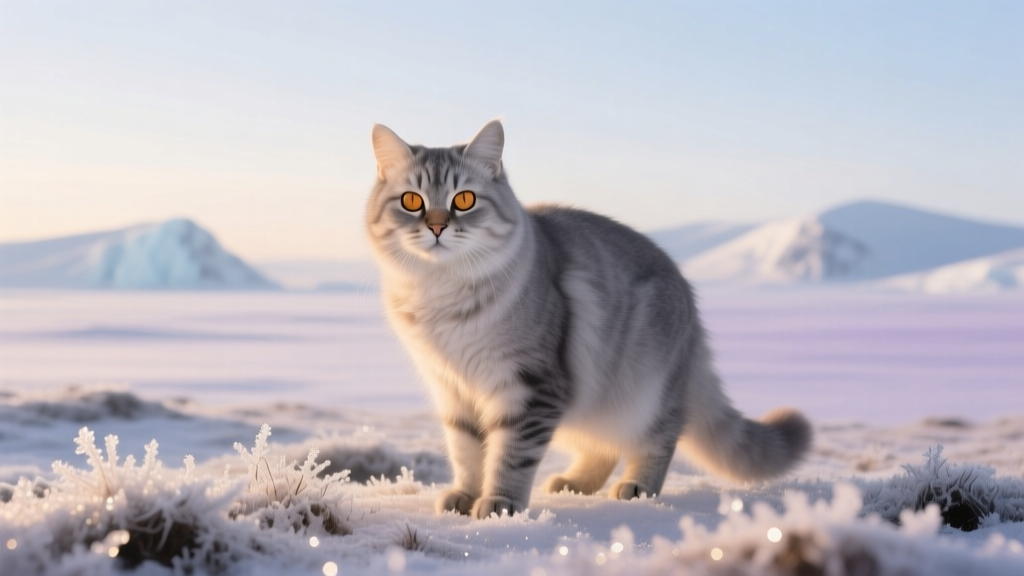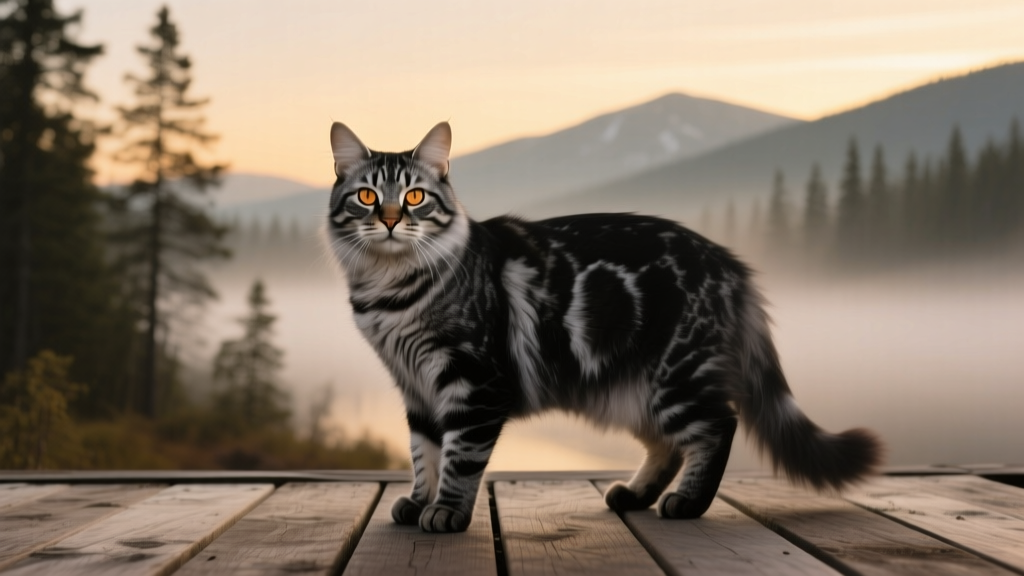
Northern Spotted: Canadian Breed Traits
If you’ve ever wished for a cat that looks like a tiny wild hunter but acts like a devoted house companion, the Northern Spotted will grab your heart fast. This Canadian-bred spotted cat is known for its crisp, high-contrast markings, athletic build, and an alert, curious nature that makes everyday life feel a little more adventurous.
Northern Spotteds tend to bond deeply with their people, follow household routines like they helped invent them, and turn ordinary playtime into a full-on “mini safari.” For cat enthusiasts, potential owners, and breed researchers, this guide covers the Northern Spotted’s background, traits, care needs, and what living with one is really like.
Quick clarity for researchers: the Northern Spotted is considered a rare, developing Canadian breed type rather than a widely standardized, globally recognized pedigree. You’ll see some variation from line to line, and breeder transparency (health testing, temperament goals, and documented ancestry) matters a lot.
Breed History and Origin
The Northern Spotted’s story is rooted in Canada’s love for hardy, people-friendly cats that can thrive in cooler climates and active homes. Breed fanciers in Canada began selectively pairing domestic cats with naturally occurring spotted coats (often found in barn cat and urban feral populations) with lines known for athleticism, strong immune resilience, and confident temperaments. The goal wasn’t to create a “wild hybrid,” but a domestic cat that carries a distinct spotted pattern and a sturdy, outdoorsy look while staying fully domestic in behavior.
Over time, careful selection emphasized:
- Clear spotting (not broken mackerel stripes)
- Medium-to-large, muscular frames with springy movement
- Thicker, weather-ready coats suited to Canadian seasons
- Confident, social temperaments that fit family life
Because the Northern Spotted remains rare and is still developing consistent type, you may find that different breeders describe their cats with slightly different emphasis (coat length, ear set, or overall size). If you’re researching the breed, ask for pedigree records, health screening results, and a clear explanation of what the breeder is selecting for.
Physical Characteristics
The Northern Spotted is best described as athletic and substantial—built for climbing, leaping, and prowling from perch to perch. Many have a “wildcat silhouette” (longer body, strong shoulders, powerful hindquarters) paired with a notably affectionate domestic personality.
| Trait | Typical Range / Description |
|---|---|
| Size | Medium to large |
| Weight | Approx. 8–15 lb (3.6–6.8 kg); males often larger |
| Build | Muscular, athletic, strong hindquarters, deep chest |
| Coat | Short to medium; dense with a plush, weather-ready feel |
| Coat Pattern | Spotted (rosettes may occur in some lines); spots preferred over stripes |
| Colors | Brown/black spotted tabby, silver spotted tabby, snow/cream-based spotted variants; some lines show charcoal tones |
| Eyes | Often gold, green, or hazel; bright and expressive |
| Distinctive Features | High-contrast spots, bold facial markings, thick tail, confident stance |
Coat, Colors, and Markings
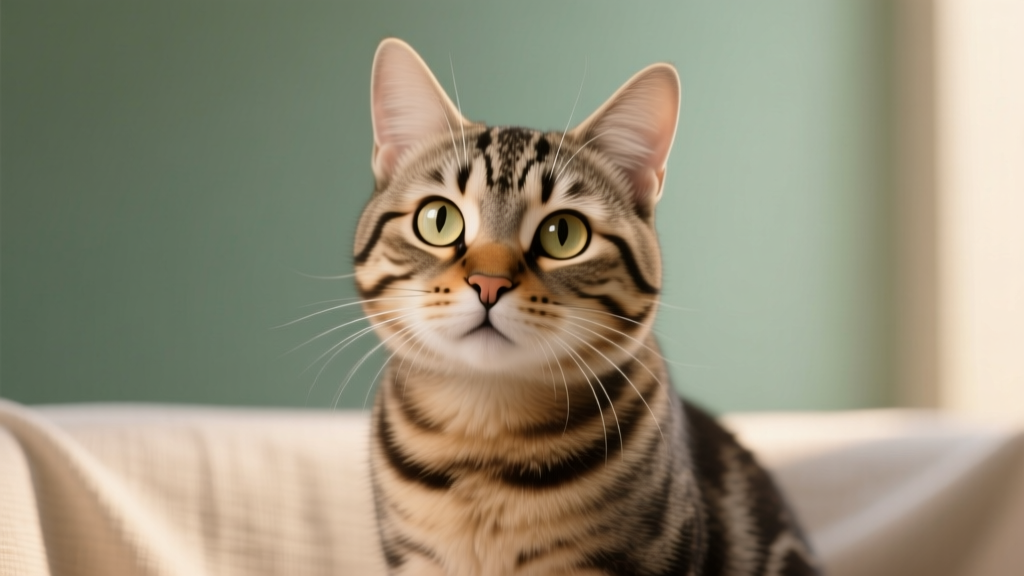
The Northern Spotted’s headline feature is, of course, the spotting. Ideal coats show distinct, separated spots rather than connected striping. Many also have:
- Facial “mascara” lines (darker markings from eyes toward the cheeks)
- Necklace markings (broken bands across the chest)
- Spotted legs and a ringed tail tip
Because this is a developing breed type, coat texture and density may vary. In Canadian climates, breeders often favor denser coats that feel plush and insulating.
Personality and Temperament Traits
Northern Spotteds are often described as people-focused explorers. They’re typically confident, curious, and happiest when they can be part of whatever you’re doing—whether that’s folding laundry, working from home, or attempting to cook dinner while they supervise from a nearby stool.
Common temperament traits include:
- Highly curious: likes to inspect bags, boxes, cupboards, and new visitors
- Play-driven: thrives on wand toys, chase games, and puzzle feeders
- Social and bonded: often chooses a “favorite person” but enjoys the whole household
- Vocal in moderation: many are chatty with trills and “question meows,” not constant yowling
- Smart and trainable: frequently learns cues, routines, and even leash walking
If you’re looking for a lap cat who sleeps all day, the Northern Spotted may surprise you. They do love affection—many will happily cuddle—but they also need daily activity and mental engagement. When they get that, they’re delightful roommates: confident, funny, and emotionally tuned in.
Health Considerations and Common Issues
Because Northern Spotteds are rare and not uniformly standardized, the best health predictions come from breeder practices and the genetic diversity within a line. Many developing Canadian lines aim for robust health by avoiding extreme traits and maintaining careful outcrossing strategies.
That said, any medium-to-large, athletic domestic cat can be prone to certain issues. Ask breeders and veterinarians about:
- Dental disease: tartar buildup and gingivitis can appear without routine dental care
- Obesity risk: very food-motivated individuals can gain weight if play drops off
- Joint strain: active jumpers benefit from weight management and safe climbing setups
- Heart screening: consider periodic vet checks; ask breeders if they do cardiac evaluations in their lines
- Allergies/skin sensitivity: some cats (any breed) can develop food or environmental sensitivities
Practical health checklist when choosing a kitten:
- Written health guarantee and return policy
- Vaccination and deworming records
- Proof of veterinary exams for the litter
- Clear description of any health testing done in the breeding cats
- Temperament notes—confident kittens tend to adapt best
Care Requirements (Grooming, Exercise, Diet)
Grooming
The Northern Spotted’s coat is generally easy-care, but that plush density can hold shed hair—especially during seasonal changes.
- Brushing: 1–2 times per week (more during spring/fall shed)
- Nails: trim every 2–4 weeks
- Ears: check weekly; clean only if your vet recommends it
- Teeth: brush several times a week if possible; dental treats are not a replacement for brushing
Exercise and Enrichment
This is an athletic spotted cat—plan for an environment that supports safe movement and hunting-style play. A bored Northern Spotted can become a “redecorator” (knocking items down counts as a hobby).
Great enrichment ideas:
- Vertical territory: cat trees, wall shelves, sturdy window perches
- Interactive play: 10–20 minutes daily with wand toys, plus short mini-sessions
- Food puzzles: slow feeders and treat balls to engage the brain
- Clicker training: sit, touch, target, crate comfort
- Leash training: many do well if introduced gradually and positively
Diet
Northern Spotteds tend to do best on a high-protein, portion-controlled diet that supports lean muscle. Many owners use a mix of wet and dry food for hydration and convenience.
- Protein-forward meals help active cats maintain muscle
- Measured portions prevent gradual weight creep
- Fresh water access (fountains can encourage drinking)
- Treat discipline: use treats for training, not free snacking
For breed researchers tracking development, diet can affect coat sheen and body condition, which may influence how “typey” a cat appears in photos—so it’s worth noting feeding practices when comparing lines.
Compatibility with Families, Children, and Other Pets
With proper socialization, the Northern Spotted is often a wonderful choice for busy homes. Their social confidence and playful nature can be a great match for families who want a cat that participates in daily life.
- Families: Often thrives with routine, interaction, and multiple “favorite spots” around the home.
- Children: Usually does well with respectful kids who understand gentle handling and play boundaries.
- Dogs: Frequently compatible with calm, cat-savvy dogs; introductions should be slow and structured.
- Other cats: Many enjoy feline company, especially another playful cat with similar energy.
Because this is an active, curious breed type, they’re generally happiest in homes that provide space to climb and people who enjoy interactive play. If you work long hours, consider a second cat companion or a daily enrichment routine that keeps them mentally satisfied.
Pros and Cons of Owning a Northern Spotted
| Pros | Cons |
|---|---|
| Striking spotted coat and “wild look” in a domestic companion | Needs daily play and mental stimulation; boredom can lead to mischief |
| Confident, social personality; often bonds strongly with people | Rarity can mean limited availability and long waitlists |
| Smart and trainable; many enjoy clicker training or leash walks | Variation between lines; you must research breeders carefully |
| Generally easy grooming with a short-to-medium coat | Can be food-motivated; weight management may be needed |
| Typically adaptable to families and multi-pet homes (with proper intros) | Active climber/jumper; home may need “cat-proofing” and safe vertical spaces |
FAQ: Northern Spotted Cats
Is the Northern Spotted an officially recognized pedigree breed?
The Northern Spotted is best described as a rare, developing Canadian breed type. Recognition can vary by registry and region, and many lines are still working toward consistent standards. If formal registration matters to you, ask the breeder which registries (if any) their cats are recorded with and what documentation is provided.
How big do Northern Spotted cats get?
Most are medium to large, commonly around 8–15 lb (3.6–6.8 kg). Males are often larger, with a muscular, athletic build rather than a stocky look.
Do Northern Spotteds shed a lot?
They can shed moderately, especially during seasonal coat changes. A quick brush once or twice a week usually keeps shedding manageable and helps maintain that sleek, glossy spotted coat.
Are Northern Spotted cats good for first-time owners?
They can be, as long as the household enjoys an interactive, playful cat. First-time owners who want a calm, low-energy companion might find a Northern Spotted more energetic than expected.
Do they get along with dogs?
Many do well with cat-friendly dogs, especially when introduced slowly and given plenty of vertical escape routes. Confident, social lines often adapt nicely to respectful canine roommates.
How do I find a responsible Northern Spotted breeder in Canada?
Look for breeders who provide veterinary records, clear contracts, transparent health practices, and who ask you questions too. Responsible breeders will gladly discuss temperament goals, how kittens are socialized, and what support they offer after adoption.
A Warm Signoff for Future Northern Spotted Families
The Northern Spotted brings together that eye-catching spotted “northern wild” aesthetic with a lively, affectionate personality that fits beautifully into engaged homes. If you love interactive play, clever companionship, and a cat who looks like they belong in a nature documentary (but chooses your couch instead), this Canadian spotted cat may feel like the perfect match.
If you’re still exploring, keep browsing and learning—there’s always another wonderful feline personality waiting to be discovered. Visit catloversbase.com to explore more breed profiles and find the cat that fits your life best.