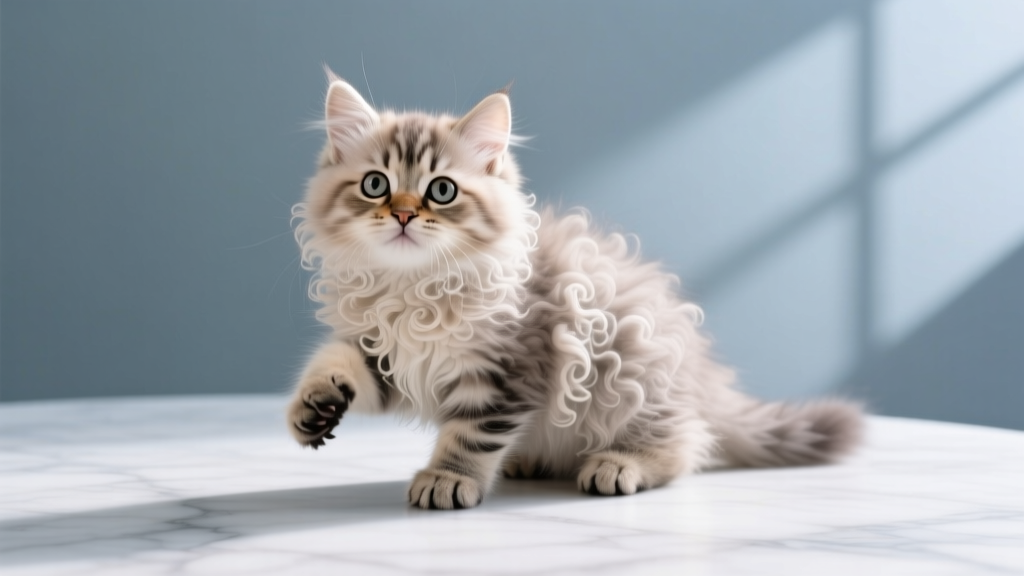
Lambkin: Munchkin Meets Selkirk Rex
If you’ve ever wished for a cat that looks like a tiny, curly-coated sheep—yet acts like a playful, people-loving companion—the Lambkin might be the breed that steals your heart. This rare “designer” cat is exactly what it sounds like: a delightful blend of the short-legged Munchkin and the famously plush, curly Selkirk Rex. The result is a compact kitty with a teddy-bear body, soft curls, and a knack for turning everyday life into a game.
Lambkins are still uncommon, and that rarity adds to their mystique. But what makes them memorable isn’t just their looks—it’s their personality. Many Lambkin cats are affectionate, curious, and happily social, following their people from room to room and “helping” with everything from laptop work to laundry folding.
If you’re researching the Lambkin cat breed because you’re considering one, or you’re simply fascinated by unusual feline genetics, you’re in the right place. Let’s get cozy with this curly, short-legged charmer.
Breed History and Origin
The Lambkin is a relatively new and rare cat breed that developed from crossing two distinctive breeds:
- Munchkin (known for shortened legs caused by a natural genetic mutation)
- Selkirk Rex (known for a thick, plush coat that can be curly due to a dominant rex gene)
The goal of the Lambkin breeding program was to create a cat with the Munchkin’s endearing low-to-the-ground stature and the Selkirk Rex’s signature curls and cuddle-worthy coat. The name “Lambkin” fits perfectly—many individuals have a springy, wool-like coat that truly resembles a little lamb.
Because the Lambkin is a specialty hybrid and still developing as a consistent “type,” you may see variation from cat to cat. Some kittens inherit shorter legs, some inherit the curly coat, some inherit both, and some may show a straighter coat (especially when very young). Reputable breeders focus on healthy structure, good temperament, and careful genetic planning.
| Quick Origin Snapshot | Details |
|---|---|
| Breed type | Hybrid (Munchkin × Selkirk Rex) |
| Known for | Short legs + curly/plush coat |
| Rarity | Uncommon/rare |
| Development | Modern breed, still variable in appearance |
Physical Characteristics
The Lambkin cat is often described as “compact,” “cobby,” and “adorably plush.” Many have the Selkirk Rex’s roundness—round head, round eyes, and a soft, substantial body—paired with the Munchkin’s shortened legs.
Size and Weight
| Trait | Typical Range |
|---|---|
| Size | Small to medium |
| Adult weight | Approx. 5–9 lbs (some may be slightly heavier depending on build) |
| Build | Cobby to moderate; sturdy, plush-bodied |
Coat Type and Texture
The Lambkin’s coat is where the magic happens. Many Lambkins inherit the Selkirk Rex’s dense, soft, “tousled” curls. You may see:
- Curly coat: Loose waves to defined ringlets, often with a plush, velvety feel
- Straighter coat: Some Lambkins may have less curl, especially as kittens (coat can change as they mature)
- Shorthair or longhair: Both lengths exist; longhair Lambkins can look extra fluffy and lamb-like
Colors and Patterns
Because both Munchkin and Selkirk Rex lines come in a wide range of colors, Lambkins can appear in many coat colors and patterns, including:
- Solid, bicolor, and tricolor
- Tabby (classic, mackerel, spotted)
- Tortoiseshell and calico
- Colorpoint patterns (depending on lineage)
Distinctive Features
- Short legs: The hallmark of the Munchkin influence—front legs may appear slightly shorter than the back
- Round, expressive eyes: Often giving a sweet “forever-kitten” look
- Plush curls: The Selkirk Rex signature, sometimes extending to curly whiskers
- Low-to-the-ground stance: Compact and sturdy rather than delicate
Personality and Temperament Traits
Lambkins tend to be charming little extroverts. While every cat is an individual, many Lambkin cats share a blend of traits commonly associated with their parent breeds: playful, people-oriented, and affectionate without being overly demanding.
Common Lambkin personality highlights:
- Friendly and social: Often happy to greet visitors and be involved in household activity
- Playful well into adulthood: Expect a cat who still wants wand-toy time at age five
- Gentle affection: Many enjoy lap time, couch cuddles, and sleeping near their favorite human
- Curious and bright: They may learn routines quickly and enjoy puzzle feeders
- Adaptable: With good socialization, they often settle into new environments smoothly
Because they’re people-focused, Lambkins can become bored if left alone with no enrichment. If your schedule is packed, consider providing interactive toys, cat trees, window perches, or even a compatible pet companion.
Health Considerations and Common Issues
Lambkins can be healthy cats, but prospective owners should understand the health topics connected to the breed’s defining traits—especially the shortened legs from the Munchkin side and the coat genetics from the Selkirk Rex side.
Potential Health Concerns
- Spinal and skeletal issues: Short-legged breeds can be more prone to certain musculoskeletal stresses. Good breeders prioritize sound structure and avoid extreme traits.
- Arthritis or joint discomfort: Not guaranteed, but a concern to watch as cats age—maintaining a healthy weight is key.
- Lordosis: A spinal curvature condition reported in some Munchkin lines; responsible breeding aims to reduce risk.
- Pectus excavatum: A chest wall deformity that can occur in various breeds; rare but worth discussing with a breeder.
- Skin/coat issues: Rex-type coats can sometimes be associated with oilier skin or mild dandruff if grooming is neglected.
Healthy-breed best practice: Seek breeders who are transparent about veterinary care, provide health records, and can discuss how they select breeding cats for strong mobility and overall wellness. A Lambkin should be able to run, play, and climb confidently—even if their legs are shorter.
Vet Care and Longevity
With quality care—good nutrition, dental attention, indoor safety, and routine vet visits—many Lambkins can enjoy a lifespan similar to other domestic cats (often into the teens). Individual longevity depends on genetics and lifestyle.
Care Requirements (Grooming, Exercise, Diet)
Grooming
The Lambkin’s coat care depends on whether your cat leans more curly and long, or plush and short. Curly coats can mat if neglected, but the grooming routine is very doable once you get into a rhythm.
- Brushing: 2–3 times per week for most; more for longer coats or during shedding seasons
- Gentle tools: A wide-tooth comb and a soft slicker can help prevent tangles without pulling curls apart
- Bathing (optional): Occasionally helpful if the coat gets oily; use cat-safe shampoo and keep it stress-free
- Ears and nails: Check ears weekly, trim nails every 2–4 weeks
- Dental care: Brush teeth if possible, or use vet-approved dental support (treats/water additives as recommended)
Exercise and Enrichment
Short legs don’t mean low energy. Many Lambkin cats are surprisingly athletic—just with a slightly different “geometry” when they jump and climb.
- Daily play: 15–20 minutes of active play (wand toys, chase games) is a great baseline
- Climbing options: Provide ramps, step-style shelves, or cat trees with easy platforms
- Puzzle feeders: Great for mental stimulation and slowing down fast eaters
- Window time: A perch by a window can be Lambkin entertainment for hours
Diet
Lambkins thrive on a high-quality, protein-forward diet appropriate for their life stage (kitten, adult, senior). Because excess weight can put extra strain on joints and the spine, portion control matters.
- Measure meals: Avoid free-feeding if your cat gains weight easily
- Prioritize lean body condition: You should be able to feel ribs with light pressure
- Hydration support: Consider a cat water fountain and moisture-rich foods (wet or mixed feeding, as advised by your vet)
Compatibility with Families, Children, and Other Pets
The Lambkin is often a wonderful family cat when matched thoughtfully to the home. Their friendly, playful nature can make them a great fit for households that enjoy interacting with their pets.
- With children: Typically good with respectful kids who understand gentle handling. Because Lambkins are small and low to the ground, teach children to avoid picking them up awkwardly.
- With other cats: Often social and adaptable, especially when introductions are slow and positive.
- With dogs: Can do well with calm, cat-savvy dogs. Use gradual introductions and provide safe escape routes and vertical space.
If you want a Lambkin that’s especially confident with busy family life, look for a kitten (or adult) that has been well-socialized in a home environment, not isolated.
Pros and Cons of Owning This Breed
| Pros | Cons |
|---|---|
|
|
FAQ: Lambkin Cats
Are Lambkin cats hypoallergenic?
No cat breed is truly hypoallergenic. Lambkins may shed differently depending on coat type, but they still produce allergens (especially in saliva and skin dander). If allergies are a concern, spend time with the breed first and talk with your doctor.
Do Lambkin cats have trouble jumping because of their short legs?
Many Lambkins can jump and climb well, but they may not leap as high as long-legged cats. Providing step-like climbing routes (ramps, tiered shelves, easy-access cat trees) helps them move confidently and safely.
How much grooming does a Lambkin need?
Plan on brushing 2–3 times per week as a general rule, with more frequent grooming for longer coats or cats prone to matting. Gentle combing helps keep curls tidy and comfortable.
Are Lambkin cats recognized by major cat associations?
Recognition varies by organization, and because the Lambkin is rare and still developing, it may not be accepted everywhere as a standardized breed. If showing is important to you, check current registry rules before committing.
Do Lambkin kittens stay curly?
Coat development can change as kittens grow. Some kittens may look less curly at certain stages and develop more defined curls later, while others remain plush with looser waves. Ask breeders about expected coat type based on lineage.
What’s the best home setup for a Lambkin?
An indoor home with plenty of enrichment is ideal: cozy beds, scratching posts, interactive toys, puzzle feeders, and climbing options designed with shorter legs in mind (more steps, fewer giant leaps).
A Warm Wrap-Up
The Lambkin cat breed is a heart-melting mix of whimsy and companionship: a small-to-medium, short-legged charmer wrapped in a curly Selkirk Rex-style coat. They’re often affectionate, playful, and social—perfect for cat lovers who want a pet that feels like a cheerful little sidekick.
If you’re considering a Lambkin, take your time finding a responsible breeder, ask detailed health and temperament questions, and set your home up for safe climbing and daily play. Do that, and you’ll likely end up with a curly-coated best friend who brings smiles for years.
Want to meet more amazing cats—rare breeds, classic favorites, and everything in between? Explore more breed profiles on catloversbase.com.