Suphalak: Solid Chestnut Thai Ancient Breed
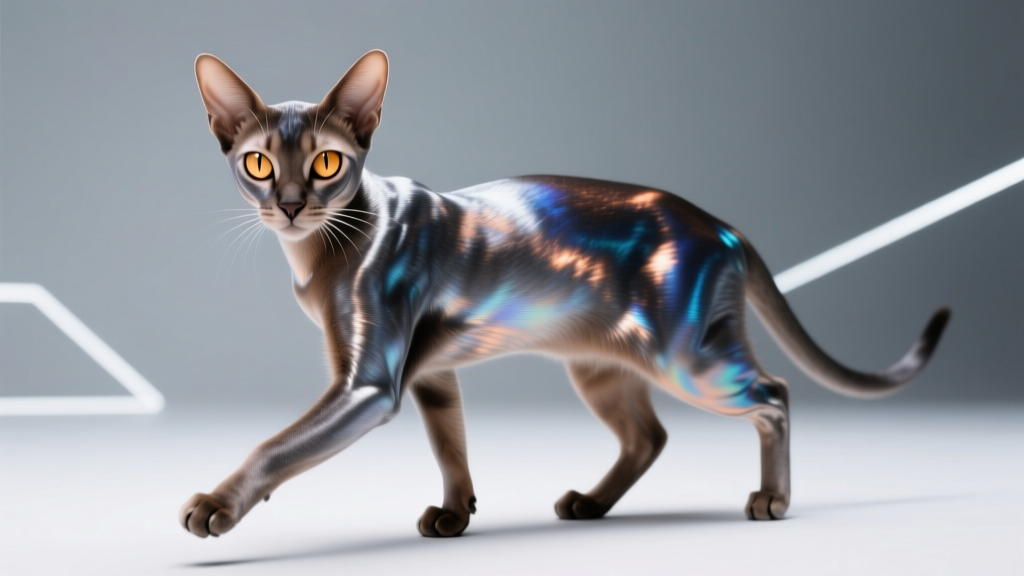
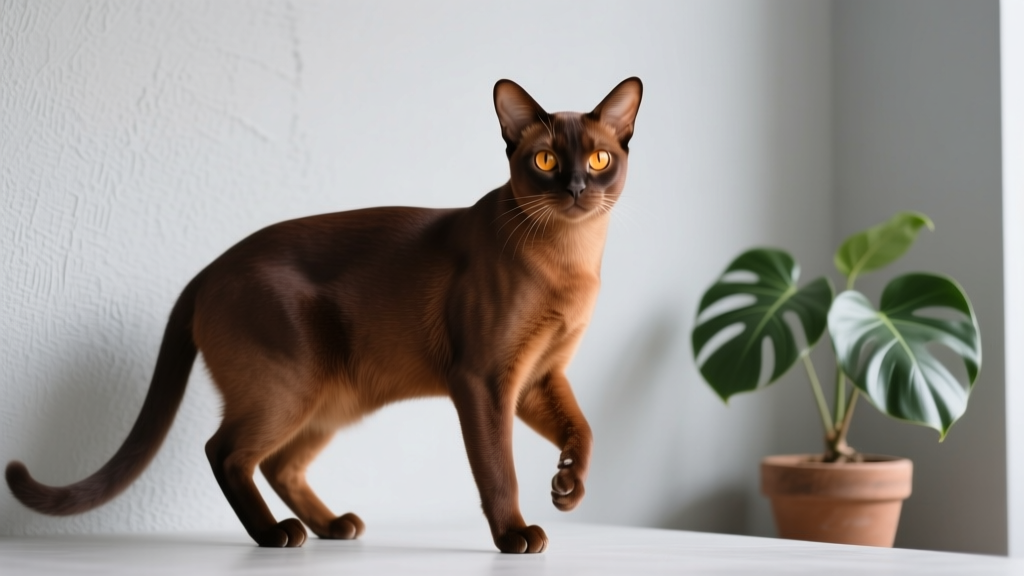
If you’ve ever wished for a cat that looks like it stepped out of an ancient manuscript—sleek, rare, and glowing in a warm, coppery coat—the Suphalak is going to steal your heart. This Thai ancient breed is famous for one thing above all: a solid, rich chestnut-brown coat that can look like polished mahogany in the light. Add expressive eyes, a graceful build, and a people-focused personality, and you’ve got one of the most intriguing feline gems in the cat world.
The Suphalak isn’t a breed you stumble across every day. It’s considered rare, and much of its modern story involves dedicated preservation—especially within Thailand, where its legend has been cherished for generations. For cat enthusiasts, breed researchers, and would-be owners who love something uncommon (and meaningful), the Suphalak is a fascinating blend of history, beauty, and companionship.
Let’s explore what makes the Suphalak cat so special—from its ancient Thai roots to daily care, temperament, and whether this solid chestnut companion fits your home.
Breed History and Origin
The Suphalak is an ancient Thai cat breed associated with historic Thai cat lore. In Thailand, traditional cats were documented in old texts and poems, often called cat books or “cat poems,” where certain cats were described as bringing luck, prosperity, or protection. The Suphalak is linked with descriptions of a coppery-brown, solid-colored cat—a striking contrast to the more widely recognized Siamese-style pointed cats.
Historically, Thai cats were not “breeds” in the modern Western registry sense. They were types, treasured in homes and royal circles, identified by coat color, pattern, and perceived auspicious traits. The Suphalak is believed to represent one of these revered traditional varieties.
In modern times, enthusiasts have worked to preserve and re-establish the Suphalak type, aiming for the breed’s hallmark: a uniform chestnut coat without markings. Because the gene pool is small and authentic examples are uncommon outside Thailand, Suphalak cats remain rare internationally. Depending on location and registry, recognition and availability can vary significantly—so anyone seeking a Suphalak should expect a careful search, thorough documentation, and a responsible breeder or preservation program.
Physical Characteristics
The Suphalak is a medium-sized cat with a refined, athletic look—very much in line with other Thai breeds, yet visually unique because of its color. They tend to be supple, muscular, and elegant rather than bulky.
| Feature | Suphalak Traits |
|---|---|
| Size | Medium |
| Typical weight | Approx. 6–10 lb (2.7–4.5 kg), males often larger |
| Body type | Athletic, toned, smooth lines |
| Coat length | Short, close-lying |
| Coat texture | Fine to silky, glossy |
| Color | Solid chestnut/copper-brown (even tone preferred) |
| Eyes | Often described as bright and expressive; eye color can vary by lines |
| Distinctive look | Uniform brown coat with a warm sheen; elegant Thai-type build |
Coat and Color: The Signature Solid Chestnut
The Suphalak’s headline feature is its solid chestnut-brown coat. Ideally, the color is even from nose to tail, without tabby striping, white patches, or shading. Some lines may show slight tonal variation due to genetics, age, sunlight, or seasonal coat changes, but breed preservation focuses on that classic uniform copper-brown appearance.
- Coat maintenance: Easy—short and sleek
- Visual impact: High—especially in natural light where the coat can glow
- Markings: Ideally none (solid color is the goal)
Head, Ears, and Overall Expression
Suphalaks typically have a balanced, alert expression—ears that look ready to catch every sound, and a face that reads intelligent and engaged. The overall impression is “athletic elegance,” not extreme features.
Personality and Temperament Traits
If you’re drawn to Thai cats for their people-oriented nature, the Suphalak is likely to be a great match. While individual personality varies (and early socialization matters hugely), Suphalaks are often described as:
- Affectionate: They enjoy closeness and will often choose a favorite person—then still share love with everyone else.
- Interactive: Expect a cat that wants to be involved, whether you’re cooking, working, or opening a package.
- Smart and curious: Puzzle toys, training, and exploration are usually big hits.
- Confident: Many do well in active homes when introduced thoughtfully.
- Communicative: Thai breeds can be chatty; the Suphalak may “talk” with you, especially when seeking attention.
This is the kind of cat who doesn’t just live in your home—they participate in it. If you want a quiet, independent cat who keeps to themselves, the Suphalak may feel a little too socially ambitious.
Health Considerations and Common Issues
Because Suphalaks are rare and breeding populations can be limited, the most responsible programs focus on health, genetic diversity, and temperament. There isn’t one universally public, breed-specific list of conditions that applies to every Suphalak line worldwide, but there are smart, practical health considerations to keep in mind—especially for Thai-type cats and rare breeds with smaller gene pools.
Potential Health Concerns
- Dental health: Like many cats, they can be prone to tartar buildup or gingivitis without routine care.
- Weight management: Their athletic look can hide gradual weight gain—portion control matters.
- Hereditary risks in small populations: In rare breeds, limited gene pools can increase the chance of inherited issues if breeding isn’t carefully planned.
Recommended Preventive Care
- Annual (or twice-yearly for seniors) veterinary exams
- Routine dental checks; brushing if your cat tolerates it
- Vaccinations and parasite prevention based on your vet’s guidance
- Baseline bloodwork in adulthood to track long-term health trends
If you’re working with a breeder, ask for veterinary records, details on the breeding program’s health practices, and what screening is performed. With rare breeds like the Suphalak, transparency is a big green flag.
Care Requirements (Grooming, Exercise, Diet)
The Suphalak’s short coat and athletic nature make daily care pretty straightforward—though this isn’t a “set it and forget it” cat emotionally. They thrive on interaction.
Grooming
- Brushing: Once weekly is usually plenty; it helps remove loose hair and boosts coat shine.
- Bathing: Rarely needed unless they get into something messy.
- Nails: Trim every 2–4 weeks, depending on growth and scratching habits.
- Ears and eyes: Check weekly; gently clean if needed (use vet-approved products).
Exercise and Enrichment
Suphalaks typically enjoy movement and mental challenges. A bored Suphalak may invent their own fun—often involving cabinets, climbing, or “helping” you work.
- Daily play: 15–30 minutes total, split into a couple of sessions
- Climbing: Cat trees, shelves, or window perches
- Hunting-style games: Wand toys, soft kickers, treat hunts
- Training: Many will learn sit, high-five, or harness skills with patience
Diet
Feed for lean muscle and steady energy. There’s no special “Suphalak-only” diet, but quality matters.
- High-quality protein: A meat-forward diet supports their athletic build.
- Portion control: Use measured meals rather than free-feeding if weight creeps up.
- Hydration: Consider a cat water fountain; wet food can also boost water intake.
- Treats: Keep them modest—great for training, but easy to overdo.
Compatibility with Families, Children, and Other Pets
The Suphalak’s social, affectionate vibe can make them a wonderful family cat—when introductions are done with care.
With Children
They often do well with respectful kids who understand gentle handling. Teach children:
- How to pet without grabbing
- Not to disturb a cat who’s eating or resting
- How to play using toys (not hands)
With Other Cats
Suphalaks can enjoy feline company, especially if they’re introduced slowly and have enough resources (litter boxes, food stations, vertical space). A confident, friendly resident cat can be a great match.
With Dogs
Many Thai-type cats can coexist nicely with cat-savvy dogs. The key is a gradual introduction, dog training, and giving the Suphalak escape routes and high perches.
Pros and Cons of Owning a Suphalak
| Pros | Cons |
|---|---|
| Stunning solid chestnut-brown coat—truly distinctive | Very rare; finding a reputable source can take time |
| Affectionate, people-focused companion | May dislike being left alone for long hours |
| Smart and playful; often enjoys training and puzzles | Needs daily enrichment to avoid boredom |
| Short coat with relatively easy grooming | Rarity can mean higher cost and limited availability |
| Great fit for interactive homes and devoted cat lovers | Not ideal if you want a low-interaction, ultra-independent cat |
FAQ: Suphalak Cat Breed
Is the Suphalak a real Thai ancient breed?
The Suphalak is associated with traditional Thai cat lore describing a solid copper-brown cat. Modern efforts focus on preserving and re-establishing this historic type. Because it’s rare, availability and recognition can vary by organization and region.
What color is a Suphalak cat?
The breed is known for a solid chestnut/copper-brown coat. The ideal Suphalak has an even, uniform tone with no white patches or tabby striping.
How rare is the Suphalak?
Very rare, especially outside Thailand. If you see “Suphalak kittens” advertised, ask careful questions about lineage, documentation, and the breeder’s goals—rarity can attract misleading listings.
Are Suphalak cats good pets for first-time owners?
They can be, as long as you want an interactive cat and you’re prepared to provide daily play, attention, and enrichment. If you’re away from home often, consider adopting two cats or choosing a more independent breed.
Do Suphalaks need a lot of grooming?
No—weekly brushing is typically enough. Their short coat is easy to maintain, and regular nail trims and dental care matter more than intensive coat work.
Are Suphalak cats hypoallergenic?
No cat breed is truly hypoallergenic, and Suphalaks are no exception. If allergies are a concern, spend time with similar short-haired cats and talk with your doctor before committing.
A Warm Goodbye (for Now)
The Suphalak is the kind of cat that makes people stop and stare—not only because of that breathtaking solid chestnut coat, but because their presence feels personal. They’re bright, affectionate, and often happiest when they’re included in the everyday rhythm of your home. For the right person or family, a Suphalak isn’t just a rare Thai breed—it’s a once-in-a-lifetime companion with roots in a beautiful feline tradition.
Curious about more amazing cats from around the world? Explore more breed profiles on catloversbase.com and find the perfect match for your cat-loving heart.