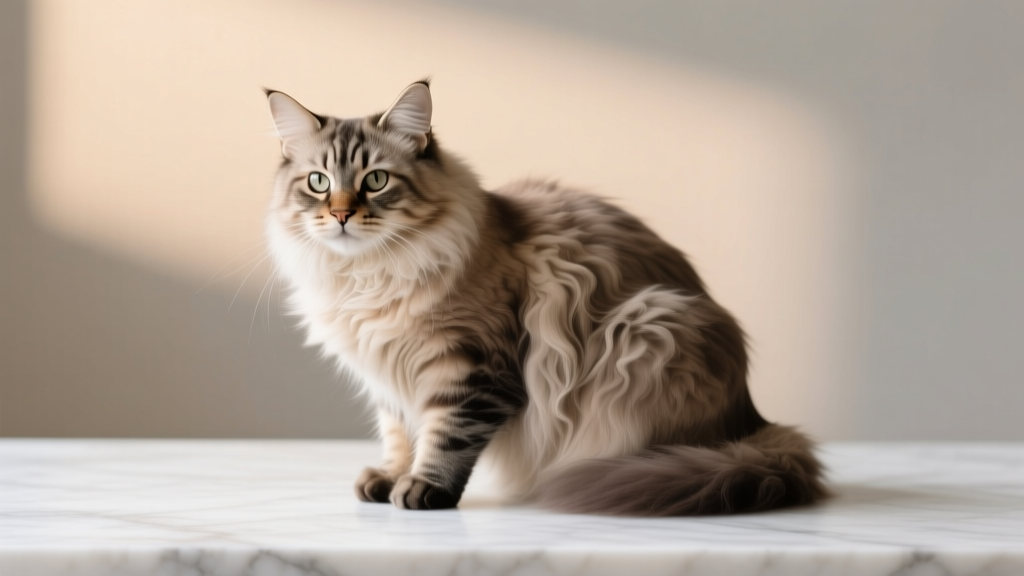
Persian Cat Grooming: Daily Care Essentials
Breed Origins and Recognition
The Persian cat traces its roots to Persia (modern-day Iran), with documented importation to Europe beginning in the 17th century. Italian traveler Pietro della Valle brought the first known Persians to Italy in 1620 (CFA, 2021). The breed was formally recognized by the Cat Fanciers’ Association (CFA) in 1906 and standardized in the U.S. by the 1950s. Its iconic flat face and long coat were intensified through selective breeding—especially after the 1950s, when the 'peke-faced' variant emerged.
Temperament and Household Fit
Persians are renowned for their calm, gentle disposition. They prefer quiet environments and form strong bonds with consistent caregivers. Unlike highly active breeds like Bengals, Persians average just 3–4 hours of light activity per day (ISFM, 2022). A real-world example: Sarah, a remote worker in Portland, adopted a 2-year-old Persian named Mochi; his low-energy routine aligned perfectly with her home office schedule—no destructive scratching or vocal demands during video calls.
Daily Grooming Non-Negotiables
Unlike shorthaired breeds, Persians require daily brushing to prevent mats and reduce hair ingestion. Use a stainless-steel comb (e.g., Andis Premium Slicker Brush) followed by a wide-toothed metal comb. Tear staining is common due to shallow tear ducts—wipe eyes twice daily with saline-soaked gauze (not cotton swabs). The CFA recommends trimming facial hair weekly to keep nostrils and eyes unobstructed.
Weekly and Monthly Routines
Bathing should occur every 4–6 weeks using pH-balanced cat shampoo like Earthbath Ultra-Mild Shampoo. Nail trims are needed every 10–14 days; overgrown nails can curl into paw pads. Ear cleaning with Vetericyn Plus Antimicrobial Ear Rinse is advised biweekly. One owner in Austin reported that skipping even two consecutive brushing sessions led to a severe mat behind her Persian’s ears—requiring professional dematting at $120.
Health Considerations Linked to Grooming
Persians have a higher incidence of brachycephalic airway syndrome (BAS), affecting ~38% of show-line cats (Journal of Feline Medicine and Surgery, 2020). Excessive facial folds trap moisture, increasing risk of dermatitis. Regular cleaning reduces bacterial load. Also, their dense undercoat sheds year-round—not seasonally—so vacuuming with a Dyson V11 Animal (HEPA-filtered) is recommended at least 3x/week. Annual veterinary dental exams are critical: 65% of Persians develop periodontal disease by age 5 without preventive care (AVMA, 2023).
| Task | Frequency | Recommended Tool/Brand |
|---|---|---|
| Eye Wiping | Twice daily | Saline solution + sterile gauze |
| Brushing | Daily | Andis Premium Slicker Brush |
| Bathing | Every 4–6 weeks | Earthbath Ultra-Mild Shampoo |
| Nail Trimming | Every 10–14 days | Safari Professional Nail Trimmer |
| Ear Cleaning | Biweekly | Vetericyn Plus Antimicrobial Ear Rinse |
Persians thrive with predictable, gentle handling. Their grooming needs aren’t optional—they’re foundational to health. Owners who underestimate time commitment often face vet bills for skin infections or gastrointestinal obstructions from hairballs. Start grooming early: kittens introduced to brushing by 12 weeks adapt more readily. Always reward with treats like Greenies Feline Dental Treats to build positive association.
If you live in a high-humidity climate like Miami or work irregular hours, consider enlisting a certified feline groomer every 8–12 weeks. Certified professionals use hypoallergenic products and assess for hidden matting—especially near the hindquarters and tail base, where 72% of severe tangles originate (National Cat Groomers Institute of America, 2021).
Choosing a Persian means committing to hands-on care. Reputable breeders provide written grooming schedules and health clearances—including PKD (polycystic kidney disease) screening, which affects up to 38% of untested lines (CFA Breeder Standards, 2023). Avoid pet-store or online sellers lacking genetic testing documentation. When visiting catteries, observe whether adult cats have clean faces, open eyes, and no visible tear staining—a sign of attentive daily care.