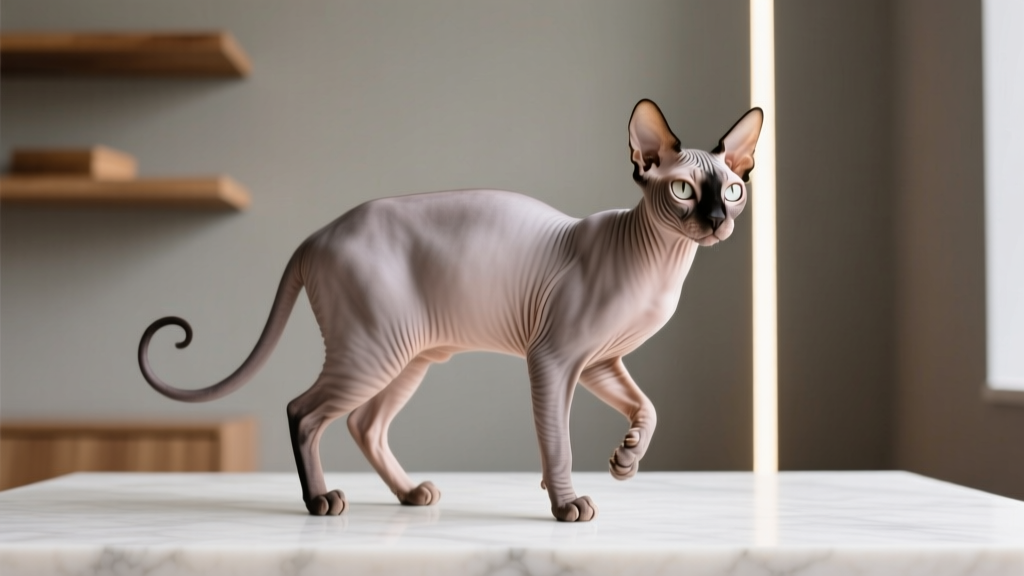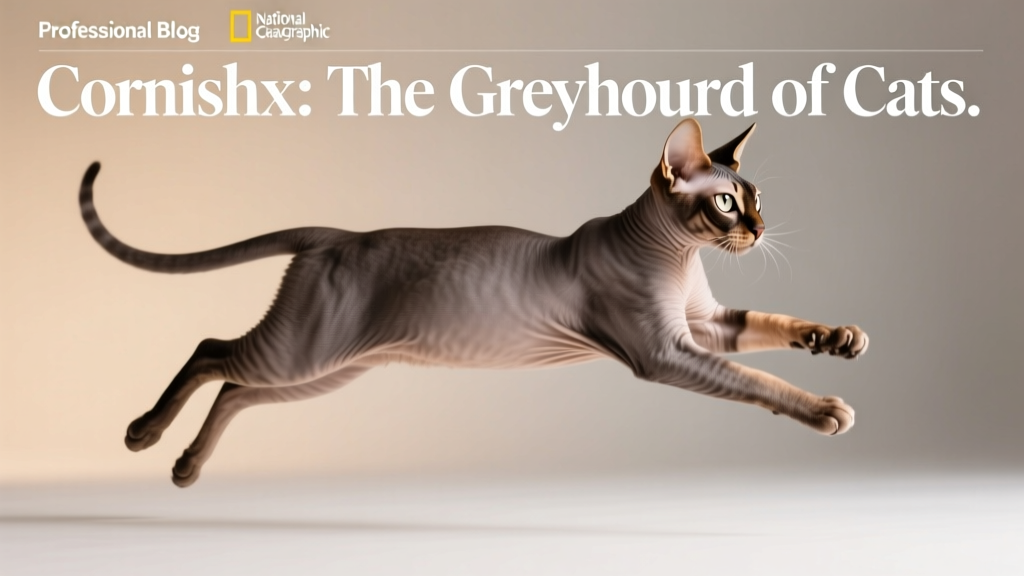
Cornish Rex: The Greyhound of Cats
If you’ve ever wished your cat could be part ballerina, part comedian, and part tiny greyhound, meet the Cornish Rex. This breed is famous for its sleek, athletic build and a soft, rippled coat that feels like warm suede under your hand. The first time a Cornish Rex sprints across a room—tail high, back arched, ears forward—you’ll understand why cat lovers call them “the Greyhound of Cats.”
But the Cornish Rex isn’t just about looks. These cats are affectionate, people-focused, and often downright mischievous. They’re the type to perch on your shoulder, “help” you type, and then launch into a zoomie session like they’ve got an appointment on the other side of the house. If you want a lively companion with a unique coat and a big personality, this breed deserves a spot at the top of your research list.
Let’s explore what makes the Cornish Rex cat so special—from their origin story in Cornwall to their care needs, health considerations, and what daily life feels like with one of these spirited curl-coated charmers.
Breed History and Origin
The Cornish Rex story begins in Cornwall, England in the early 1950s. In 1950, a cat named Serena gave birth to a litter that included a remarkable kitten named Kallibunker—the first known Cornish Rex. Kallibunker’s coat was different from anything seen before: short, fine, and curly due to a naturally occurring genetic mutation.
Breeders recognized they were looking at something truly unique. Through careful breeding (including some outcrossing to help establish the line), the Cornish Rex developed into a consistent type: slender, athletic, curly-coated, and intensely social. The breed eventually spread beyond the UK and gained popularity in the United States and elsewhere.
- Origin: Cornwall, England
- Foundation cat: Kallibunker (born 1950)
- Claim to fame: A natural mutation creating a curly coat with minimal guard hairs
Physical Characteristics
The Cornish Rex is a head-turner. Everything about this cat says “built for speed”—from the long legs to the tucked waist and whippy tail. They’re often described as “fine-boned,” but don’t mistake that for fragile. These cats are strong, springy, and surprisingly muscular for their size.
| Feature | Typical Cornish Rex Traits |
|---|---|
| Size | Small to medium |
| Weight | Usually 5–10 lbs (females often lighter, males often heavier) |
| Build | Slim, athletic, arched back, “tucked” waist |
| Head | Egg-shaped with high cheekbones |
| Ears | Large, set high—bat-like and expressive |
| Eyes | Medium, oval; color varies with coat color |
| Tail | Long, fine, whip-like |
Coat: The Signature “Rex” Waves
The Cornish Rex coat is the star of the show. Unlike most cats with three hair types (guard hairs, awn hairs, and down hairs), the Cornish Rex has a coat largely made of soft down hairs. That’s why it lies close to the body in tight waves or ripples and feels so velvety.
- Coat length: Short
- Texture: Very soft, fine, silky
- Shedding: Often less noticeable than many breeds, but not “non-shedding”
- Whiskers: Frequently curled or crinkled
Colors and Patterns
Cornish Rex cats come in a wide range of coat colors and patterns. You’ll find solids, tabbies, torties, bi-colors, pointed patterns, and more. This variety is part of their charm—no two curly coats look quite the same.
Distinctive Features
- Arched back: Gives a “ready to sprint” silhouette
- Long legs: Especially the hind legs, contributing to their springy jump
- Big ears and fine features: Creates an alert, pixie-like expression
- Warm-to-the-touch feel: Their fine coat can make them feel like a little heated blanket
Personality and Temperament Traits
If you’re looking for a cat that acts like a cat-and-dog hybrid (with a dash of circus performer), the Cornish Rex is a wonderful match. They’re famously interactive and tend to bond deeply with their people.
- Playful and energetic: Many Cornish Rex cats keep kitten-like enthusiasm well into adulthood.
- People-oriented: They often follow you from room to room and want to be part of whatever you’re doing.
- Affectionate: Expect lap time, cuddles, and a cat who happily seeks warmth and closeness.
- Curious and clever: They learn routines quickly and may figure out cabinets, doors, and puzzle toys.
- Social: Often happier with company—human, feline, or sometimes even dog.
Because of their high energy and need for interaction, a Cornish Rex can become bored if left alone with nothing to do. The happy version of this breed is one with play sessions, climbing spots, and regular social time.
Health Considerations and Common Issues
The Cornish Rex is generally considered a robust breed, but like all purebred cats, they can be predisposed to certain health concerns. Reputable breeders screen and track lines carefully, which makes a huge difference.
- Skin and coat sensitivities: Their fine coat may mean their skin is more exposed. Some individuals can be prone to oily buildup or irritation if over-bathed or if grooming isn’t balanced.
- Temperature sensitivity: With less insulating fur, Cornish Rex cats can get chilly easily. Many seek warm spots and may love sweaters (if they tolerate them).
- Dental issues: Like many breeds, they can be prone to periodontal disease without routine dental care.
- Hypertrophic cardiomyopathy (HCM): Seen across many cat breeds; responsible breeders may screen breeding cats with echocardiograms where possible.
- Patellar luxation: Occurs in various breeds; not exclusive, but worth asking breeders about family history.
Plan for routine veterinary care, keep your Cornish Rex at a healthy weight, and ask breeders about health testing, guarantees, and lineage information. A well-bred Cornish Rex with good care can be a long-term companion, often living into the mid-to-late teens.
Care Requirements (Grooming, Exercise, Diet)
Grooming
The Cornish Rex coat is short, but it’s not “no maintenance.” Because the hairs are so fine, rough brushing can damage the coat or irritate the skin. Gentle is the key word.
- Brushing: Minimal; use a soft baby brush or grooming mitt very lightly, or simply pet with damp hands to smooth the coat.
- Bathing: Occasional only, if needed. Some Cornish Rex cats develop oilier skin; others rarely need baths. Use a mild cat-safe shampoo and don’t overdo it.
- Ears: Those large ears can collect wax. Check weekly and clean with vet-approved cleanser if needed.
- Nails: Trim every 2–4 weeks, especially if they’re enthusiastic climbers.
Exercise and Enrichment
This breed thrives on movement. Think of daily play as non-negotiable—like feeding time, but with feather wands.
- Daily interactive play: 15–30 minutes total (split into shorter sessions) is a great baseline.
- Cat trees and vertical space: They love to climb and leap.
- Fetch and training: Many Cornish Rex cats enjoy fetch and can learn tricks with clicker training.
- Puzzle feeders: Excellent for mental stimulation and slowing fast eaters.
Diet
A Cornish Rex’s athletic body benefits from a quality, protein-forward diet. They can have hearty appetites, especially active young adults, but portion control still matters.
- Choose: High-quality cat food with animal protein as a primary ingredient
- Consider: Measured meals to help maintain lean muscle without unnecessary weight gain
- Hydration: Wet food and/or a cat water fountain can help support urinary and overall health
If your Cornish Rex seems constantly hungry, talk to your veterinarian before simply increasing food—sometimes boredom mimics hunger, and sometimes a diet adjustment is truly needed.
Compatibility with Families, Children, and Other Pets
The Cornish Rex is often an excellent family cat. Their social nature and playful temperament make them a natural match for homes where they’ll have plenty of interaction.
- With children: Usually great with respectful kids who enjoy playing. Their energy level pairs nicely with a child who likes interactive games.
- With other cats: Commonly does well, especially with another playful companion.
- With dogs: Many Cornish Rex cats can get along with cat-friendly dogs, particularly if introduced properly.
Because they crave company, the Cornish Rex may be happiest in a home where someone is around often, or where they have a compatible pet buddy.
Pros and Cons of Owning a Cornish Rex
| Pros | Cons |
|---|---|
| Unique curly coat and sleek “greyhound” build | Can get cold easily; seeks warmth and cozy spaces |
| Affectionate, social, and people-focused | May become bored or lonely if left alone too much |
| Highly playful and entertaining | Needs regular interactive play and enrichment |
| Often good with kids and other pets | Some require ear/skin maintenance depending on oiliness |
| Intelligent and trainable (tricks, leash, fetch) | Potential breed-related health concerns (ask about screening) |
FAQ: Cornish Rex Cats
Are Cornish Rex cats hypoallergenic?
No cat breed is truly hypoallergenic. Cornish Rex cats may shed less than some breeds, but allergies are usually triggered by proteins (like Fel d 1) found in saliva and skin oils, not just fur. Some allergy sufferers do better with Cornish Rex cats, but it varies person to person.
Do Cornish Rex cats shed a lot?
Many Cornish Rex cats shed less noticeably because their coat is short and fine, but they still shed. Seasonal changes, diet, and overall health can affect shedding.
Do Cornish Rex cats get cold?
Yes, they can. With a thin, fine coat, they often seek warm spots—sunbeams, blankets, laps, and heated beds. In cooler homes, providing cozy bedding (and keeping drafts down) makes a big difference.
How much exercise does a Cornish Rex need?
They’re energetic and do best with daily interactive play. Aim for multiple short sessions each day plus access to climbing structures and toys they can chase and pounce on.
Are Cornish Rex cats good for first-time cat owners?
They can be, as long as you want an interactive, high-energy companion. If you’re hoping for an independent “ornamental” cat, the Cornish Rex may feel like too much personality in one curly package.
What’s the difference between Cornish Rex and Devon Rex?
Both are “Rex” breeds with curly coats, but they have different genetic mutations and different looks. Cornish Rex cats tend to have a sleeker, more “greyhound-like” body and a very fine, close-lying wave. Devon Rex cats often have a more elfin face and a coat that can feel a bit different in texture and pattern.
A Warm Goodbye (and a Little Rex-Sized Encouragement)
The Cornish Rex is a joyful contradiction: delicate-looking but athletic, sleek but snuggly, elegant but endlessly silly. Living with one means sharing your home with a cat who wants to be involved—your routines, your downtime, your fun. If you can offer warmth, play, and companionship, the Cornish Rex cat will pay you back with devotion, laughter, and more zoomies than you thought possible.
Curious about other unique breeds with standout coats and unforgettable personalities? Visit catloversbase.com and explore more breed profiles to find your perfect feline match.