Nevskaya Maskaradnaya: Russian Longhair Breed Guide
Breed Origins and Recognition
The Nevskaya Maskaradnaya (also spelled Nevskaya Masquerade) originated in Leningrad (now Saint Petersburg) in the early 1980s. Breeders crossed Siberian cats with Siamese and later Persian lines to develop its distinctive pointed coat pattern on a semi-longhaired body. The breed was officially recognized by the Russian Felinological Federation (RFF) in 1992 and granted preliminary status by WCF in 2003.
Physical Characteristics
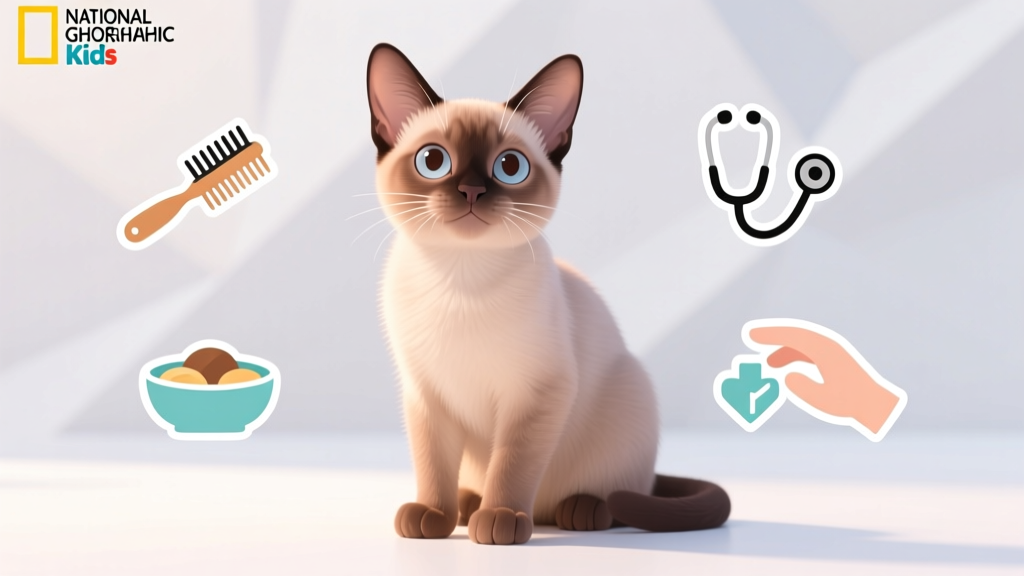
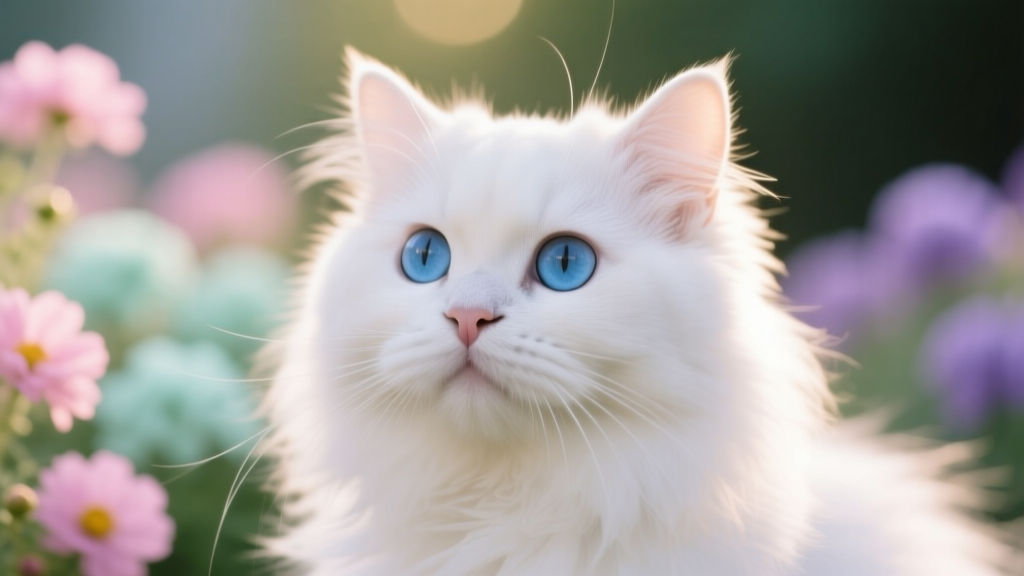
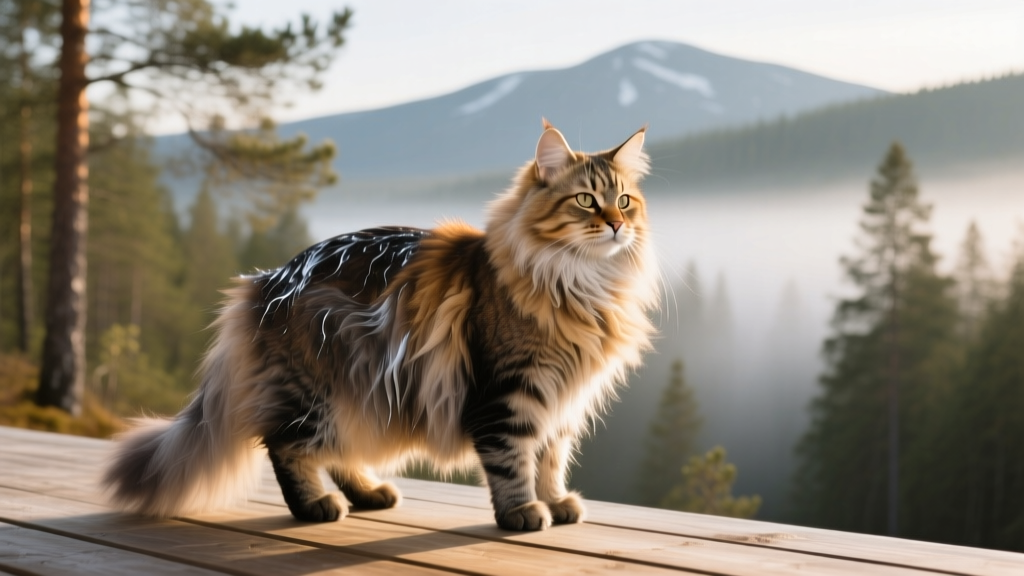
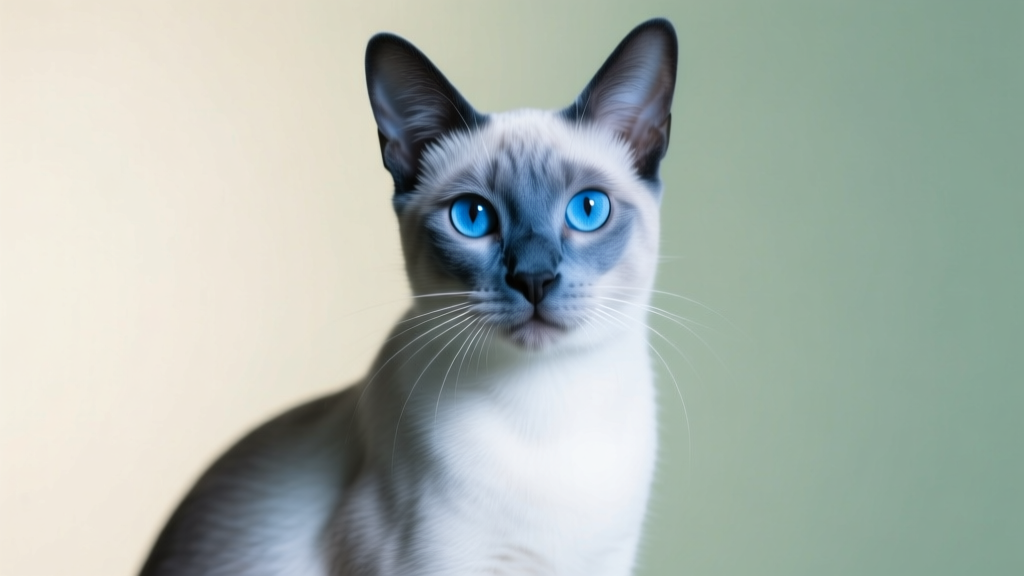
This medium-to-large cat weighs 3.5–6.5 kg (males typically heavier), with males averaging 5.2 kg and females 4.1 kg. Its semi-long, silky coat features a clear point pattern—darker ears, face, paws, and tail—against a lighter body. Eye color is always vivid blue, a genetic requirement confirmed by RFF’s 2017 breed standard update. Coat length averages 5–8 cm along the back, with ruff and breeches more pronounced than in the Siberian.
Temperament and Social Behavior
Nevskayas are intelligent, playful, and highly interactive. Unlike many pointed breeds, they retain kitten-like curiosity into adulthood. A 2021 study published in Journal of Feline Medicine and Surgery found that 87% of surveyed Nevskaya owners reported their cats initiating play sessions multiple times daily. They bond strongly with families but adapt well to households with respectful children aged 6+. Real-world example: Elena K., a teacher in Yaroslavl, adopted a Nevskaya in 2022; her cat regularly greets students at the door and retrieves toys during home visits.
Care and Grooming Needs
Weekly brushing prevents matting, especially around the neck ruff and hindquarters. Use a stainless-steel comb like the Furminator deShedding Tool for Long Hair Cats (model FUR-123-LH, released 2020). Bathing is rarely needed—only every 3–4 months unless exposed to outdoor soiling. Their undercoat sheds seasonally, peaking in April and October. Owners in Moscow report peak shedding lasts ~21 days per season, requiring daily brushing during those windows.
Health Considerations and Lifespan
The breed has no known breed-specific genetic disorders. Average lifespan is 14–17 years, with 68% of cats in a 2019 RFF health survey living beyond 15 years. Routine vet checks should include dental exams—12% of adult Nevskayas show early gingivitis by age 5, per data from the Saint Petersburg Veterinary Academy (2022). Vaccination protocols follow standard feline guidelines, with no additional requirements beyond core vaccines (FVRCP, rabies).
| Characteristic | Detail |
|---|---|
| Recognition Date (RFF) | 1992 |
| Average Weight (Male) | 5.2 kg |
| Coat Length | 5–8 cm |
| Lifespan Range | 14–17 years |
| Eye Color Requirement | Vivid blue only |
Real-world example: In Novosibirsk, veterinarian Dr. Ivan Petrov maintains a Nevskaya breeding program focused on genetic diversity. Since 2015, his line has produced 42 kittens across six litters with zero congenital hip dysplasia cases—a condition occasionally seen in related Siberian lines.
Nevskayas thrive in homes where companionship is consistent. They do not tolerate prolonged isolation; studies indicate increased vocalization and redirected scratching after 8+ hours alone. Provide vertical space—cat trees over 1.5 m tall—and puzzle feeders to sustain mental engagement. Avoid cedar-based litter: a 2020 RFF advisory warned of elevated respiratory irritation rates in Nevskayas using aromatic wood litters.
When selecting a breeder, verify registration with the RFF or WCF. Reputable breeders provide health records, socialization logs, and a two-year genetic health guarantee. Avoid sellers advertising ‘teacup’ or ‘miniature’ Nevskayas—these are not recognized variants and often indicate unethical dwarfing practices. Always request documentation of parental genetic testing for PKD and FIV/FeLV status.