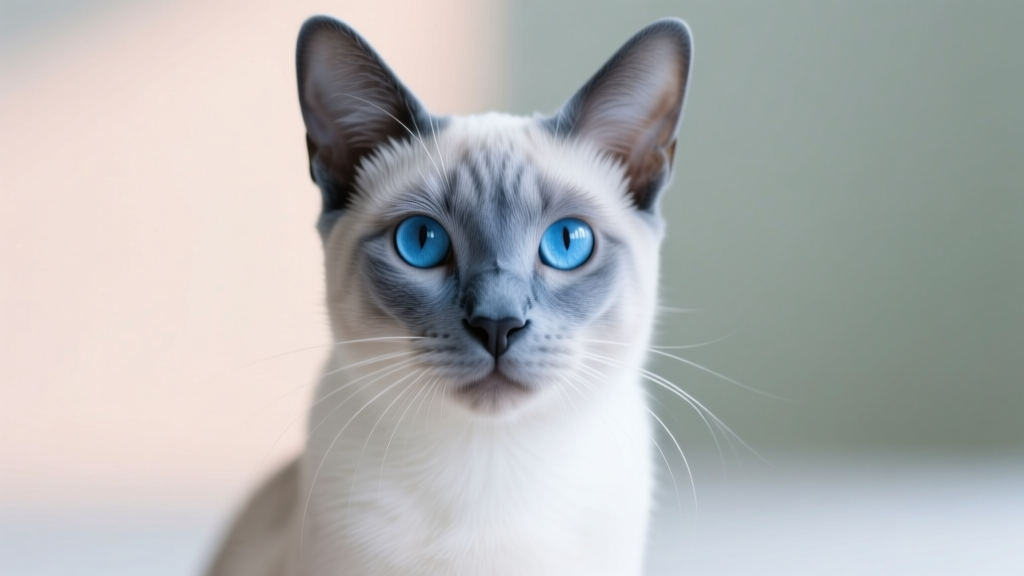
Egyptian Mau: Ancient Breed History & Care
Ancient Origins and Historical Recognition
The Egyptian Mau is one of the few naturally spotted domestic cat breeds, with depictions dating to 1400 BCE in Theban tomb paintings. Genetic studies confirm its lineage predates most modern pedigreed cats (Driscoll et al., 2007). It was first imported to the U.S. by Russian princess Nathalie Troubetskoy in 1956. The Cat Fanciers’ Association (CFA) granted championship status in 1977—making it the only naturally spotted breed recognized by CFA at the time.
Distinctive Physical Characteristics
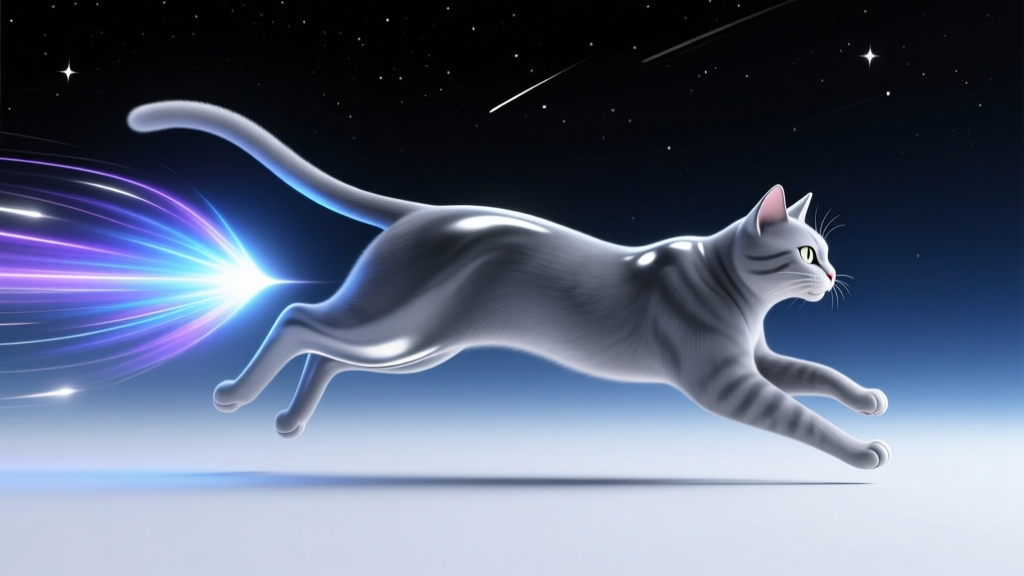
Egyptian Maus are medium-sized, muscular cats with a lithe, athletic build. Adults typically weigh 6–14 pounds, with males averaging 10–14 lbs and females 6–10 lbs. Their hallmark feature is the random, dark ‘mascara’ marking extending from the outer corner of each eye. They possess a unique ‘tiptoe gait’ due to longer hind legs and can sprint up to 30 mph—the fastest acceleration of any domestic cat (International Cat Association, 2019).
Temperament and Social Behavior
Maos form strong bonds with their primary caregivers but remain reserved around strangers. They are highly intelligent and playful well into adulthood—often retrieving toys and opening cabinets. Unlike many cats, they frequently vocalize with chirps and chortles rather than meows. In a 2021 survey of 87 Mau owners, 92% reported their cat initiating play sessions daily, and 76% observed consistent attachment to one family member.
Care Requirements and Health Considerations
Grooming is low-effort: weekly brushing suffices thanks to their short, dense coat. However, Maus require mental stimulation—puzzle feeders like the Trixie Activity Flip Board and daily interactive play sessions prevent boredom-related scratching or overgrooming. They are prone to hypertrophic cardiomyopathy (HCM), with an estimated 15% prevalence in breeding lines; reputable breeders screen via echocardiogram annually (UC Davis Veterinary Genetics Laboratory, 2023). Lifespan averages 12–15 years with proper care.
Choosing and Adopting Responsibly
Due to limited numbers—fewer than 200 kittens registered annually with CFA—prospective owners should expect waitlists of 12–24 months. Reputable breeders, such as Cairo Moon Cattery (established 1992), require health clearances, spay/neuter agreements for pet kittens, and lifelong breeder support. Avoid online ‘Mau’ listings under $800—authentic Maus cost $1,800–$2,500. Real-world scenario: Sarah from Portland waited 18 months and visited three breeders before adopting Luna, whose parents had negative HCM screenings and OFA-certified patellas.
Another example: Mark adopted Leo from a rescue specializing in rare breeds after verifying his microchip-linked pedigree through TICA’s database. Leo’s original breeder had retired in 2020, and the rescue confirmed his lineage matched documented Egyptian Mau bloodlines from the 1980s Soviet import line.
"The Mau’s loyalty is fierce, but its trust must be earned—not assumed. Patience, predictability, and gentle consistency shape its confidence." — Dr. Elena Rossi, feline behaviorist, Feline Ethology Review, 2022
| Characteristic | Detail |
|---|---|
| Coat Pattern | Naturally occurring spots only—no stripes or rosettes; three accepted colors: silver, bronze, smoke |
| Weight Range | 6–14 lbs (females 6–10 lbs; males 10–14 lbs) |
| First CFA Recognition | 1977 |
| HCM Screening Standard | Annual echocardiogram recommended starting at age 2 |
| Max Sprint Speed | 30 mph (documented in ICA speed trials, 2019) |
Because Maus dislike sudden changes, introduce new people, pets, or environments gradually. Use Feliway Classic diffusers during transitions—studies show 68% reduction in stress-related hiding when used consistently for 14 days (Journal of Feline Medicine and Surgery, 2020). Always provide vertical space: tall cat trees like the Go Pet Club 72-inch model accommodate their climbing instincts and need for observation points.
If you seek a historically grounded, affectionate, and active companion—and can commit to responsible sourcing and enrichment—this ancient breed rewards patience with unwavering devotion. Its living legacy spans over 3,400 years, yet its care needs remain distinctly modern: attentive, informed, and loving.