Best Nutrition For Feline: What Owners Need to Know
Best Nutrition For Feline: What Owners Need to Know
Cats are obligate carnivores, so the best nutrition for a feline is a meat-based diet that supplies animal protein, taurine, arachidonic acid, preformed vitamin A, niacin, and adequate moisture. Choose foods that meet AAFCO or FEDIAF nutrient profiles for the cat's life stage, then control calories by weighing portions and scoring body condition every month. Wet food supports urinary hydration, high-protein dry food suits multi-cat homes, and fresh or raw diets require careful handling. A breed specialist should match genetics, weight, and health to feeding plan.
Obligate Carnivore Biology Shapes Feline Nutrition
A cat's metabolism is built for animal tissue. Unlike dogs or humans, cats have limited ability to synthesize certain nutrients. They need dietary arachidonic acid because they cannot convert linoleic acid efficiently, and they require taurine because cysteine and cystine metabolism is high. A deficiency in taurine can cause dilated cardiomyopathy and retinal degeneration, so reputable cat foods usually contain at least 0.1% taurine in dry matter for maintenance.
Protein requirements are also higher. The Association of American Feed Control Officials sets a minimum of 26% crude protein on a dry matter basis for adult maintenance, while kitten growth needs 30% minimum. In practice, many breed specialists prefer foods with 35% to 45% protein on a dry matter basis for healthy adult cats, provided calories are controlled.
Protein Sources and Digestibility
Animal proteins such as chicken, turkey, salmon, rabbit, and liver are usually more digestible than plant proteins. Purina Pro Plan, Hill's Science Diet, Royal Canin, and Wellness often use named animal proteins as primary ingredients. When comparing labels, look for a named protein source first, not a vague term such as animal by-products or meat meal, although some by-products can be nutritionally useful.
Digestibility matters more than protein percentage alone. A diet with 38% protein from chicken and eggs may produce smaller, firmer stools than a diet with 45% protein from lower-quality fillers. Cats that eat highly digestible foods need less total food per day, which helps weight control.
Fat, Essential Fatty Acids, and Energy
Fat provides concentrated energy and essential fatty acids. AAFCO maintenance diets need at least 9% crude fat on a dry matter basis. Many high-quality cat foods contain 15% to 20% fat, while senior or indoor formulas may be lower. Omega-6 fatty acids from poultry fat and omega-3 from salmon, sardine, or fish oil support skin and coat health.
Arachidonic acid is essential for cats. If a diet contains chicken, turkey, beef, or fish, it usually supplies enough. Vegan or vegetarian cat diets can be dangerous because they often fail to provide preformed vitamin A, taurine, arachidonic acid, and adequate protein unless heavily fortified and tested, which is rare.
Carbohydrates and Insulin
Cats can digest starches, but they are not adapted for high-carbohydrate diets. Kibble often contains 10% to 40% carbohydrate on a dry matter basis. For a diabetic cat, lower-carbohydrate wet food can help stabilize blood glucose, and many veterinary diets provide under 10% carbohydrates on a dry matter basis.
High carbohydrate intake may contribute to weight gain because cats are less active and have strong appetite signals for protein. For weight loss, a high-protein, moderate-fat, lower-carbohydrate diet helps preserve lean body mass while calories are reduced.
Life Stage Nutrition From Kitten to Senior
Kittens need more protein, fat, calcium, phosphorus, and calories than adults. A food labeled kitten, growth, or all life stages is appropriate from weaning until about 12 months, unless a large-breed cat or health condition suggests earlier transition. Kitten foods often contain 35% to 45% protein and 15% to 25% fat on a dry matter basis.
Adult cats from 1 to 7 years need maintenance nutrition. Indoor cats may need fewer calories because they burn less energy. A 10-pound adult cat typically needs 180 to 240 calories per day, depending on body condition score, neuter status, and activity level. A 12-pound cat may need 220 to 280 calories.
Senior cats over 7 years may need more protein, not less, unless kidney disease is present. Muscle loss is common in older cats, so a diet with 35% or more protein on a dry matter basis can help maintain lean body mass. Moisture is also important because older cats are at higher risk for chronic kidney disease.
Here is a practical nutrient target table for healthy cats. Values are approximate dry matter targets and should be adjusted with a veterinarian for medical diets.
| Life Stage | Protein | Fat | Taurine | Moisture | Example Food Type |
|---|---|---|---|---|---|
| Kitten | 35-45% | 15-25% | At least 0.1% | 75-82% wet | Royal Canin Kitten, Hill's Science Diet Kitten |
| Adult maintenance | 30-40% | 10-20% | At least 0.1% | 75-82% wet | Purina Pro Plan, Wellness CORE |
| Indoor weight control | 35-45% | 8-14% | At least 0.1% | 75-82% wet | Hill's Metabolic, Royal Canin Satiety |
| Senior healthy | 35-45% | 10-18% | At least 0.1% | 75-82% wet | Instinct Original, Ziwi Peak Air-Dried |
| Chronic kidney disease | 26-32% | 12-18% | At least 0.1% | 75-82% wet | Hill's k/d, Royal Canin Renal |
Wet, Dry, Fresh, and Raw Food Choices
There is no single best format for every cat. Wet food has 75% to 82% moisture, which supports kidney and urinary health. Dry food is convenient and may help dental plaque control, though it is not a substitute for dental care. Fresh and raw diets can be palatable and high in animal protein but require strict food safety.
- Wet: Tiki Cat, Weruva, Fancy Feast, Royal Canin wet, Hill's wet; good for hydration and calorie control.
- Dry: Purina Pro Plan, Orijen, Acana, Wellness CORE; good for free-choice homes and higher protein formulas.
- Fresh: The Honest Kitchen, Stella and Chewy's freeze-dried, We Feed Raw; needs portioning and refrigeration.
- Raw: Instinct Raw, Smallbatch, Ziwi Peak; requires handling, freezing, and pathogen risk management.
If feeding raw, use commercially prepared diets with nutritional adequacy statements rather than home-mixed recipes. A home-raw diet can cause taurine, vitamin D, calcium, and phosphorus imbalances. The American Veterinary Medical Association and veterinary nutrition groups caution that raw meat also carries Salmonella, Listeria, and Campylobacter risks.
How to Read a Cat Food Label
The AAFCO statement should say the food is complete and balanced for the intended life stage, such as adult maintenance, growth, or all life stages. A supplement statement means it is not complete alone. FEDIAF European standards also require nutrient profiles and labeling, and they are useful when comparing imported brands.
Look at guaranteed analysis and ingredients. Named protein sources should appear early. Avoid relying on ingredient order alone because water weight can make chicken appear first even in a product with more total plant protein. Use guaranteed analysis, calorie content, and feeding trials to judge quality.
Calorie density differs widely. A 3-ounce wet food may contain 70 to 100 calories. A cup of dry cat food may contain 250 to 350 calories depending on kibble size and fat content. Always weigh dry food with a kitchen scale; measuring cups can cause 15% to 20% overfeeding.
Brand Examples and Practical Selection
For a healthy adult cat needing weight control, Hill's Metabolic or Royal Canin Satiety can help because they are high-fiber and designed for satiety. For a picky cat needing hydration, Fancy Feast or Tiki Cat can be rotated with a higher-protein main diet. For a cat with a sensitive stomach, Purina Pro Plan Sensitive Skin and Stomach or Hill's Digestive Care are common veterinary recommendations.
For owners wanting higher animal protein, Orijen Cat and Kitten and Acana First Feast offer protein-rich dry foods, often above 40% protein on a dry matter basis. Ziwi Peak air-dried and canned foods are rich in meat and organs, but organ content should be balanced, not excessive, because too much liver can cause vitamin A excess.
For cats needing dental support, Hill's Science Diet Adult Oral Care uses larger kibble and calcium phosphate additives to reduce tartar. For hairball control, Royal Canin Hairball Care and Purina Pro Plan Hairball Management include fiber and fatty acid blends. Always change foods slowly over 7 to 10 days.
Feeding Amounts and Body Condition Scoring
The best nutrition fails if calories are not controlled. Use body condition scoring, not just weight. A cat should have a visible waist when viewed from above, a slight tuck when viewed from the side, and ribs that can be felt with light pressure. If ribs cannot be felt, reduce calories. If the spine and hips are prominent, increase calories or address medical causes.
- Weigh the cat monthly on the same scale.
- Photograph the cat from above and side monthly.
- Calculate resting energy requirement: RER = 70 times body weight in kilograms to the 0.75 power.
- Multiply by 1.2 for neutered adult, 0.8 for weight loss, 1.4 for senior healthy maintenance, and 2.0 to 2.5 for kitten growth.
- Feed by weight using a scale and adjust by 10% if weight changes too fast.
Example: A 4.5 kg neutered adult cat has RER about 70 times 4.5 to the 0.75 power, which equals about 195 calories, times 1.2 equals about 234 calories daily. If food is 320 calories per cup, feed about 0.73 cup per day, divided into multiple meals. If wet food is 90 calories per 3-ounce can, feed about 2.6 cans per day.
Free feeding dry food often leads to overeating. Use measured meals, puzzle feeders, or automatic feeders. A two-meal schedule is better than one large meal. If a cat has diabetes, kidney disease, or hyperthyroidism, feeding frequency and timing may need veterinary guidance.
Special Cases: Obesity, Diabetes, Urinary Health, and Food Allergies
Obesity affects an estimated 50% to 60% of cats in some veterinary surveys. The most effective plan combines high-protein wet food, measured calories, play, and environmental enrichment. For a cat that is 15% overweight, aim for 1% to 2% body weight loss per week. Faster loss increases hepatic lipidosis risk.
Diabetic cats often benefit from high-protein, low-carbohydrate wet food. Some cats eat Purina Pro Plan DM, Royal Canin Diabetic, or Hill's y/d if hyperthyroidism is involved. Blood glucose monitoring and consistent meal timing are as important as the brand.
Urinary health depends on moisture, urine dilution, and mineral balance. Cats with idiopathic cystitis need water-rich diets, environmental stress reduction, and sometimes urinary diets such as Royal Canin Urinary SO or Hill's c/d. Food allergy can cause vomiting, diarrhea, skin lesions, or ear inflammation. An elimination diet with a novel protein or hydrolyzed protein diet for 8 to 12 weeks is the standard test.
Putting It Together: A Simple Weekly Plan
A practical weekly plan can include a base complete and balanced food plus one or two treats. For an adult cat eating wet food, feed 90 to 110 calories per 3-ounce can and use 2 to 3 cans per day, depending on weight. For dry food, feed 20 to 25 calories per ounce and keep treats under 10% of daily calories.
Rotate flavors within one diet family, not between incompatible formulas. If a cat tolerates chicken-based food, rotate chicken, turkey, and fish. Avoid sudden changes that cause diarrhea. Provide fresh water, clean bowls, and at least one litter box per cat plus one extra.
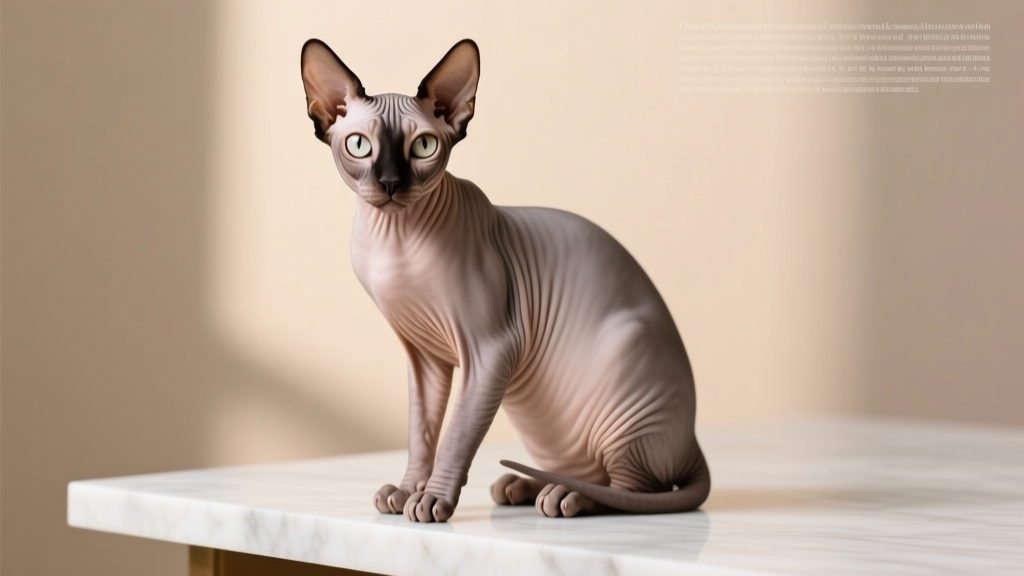
As a breed specialist, I also consider genetics. Maine Coons and Persians may need calorie control and grooming-related fiber. Sphynx cats may burn more calories due to coatless thermoregulation. Siamese and Abyssinians may be active and benefit from protein-dense meals. Ragdolls and British Shorthairs may need early weight monitoring because they can be less active. These are tendencies, not rules, and veterinary screening should guide medical diets.