Chausie: Jungle Cat Domestic Descendant
If you’ve ever watched a cat sprint across a room with the focus of a tiny athlete and thought, “That looks like something out of the wild,” you’re going to love the Chausie. This striking hybrid-inspired breed was developed to capture the athletic look of the jungle cat while keeping a social, home-friendly companion at your side.
The Chausie (pronounced “CHOW-see”) isn’t your average couch ornament. These cats are tall, sleek, and endlessly curious—more like a partner in your daily life than a pet you simply admire from afar. For the right home, a Chausie is a thrilling mix of brains, beauty, and bold energy.
If you’re researching cat breeds with a wild appearance, exploring active breeds for an engaged household, or simply curious about jungle cat domestic descendants, this guide will walk you through everything you need to know about the Chausie cat breed.
Breed History and Origin
The Chausie’s story begins with the jungle cat (Felis chaus), a wild feline found across parts of the Middle East, South Asia, and Southeast Asia. Unlike some other wild cats, jungle cats have a long history of living near human settlements, which likely contributed to occasional natural matings with domestic cats.
The modern Chausie breed was intentionally developed in the late 20th century in the United States by breeding jungle cats with carefully selected domestic cats. The goal was a cat with:
- A tall, long-legged, wildcat silhouette
- A short, resilient coat
- An outgoing, people-oriented temperament
- Strong athletic ability and intelligence
Early breeding programs used domestic lines that complemented the jungle cat’s physique—often cats with lean builds and strong structure. Over generations, reputable breeders worked to establish predictability in temperament and appearance. The Chausie is recognized by major registries such as TICA (The International Cat Association) in the Advanced New Breed category (status and allowable generations may vary by registry and region), and breed standards focus on a wild look with a stable domestic personality.
Physical Characteristics
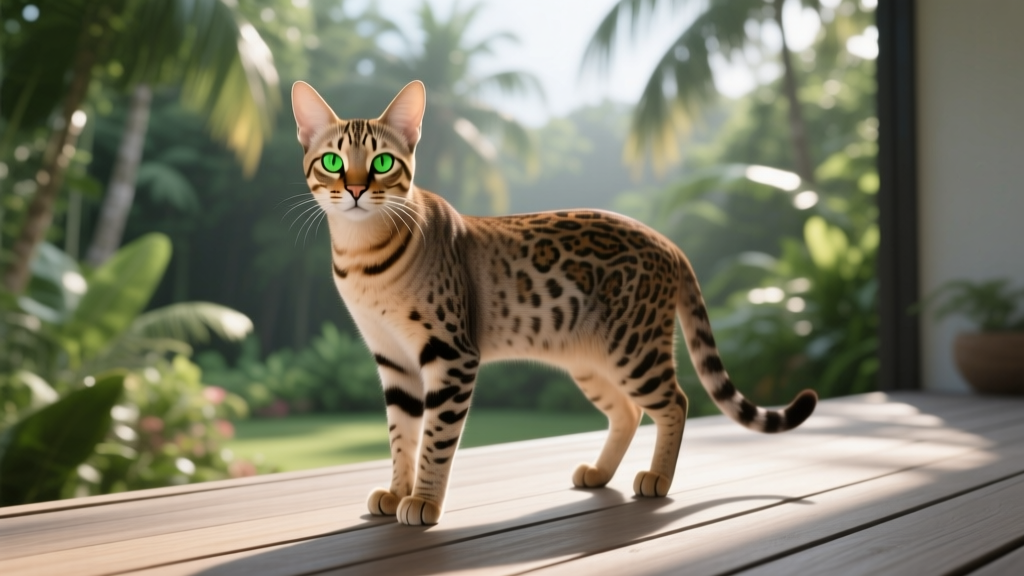
The Chausie looks like it stepped out of a nature documentary—then hopped onto your kitchen counter to supervise dinner. They’re built for speed and jumping, with long legs, a deep chest, and a confident, upright posture.
Quick Breed Snapshot
| Characteristic | Details |
|---|---|
| Size | Medium-large to large |
| Weight | Typically 12–20 lb (males often larger); some lines may be heavier or lighter |
| Body Type | Long, lean, muscular; deep chest; long legs |
| Coat | Short to slightly medium; dense, resilient; low-maintenance |
| Common Colors | Black, black grizzled tabby, brown ticked tabby (varies by standard/registry) |
| Life Expectancy | Often 12–15+ years with excellent care |
Coat, Colors, and Markings
Chausies are known for a sleek, athletic coat that’s pleasant to the touch and designed for practicality. Depending on the color, you may see subtle ticking, grizzling, or a glossy solid look.
- Black: A solid, panther-like coat that makes their wild silhouette even more dramatic.
- Brown ticked tabby: A warm, “agouti” look with ticking across the body rather than bold stripes.
- Black grizzled tabby: A distinctive pattern associated with jungle cat influence; not as common in the general cat world.
Distinctive Features
- Tall, long-legged stance that gives them a “high on their feet” appearance
- Large ears, often set high, contributing to an alert, wild expression (some may have small tufts)
- Long tail (breed standards may specify proportion), used like a balance pole during high-speed turns
- Bright, attentive eyes that telegraph intelligence and curiosity
Personality and Temperament Traits
The Chausie personality is where this breed truly shines—especially for people who want a highly interactive cat. Many Chausies are confident, people-focused, and very busy. If you like cats that “talk” with body language, follow you from room to room, and learn routines quickly, you’ll feel right at home.
Common Chausie temperament traits include:
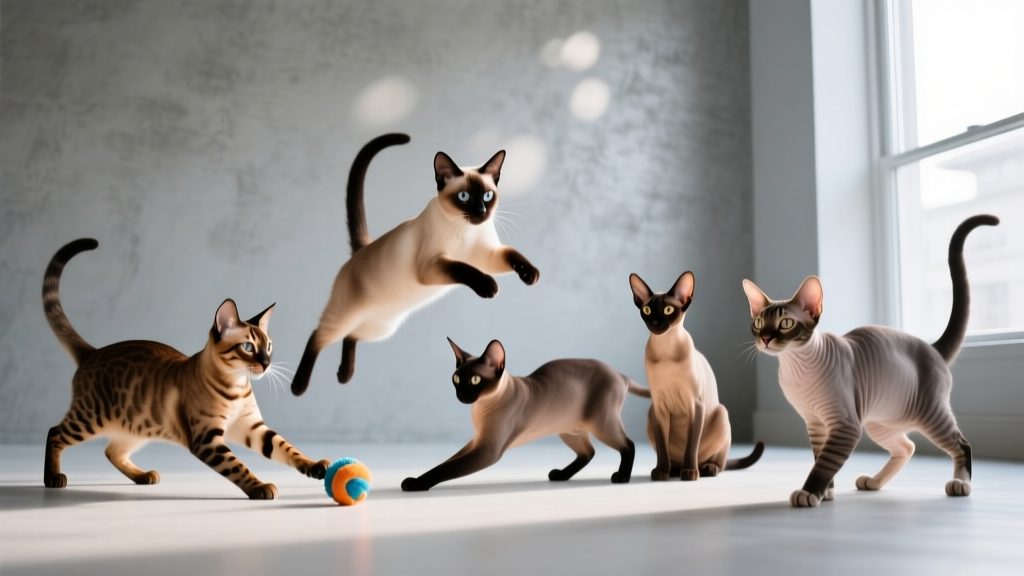
- High energy: They thrive with daily play and opportunities to climb and leap.
- Smart and curious: Puzzle toys, training, and new experiences keep them happy.
- Social bonds: Many Chausies form tight relationships with their people and may dislike being left alone for long hours.
- Playful confidence: They often approach new situations with bold curiosity rather than shyness.
- Dog-like tendencies: Some learn to fetch, walk on a harness, or greet visitors at the door.
They’re not typically “one-note” lap cats. Some will cuddle, but most prefer to perch near you, supervise your activities, or engage in a game. Expect a companion who wants participation, not just proximity.
Health Considerations and Common Issues
Chausies can be robust, athletic cats, but like any breed—especially one developed from a limited gene pool—there are health considerations to be aware of. Working with a knowledgeable, ethical Chausie breeder (or a breed-savvy rescue) is the best step toward a healthy cat.
Potential concerns seen in some lines include:
- Digestive sensitivities: Some Chausies may have sensitive stomachs or do better on carefully selected diets. Your veterinarian can help guide food choices.
- Food intolerance: Individual cats may react poorly to certain proteins or fillers; slow diet transitions help.
- General genetic diversity issues: As with many rarer breeds, responsible breeding practices and health screening matter a lot.
Routine care still applies: regular veterinary checkups, parasite prevention, dental care, and maintaining a healthy weight. Because Chausies are so athletic, they may stay lean-looking even when they’re slightly overfed—so monitoring body condition (not just the scale) is helpful.
Care Requirements (Grooming, Exercise, Diet)
Grooming
Good news: Chausie grooming needs are usually simple. Their short coat doesn’t mat easily, and many do fine with light upkeep.
- Brushing: Once a week is often enough to remove loose hair and keep the coat glossy.
- Nails: Trim every 2–4 weeks, especially if your cat is an indoor climber.
- Ears: Check weekly; clean only if needed with vet-approved solutions.
- Teeth: Dental care is a big quality-of-life booster—brushing is ideal, dental treats can help.
Exercise and Enrichment
This is where Chausie ownership becomes a lifestyle (in the best way). A bored Chausie will invent entertainment—and you may not love their choices.
Plan for:
- Vertical territory: Tall cat trees, shelves, and sturdy climbing furniture.
- Interactive play: Wand toys, chase games, and daily sessions that get their whole body moving.
- Training: Clicker training, fetch, sit, high-five—many Chausies excel.
- Food puzzles: Great for mental stimulation and slowing fast eaters.
- Harness walks: Some Chausies enjoy safe outdoor time with proper training.
Diet
Chausies do best on a high-quality, meat-forward diet appropriate for their life stage. Because some individuals have sensitive digestion, consistent feeding routines and gradual changes are your friend.
- Choose quality: Look for named animal proteins and complete-and-balanced formulations.
- Portion wisely: Athletic cats can burn calories quickly, but free-feeding can still lead to weight gain.
- Slow transitions: Change foods over 7–10 days to reduce stomach upset.
- Vet guidance: Especially if your cat shows loose stool, vomiting, or chronic itchiness.
Compatibility with Families, Children, and Other Pets
A well-socialized Chausie can be a fantastic family companion—especially for households that enjoy an active, interactive pet. Think of them as a cat who wants to be part of the action.
With Children
Chausies often do well with respectful kids who understand gentle handling. Because they’re energetic and fast, they can be a great match for older children who want to play (and who won’t chase or grab). For toddlers, close supervision is essential—mostly to protect the cat from clumsy handling and to keep interactions calm.
With Other Cats
Many Chausies enjoy feline companionship, particularly another playful, confident cat. Slow introductions and matching energy levels matter. A shy, low-energy cat may find a Chausie overwhelming.
With Dogs
Chausies can coexist nicely with cat-friendly dogs. In many homes, they’re bold enough to hold their own and curious enough to become friends—provided introductions are gradual and the dog has good manners.
With Small Pets
Caution is wise. Because the Chausie is a highly athletic breed with strong prey drive tendencies, small pets (birds, hamsters, guinea pigs) should be securely housed in a separate area. Even a well-behaved cat can be triggered by sudden movement.
Pros and Cons of Owning a Chausie
| Pros | Cons |
|---|---|
|
|
FAQ: Chausie Cats
Are Chausie cats good pets for first-time owners?
They can be, but they’re usually better for someone who wants an interactive, high-energy cat and has time for play, training, and enrichment. If you’re hoping for a low-key lap cat with minimal daily engagement, a Chausie may feel like too much cat.
How big do Chausie cats get?
Most Chausies are medium-large to large, commonly around 12–20 pounds, with males often bigger than females. They also look larger than the scale suggests because of their height and long-legged build.
Do Chausies shed a lot?
Chausies typically have a short coat and shed a moderate amount. Weekly brushing usually keeps shedding manageable and helps maintain that sleek, glossy look.
Can a Chausie be left alone during the day?
Many Chausies don’t love being alone for long stretches without stimulation. If you work long hours, consider providing a compatible feline companion, automated enrichment (puzzle feeders, rotating toys), and a dedicated play routine before and after work.
Do Chausie cats like water?
Some do! You may find your Chausie investigating running faucets or playing near water. Individual personality varies, but curiosity is a common theme.
What kind of home is best for a Chausie?
A home with space to climb and run, people who enjoy daily interaction, and a commitment to enrichment. Tall cat trees, shelves, and structured playtime make a huge difference. They can thrive in apartments too, as long as their exercise needs are met.
A Warm Signoff
The Chausie cat breed is a rare gem: a bold, beautiful companion with a jungle-cat vibe and a brain that’s always switched on. For the right household—one that welcomes play, training, and plenty of shared time—this jungle cat domestic descendant can be an unforgettable best friend.
Curious about other wild-looking and athletic breeds? Visit catloversbase.com and explore more breed profiles to find the feline that fits your life perfectly.