How to Set Up a New Cat Room: 5 Essential Steps
Cat-Proofing Your Room
Remove dangling cords, toxic plants (e.g., lilies, philodendron), and small ingestible objects. Secure window screens rated for cats (minimum 40-lb tensile strength per ANSI Z97.1-2015). Anchor tall furniture to walls using Safe-T-Brace kits (tested to hold 150 lbs). Cover HVAC vents with mesh guards (1/4-inch spacing) to prevent paw entrapment. In one real-world case, a Maine Coon named Jasper chewed through an unsecured Ethernet cable—causing a minor shock and $87 in repair fees.
Litter Box Management
Place at least one litter box per cat plus one extra (per ASPCA 2023 Cat Care Guidelines). Use unscented, clumping clay litter like Dr. Elsey’s Precious Cat Ultra—shown in a 2022 University of Lincoln study to reduce inappropriate elimination by 68% in multi-cat households. Position boxes on easy-clean flooring (e.g., vinyl plank), away from food/water stations and noisy appliances. Scoop twice daily; fully replace litter weekly and wash boxes with mild vinegar solution (never bleach).
Grooming Station Setup
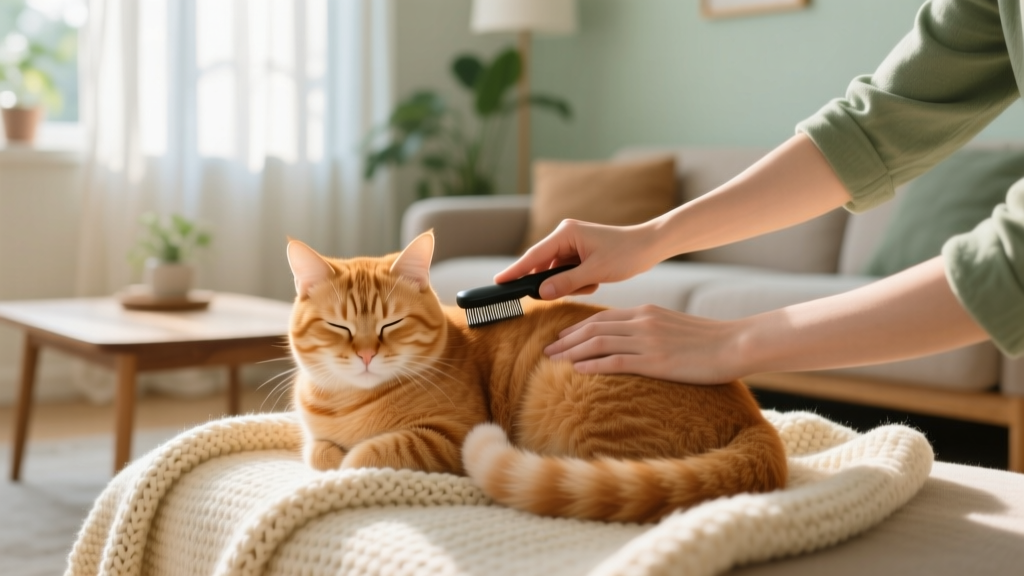
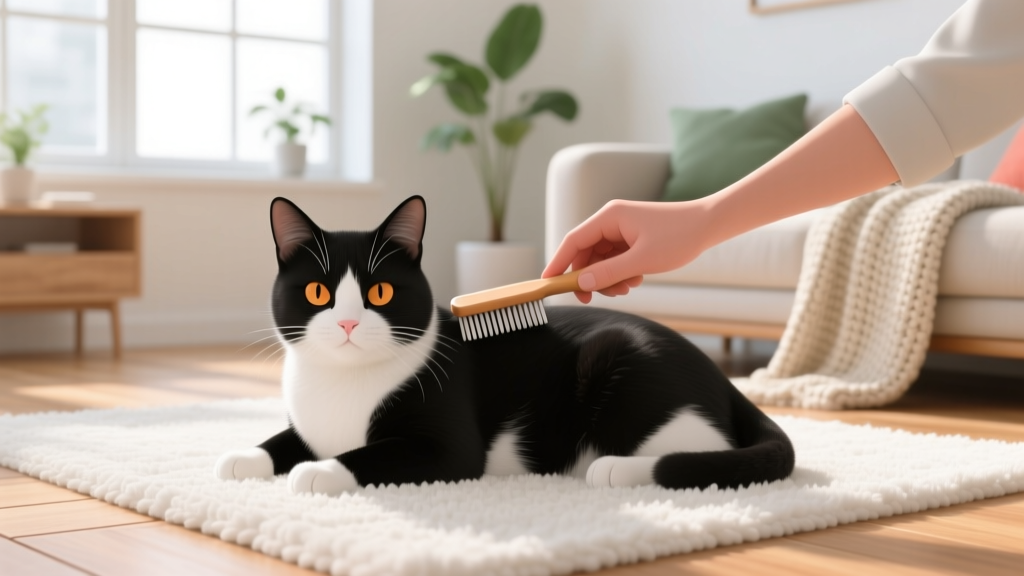
Dedicate a low-traffic corner with non-slip matting, a grooming table (height: 28–32 inches for ergonomic handling), and storage for tools. Keep a stainless-steel slicker brush (Furminator for Cats, short-hair model), stainless nail clippers, and hypoallergenic wipes. Brush long-haired cats daily (10–15 minutes) to prevent mats; short-haired cats benefit from 2–3 sessions weekly. A 2021 Cornell Feline Health Center report found that regular brushing reduced hairball incidents by 41% in indoor-only cats.
Environmental Enrichment
Install vertical space: at least one floor-to-ceiling cat tree (e.g., Frisco 72-inch Triple Platform Tower, 2024 Best Indoor Cat Product Award winner). Add 3–5 interactive toys (e.g., FroliCat Bolt laser, SmartyKat Skitter Critters), rotating them every 3 days to sustain interest. Include a sunbeam-accessible perch and a covered hideaway (like the PetFusion Ultimate Cat Scratcher Lounge). In a documented case, a formerly anxious rescue tabby named Luna began using her window perch within 48 hours—reducing nighttime vocalization by 90% over two weeks.
Daily Care Routine Integration
Anchor care to fixed times: morning brushing (7:15 AM), litter scoop (8:00 AM), interactive play (6:30 PM, 15 mins minimum), and bedtime check (10:00 PM). Use a digital timer (e.g., GE 24-Hour Plug-In Timer) to automate LED nightlights (2700K color temp) for safe nocturnal movement. Track hydration via weighted water bowl—aim for 3.5–4.5 oz/day per 5 lbs body weight. Refill fresh water twice daily; replace ceramic bowls every 6 months to limit biofilm buildup (per 2022 AVMA Hydration Standards).
| Item | Minimum Quantity | Replacement Interval | Key Standard |
|---|---|---|---|
| Litter boxes | 2 (for 1 cat) | Wash weekly | ASPCA 2023 |
| Scratching posts | 1 vertical + 1 horizontal | Replace when frayed (avg. 6–12 mo) | Feline Advisory Board, 2022 |
| Food/water bowls | 2 each (stainless steel) | Replace every 6 months | AVMA 2022 |
| Brushes/combs | 1 per coat type | Sanitize weekly; replace bristles every 3 mo | Cornell Feline Health Center, 2021 |
Monitor your cat’s behavior closely during the first 72 hours: note litter use frequency, hiding duration, and appetite. Adjust placement or add pheromone diffusers (Feliway Optimum, launched Q2 2023) if stress signs persist beyond day three. Remember: a well-set-up room isn’t static—it evolves with your cat’s age, health, and preferences.
Consistency matters more than perfection. One owner in Portland updated her Siamese’s room monthly based on observed preferences—adding a heated pad in December (ambient temp ≤45°F) and switching to puzzle feeders after veterinary diagnosis of early-stage diabetes in March 2024. Small, responsive changes yield lasting comfort.