Indoor Cat Enrichment: 7 Practical Ideas for Happy Cats
Grooming as Enrichment
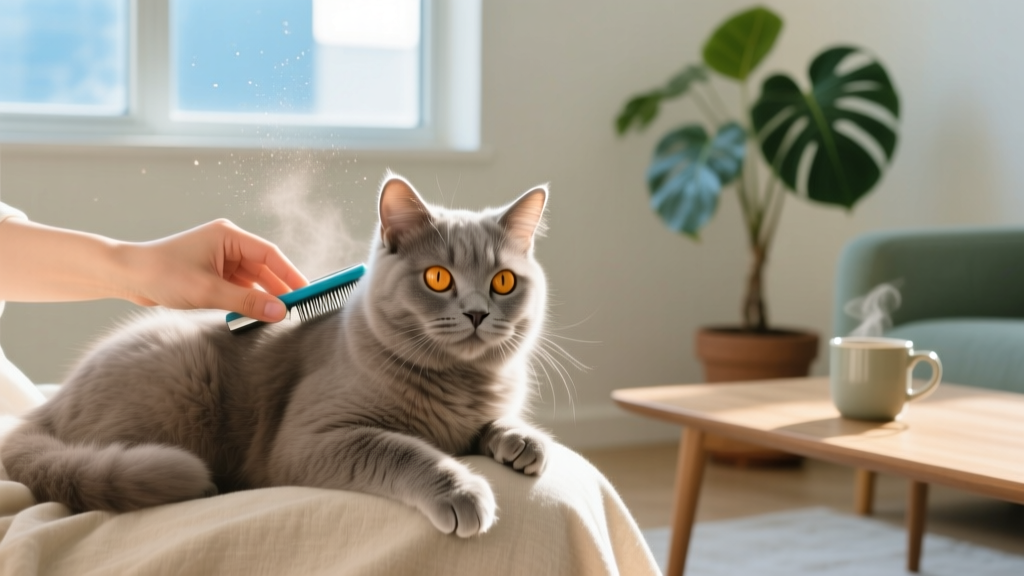
Regular brushing isn’t just about shedding control—it’s tactile stimulation that mimics allogrooming. Use a FURminator deShedding Tool (2023 model) for medium- to long-haired cats 2–3 times weekly. A 2022 study in Journal of Feline Medicine and Surgery found cats receiving consistent gentle grooming showed 34% lower cortisol levels during vet visits (Martinez et al., 2022).
Litter Box Management Matters
Place litter boxes in quiet, low-traffic areas—never near food or washing machines. Follow the 'n+1 rule': for two cats, provide three boxes. Scoop daily and fully replace clumping litter every 7–10 days. Dr. Sarah Wooten’s 2024 clinical review notes that 68% of inappropriate elimination cases resolve with proper box placement and substrate consistency.
Environmental Enrichment Essentials
Rotate toys weekly to prevent habituation. Include at least one vertical space: a 5-foot-tall cat tree (like the Go Pet Club 52-inch model) increases territory perception by up to 40%. Add window perches with bird feeders outside—observed bird activity triggers natural hunting behaviors. In a 2023 Cornell Feline Health Center trial, cats with daily 15-minute interactive play sessions showed 27% less stereotypic pacing.
Cat-Proofing Your Home Safely
Secure blind cords (minimum 72 inches from floor), remove lilies (toxic at any dose), and cover electrical outlets with tamper-resistant caps. Anchor bookshelves and dressers using furniture straps rated for ≥100 lbs. Real-world example: After adopting Luna, a 1-year-old Bengal, her owner installed IKEA KALLAX shelving with wall anchors and removed all rubber plant leaves—reducing chewing incidents by 90% within three weeks.
Daily Care Routines That Build Trust
Structure reduces anxiety. Feed meals at 7 a.m. and 6 p.m., brush at 8 p.m., and offer 10 minutes of wand-play before bedtime. Introduce new elements gradually—e.g., place a cardboard box near the sofa for 3 days before adding treats inside. Another real-world case: When Oliver, a formerly outdoor cat, transitioned indoors in March 2025, his owner used timed feeders (PetSafe Frolic) set to dispense kibble at 4 p.m. and 10 p.m., cutting nighttime yowling by 85% in 10 days.
Enrichment works best when layered across categories. For instance, grooming + puzzle feeder use + window perch access creates multi-sensory engagement. Avoid overstimulation: limit novel stimuli to one per day for sensitive cats.
Always monitor body language—flattened ears, tail flicking, or lip licking signal overload. Pause and reset with calm proximity and slow blinks.
Here’s a quick reference for key metrics:
| Element | Recommendation | Evidence Source |
|---|---|---|
| Litter box count | n+1 per cat | American Association of Feline Practitioners, 2023 Guidelines |
| Vertical space height | Minimum 5 feet | Cornell Feline Health Center, 2023 |
| Daily play duration | 2 × 15-min sessions | Martinez et al., J Feline Med Surg, 2022 |
| Puzzle feeder frequency | At least 3x/week | Dr. Wooten Clinical Review, 2024 |
| Brushing frequency | 2–3×/week (long hair) | FURminator Product Testing, Q4 2023 |
Consistency beats intensity. Even 5 minutes of focused interaction—like stroking behind the ears while whispering softly—builds neural pathways associated with safety. Enrichment isn’t luxury; it’s neurological necessity for indoor cats, whose natural home ranges span up to 10 acres (Liberg & Sandell, 1988). Prioritizing these habits supports lifelong physical health and emotional resilience.