Cat Carrier Training: 5 Steps to Stress-Free Trips
Why Most Cats Hate the Carrier
Cats associate the carrier with one thing: vet visits. Every time it appears, something unpleasant follows. The goal of carrier training is to break that association and make the carrier just another cozy spot in your home.
Step 1: Make It a Permanent Piece of Furniture
Leave the carrier out year-round, not just before vet appointments. Place it in a room your cat frequents with the door open. Put a soft blanket inside — preferably one that smells like your cat or you. Within days, curiosity wins and most cats will explore it voluntarily.
Step 2: Associate It with Positive Experiences
Drop treats inside the carrier daily. Feed meals near it, then gradually move the food bowl inside. Cats who love treats will start entering the carrier expecting rewards. This rewires the brain: carrier equals good things, not just vet visits.
Step 3: Practice Short Confinements
Once your cat enters willingly, close the door for 30 seconds while you sit nearby and talk calmly. Open it before they show distress. Gradually extend to 1 minute, then 5 minutes. Always reward with treats when the door opens.
Step 4: Add Movement
With the door closed and your cat calm inside, pick up the carrier and walk to another room. Set it down, open the door, and offer a treat. This simulates the car trip without the engine noise. Progress to carrying it outside to the car, then back inside.
Step 5: Short Car Rides
Start with the car parked and engine off. Then a short drive around the block. Return home, open the carrier, and reward. If your cat stays calm, gradually increase drive time.
Carrier Selection Tips
- Hard-sided: Better for car travel, more secure, easier to clean.
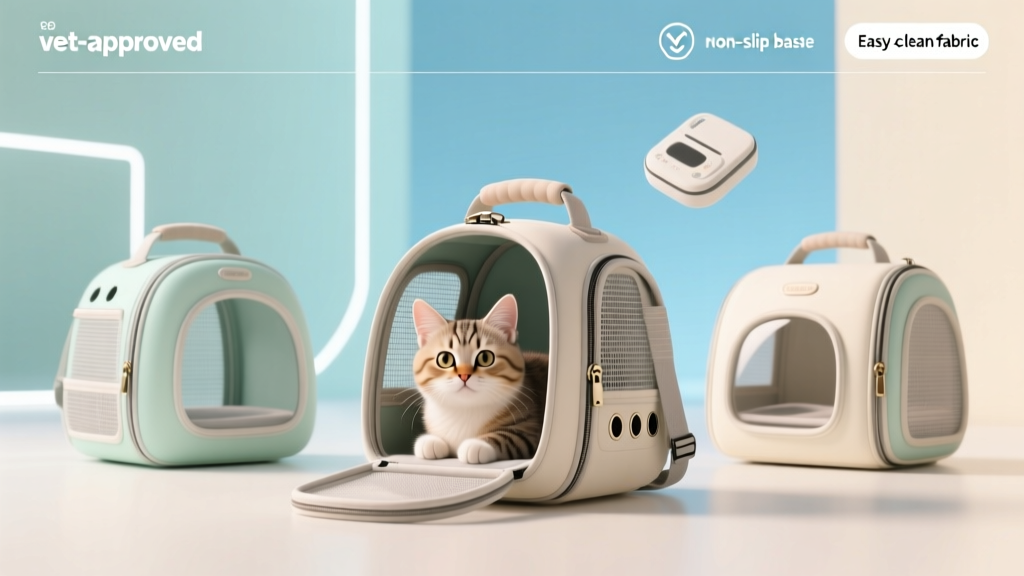
- Soft-sided: Lighter, airline-approved for cabin travel, collapsible for storage.
- Top-loading: Easier for anxious cats — you lower them in rather than pushing them through a front door.
What If Your Cat Still Panics?
Some cats have severe carrier anxiety despite training. Feliway spray applied 15 minutes before travel can reduce stress. For extreme cases, ask your vet about gabapentin — a safe, single-dose anxiety medication given two hours before travel.